

The term decarbonization has become increasingly common in various forums and public discussions. But what exactly is decarbonization, and why is it so important? This article explores what decarbonization means, why it is highly relevant for Indonesia, and how Harita Nickel is translating this commitment into concrete actions.
What Is Decarbonization?
Simply put, decarbonization is the process of reducing or eliminating carbon dioxide (CO₂) and other greenhouse gas (GHG) emissions generated by various human activities, including industry, energy, transportation, and agriculture. The goal is to slow the pace of global climate change.
According to the Indonesia Research Institute for Decarbonization (IRID), decarbonization is a process aimed at reducing or even eliminating all carbon emissions generated by human activities. Various approaches can support decarbonization, including transitioning from fossil fuels to low-carbon, renewable, and sustainable energy sources.
The term decarbonization has become increasingly prominent since the signing of the Paris Agreement in 2015, an international agreement that aims to limit the increase in global temperatures to well below 2°C. According to reports by the Intergovernmental Panel on Climate Change (IPCC), this target can only be achieved if all sectors implement rapid, deep, and sustained emissions reductions.
At the national level, Indonesia has committed to achieving Net Zero Emissions (NZE) by 2060, with an unconditional emissions reduction target of 31.89% by 2030 through its Enhanced Nationally Determined Contribution (ENDC).
What Are the Goals of Decarbonization?
Decarbonization is not simply about reducing pollution. It also plays a role in addressing long-term and interconnected impacts, including:
1. Achieving Climate Neutrality
The primary goal of decarbonization is to create a balance between GHG emissions released into the atmosphere and the Earth's capacity to absorb them. This condition is known as net zero emissions. Once this point is achieved, the rate of global warming can be stabilized.
2. A Structured Energy Transition
Decarbonization requires a shift from fossil fuel-based energy, including coal, oil, and gas, toward renewable energy sources such as solar, wind, hydropower, and geothermal energy. This process cannot happen instantly and must be carefully planned to ensure energy supply reliability and economic continuity are maintained.
3. Energy and Material Efficiency
Before replacing energy sources, one of the most effective steps is often to use energy more efficiently. Energy efficiency reduces overall energy demand, which directly lowers emissions without requiring significant upfront investment.
4. Driving Technological Innovation and Supply Chains
Decarbonization serves as a catalyst for the development of new technologies and their associated supply chains, including electric vehicles, energy storage systems such as batteries, and Carbon Capture and Storage (CCS). Investment in these areas not only helps reduce emissions but also creates opportunities for new industries and jobs.
5. Long-Term Economic Resilience
Countries and companies that adapt earlier to a low-carbon economy will have a stronger competitive position. Global markets, institutional investors, and industrial supply chains are increasingly requiring sustainability standards as a prerequisite for market access rather than merely treating them as an added value.
Harita Nickel’s Decarbonization Commitment
Amid the complexity of decarbonization challenges facing Indonesia’s nickel industry, Harita Nickel positions decarbonization as part of its long-term business strategy, rather than merely as a regulatory compliance measure.
Three-Phase Roadmap Toward Net Zero 2060
Harita Nickel has developed a structured decarbonization roadmap consisting of three phases:
-
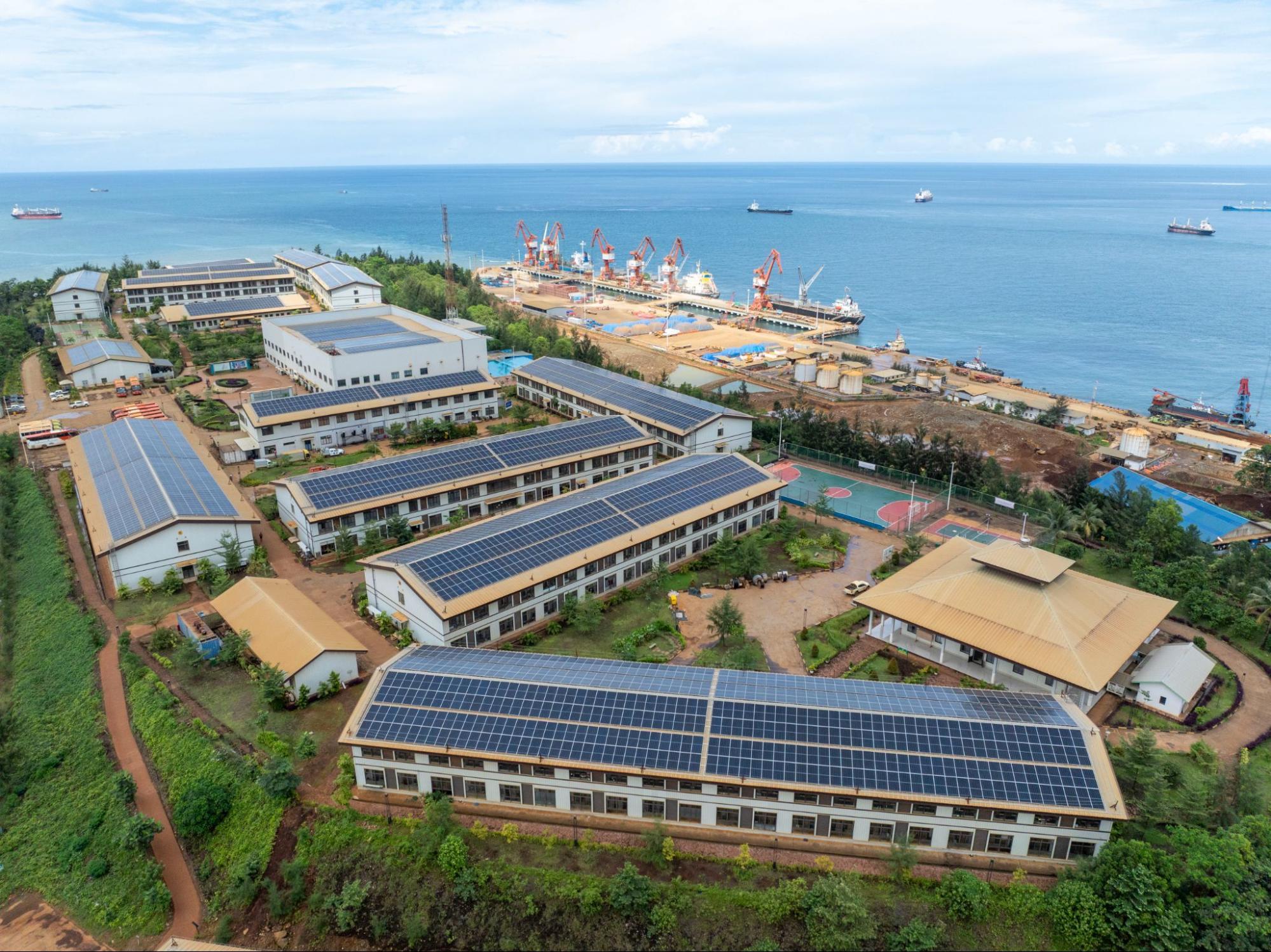
Short Term (2027) — Increasing the share of renewable energy in line with the Indonesian Government’s targets, as well as implementing and managing New and Renewable Energy (EBT). This includes the construction of rooftop Solar Power Plants (PLTS), which began in the third quarter of 2025, and the ongoing implementation of an ISO 50001-based Energy Management System for PT TBP and PT GPS.
-
Medium Term (2032) — Reducing GHG emissions by 30% through an increased EBT mix, energy efficiency initiatives, and the utilization of other non-fossil energy sources.
-
Long Term (2060) — Achieving Net Zero Emissions through a major transition toward New and Renewable Energy (EBT) while balancing the use of fossil fuels.
Ongoing Initiatives
As part of its commitment to implementing the Decarbonization Roadmap, Harita Nickel continues to develop various Sustainable Energy Initiatives (SEIs) to support emissions reduction while improving energy efficiency across its operational areas.
SEIs encompass various new and renewable energy sources, ranging from energy recovered from production processes to alternative fuels used by Harita Nickel throughout each phase of the decarbonization roadmap. These initiatives represent the Company’s concrete efforts to implement more sustainable and responsible business practices through the use of technology, energy optimization, and more environmentally friendly operational solutions.
The following are several sustainable energy initiatives implemented by Harita Nickel:
-
Turning Waste Heat from the Acid Plant into Energy
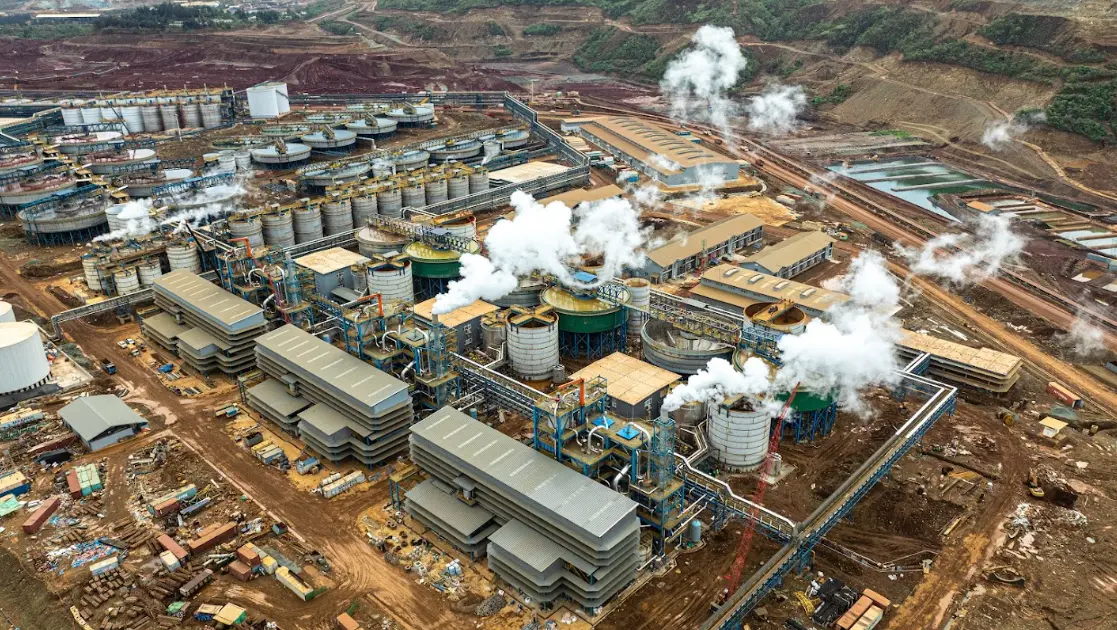
One of Harita Nickel’s energy efficiency initiatives involves utilizing waste heat generated from the sulfuric acid production process at its acid plant. Heat that was previously released as waste is now recovered and converted into energy to support operations.
The application of this technology helps improve energy efficiency across Harita Nickel’s operational facilities, with total energy utilization reaching 11,637,506 GJ and avoiding 1,289,291 tCO2e of GHG emissions. This initiative is also part of the Company’s strategy to optimize energy consumption.
-
Implementing Gasification Technology
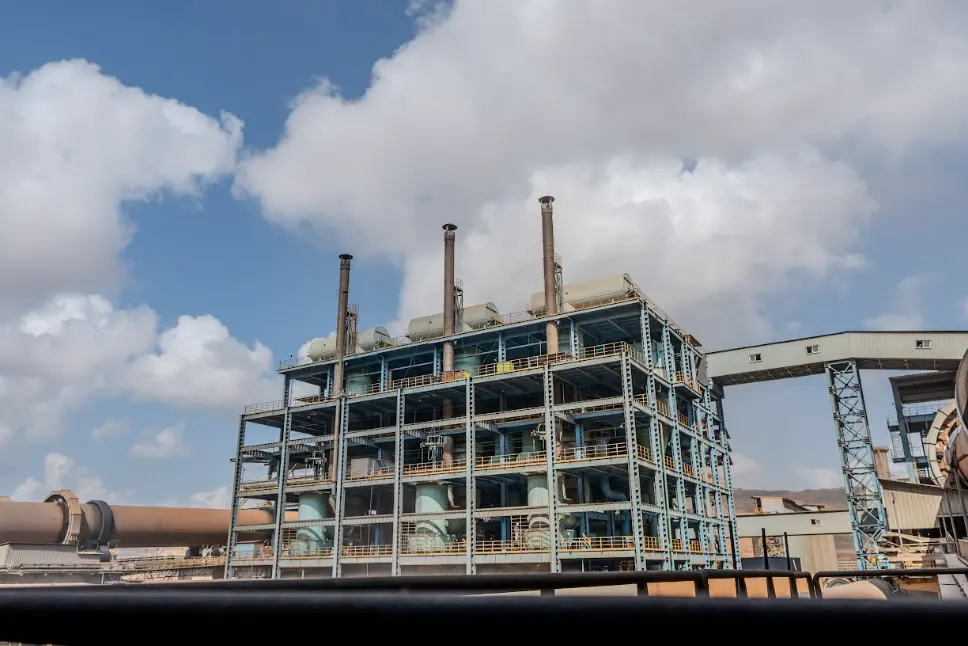
Through gasification technology, coal is converted into more efficient and lower-emission syngas. The gas produced through this process is then integrated into the Rotary Kiln Electric Furnace (RKEF) production line to optimize energy consumption.
Through this implementation, the energy generated reached 25,206,050 GJ, avoiding 1,706,476 tCO2e of GHG emissions, and is utilized to support energy efficiency across the operational area. Harita Nickel’s coal gasifier facility serves as one of the key infrastructures supporting the continuity and efficiency of energy supply for its smelter operations.
-
Developing a 40 MWp Solar Power Plant on Obi Island
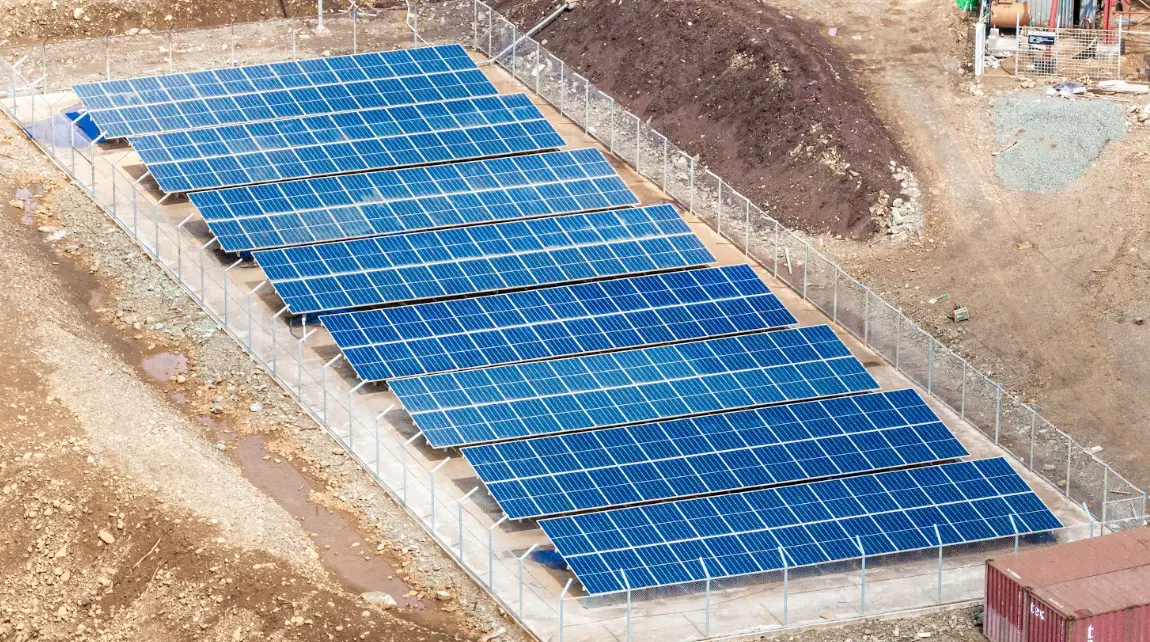
Harita Nickel is developing a 40 MWp Solar Power Plant (PLTS) across various facilities, including employee accommodations, PT Halmahera Persada Lygend (HPL), PT Obi Nickel Cobalt (ONC), and the PT Halmahera HJF area.
-
Recycling Used Cooking Oil
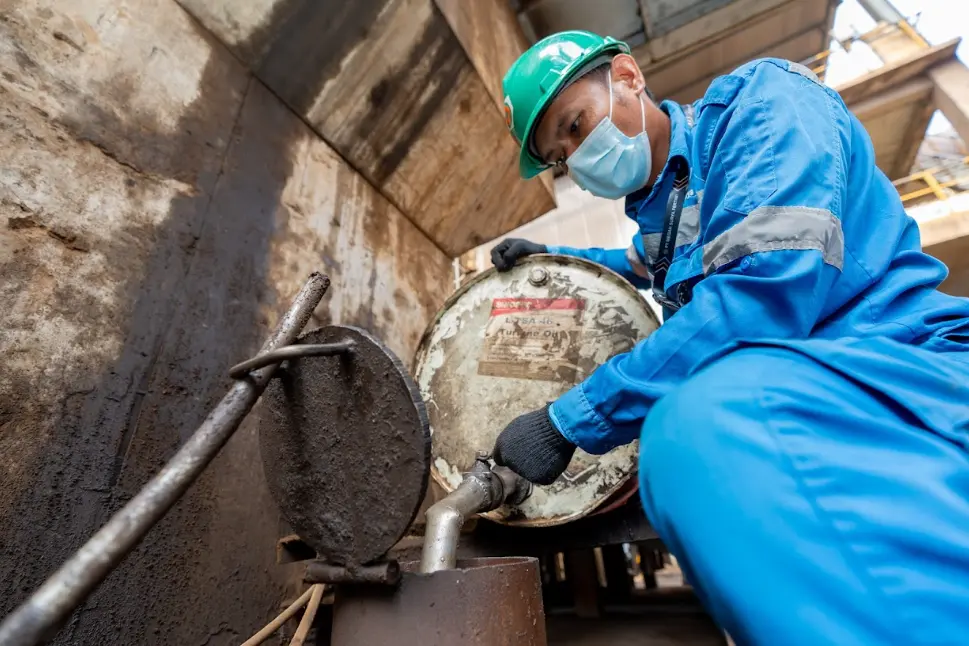
With 20,000 employees, Harita Nickel’s operational kitchens generate used cooking oil in significant volumes every day. Harita Nickel recycles used cooking oil as a fuel source in combustion furnaces to reduce coal consumption. This process generated 1,926 GJ of energy and avoided 1,755 tCO2e of GHG emissions.
-
B40 Biodiesel

Harita Nickel uses biodiesel containing 40% bio-based content for power generation and transportation. This initiative generated 2,091,593 GJ of energy and reduced emissions by approximately 153,272 tonnes of CO₂ equivalent (tCO₂e) throughout 2025.
-
Electrification of Internal Fleets in Operational Areas
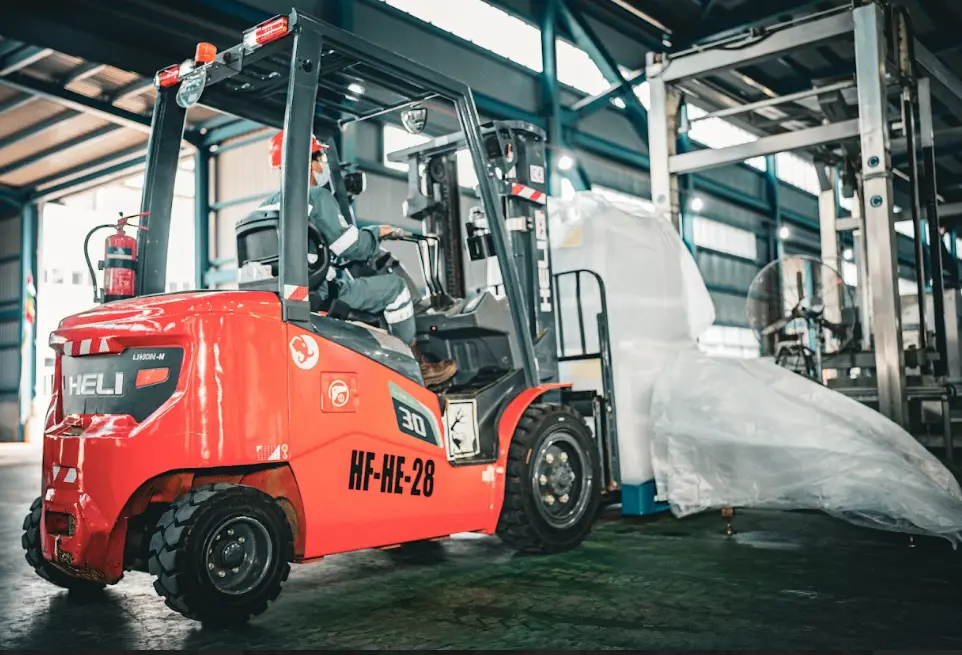
To support emissions reduction from internal transportation, Harita Nickel has begun using electric vehicles such as towing trucks and electric forklifts in the nickel sulfate warehouse area. PT Halmahera Persada Lygend (HPL) has started operating electric forklifts and electric vehicles for product transportation activities within the nickel sulfate warehouse area. This initiative contributed to the utilization of 216 GJ of renewable energy.
-
Conveyor Belts for More Efficient Material Distribution
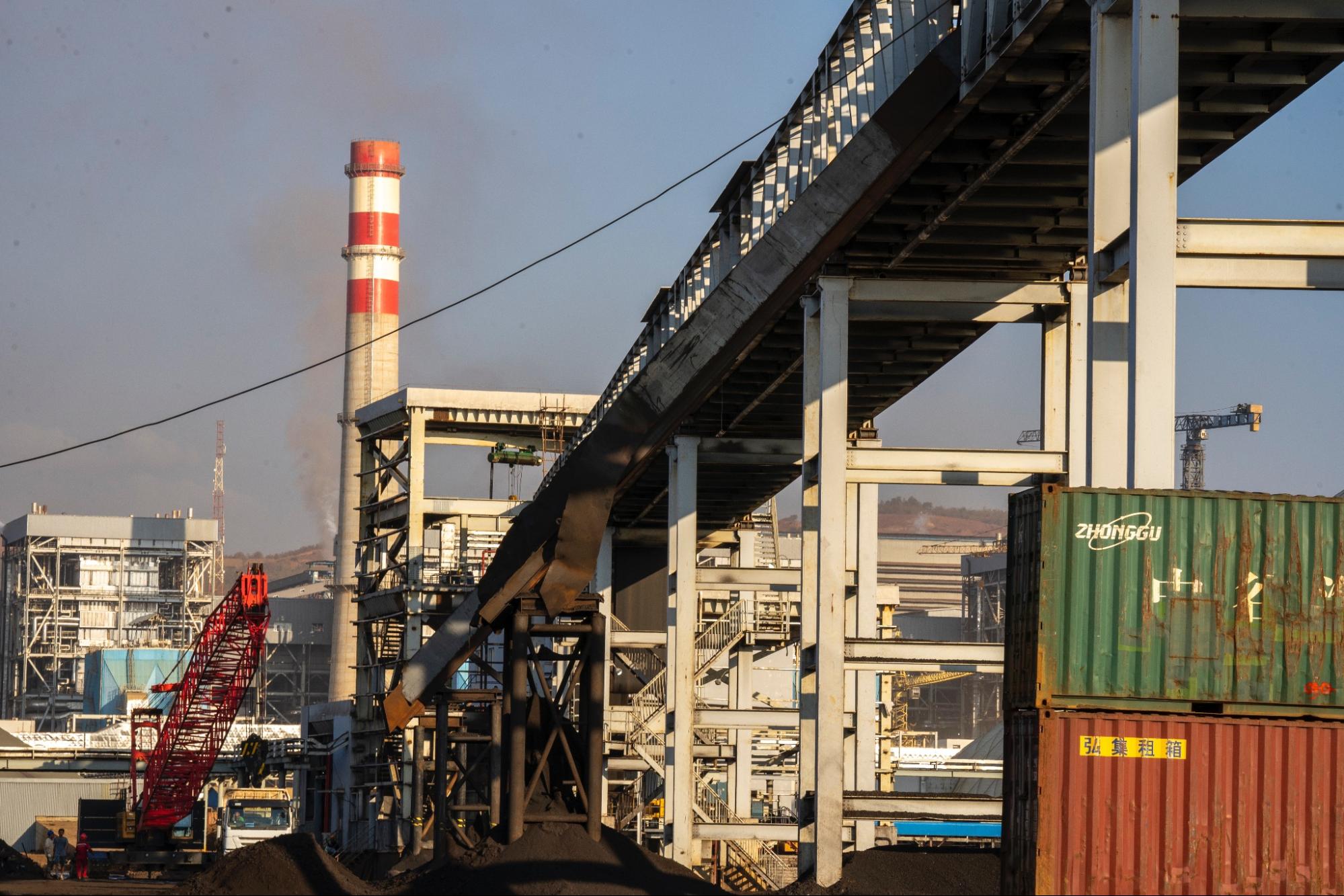
In addition to adopting electric vehicles, Harita Nickel has implemented a conveyor belt system to support operational material distribution. The system helps accelerate material transportation while reducing fuel consumption compared with the use of dump trucks. It also helps reduce dust emissions in the work area.
The implementation of coal conveyor belts is one of the Company’s solutions for creating a more efficient, safer, and more sustainable material distribution process.
Energy Management System (EnMS) for Energy Optimization
The various SEIs above do not operate independently. Harita Nickel implements an ISO 50001-based Energy Management System (EnMS) as a management system to ensure that each energy initiative—from acid plant waste heat recovery to biodiesel—is utilized efficiently, measured consistently, and aligned with emissions reduction targets.
The implementation of EnMS is carried out in stages, beginning with employee training and awareness enhancement, gap assessments, the establishment of energy baselines and targets, and internal audits. Through this system, the Company can identify energy efficiency opportunities while ensuring that all SEIs remain aligned with the decarbonization roadmap toward Net Zero 2060.
Read also: Obi Island: Harita Nickel’s Environmental Facts and Nickel Governance
Supporting the Global Energy Transition
Decarbonization is no longer merely a global trend but an increasingly urgent necessity for all industrial sectors, including mining and nickel downstream processing in Indonesia.
As the country with the world's largest nickel reserves, Indonesia plays a strategic role in supporting the global energy transition. The nickel produced is not only expected to meet the needs of the electric vehicle industry but must also comply with increasingly stringent sustainability standards.
Through its various decarbonization initiatives, Harita Nickel seeks to support the development of an Indonesian nickel industry that is more competitive, efficient, and sustainable in the future.