Choose

Decarbonization


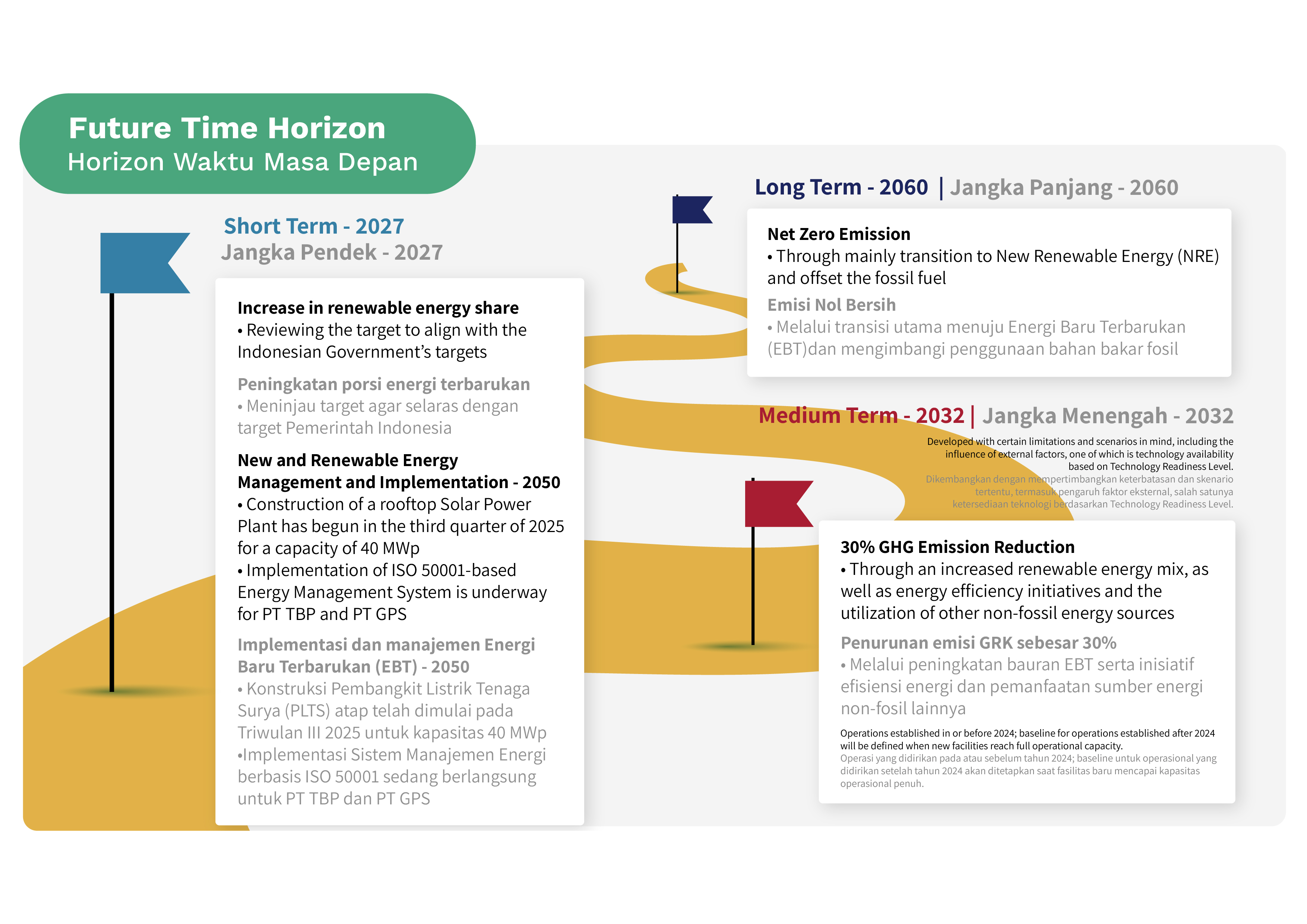
Towards Net Zero 2060


Nickel products play a vital role in enabling low-emission transportation, making them an essential part of the solution for a cleaner future. Yet we believe that producing minerals for sustainability should never come at the expense of the planet’s well-being.

bumi

At Harita Nickel, we are committed to responsible mining practices. In collaboration with leading international experts, we are developing a robust and ambitious decarbonization strategy. Through these efforts, we are confident in our path toward achieving net zero emissions by 2060.

Roadmap

Results achieved to date

Our Efforts

Acid Plant Waste Heat


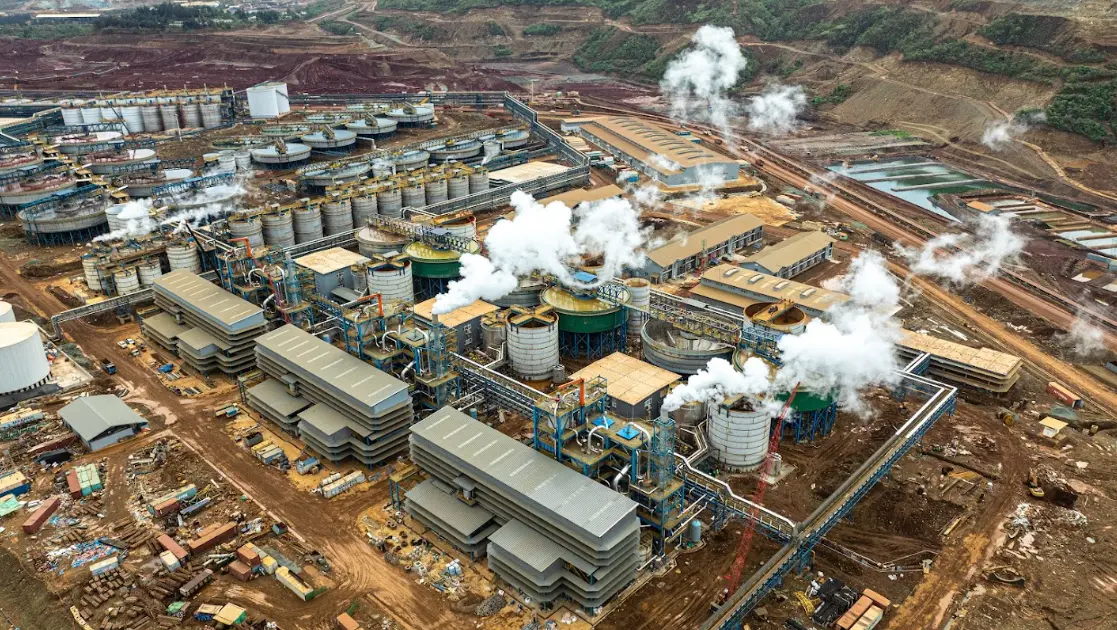
With this technology, Harita Nickel utilizes waste heat generated from the sulfuric acid production process to produce renewable energy.
 
This initiative helps the Company improve its energy efficiency. In 2025, the capacity of the Sulfuric Acid Plant Waste Heat Recovery system doubled following the addition of PT ONC as a new business unit, expanding its implementation beyond PT HPL.
 
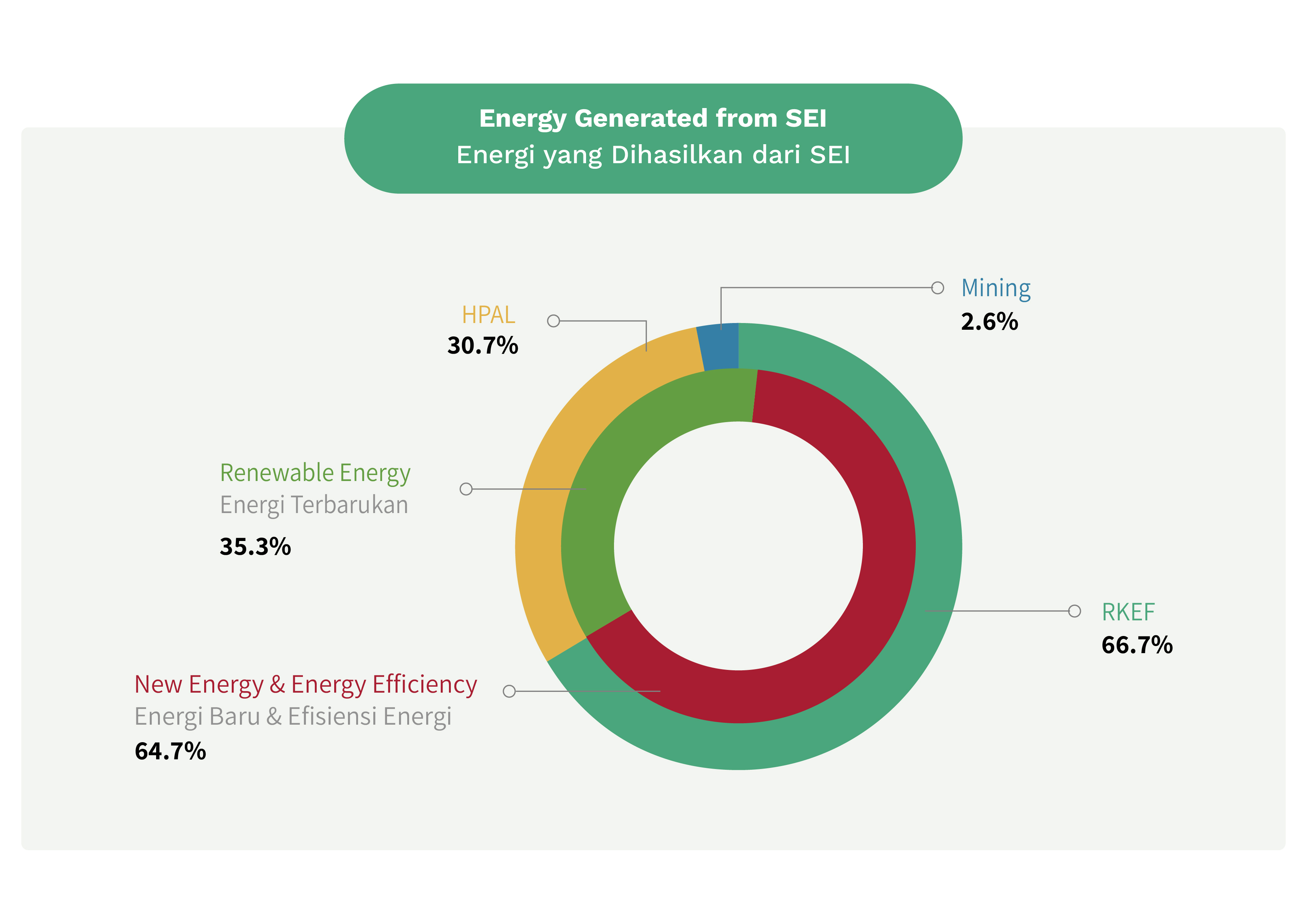
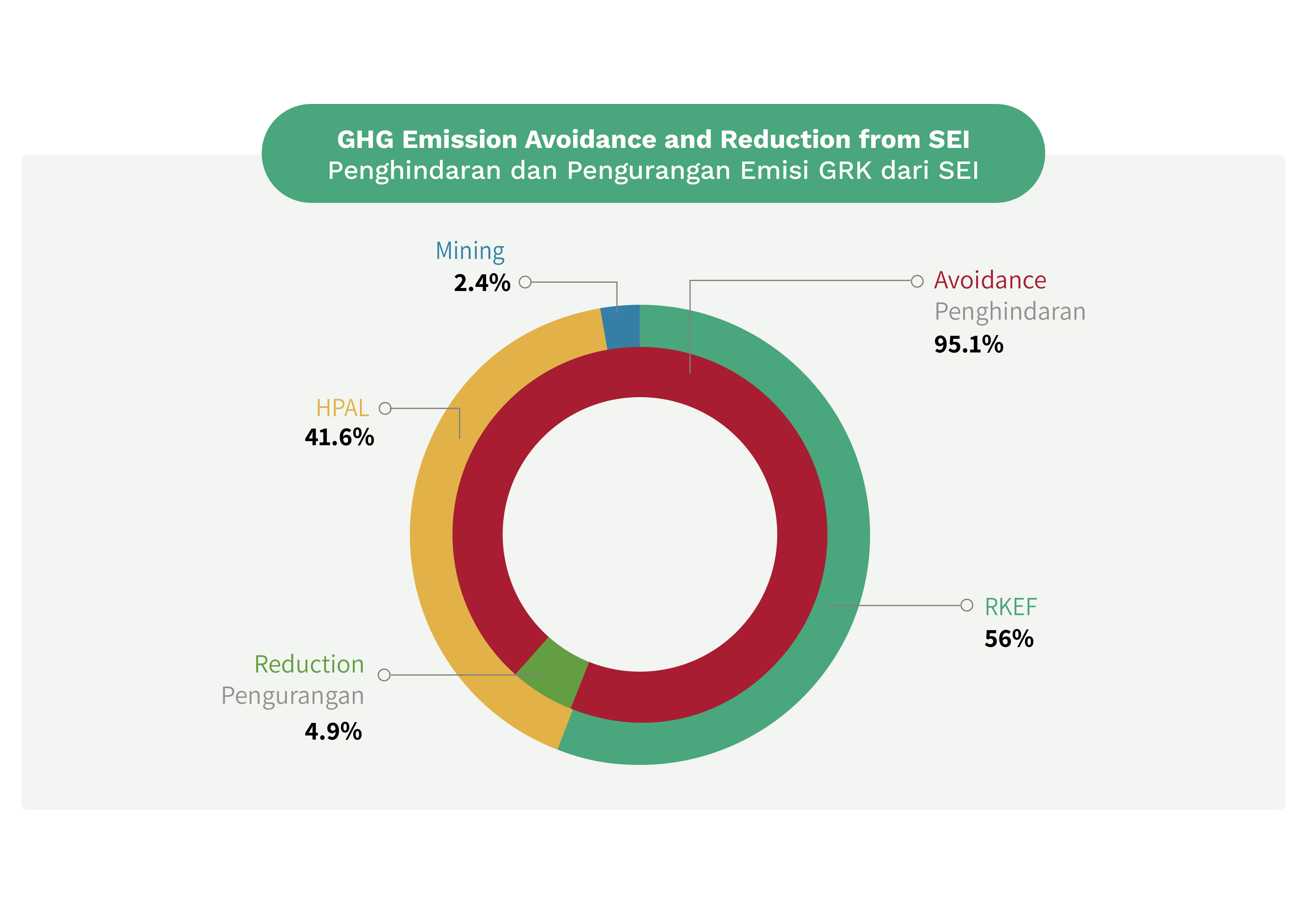
This process generated 11,637,506 GJ of new and renewable energy and avoided 1,289,291 tCO2e of greenhouse gas (GHG) emissions.


Solar Photovoltaic System


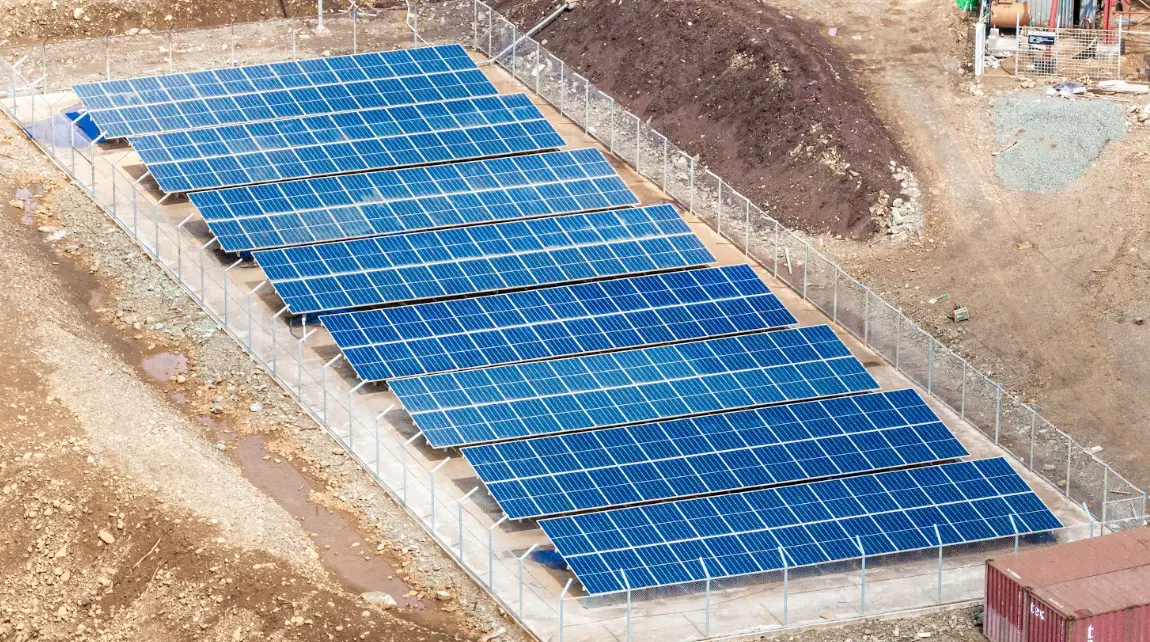
Harita Nickel utilizes solar panels across three applications: street lighting, ground-mounted systems for telecommunications towers, and rooftop installations at employee housing and accommodation facilities.
 
As of the end of 2025, the existing solar panel initiatives had generated 615 GJ of energy and avoided 210 tCO2e of greenhouse gas (GHG) emissions. In 2025, the Company added 40 MWp of rooftop solar panel capacity, with construction taking place throughout 2025–2026 and targeted for completion in 2026.


Coal Gas Utilization 


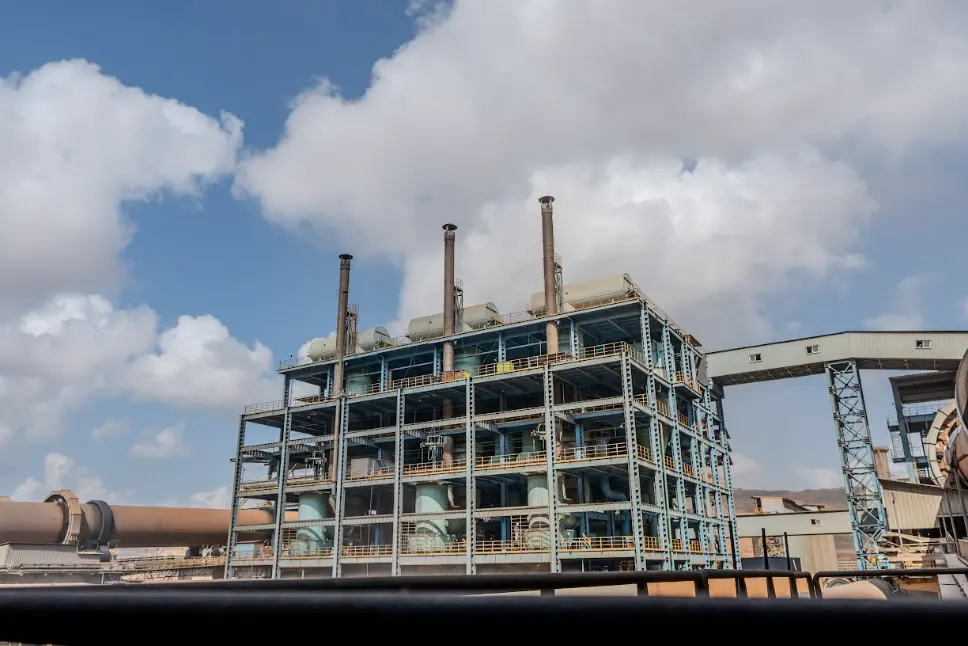
Harita Nickel converts coal into syngas, which is then used to generate heat for the RKEF processing, thereby reducing overall coal consumption and lowering emissions.
 
In 2025, the Company added a new business unit, PT KPS. Coal gas utilization was also integrated into the RKEF process to further improve energy efficiency. This process generated 25,206,050 GJ of new and renewable energy and avoided 1,706,476 tCO2e of greenhouse gas (GHG) emissions.


Biosolar Utilization


The utilization of biodiesel is one of Harita Nickel’s efforts to reduce its reliance on conventional fossil fuels while lowering emission intensity across its operational areas. Starting in February 2025, PT TBP implemented B40 biodiesel across all business units. This initiative generated 2,091,593 GJ of energy and reduced 153,272 tCO2e of greenhouse gas (GHG) emissions throughout 2025.

Used Cooking Oil Utilization 


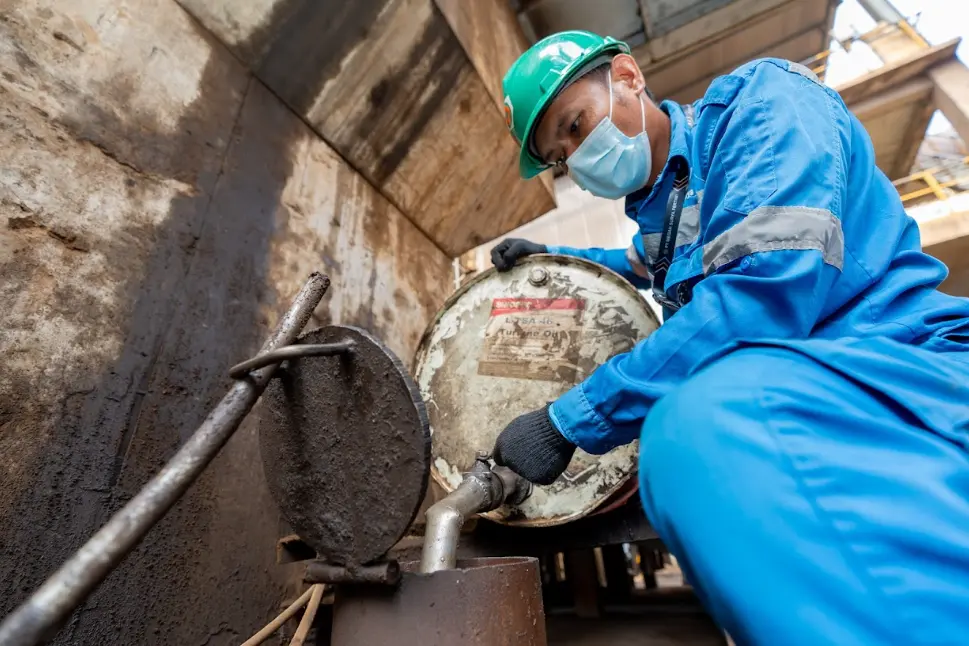
MSP recycles used cooking oil as a fuel source in combustion furnaces to reduce coal consumption. This initiative is part of the Company’s efforts to utilize waste as an energy source while improving environmental quality and production cost efficiency. This process generated 1,926 GJ of energy and reduced 1,755 tCO2e of greenhouse gas (GHG) emissions.


Use of Electric Vehicles


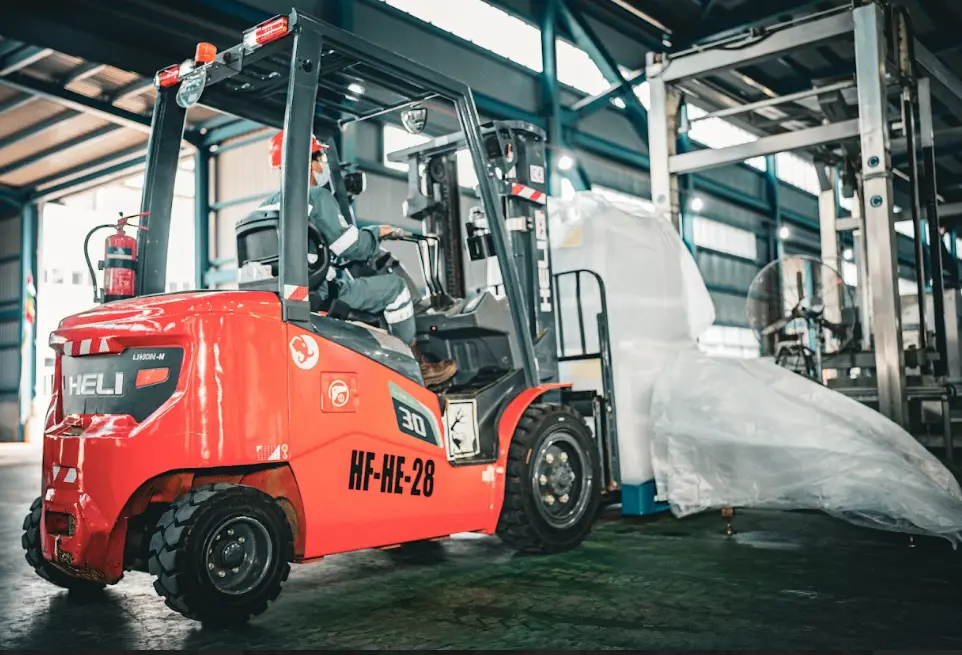
HPL uses electric tow tractors and forklifts at the nickel sulfate warehouse to reduce emissions from internal transportation activities. This initiative generated 216 GJ of renewable energy and reduced 9 tCO2e of greenhouse gas (GHG) emissions.