
Understanding Obi Island’s Environment: The Sea, Local Communities, and the Future of Indonesia’s Nickel Resources
The sea is the lifeblood of coastal communities in Obi Island, North Maluku. It serves as a source of livelihood, a nurturing environment for ecosystem growth, and a shared space where community life meets industrial activities. In recent years, the island has emerged as a focal point of attention amid intersecting interests, situated between the rising global demand for nickel to support the energy transition and growing public concern over its environmental impact.
As different narratives continue to unfold, it is crucial to examine the state of Obi’s marine environment in its entirety. This article aims to provide a brief summary of the island’s ecological landscape, local communities, and environmental management, guided by routine monitoring, operational data, and the social dynamics observed on the ground.
Coral Reefs and the “New Homes” on the Seafloor
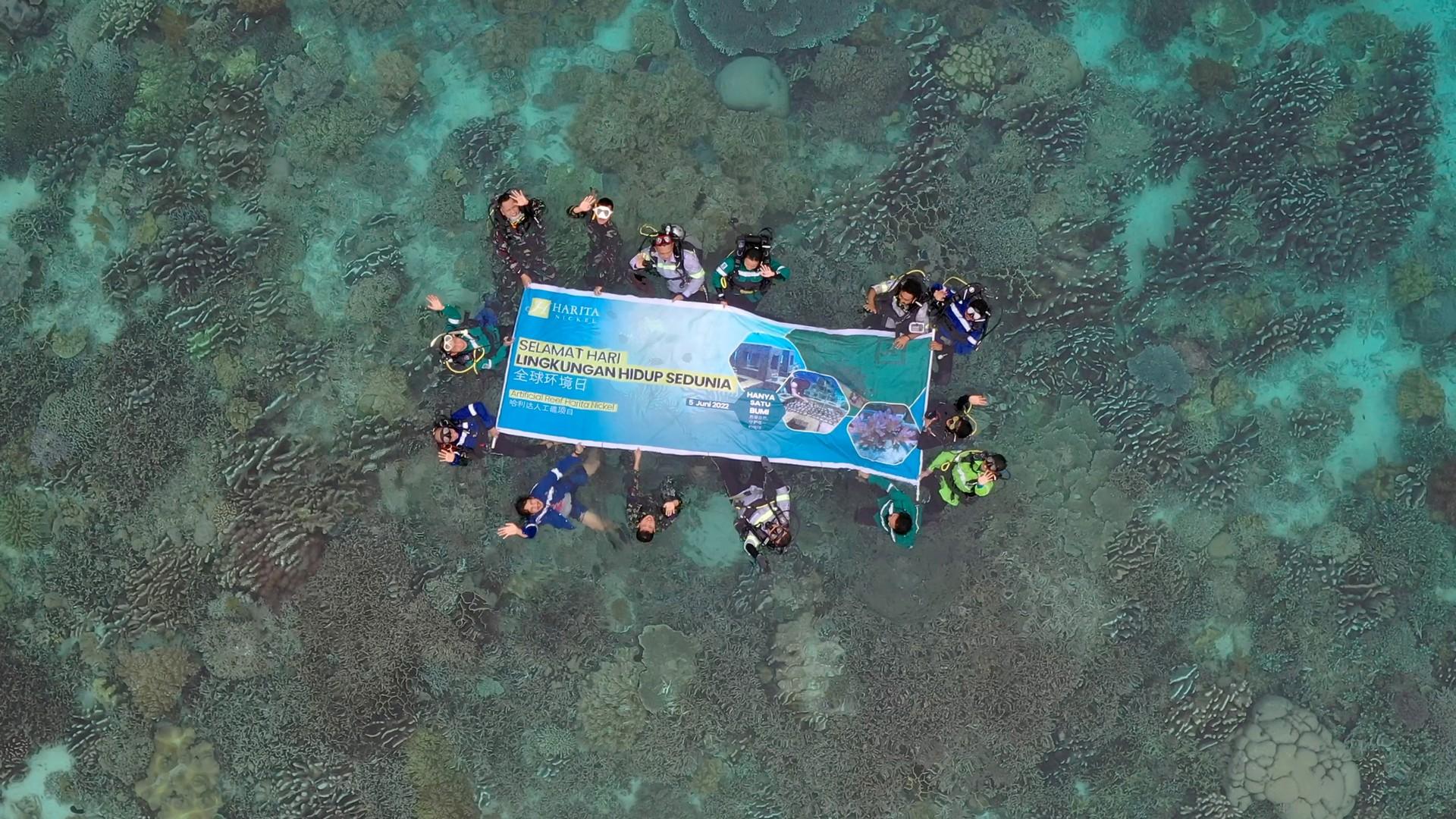
Marine restoration has attracted significant focus as one of the key initiatives in environmental conservation. In several parts of Obi Island waters, hollow cube structures known as reef cubes have been deployed on the seafloor to help restore the ecosystem.
Independent monitoring has recorded the following developments:
• 109 species of coral reef fish from 22 families have been sighted within the restoration zone.
• Coral growth rates between 0.93 and 6.64 cm over a two-year span.
• The reef cubes have transformed into new habitat for species ranging from juvenile fish to adult groupers.
The restoration is not intended to substitute natural processes; it is implemented incrementally with a measured approach to support ecological recovery.
Water and Waste Management: Transparency and Control System
Water and waste management has always been one of the most discussed topics whenever mining activities come under public scrutiny. In Obi, several mechanisms work in parallel to preserve water quality and mitigate sedimentation risks.
58 Settling Ponds to Mitigate Sedimentation
Runoff from the operational area is processed through 58 settling ponds to let sediment settle prior to release. This is a critical step to prevent solid particles from entering water bodies.
Real-Time Monitoring through SPARING
Water quality is monitored automatically through the SPARING system (under the Ministry of Environment and Forestry). Data collected from the monitoring instruments are transmitted directly to the government’s data center, ensuring they can be audited at any time.
Land-based Tailings Management, Zero Ocean Disposal
Harita Nickel does not implement the Deep-Sea Tailings Placement (DSTP) method. Instead, all tailings are processed through a Dry Stack Tailings Facility (DSTF):
• Utilizes a dewatering-based system
• Incorporates multiple protective layers
• Designed to prevent seepage
International-Standard Sustainability Audit
Harita Nickel undergoes the IRMA (Initiative for Responsible Mining Assurance) audit, a global mining standard comprising over 400 indicators. The audit involves independent verification, ensuring standardized practices and transparency in environmental management.
Fishing Communities and the Coastal Economy: Indicators of Ocean Health
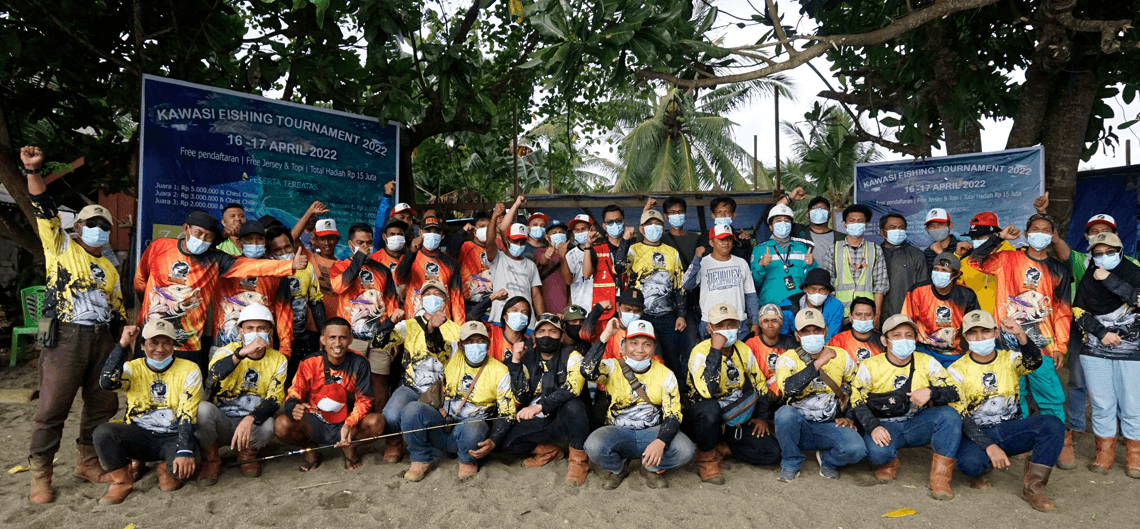
Ocean health extends beyond marine life and ecosystem; it is also reflected in the socioeconomic realities of coastal communities. Coastal fishing activities often serve as an early indicator of aquatic environmental change.
Field observations report:
• Unchanged fishing patterns; fishermen consistently follow their traditional fishing routes
• Fish catch volumes (including commercially important species such as grouper, rabbitfish, and squid) remain stable
• Effective marketing support through the SUTAN program, allowing tens of tons of fishermen’s catch reach the market
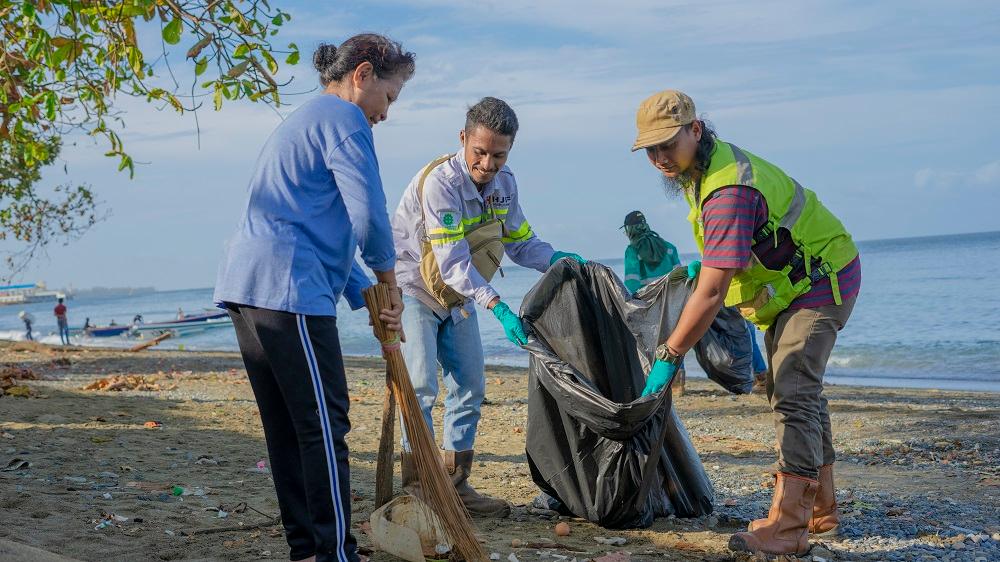
The everyday practices of coastal communities are an integral part of Obi’s ecological balance, affirming the enduring role of the sea as their primary source of livelihood.
Obi Island, Nickel, and the Future of Socio-Environmental System
Obi Island stands as one of the principal hubs of Indonesia’s nickel downstream industry. Despite its economic momentum, the island faces a significant challenge in balancing the rising global demands to advance the energy transition with the need to preserve the ecosystem and the well-being of coastal communities.
The data and on-site observations reveal:
- The productivity of Obi Island waters is well-preserved
- Coral reef restoration outcomes show a sustained path to recovery
- Tailings and water management adheres to international standards
- Fishermen continue their everyday routines without any disruption
There is always room for improvement. The mining industry, anywhere in the world, requires rigorous supervision. In Obi, the current situation shows that processes of mitigation, monitoring, and recovery are actively underway.
Ultimately, Obi Island is a connected ecosystem where marine life, communities, and industrial activities meet. Only by examining Obi in its complete, interconnected context can we gain a clearer, more balanced perspective on the future of Indonesia’s nickel industry.
Frequently Asked Questions (FAQ)
Are Obi Island waters polluted?
On-site indicators, including active fisheries, robust reef fish population, and regular monitoring, confirm the productivity of Obi Island waters.
• Water Managements
• Tailings & HPAL
• Community Initiatives
• Marine Restoration
• Sustainability Report
Are fish from Obi Island’s marine environment safe for consumption?
Yes. Fish harvested from waters around Obi Island comply with food safety standards and remain an essential food source for coastal communities.
Does Harita Nickel discharge tailings into the sea?
No. All tailings are processed on land through a Dry Stack Tailings Facility (DSTF). The company avoids deep-sea tailing disposal.
What is the current state of the coral reefs around Obi Island?
Monitoring data confirms coral growth and reef fish diversity are on the rise in the designated restoration areas.
Are fishing activities disrupted?
No. Fishermen continue their routines normally, and catch volumes remain stable.
How is water quality monitored?
Water quality is consistently monitored in real-time through an automated system called SPARING, which is integrated with the Ministry of Environment and Forestry (KLHK).
Does Harita Nickel undergo environmental management audits?
Yes. Harita Nickel’s environmental management is audited under IRMA, a leading global sustainability standard.
Related Links:
• Environmental Management• Water Managements
• Tailings & HPAL
• Community Initiatives
• Marine Restoration
• Sustainability Report