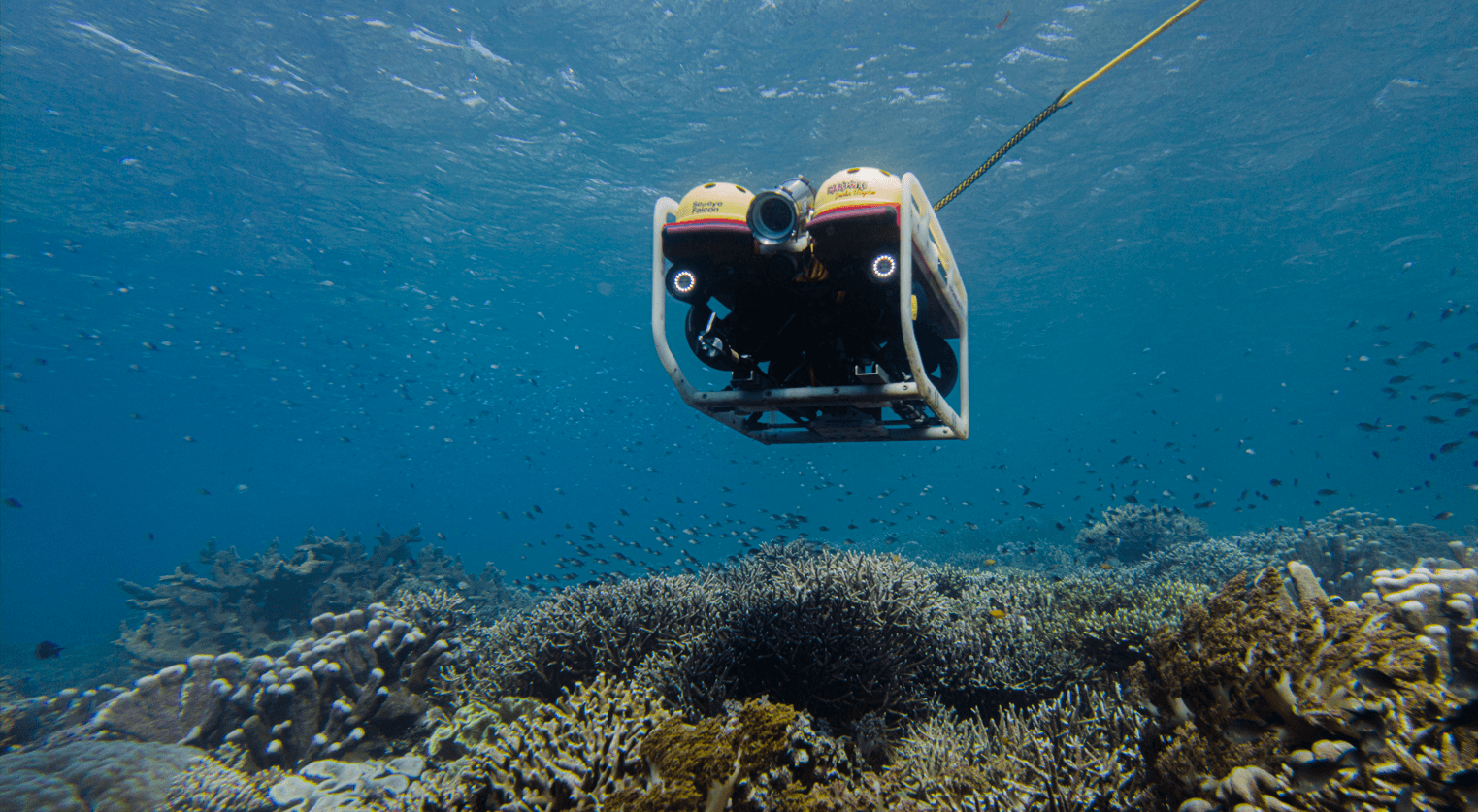
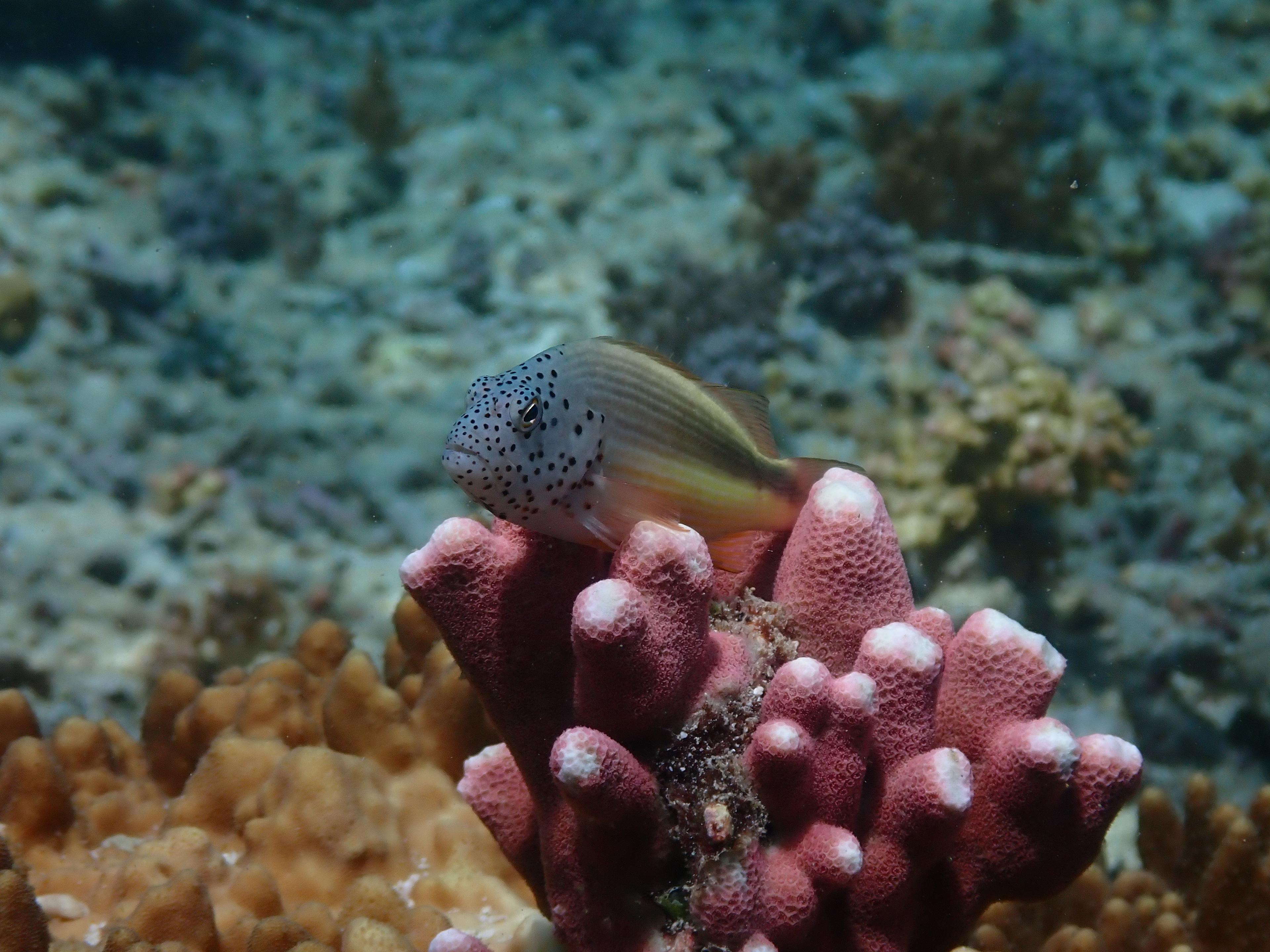


Obi Island is one of the largest islands in South Halmahera, North Maluku, Indonesia. In recent years, the island has gained national and international recognition as one of Indonesia's key nickel-producing regions. However, Obi Island's appeal extends far beyond its abundant mineral resources. Its pristine natural landscapes, rich cultural heritage, and vibrant coastal communities make it a fascinating destination with far more to offer than its mining industry alone.
For many people, Obi Island is primarily associated with nickel mining and industrial development. Yet, long before becoming an important hub for Indonesia's downstream nickel industry, the island was home to communities with deep-rooted traditions and strong local wisdom. From lush tropical forests and biodiverse marine ecosystems to coastal villages and rolling hills, Obi Island offers remarkable natural and cultural richness waiting to be explored.
Where Is Obi Island?
Obi Island is located in the southern part of South Halmahera Regency, North Maluku Province. It is the largest island within the Obi Islands archipelago, a group of islands situated in the southern region of North Maluku. Geographically, the island lies between the Molucca Sea and the Seram Sea, giving it a strategic location along eastern Indonesia's maritime routes.
Administratively, Obi Island covers approximately 2,542 square kilometers and has a population of 52,588. The island is divided into five districts and 34 villages: Obi, South Obi, West Obi, East Obi, and North Obi. Some of the best-known villages include Kawasi, Soligi, Buton, Anggai, Sambiki, Laiwui, Jikotamo, Air Mangga, and Ake Gula.
Each village has its own unique characteristics, shaped by its local economy, cultural traditions, and natural environment. Some communities are located along the coast, where fishing remains the primary livelihood, while others have developed around plantations, trade, and industrial activities.
Kawasi Village, for example, has experienced rapid growth alongside the expansion of industrial activities on the island. Meanwhile, villages such as Soligi and Buton continue to preserve the atmosphere of traditional coastal communities, where daily life remains closely connected to the sea and long standing local customs.
This diversity of villages contributes to Obi Island's vibrant social landscape, with each community offering its own stories, traditions, and economic potential.
Life on Obi Island
The people of Obi Island have long lived in harmony with their natural surroundings. Most residents earn their livelihoods through farming, plantations, fishing, trading, as well as employment in the service and industrial sectors.
As an island community, marine resources remain one of the region's primary sources of income. Fish, shrimp, crabs, and other seafood products are important commodities that supply local markets while also supporting trade throughout North Maluku.
Agriculture and plantation farming also play a significant role in the local economy. Coconut, nutmeg, cloves, and other productive crops have been cultivated for generations, forming the economic backbone of many communities long before the development of the island's mineral processing industry.
Obi Island is also home to people from diverse cultural backgrounds. Its population includes indigenous communities as well as ethnic groups such as Tobelo-Galela, Ternate, Tidore, Buton, Bugis, and Javanese. This cultural diversity has created a dynamic and inclusive society where the spirit of gotong royong mutual cooperation and community solidarity continues to thrive.
Preserving the Cultural Heritage of Obi Island
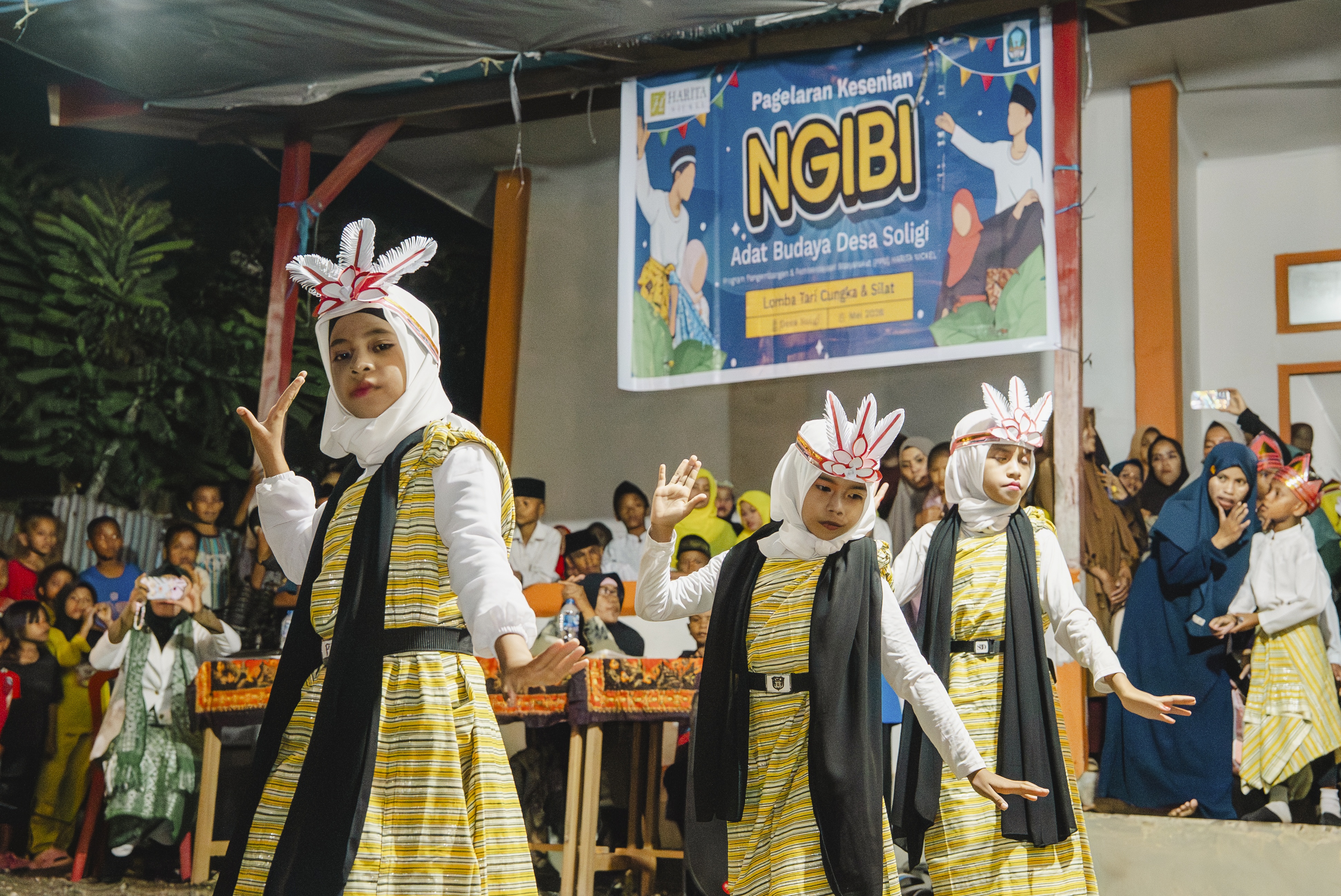
Despite its rapid development, the people of Obi Island continue to preserve traditions that have been passed down through generations. Traditional ceremonies, local performing arts, and community gatherings remain an integral part of life in many villages. Values such as family, mutual cooperation, and social solidarity continue to shape everyday life across the island.
Several traditional art forms are still actively preserved as part of Obi Island's rich cultural heritage. One of them is Ngibi, a traditional performance originating from Soligi Village, which is commonly showcased during customary ceremonies and community celebrations. Another well-known cultural tradition is the Cakalele Dance, a traditional war dance from Maluku and North Maluku that is still performed during cultural events and official welcoming ceremonies. The dance symbolizes courage, honor, and deep respect for local traditions and ancestral heritage.
Obi Island is also home to several sites of historical and cultural significance. Fort De Brill, a relic from the colonial era, stands as an important reminder of the island's historical journey. Meanwhile, Lake Karo is valued not only for its scenic beauty but also for its role as an essential freshwater source for local communities and as part of Obi Island's historical development.
Beyond its performing arts and historical landmarks, Obi Island's cultural richness is reflected in its local languages, traditional cuisine, community deliberation practices, and social customs that continue to be observed today. Together, these cultural traditions form an essential part of Obi Island's identity while contributing to the broader cultural heritage of North Maluku.
The Natural Beauty of Obi Island
In addition to its growing industrial significance, Obi Island is renowned for its breathtaking natural landscapes.
Its coastline stretches along crystal-clear waters and unspoiled beaches that showcase the island's tropical charm. On clear evenings, sunsets over Obi Island paint the sky in vibrant shades of orange and gold, creating one of the island's most captivating natural attractions.
Obi Island's tropical forests also provide habitat for a wide variety of flora and fauna native to eastern Indonesia. Along the coast, extensive mangrove ecosystems play a vital role in maintaining ecological balance while serving as important breeding grounds for numerous marine species.
The island also offers growing opportunities for marine tourism, including fishing, snorkeling, and enjoying its scenic coastal landscapes, making Obi Island an increasingly attractive destination for nature enthusiasts.
Abundant Natural Resources
Obi Island is endowed with abundant natural resources. In addition to its rich fisheries and plantation commodities, the island possesses substantial mineral reserves that have made it one of Indonesia's strategically important regions for industrial development.
These natural resources have created significant economic opportunities, both through traditional primary sectors and through the development of downstream industries that add value to locally produced commodities.
At the same time, other sectors—including fisheries, agriculture, and community-based microenterprises continue to play an essential role in supporting the livelihoods and economic resilience of the people of Obi Island.
Obi Island as a Major Nickel-Producing Region
One of the primary reasons Obi Island has gained widespread recognition is its substantial nickel reserves, with total nickel ore resources and reserves estimated at 310.8 million wet metric tons (WMT). Together with several other mining regions in Sulawesi and North Maluku, Obi Island has become one of the key contributors to Indonesia's nickel industry.
The island's abundant nickel deposits are the result of geological processes that have taken place over millions of years. Combined with a tropical climate and high rainfall, these natural conditions have formed extensive laterite nickel deposits, making Obi Island one of Indonesia's most important mineral-rich regions.
The island's significant nickel resources have also supported the development of an integrated nickel processing industry. On Obi Island, Harita Nickel operates an integrated mining and processing complex as part of Indonesia's downstream mineral development strategy, which aims to increase the value of the country's mineral resources through domestic processing.
Through its processing facilities on Obi Island, nickel ore is not only mined but also refined into a range of value-added products, including ferronickel (FeNi) for the stainless steel industry, as well as Mixed Hydroxide Precipitate (MHP), nickel sulfate, and cobalt sulfate essential raw materials for the electric vehicle (EV) battery supply chain.
Beyond strengthening Indonesia's downstream mineral industry, these operations contribute to regional economic growth by creating employment opportunities, supporting infrastructure development, enhancing the capabilities of the local workforce, and fostering collaboration with communities surrounding the company's operational areas.
Supported by its abundant natural resources and sustainable industrial development, Obi Island is now recognized not only as one of Indonesia's leading nickel-producing regions but also as an important contributor to the global energy transition through the supply of critical raw materials for electric vehicle batteries.
Conclusion
Obi Island demonstrates how abundant natural resources can coexist with vibrant communities, cultural preservation, and regional development. With its unique combination of natural wealth, cultural diversity, and expanding economic opportunities, the island continues to evolve as one of Indonesia's most strategically important regions.
The combination of rich natural resources, diverse cultural heritage, and sustainable industrial development has positioned Obi Island as a place of growing significance not only for North Maluku, but also for Indonesia's broader economic development and its role in supporting the global transition toward cleaner energy.