
What is ESG?
ESG stands for Environmental, Social, and Governance. It is a framework used to assess a company’s performance in managing environmental, social, and governance impacts in a sustainable manner.
The Environmental aspect relates to how a company manages its impact on the environment. Social focuses on the company’s relationships with communities, employees, and stakeholders. Governance emphasizes transparent, accountable, and ethical management practices.
In a global context, ESG serves as an evaluation framework used by investors, business partners, and regulators in decision-making, risk management, and organizational performance assessment based on non-financial indicators covering environmental, social, and governance aspects.
Why ESG Matters in the Nickel Mining Industry
Indonesia’s nickel mining industry plays a crucial role in the global energy transition. Nickel is a key material for electric vehicle batteries, which symbolize the future of clean energy. However, mining activities often face various environmental and social challenges, including waste management, erosion control, and water quality, as well as social issues such as local employment and community engagement dynamics.
ESG principles and frameworks support companies in achieving sustainable goals by ensuring that their operations not only meet global industrial demands but also preserve the environment and provide tangible benefits to surrounding communities. Effective ESG implementation can enhance public trust and strengthen Indonesia’s position globally as a sustainable and responsible nickel supplier.
Implementation of ESG Initiatives at Harita Nickel
As one of the key players in Indonesia’s nickel industry, Harita Nickel is committed to implementing ESG principles in all aspects of its operations. Some key initiatives evaluated under ESG principles include:
1. Environmental Initiative
Various environmentally friendly practices implemented by Harita Nickel include
-
Sediment Ponds
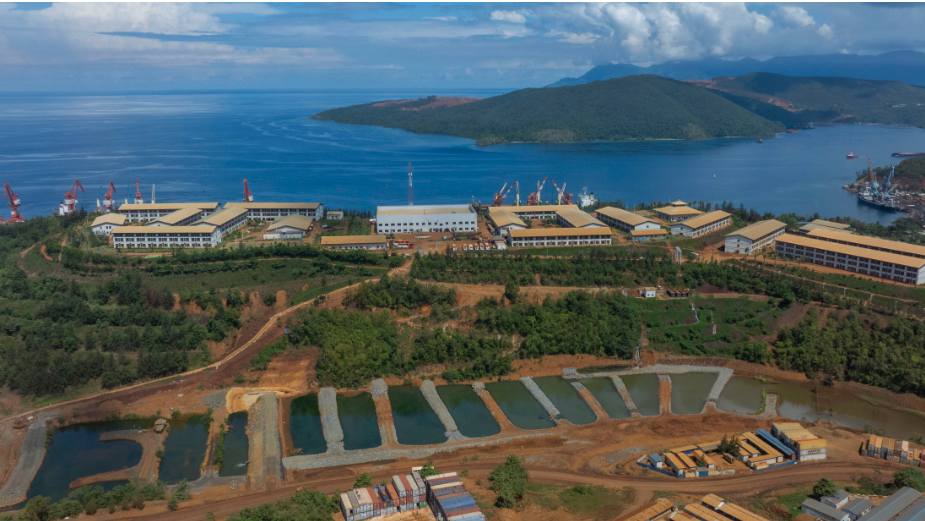
Harita Nickel has developed sediment ponds to manage mine runoff water. These facilities function to retain sediment particles, preventing them from flowing directly into rivers or the sea, thereby maintaining water quality and protecting ecosystems.
One of the largest sediment ponds in Harita Nickel’s mining area, Pond Tuguraci 2, spans approximately 43 hectares and has a storage capacity of up to 2 million cubic meters of water.
-
Coal Domes
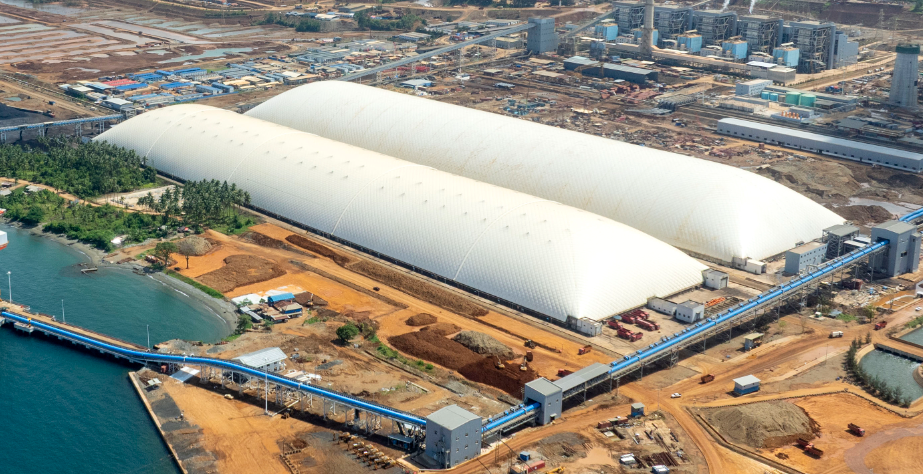
To reduce dust and prevent potential leachate contamination, Harita Nickel has constructed enclosed coal domes. This system protects coal from moisture exposure, preventing a decline in calorific value that could increase combustion emissions, while also minimizing coal dust dispersion that may harm the environment.
Additionally, the company uses enclosed conveyor belts to transport coal from the jetty to the coal storage dome, replacing trucks and heavy equipment to reduce emissions and fuel consumption.
-
Utilization of Used Cooking Oil for Production Machines
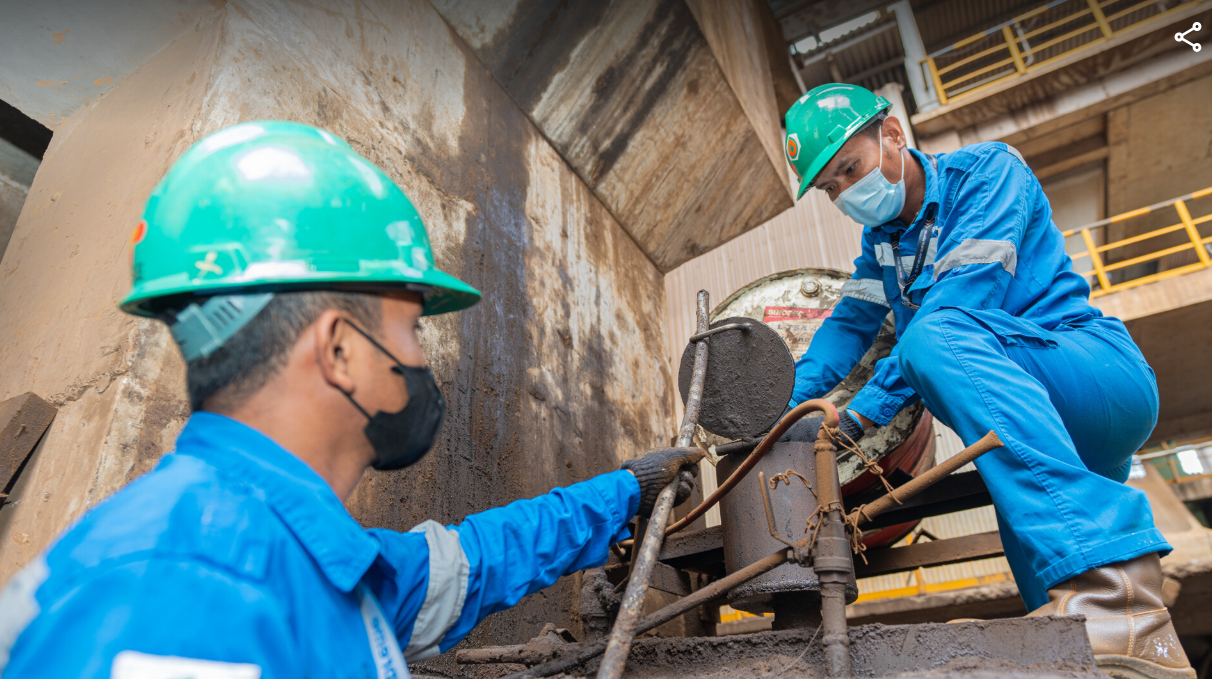
Another innovation is the use of used cooking oil as a supplementary fuel for production machinery. This initiative is part of a circular economy approach, where waste materials are repurposed into alternative energy sources.
-
Repurposing Nickel Slag
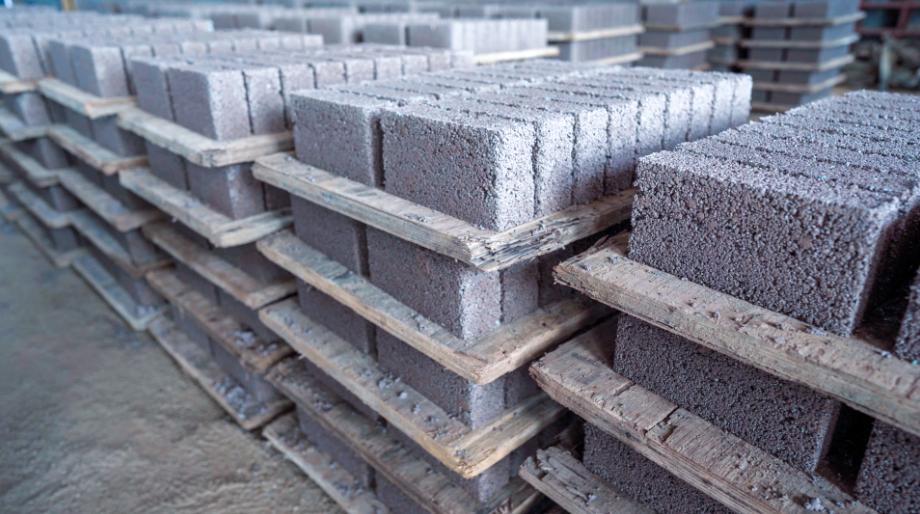
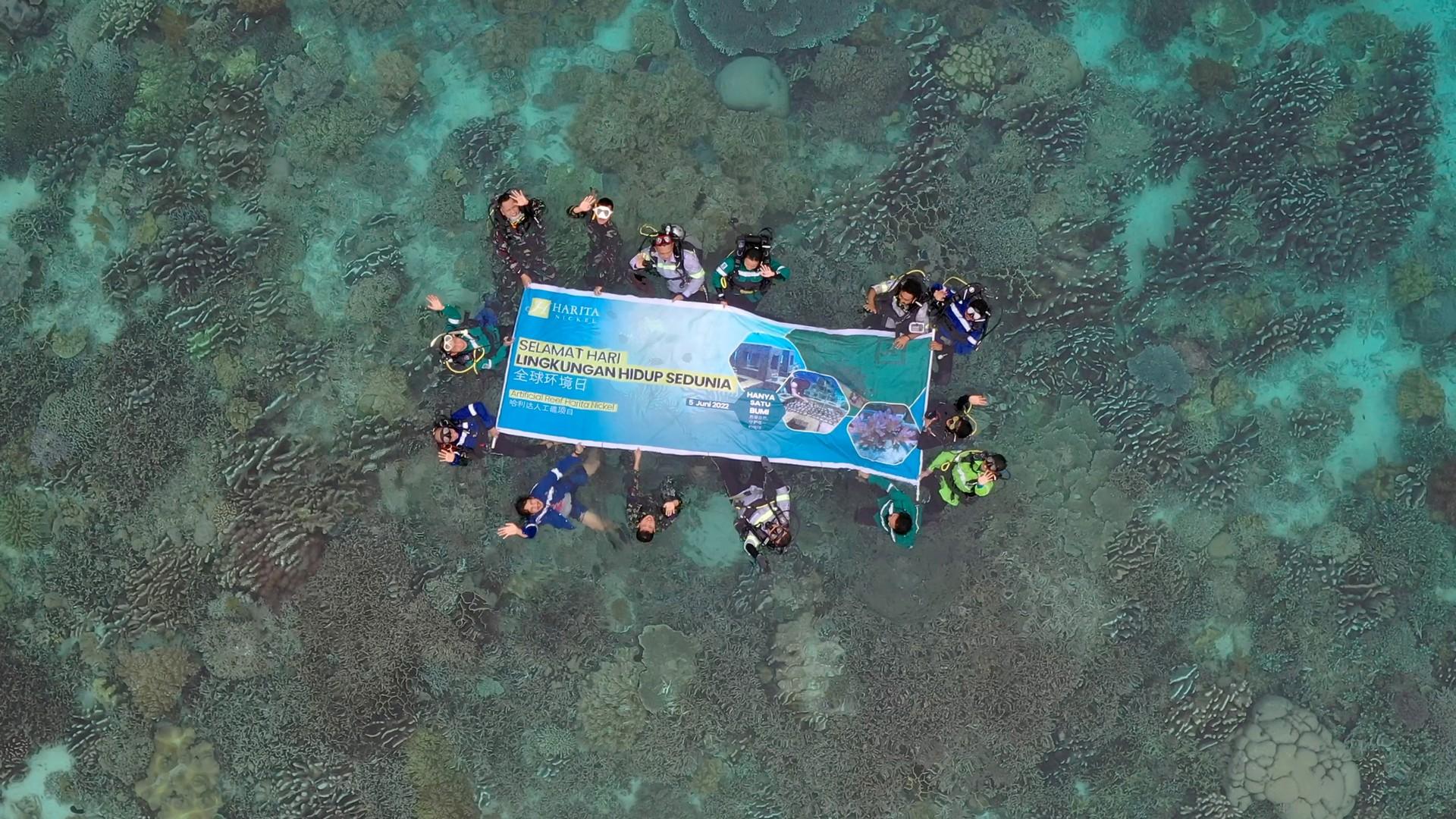
Nickel smelting by-products (slag) are repurposed into valuable materials, such as concrete mixtures, coastal breakwaters, and artificial reef blocks to support marine ecosystem rehabilitation. This initiative reduces waste accumulation while contributing to infrastructure development and environmental restoration.
-
Solar Panels
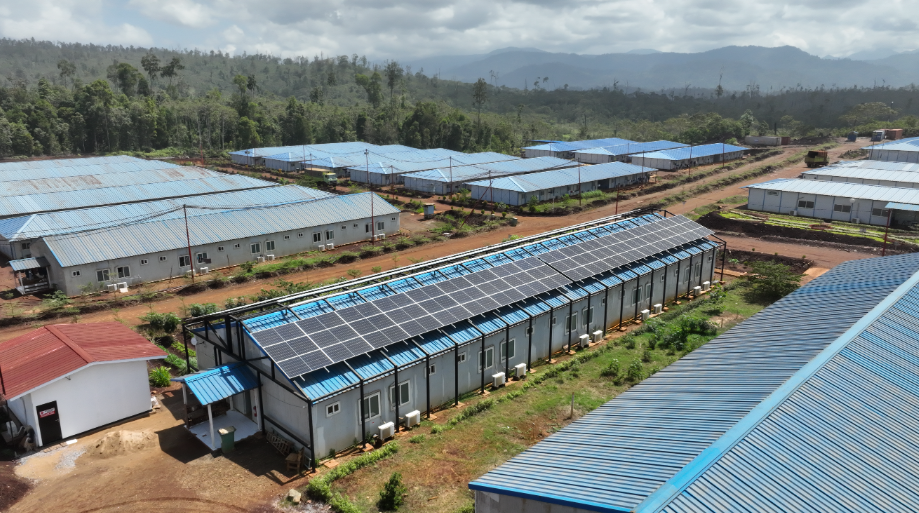
In addition to energy efficiency efforts, Harita Nickel invests in solar power systems to support part of its operations. This renewable energy use helps reduce carbon emissions and supports the transition toward clean energy.
Harita Nickel has installed rooftop-mounted solar panels with a capacity of 40 MWp.
-
LNRA Implementation in Operational Practices

Landscape Level Nature Risk Assessment (LNRA) is an environmental assessment method that helps companies identify and manage biodiversity risks comprehensively—not only within operational areas but also across surrounding ecosystems. Through LNRA implementation, conservation planning can be conducted more holistically.
Read More : Managing Biodiversity Risks in Nickel Mining through the LNRA Approach
2. Social Initiatives
Harita Nickel implements various programs that create a positive impact on local communities:
-
Local Economic Empowerment
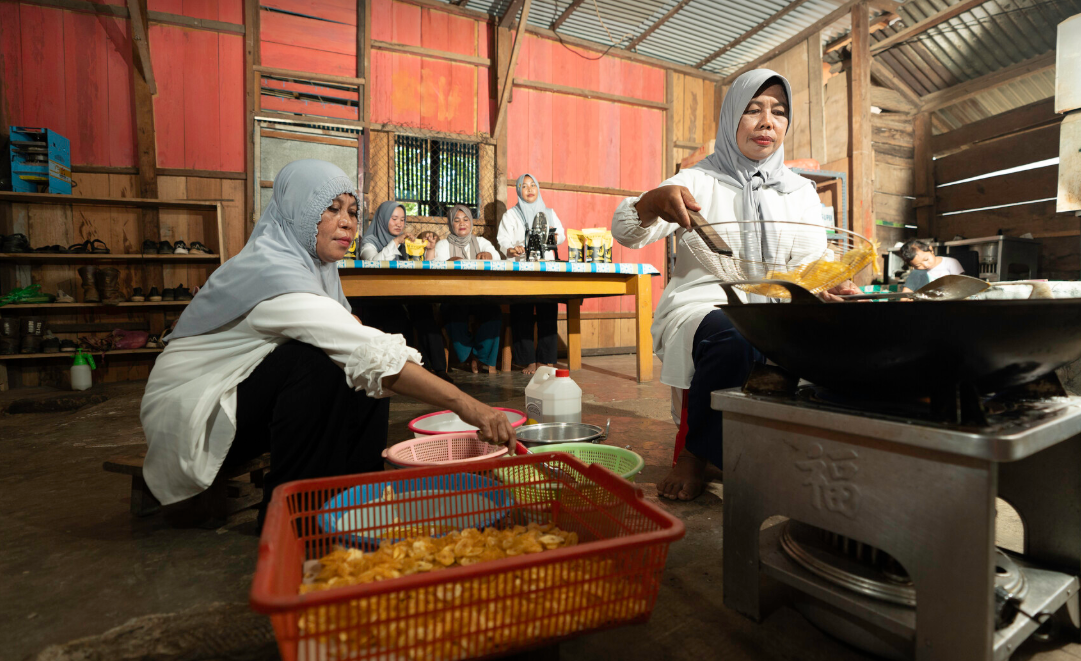
Harita Nickel promotes economic growth in Obi Island by supporting local MSMEs, including women’s groups. Programs focus on local food processing training, strengthening business institutions, and improving administrative and management capabilities.
Community involvement in local supply chains also helps stimulate regional economic circulation, fostering independent and sustainable growth.
-
Village Infrastructure Development
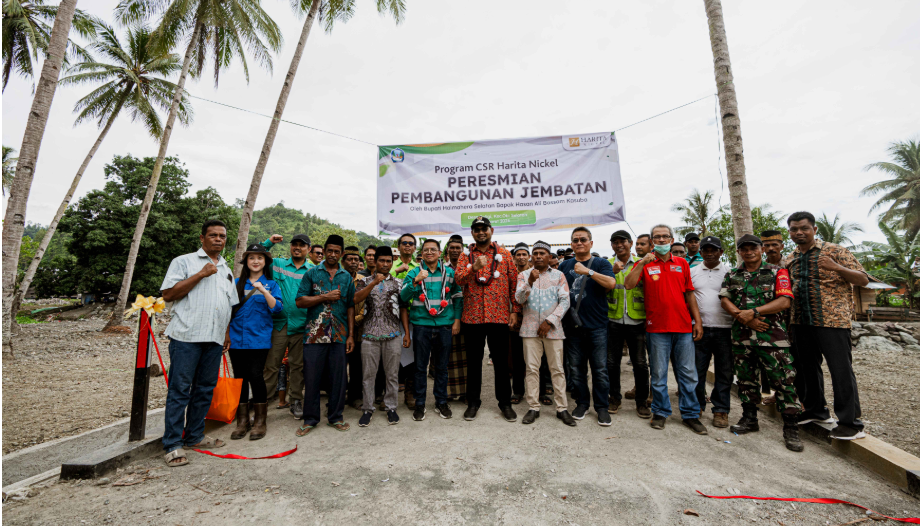
Harita Nickel contributes to the development and improvement of basic infrastructure, including roads, bridges, clean water access, electricity, places of worship, and public facilities.
This support not only facilitates operational activities but also significantly enhances accessibility, mobility, and the overall quality of life for nearby communities.
-
Education and Healthcare Support
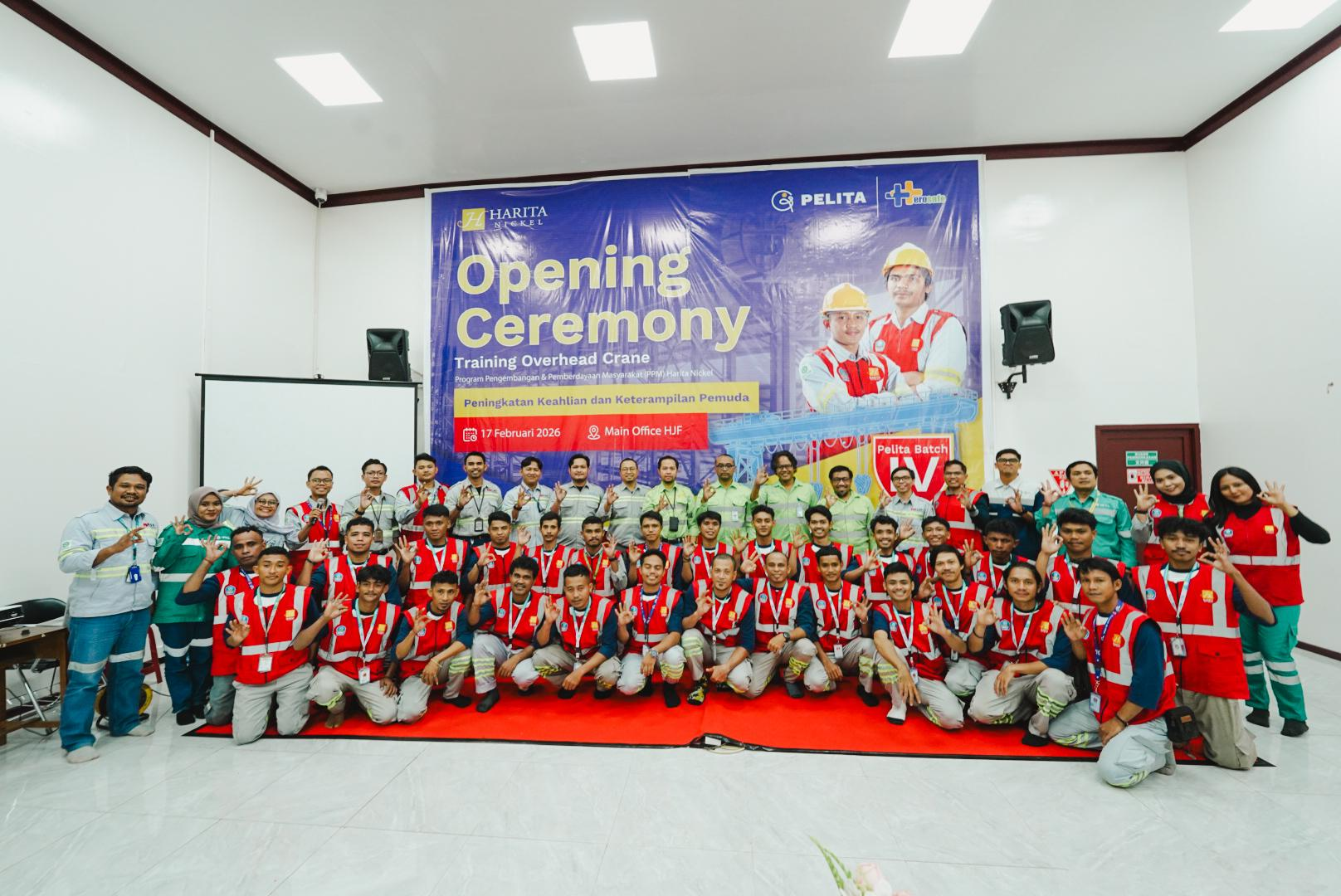
Harita Nickel is committed to improving human resource quality through initiatives in education and healthcare.
In education, programs include incentives for assistant teachers, scholarships, school facility improvements, vocational training, and the Harita Mengajar initiative.
In healthcare, the company provides access to services such as community health posts (posyandu), basic healthcare facilities, healthy lifestyle campaigns, referral transportation services, and the development of Integrated Community Health Centers (PUSTU).
-
Youth Forum and Education
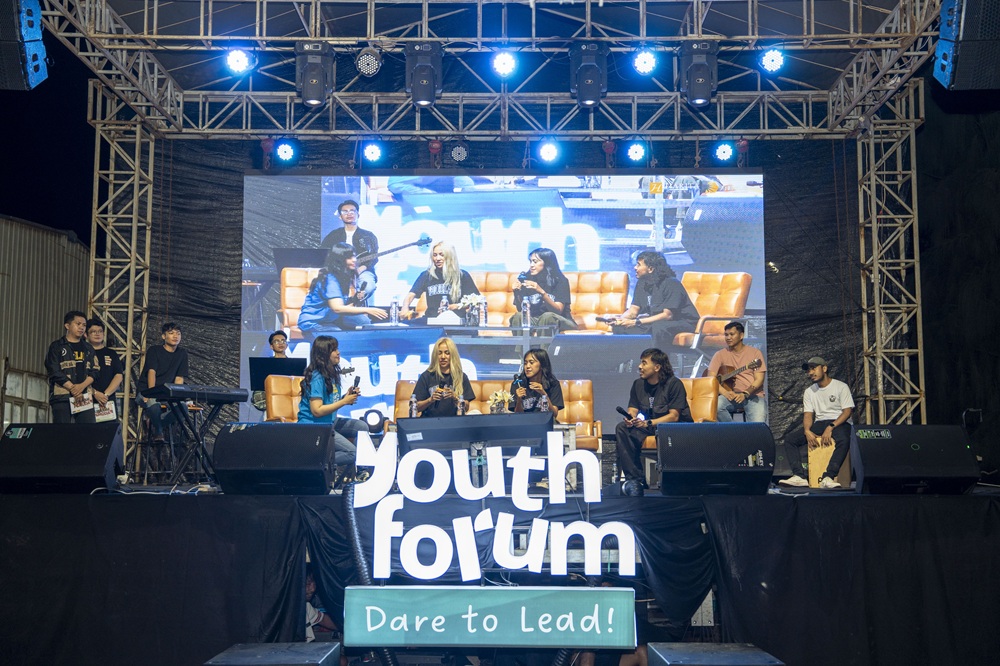
Harita Nickel promotes awareness of responsible mining practices and the integration of Sustainable Development Goals (SDGs) among young people through programs such as the Harita Youth Forum.
-
Human Rights Compliance
To uphold human rights principles, Harita Nickel conducts human rights due diligence in collaboration with the Foundation for International Human Rights Reporting Standards (FIHRRST) since September 2023.
3. Governance Initiatives
Harita Nickel also strengthens governance practices through global standards and transparent operations:
-
International ESG Audit
The company is undergoing a voluntary audit by the Initiative for Responsible Mining Assurance (IRMA), one of the world’s most comprehensive mining standards, to ensure sustainable business practices.
-
Corporate Sustainability Assessment (CSA)
Harita has achieved strong ESG scores through assessments conducted by S&P Global, demonstrating its commitment to the three ESG pillars.
-
RMAP Audit and Certification
In addition to IRMA, Harita participates in the Responsible Minerals Assurance Process (RMAP) to ensure its mining materials comply with global sustainability standards.
ESG principles are not merely a trend but a fundamental foundation for building a sustainable and responsible nickel mining industry. By implementing ESG principles, Harita Nickel ensures that its initiatives are evaluated according to industry standards, forming the basis for continuous improvement.