.jpg&w=3840&q=75)
Recently, we’ve seen increasing public conversations about mining practices—many of them fueled by genuine concern for the environment, communities, and the future of our planet. At Harita Nickel, we welcome these conversations. They remind us that what we do matters deeply to many people and that responsible mining must always be built on dialogue, evidence, and continuous improvement.
We understand that some organizations and individuals have raised questions about how nickel is produced on Obi Island. These concerns are not something we shy away from. On the contrary, we view them as opportunities—to listen, to clarify, and to keep improving the way we operate.
A Commitment Rooted in Responsibility
Our journey begins with a simple belief: mining, when done responsibly, can coexist with environmental stewardship and community well-being. That belief shapes everything we do—from policy to practice.
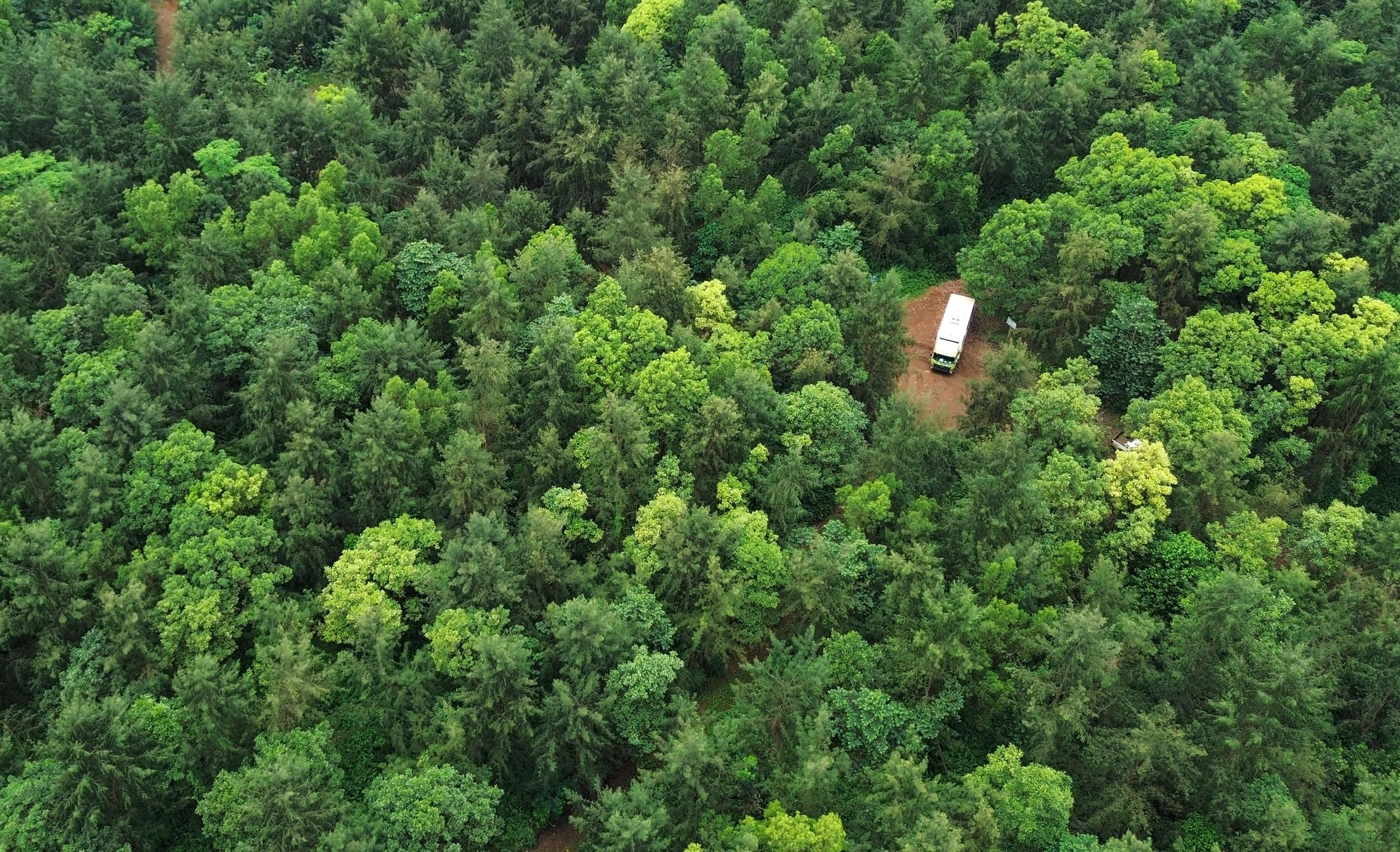
Harita Nickel’s Sustainability Policy requires strict adherence to High Conservation Value (HCV) study recommendations and aims to avoid operations in primary forests wherever technically and geologically feasible. Our long-term goal is to achieve net conservation gain by 2043, ensuring that the ecosystems we depend on are protected for generations to come. As an additional initiative to achieve the net conservation gain target, Harita Nickel established a dedicated conservation team that collaborates with local communities to educate them about, and jointly conduct biodiversity monitoring. As part of this initiative, culturally-significant sago areas have been voluntarily set aside as a conservation area that will not be used for industrial operations. For more information on Sago conservation, please refer to this website article.
To deepen our understanding beyond regulatory requirements, we developed a Landscape-based Nature Risk Assessment (LNRA)—a science-based tool that evaluates environmental sensitivity across Obi Island. The findings are encouraging: from 2009 to 2023, Harita Nickel’s mining operations affected approximately 400 hectares of natural forest, equivalent to around 0.15% of Obi Island’s total area. In comparison, all of our mining activities across the island collectively account for about 1.4% of its total area. This underscores our commitment to minimizing ecological disturbance while pursuing responsible development.
People at the Heart of Progress
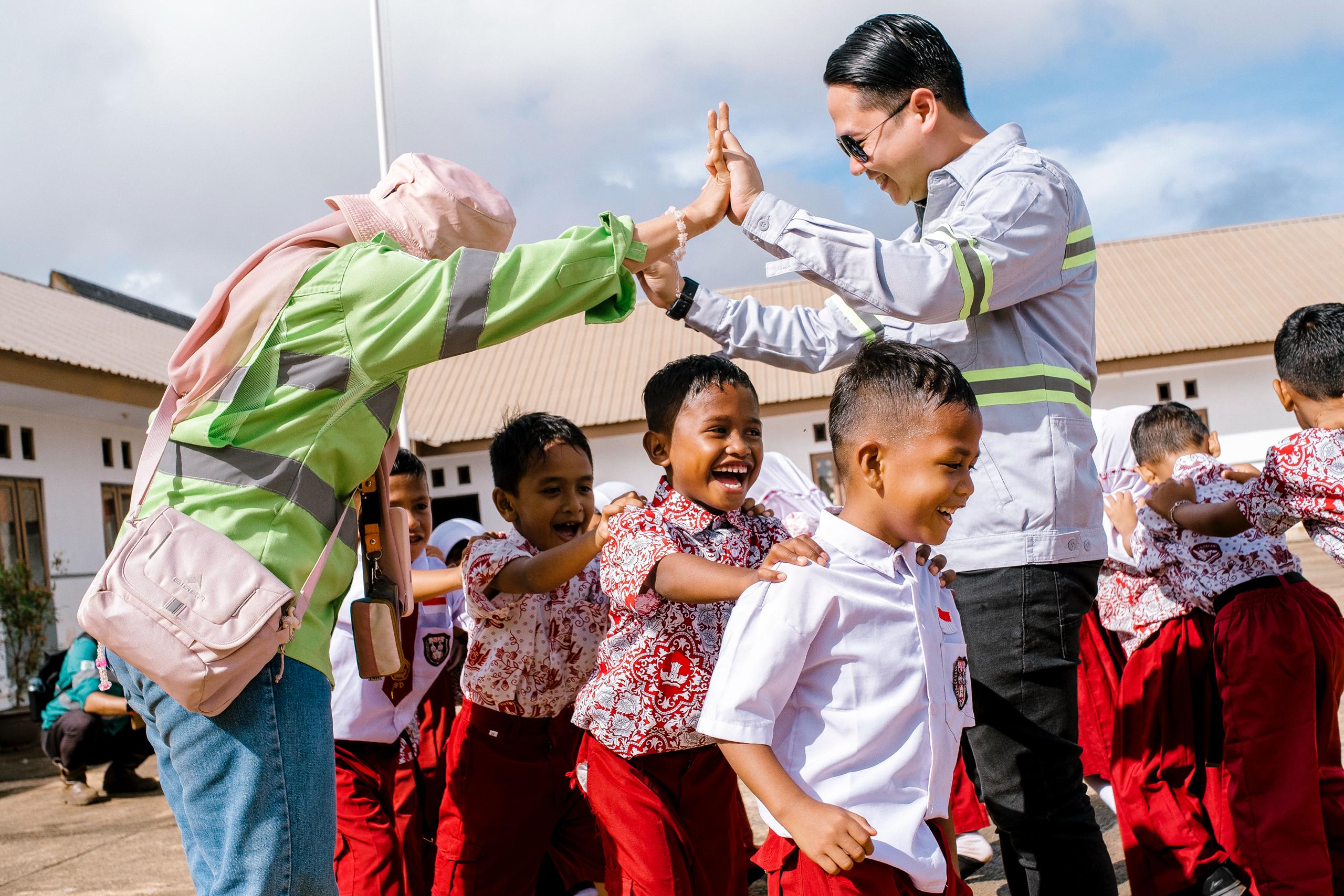
We understand that sustainability is not only about nature—it’s about people. Across our operations, we actively engage with local communities through Free, Prior, and Informed Consent (FPIC) and ongoing dialogues with local governments and civil society.
Our Community Development and Empowerment Programs span education, healthcare, livelihood support, cultural preservation, and infrastructure improvement. These initiatives are designed not as one-off gestures but as long-term partnerships that strengthen the social fabric of the region.
To mitigate the risk of flooding during high rainfall seasons on parts of Obi Island, we collaborated with local authorities to improve drainage capacity and develop additional settling ponds.
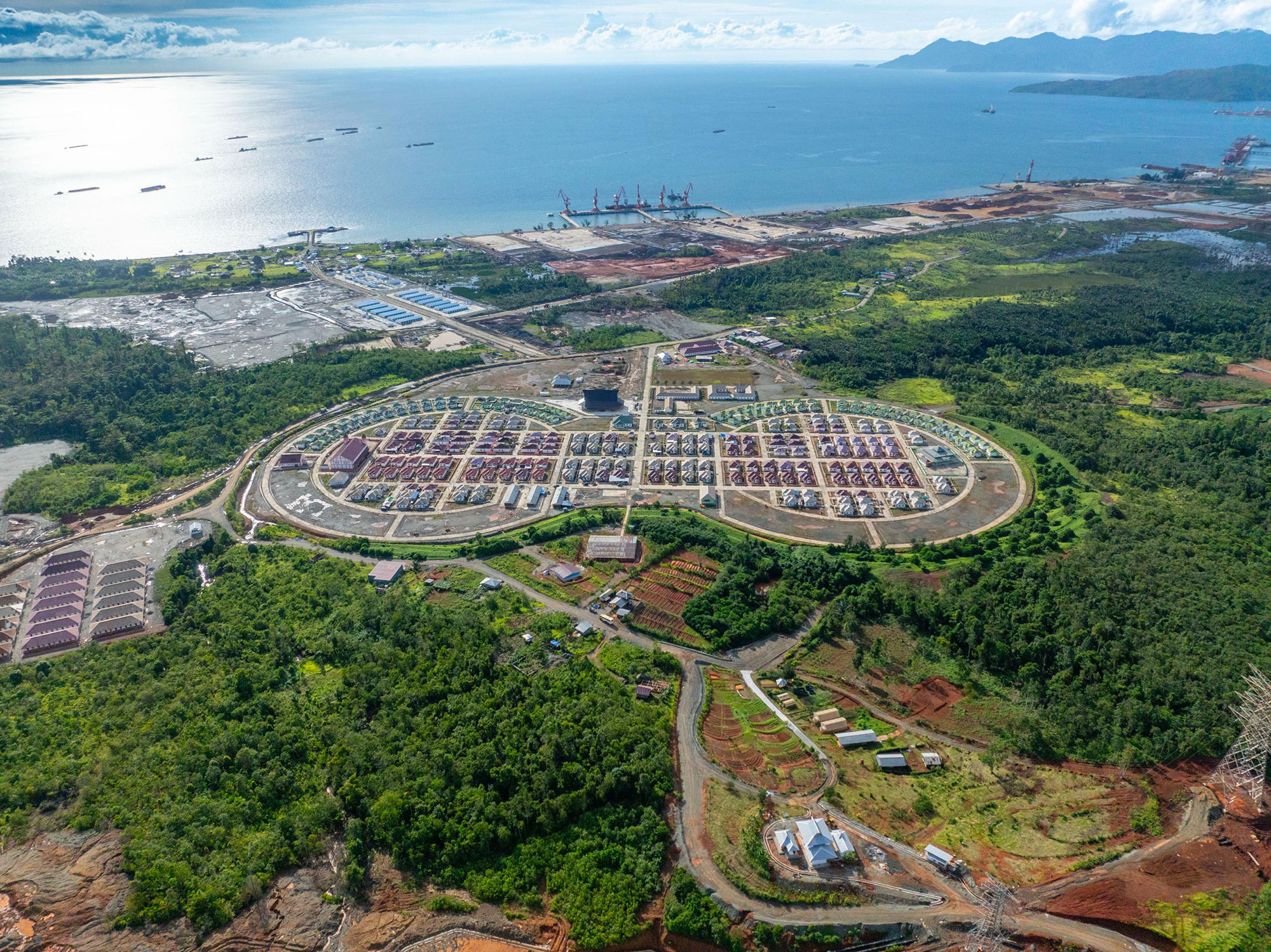
All land on Obi Island is government-owned, including the land for the new village. For the relocation, Harita Nickel has voluntarily provided government-owned land allocated to the company for industrial use. Additionally, the company provides public services like free electricity, water supply, and social and religious infrastructures such as two schools, a dedicated jetty connected to the village by direct road access, a mosque, a church, a community hall, and a commercial area. Construction of these infrastructures has been completed.
Caring for Water, Air, and the Environment
We understand that water is life, and protecting it is a duty we take seriously. Our operations on Obi Island are continuously monitored for air and water quality, in line with Indonesian regulations and international best practices. Independent assessments, including those conducted by the Bandung Institute of Technology (ITB) and Tempo, have reviewed water management practices to ensure transparency.
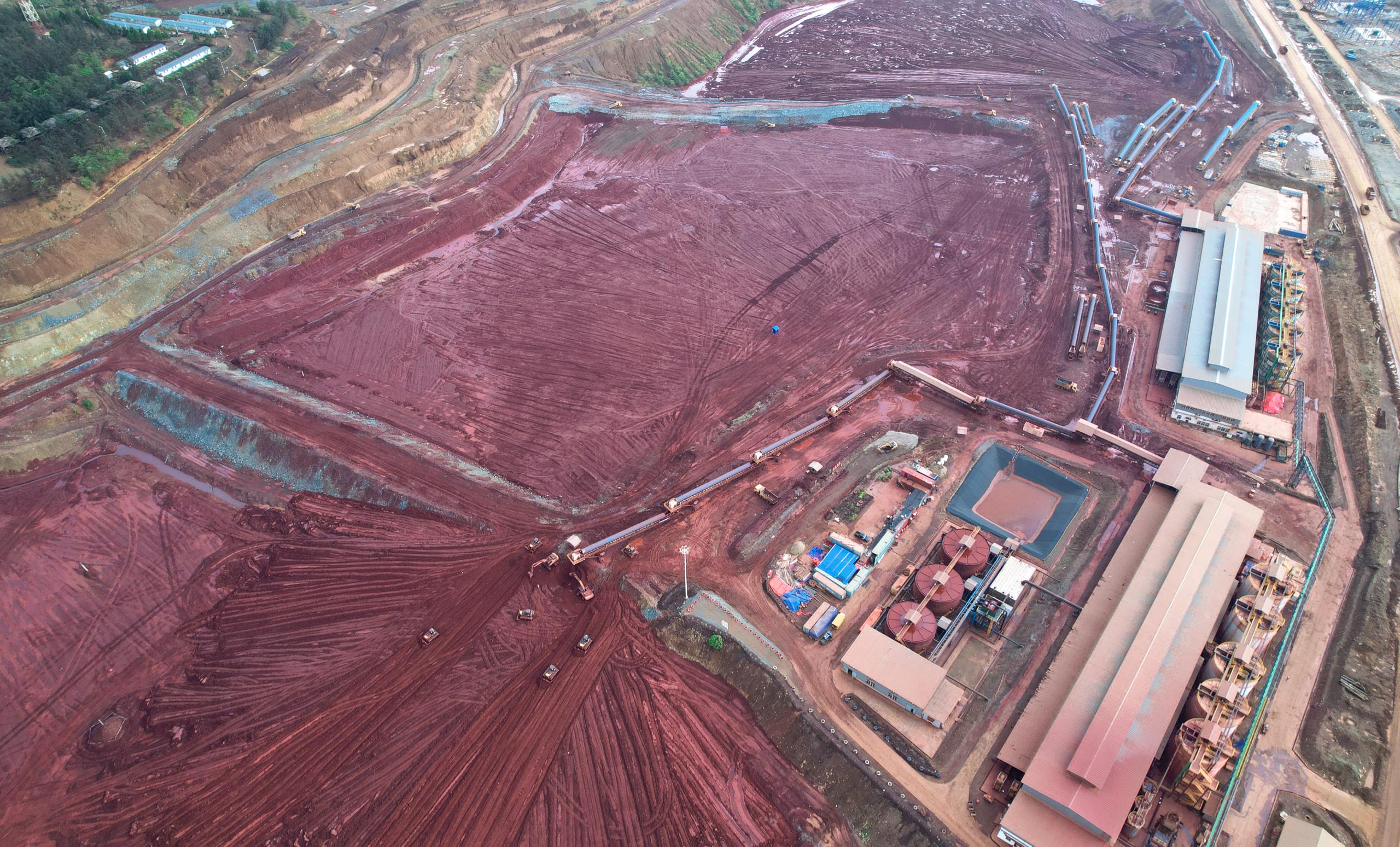
Our water management system includes 52 settling ponds with a combined area of about 80 hectares, designed to capture and treat sediment before the water is released back into the environment—ensuring that it consistently meets applicable quality standards.
We also utilize Dry Stack Tailings Facility (DSTF), which eliminate the need for traditional tailings dams and greatly reduce environmental risk. Every facility is engineered, inspected, and maintained with strict safety and environmental protocols.
Reducing Emissions, Optimizing Impact
Nickel processing demands energy—and on a remote island like Obi, ensuring a reliable supply is challenging. That’s why we’re implementing a comprehensive decarbonization roadmap developed with USAID SINAR and Climate Smart Ventures.
We’ve already invested more than IDR 796 billion in sustainability-focused energy initiatives, avoiding around 1.6 million tons of CO₂ emissions to date. Our goal is to cut absolute greenhouse gas emissions by 30% by 2030—measured against our 2022 baseline and operational scale—and to achieve net-zero emissions by 2060. This target currently applies to facilities operating as of 2022, with newer facilities to be progressively integrated into future decarbonization updates.
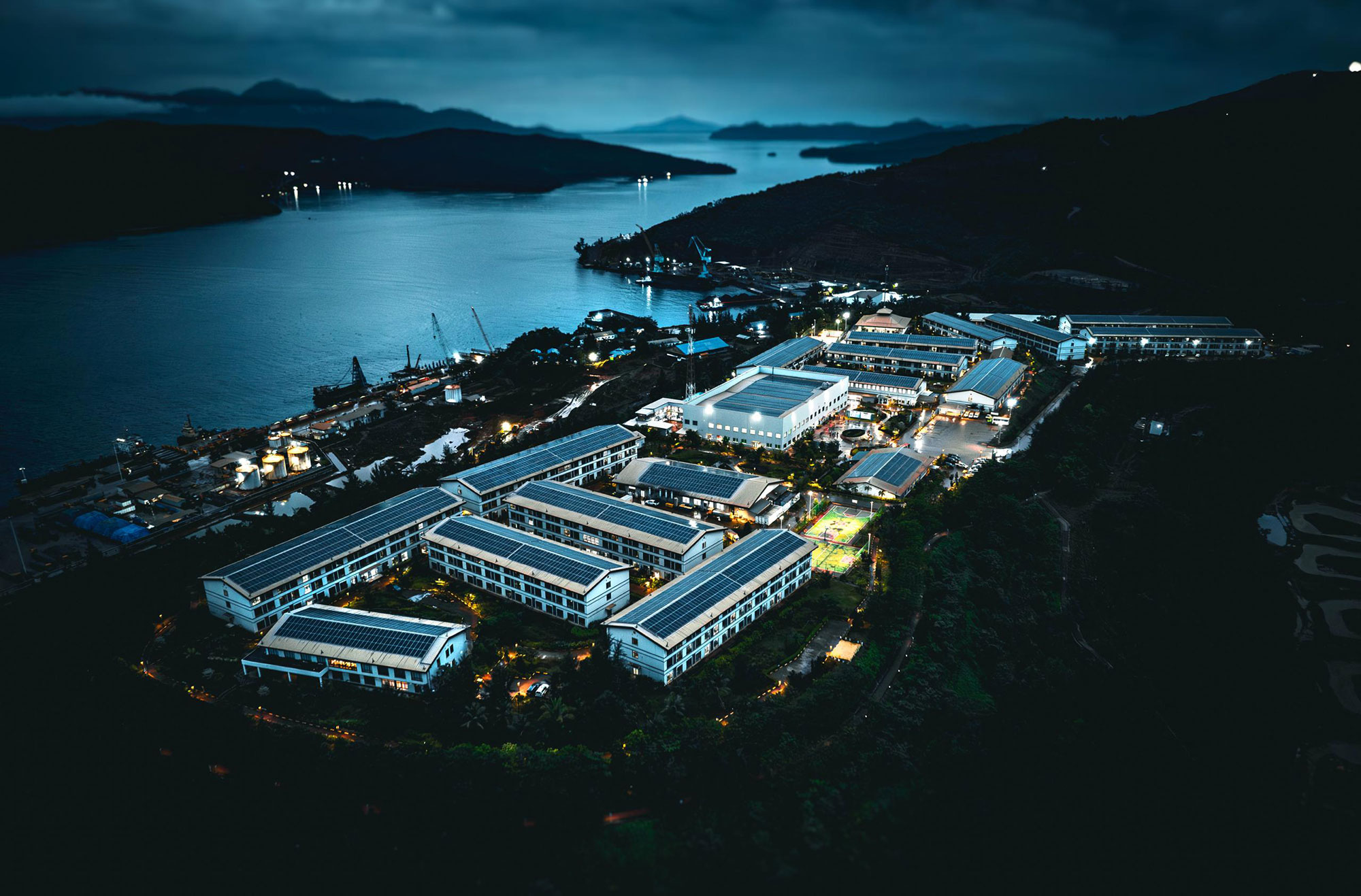
In 2025, we completed the construction of a solar power plant in our industrial area, bringing cleaner energy to our operations. Beyond renewables, we’re also improving efficiency through waste heat recovery, coal gas utilization, and biofuel integration—all part of a steady, practical transition toward a greener future.
Independent Verification: Our IRMA Journey
True accountability requires independent evaluation. That’s why Harita Nickel is undergoing a third-party audit by the Initiative for Responsible Mining Assurance (IRMA)—first in Indonesia to undergo the world’s most comprehensive standard for responsible mining.
The audit, conducted by SCS Global Services, assesses more than 400 criteria covering environmental protection, human rights, worker safety, and community engagement. The process began in late 2024 with a document review and continued with a full on-site audit in April 2025. We are currently reviewing the draft report from the independent auditor and preparing follow-up actions in line with the IRMA process. Once the process is complete, we will share updates on our progress and continued improvements toward full alignment with international best practices.
This is more than a compliance exercise—it’s a declaration of our intent to keep learning, improving, and holding ourselves to the world’s highest standards.
Respect for Human Rights and Security Conduct
We maintain a zero-tolerance policy for any form of harassment, intimidation, or coercion. All company and security personnel are trained in the Voluntary Principles on Security and Human Rights, ensuring that protection never comes at the expense of dignity.
Our grievance and whistleblowing systems are open to all—employees, partners, and communities—so that concerns can be raised safely and addressed transparently. We commit to investigate any verified report thoroughly and act with fairness and accountability while protecting the whistleblower’s confidentiality and enforcing a non-retaliation policy.
Always Evolving, Always Listening
Sustainability is not a finish line—it’s a lifelong journey of learning, humility, and collaboration. We recognize that there are still challenges to address and that external voices—whether from NGOs, academia, or the media—play an important role in keeping the industry accountable.
At Harita Nickel, we don’t see these voices as adversaries but as partners in progress. We believe that transparency, data, and genuine collaboration are the way forward for Indonesia’s mining future.
We invite all stakeholders—local communities, civil society, governments, and our peers—to join us in building a model of mining that truly serves people and planet alike.
Because for us, responsible mining isn’t just about extracting minerals from the ground—it’s about extracting the best in us as human beings: integrity, compassion, and the courage to keep improving.