In response to a number of publications and inquiries from the media, local communities, and civil society organizations regarding environmental and social conditions in Kawasi Village, Obi Island, Harita Nickel would like to provide clarification on several issues that have recently been raised. This is part of our commitment to transparency and the ongoing Initiative for Responsible Mining Assurance (IRMA) certification process.
Water Management and Climate Conditions on Obi Island
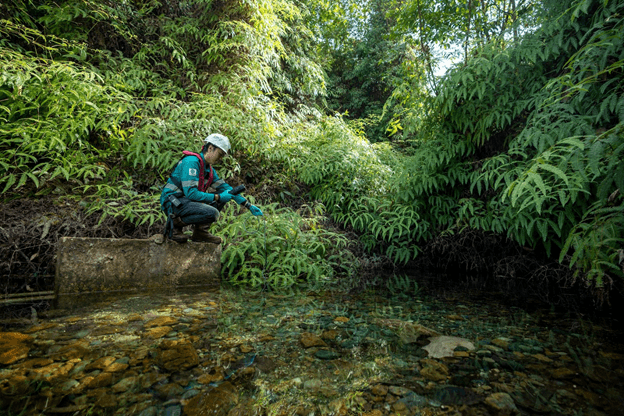
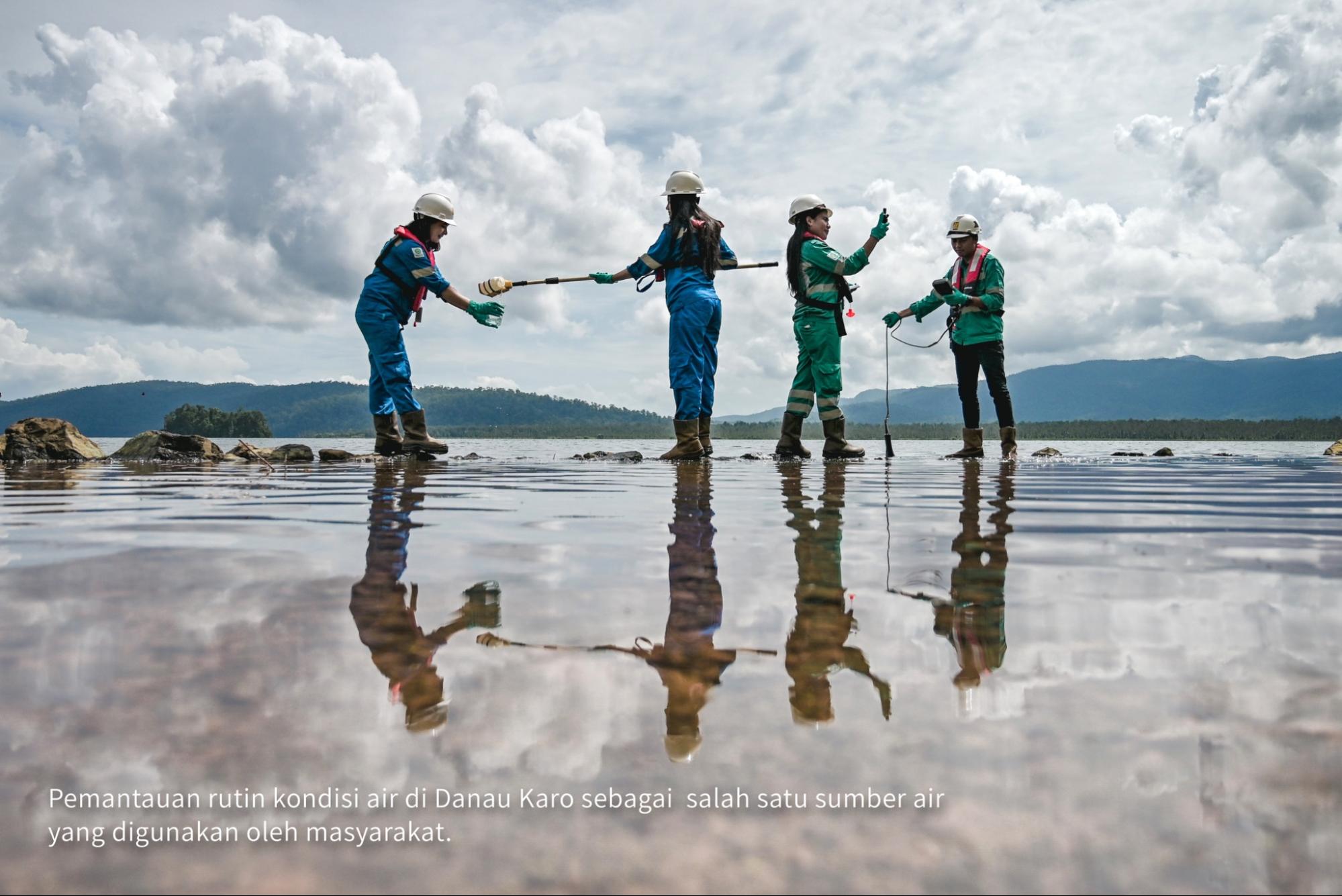
Regarding water quality within Harita Nickel's operational area, we implement water management practices in accordance with Indonesian government regulations. Water quality is continuously monitored through the SPARING (Continuous and Online Wastewater Monitoring System) managed by the Ministry of Environment. Data from the monitoring equipment is transmitted directly to the government's central database, allowing it to be audited at any time. Harita Nickel also conducts regular water quality testing through independent accredited laboratories. In addition, we continue to welcome academics and other independent parties to conduct relevant observations and studies.
As part of our efforts to strengthen access to clean water for local communities, Harita Nickel is constructing a Reverse Osmosis (RO) water treatment facility in Kawasi with a capacity of approximately 40 cubic meters per day. The facility incorporates advanced filtration and ozonation systems to ensure microbiological and chemical water safety and is targeted to commence full operations in the second half of 2026.
Harita Nickel also recognizes the increasing impacts of climate change experienced in recent years. Rainfall monitoring conducted through five weather stations established by the company indicates that rainfall has exceeded 100 millimeters per day during certain periods, which falls into the category of very heavy rainfall. At one monitoring point, rainfall reached 182 millimeters per day, meeting the criteria for extreme rainfall and contributing to flooding in mid-2023.
During the recent period of extreme rainfall that affected many areas across North Maluku, Harita Nickel coordinated with local government authorities while providing food assistance, clean water, and healthcare services to affected communities in several villages, including Kawasi. The company has also implemented mitigation measures, including the construction of flood embankments, additional sedimentation ponds, and the widening of the Todoku waterway from its original width of 5–7 meters to approximately 17–20 meters to improve water flow capacity.
Beyond sedimentation ponds, tailings management is an essential component of responsible mining. In our High Pressure Acid Leach (HPAL) process, Harita Nickel applies a patented methodology developed by our technical partner to reduce the formation of hexavalent chromium (chromium-6).
In managing Processing Residues, the Company adopts circular economy principles by placing resource efficiency and environmental protection as integrated priorities. This approach reflects our commitment to transitioning from a traditional linear economy model (take-make-dispose) toward a more sustainable system by reducing waste generation, maximizing resource recovery, and minimizing environmental impacts.
Across our operations, processing residues generated from both RKEF smelters and HPAL refineries are managed responsibly through land-based placement, with no marine disposal. The utilization of former mine pits as engineered placement facilities provides a solution that is both environmentally responsible and supports sustainable land management.
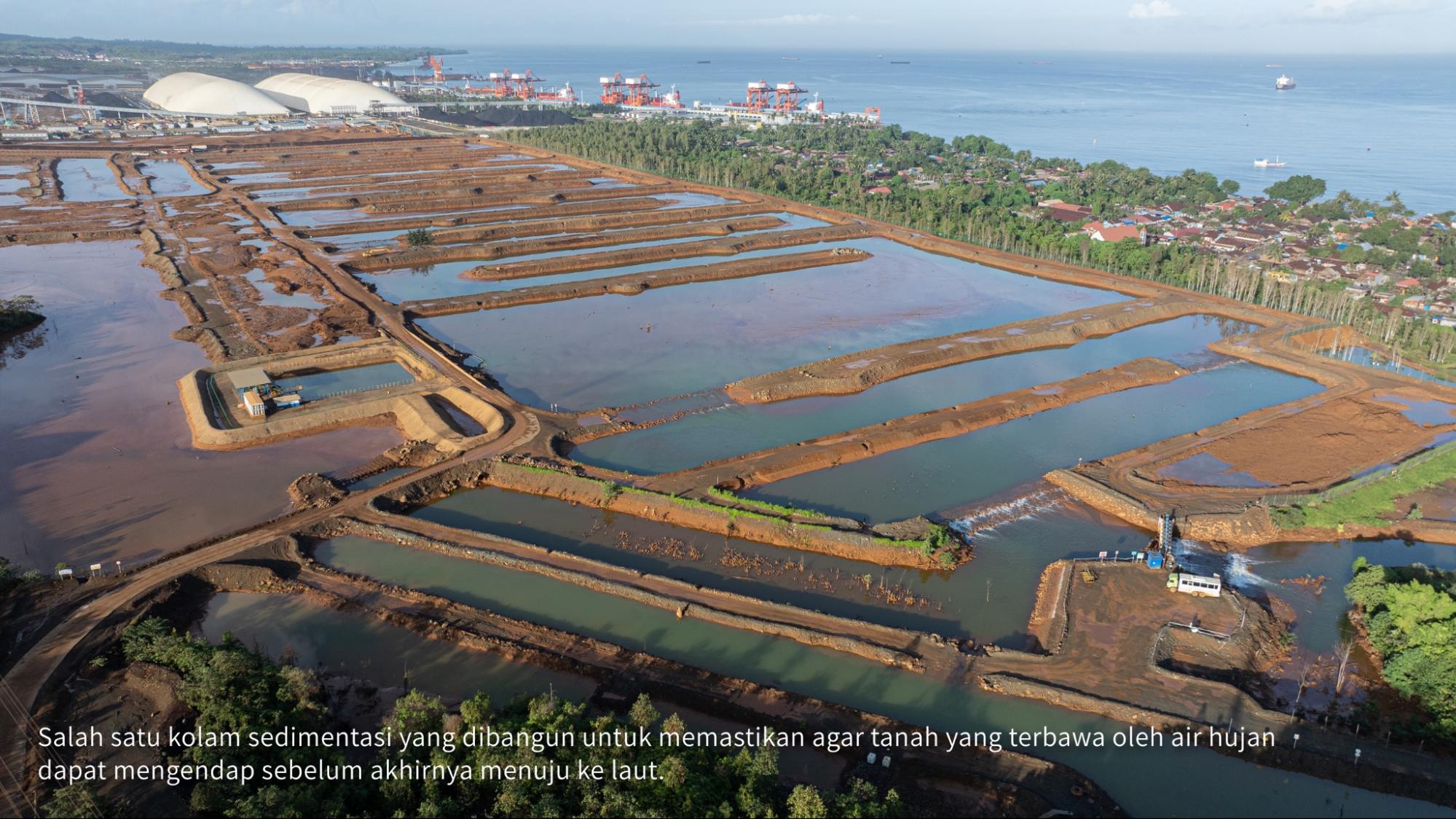
It is important to emphasize that no drainage channels, sedimentation ponds, or discharge systems intersect with natural drinking water sources. This separation principle reflects our commitment to ensuring that mining infrastructure never compromises community water resources.
Community Conditions on Obi Island
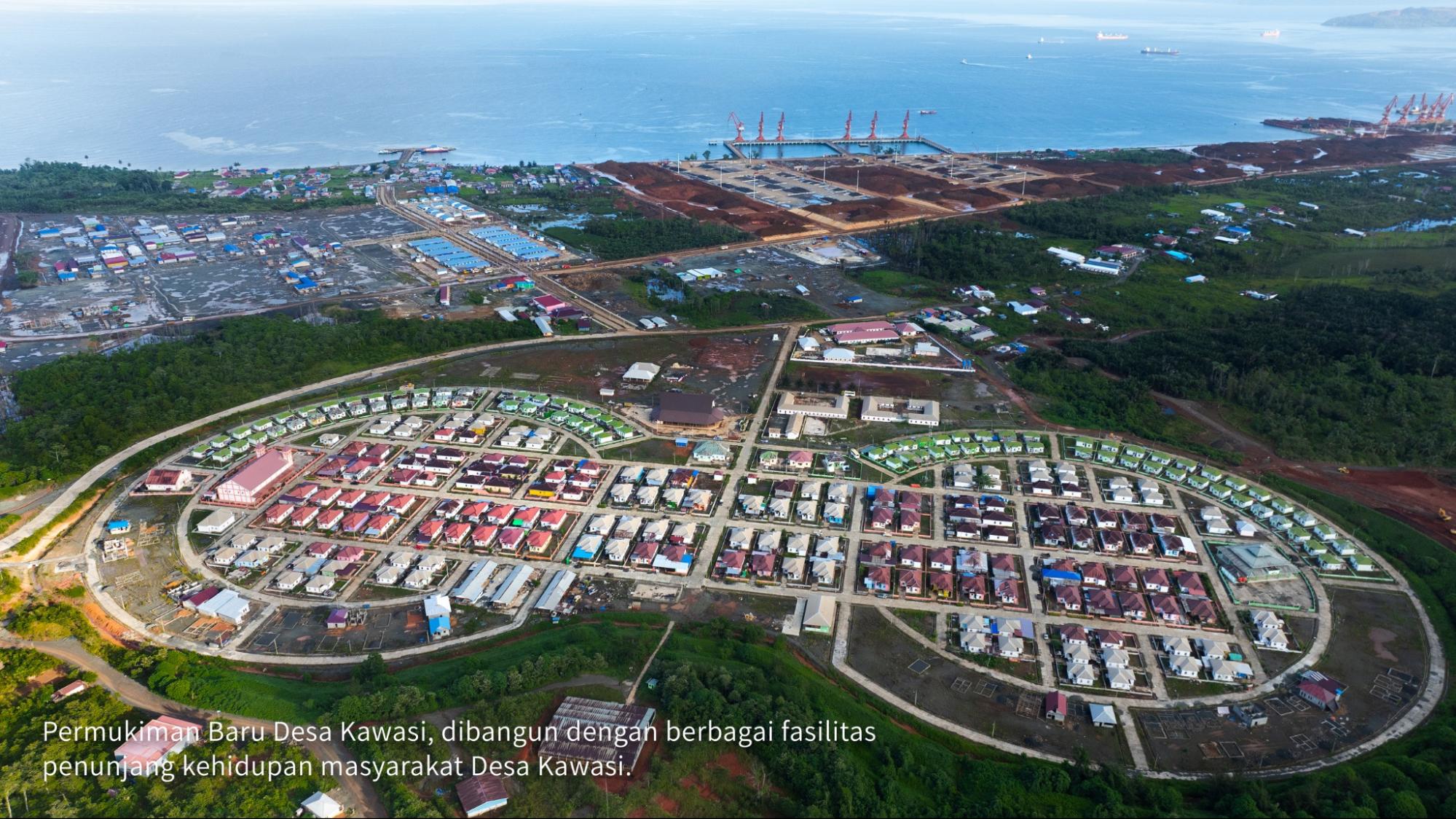
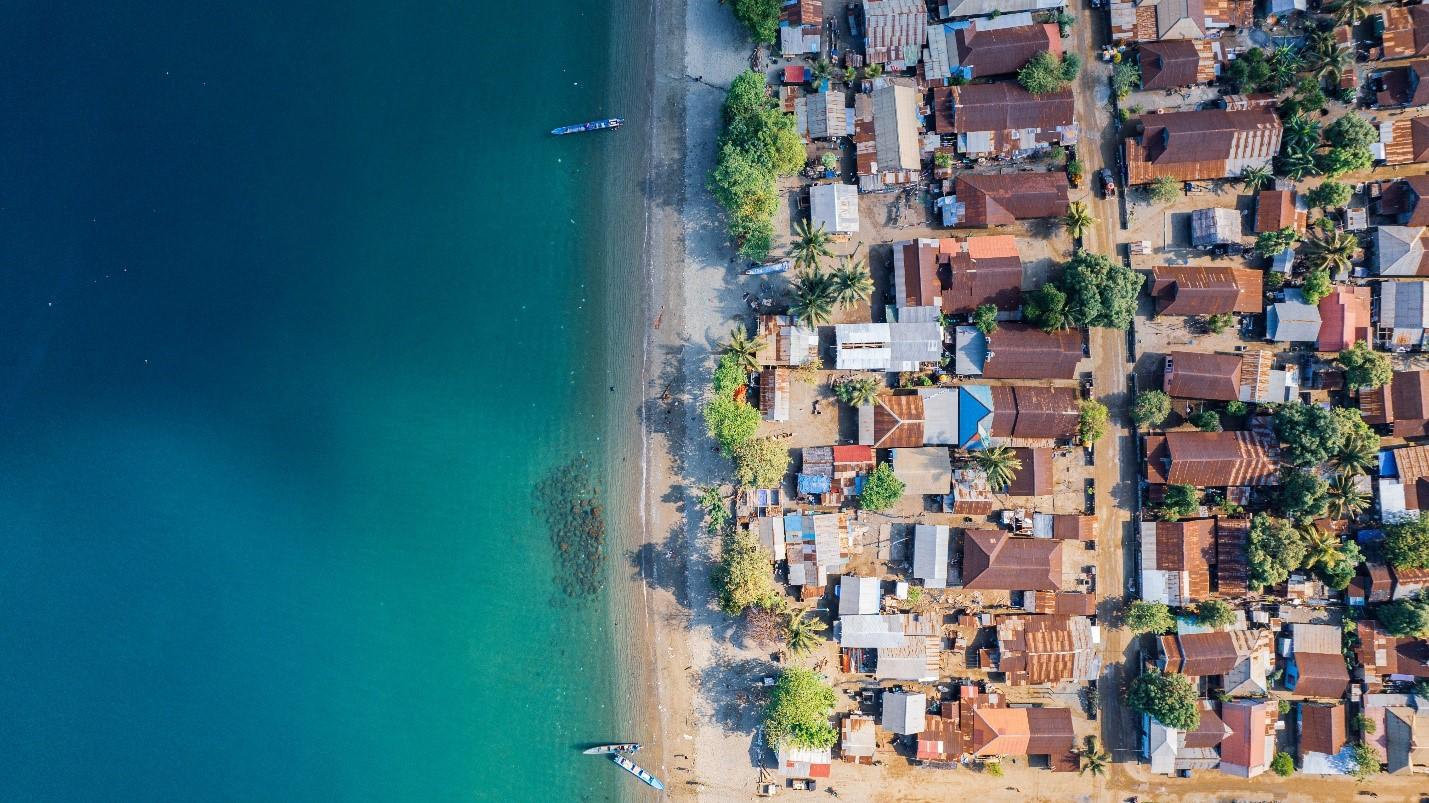
Harita Nickel continues to support the relocation program to the new Kawasi settlement, an initiative introduced by the South Halmahera Regency Government. Throughout the development process, the Company has involved qualified independent experts to provide monitoring, evaluation, and technical recommendations.
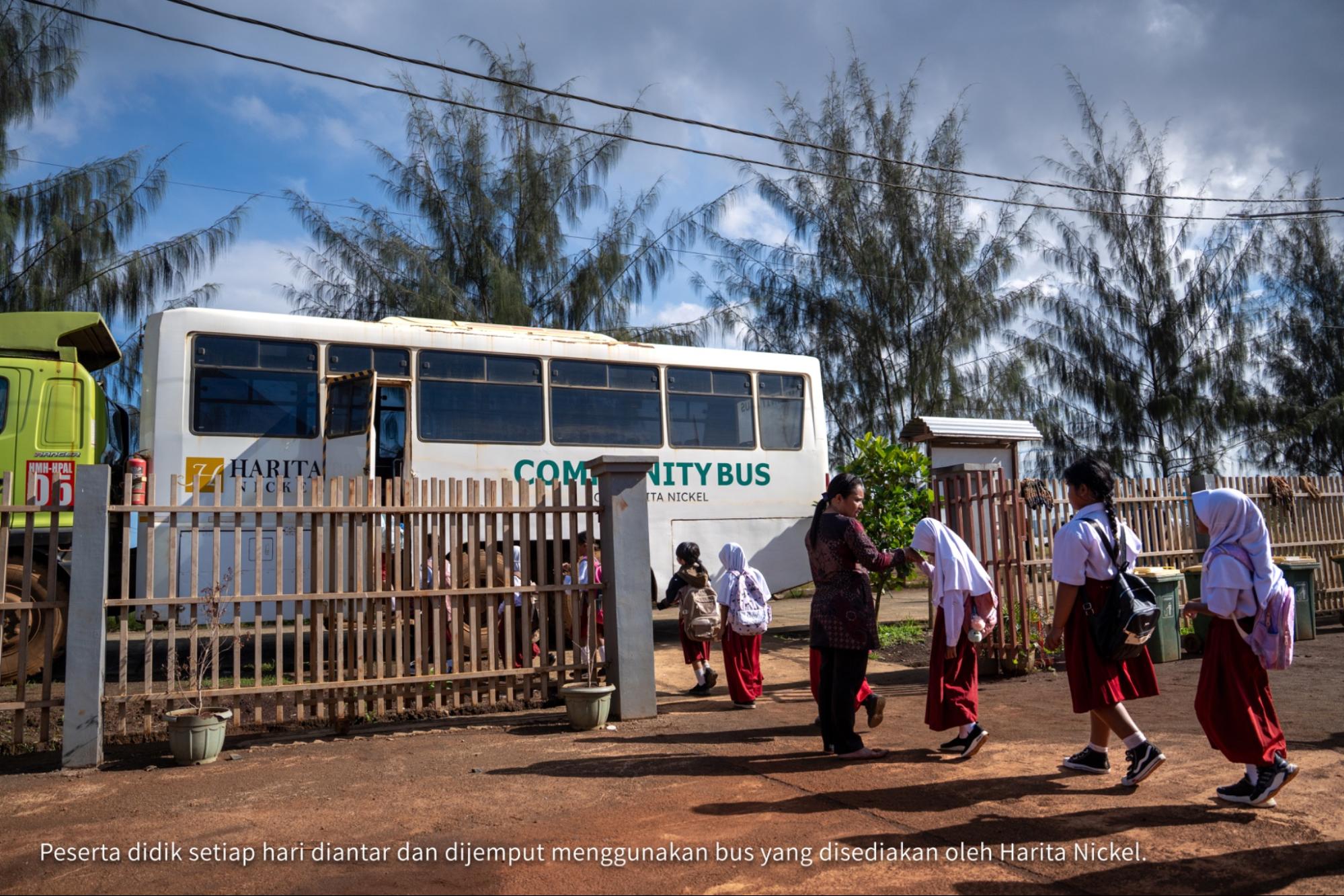
Beyond residential housing, the new settlement is equipped with educational facilities, healthcare services, places of worship, a multi-purpose hall, a football field, and commercial areas integrated within one community, making daily mobility more convenient. Roads that were previously unpaved have been upgraded with concrete pavement, reducing flooding during the rainy season and dust during the dry season. Residents also enjoy 24-hour electricity and clean water services. From an environmental perspective, the settlement includes an Integrated Waste Management Facility (TPST) that processes household waste into organic fertilizer to support local agriculture.
Harita Nickel also continues to support residents who remain in the original Kawasi settlement by maintaining electricity supply on Obi Island, where public electricity services from the state utility (PLN) are not yet fully available. Recently, the Company added one 250 kVA generator and another 200 kVA generator as a preventive measure to ensure reliable electricity for the community.
Residents of the new Kawasi settlement have also recently received legal certainty over land ownership. The South Halmahera Regency Government officially handed over land ownership certificates to residents through the Regency Housing and Settlement Agency.
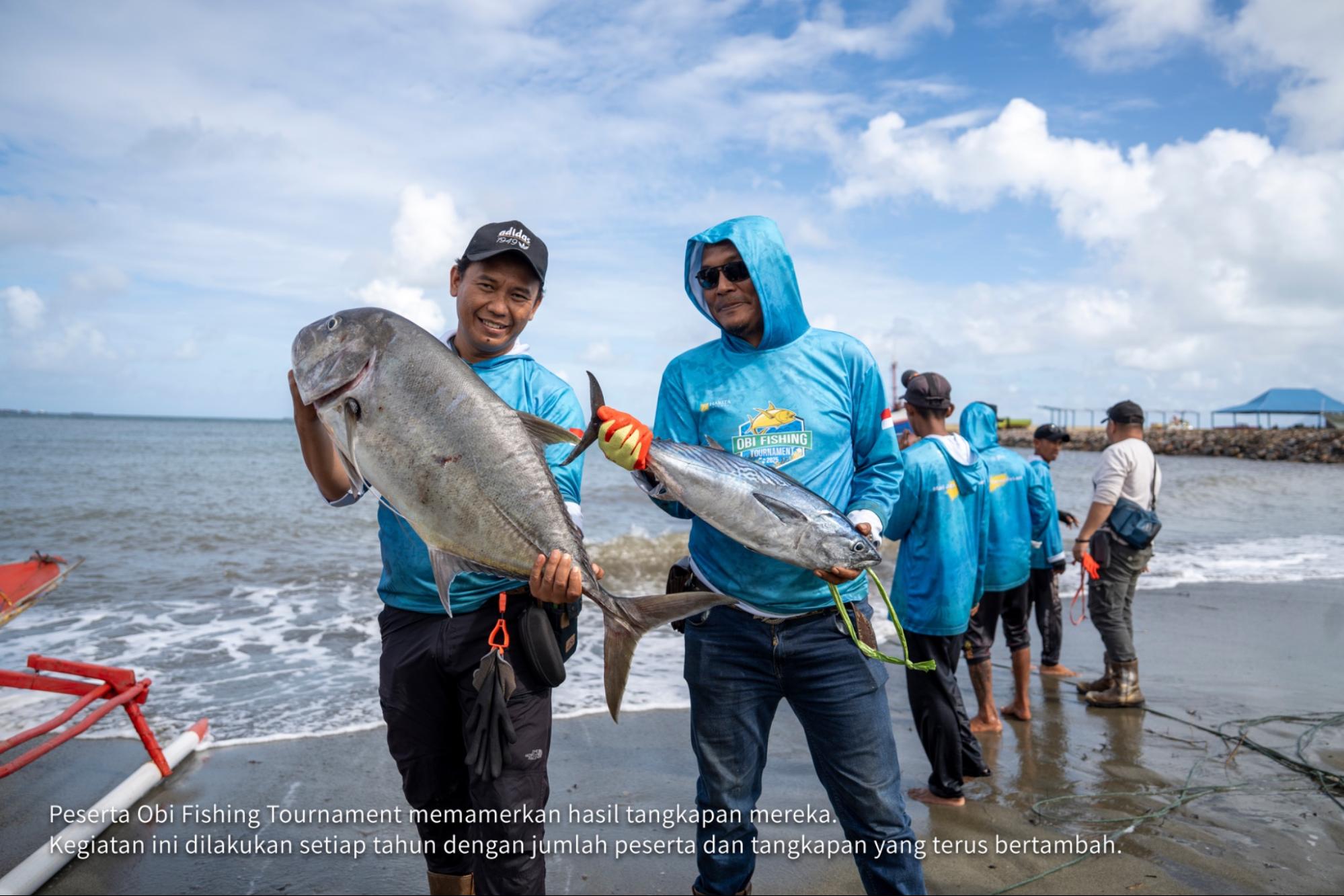
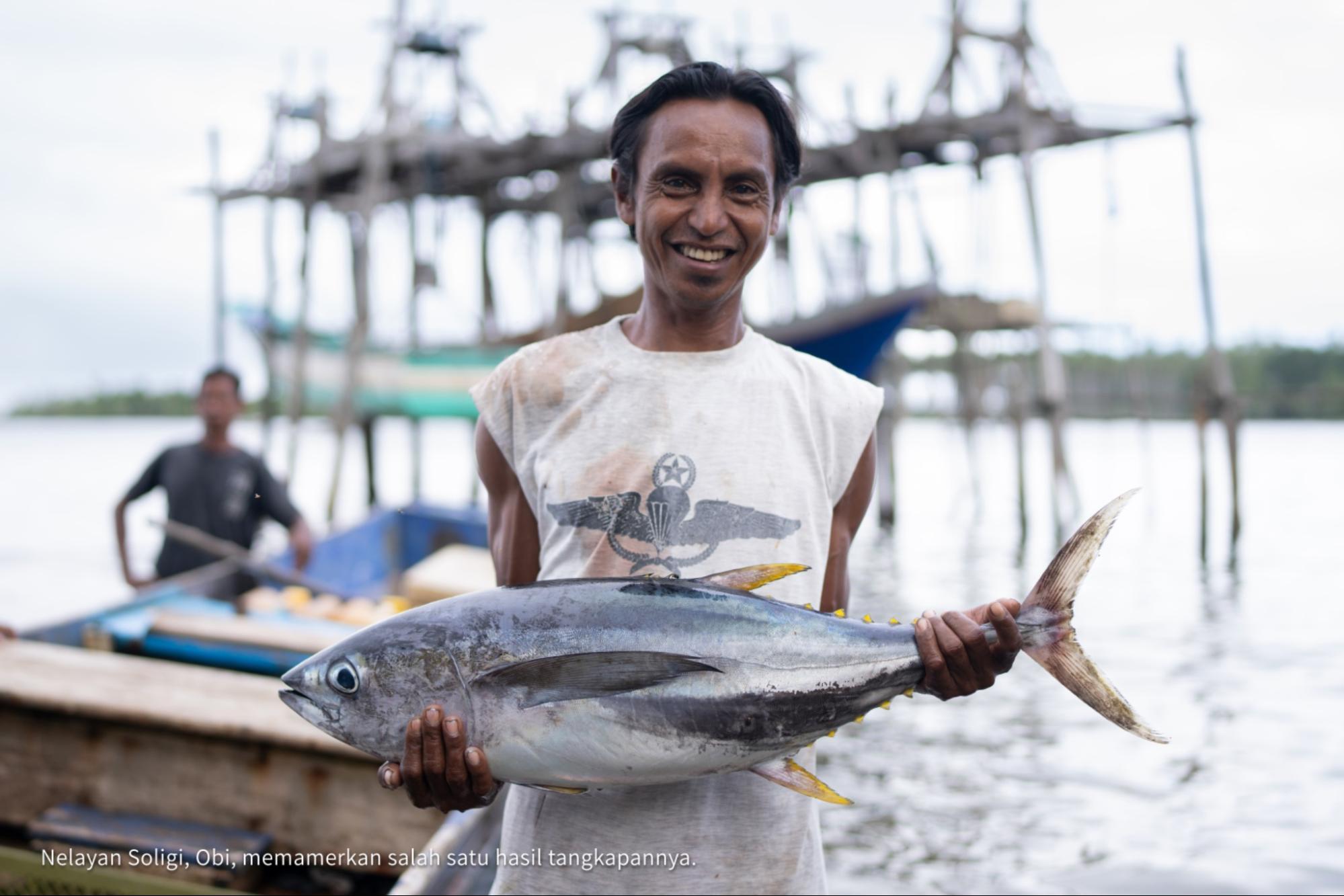
Beyond housing, Harita Nickel recognizes the importance of preserving Obi's marine ecosystem, which supports the livelihoods of local fishermen, and continues to provide opportunities for dialogue to better understand community concerns.
Each year, Harita Nickel supports the Obi Fishing Tournament in the waters of Kawasi Village as a platform for community engagement and collaboration among local communities and government institutions. During the 2025 tournament, fish catches were reported to be more abundant than in previous years.
To further support fishermen in Kawasi Village, Harita Nickel constructed coastal breakwater infrastructure between 2022 and 2023, with additional improvements completed in 2026. The structure helps reduce coastal erosion, manage sedimentation at the river mouth, and improve safe access for fishing boats entering and leaving the shoreline.
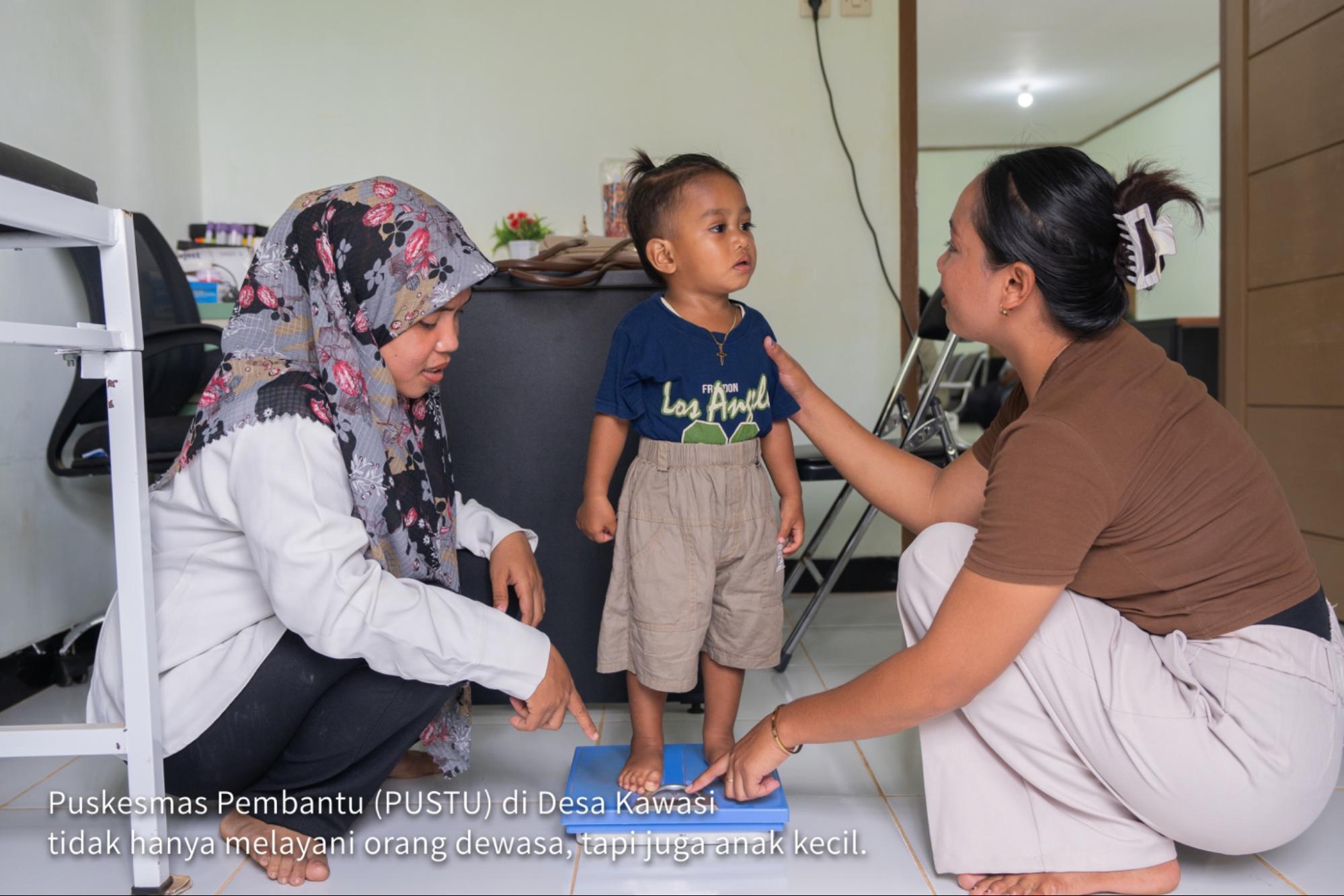
Over the past several years, the Company has also conducted a Health Impact Assessment (HIA) along with various follow-up initiatives involving multiple stakeholders. Findings from this assessment identified access to primary healthcare services as one of the community's highest priorities.
In response, the South Halmahera Regency Government, in collaboration with Harita Nickel, has established a Community Health Sub-Center (Pustu) in Kawasi Village, Obi Island. This facility complements the existing Village Maternity Posts (Polindes) already operating in surrounding villages, including Old Kawasi, Soligi, Ocimalolaeo, and Gambaru, helping ensure that healthcare services and essential medicines remain accessible to all members of the community.
IRMA Certification Process
The latest information regarding Harita Nickel's IRMA certification process is available on the official IRMA website, which was updated on 28 July 2026.
Harita Nickel remains committed to maintaining constructive dialogue with all stakeholders including the media, civil society organizations, and the residents of Kawasi Village and will continue to provide updates as the verification and audit process progresses.
Openness to Media and Research Visits
As a tangible demonstration of our commitment to transparency, Harita Nickel consistently provides access for journalists and academic institutions to visit our operational areas.
From 2024 through July 2026, the Company has welcomed more than 100 site visits involving international, national, and local media, as well as universities, students, researchers, non-profit organizations, and research institutions conducting reporting, field observations, and independent studies on Obi Island.
We continue to welcome official visit requests from members of the media and research institutions as part of our commitment to maintaining a transparent verification process that is open and accessible to the public.