
Obi Island in South Halmahera, North Maluku, is known for more than its abundant nickel resources. Its surrounding coastal and marine areas are home to diverse forms of marine life, ranging from coral reefs to various species of reef fish.
Marine biodiversity plays an important role in maintaining ecosystem balance. The greater the variety of organisms within an ecosystem, the more ecological interactions take place among them.
For coastal regions such as Obi Island, marine ecosystems are also closely connected to local communities. The sea serves as a source of livelihood, a place for daily activities, and an integral part of the environment in which people live. Therefore, maintaining healthy marine ecosystems is also part of ensuring environmental sustainability on Obi Island.
Exploring the Marine Biodiversity of Obi Island
The waters surrounding Obi Island are part of a coastal ecosystem that supports a wide variety of marine life. Coral reefs, reef fish, mangroves, and other marine organisms are interconnected within this ecosystem.
One of the most recognizable and interesting groups of marine life is reef fish. Different species have distinct shapes, colors, sizes, and characteristics. Their presence is also closely linked to the condition of their natural habitats.
Coral Reefs as Habitats for Marine Life
Coral reefs are more than just a beautiful underwater landscape. These ecosystems provide places for various marine organisms to live, find food, seek shelter, and reproduce.
Healthy coral reef conditions can support the survival of many marine species living in the surrounding waters. Therefore, protecting coral reefs also means maintaining an essential part of the marine ecosystem.
In the waters around Obi Island, coral reef ecosystems are an important part of the region's marine biodiversity that deserves greater recognition and continued protection.
Various Species of Reef Fish in Obi Waters
The waters surrounding Obi Island are home to a wide variety of marine life, contributing to the richness of its underwater ecosystems. From different fish species to other marine organisms, each has its own characteristics and role in maintaining ecosystem balance. Some species are particularly fascinating to discover, including tiger sharks and Napoleon wrasse.
Another important group of marine life in Obi's waters is reef fish. These fish are closely associated with coral reef ecosystems, which serve as their natural habitats.
The diversity of reef fish offers a glimpse into the rich marine life beneath the ocean's surface. Each species has distinct characteristics and plays its own role within the ecosystem.
Getting to know different reef fish species is therefore about more than simply learning their names or identifying their appearance. It can also help deepen our understanding of the richness and condition of Obi Island's marine ecosystems.
Interconnected Coastal Ecosystems
Marine biodiversity does not exist in isolation. Marine ecosystems are interconnected with other coastal ecosystems, including mangrove areas.
Mangroves provide habitats for various organisms while serving important ecological functions in coastal areas. Meanwhile, coral reef ecosystems provide habitats for a wide range of marine life, including reef fish.
The interconnected nature of these ecosystems means that coastal conservation efforts need to take a comprehensive approach rather than focusing on just one species or a single area.
Harita Nickel's Efforts to Protect Obi Island's Marine Biodiversity
Protecting biodiversity requires a continuous effort. A single conservation activity is not enough; ongoing monitoring, environmental management, habitat restoration, and the involvement of various stakeholders are also necessary.
As part of its operations on Obi Island, Harita Nickel carries out various environmental management initiatives covering coastal and marine ecosystems.
1. Marine Ecosystem Monitoring
Monitoring is an important part of environmental management. By regularly assessing ecosystem conditions, changes in the environment can be identified and used as a basis for determining appropriate management measures.
Marine ecosystem monitoring can also help assess the condition of coral reefs and the organisms living within them. This data and information are essential for understanding the dynamics of marine ecosystems around operational areas.
Through this approach, environmental management does not rely solely on occasional observations but takes into account ecosystem conditions over time.
2. Protecting Coral Reef Ecosystems
Coral reefs are among the ecosystems that play an important role in supporting marine life. Since they provide habitats for various organisms, maintaining their condition is also part of protecting marine biodiversity.
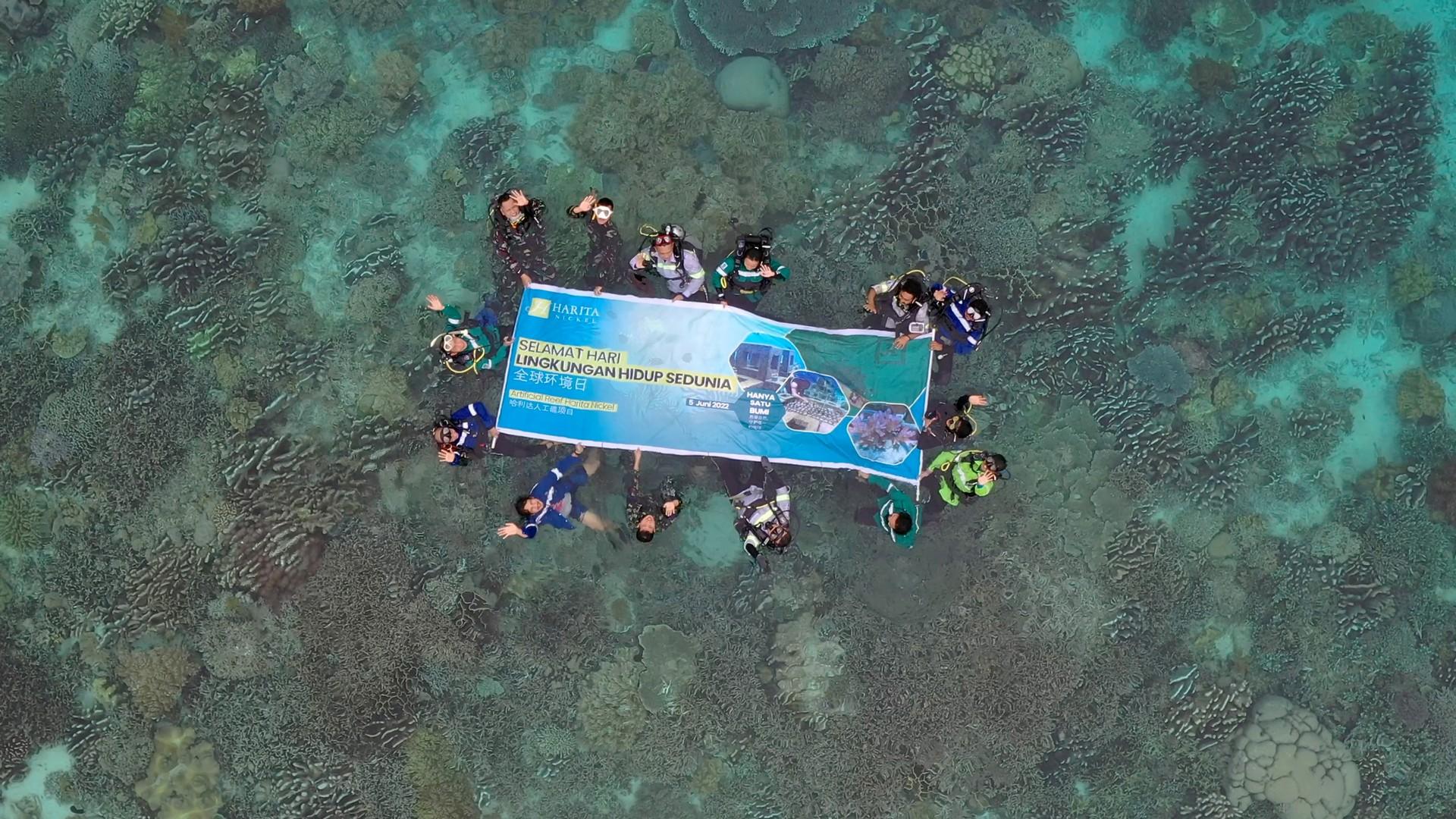
One of Harita Nickel's initiatives involves providing and developing habitats through the use of reef cubes.
Reef cubes are artificial structures placed in marine environments as part of efforts to support habitat development for marine organisms. In the context of conservation, structures like these can contribute to marine ecosystem management and restoration efforts.
These initiatives are complemented by ecosystem monitoring to observe changes in marine environmental conditions and the development of marine life in the area.
3. Paying Attention to Reef Fish Populations
The presence of reef fish is closely linked to the condition of their habitats. When discussing reef fish, it is equally important to consider coral reefs as the ecosystems that support their lives.
Recognizing the presence and diversity of reef fish is therefore part of gaining a more comprehensive understanding of marine ecosystems.
Information about reef fish in the waters around Obi Island has also been documented through the publication of a book titled The Beauty of the Coastal Waters of Western Obi Island – Series I: Reef Fish, A Captivating Mosaic of Marine Life.
4. Protecting Mangrove Ecosystems in Coastal Areas
Efforts to protect coastal biodiversity are also closely connected to the presence of mangrove ecosystems.
Mangroves serve important ecological functions in coastal areas and provide habitats for various organisms. These ecosystems are also interconnected with the surrounding marine environment.
For this reason, mangrove conservation and rehabilitation are another important part of efforts to maintain coastal environments around Obi Island.
Harita Nickel also carries out mangrove conservation activities in several areas, including planting and maintaining mangrove habitats in collaboration with local communities and relevant stakeholders.
5. Involving Local Communities in Conservation
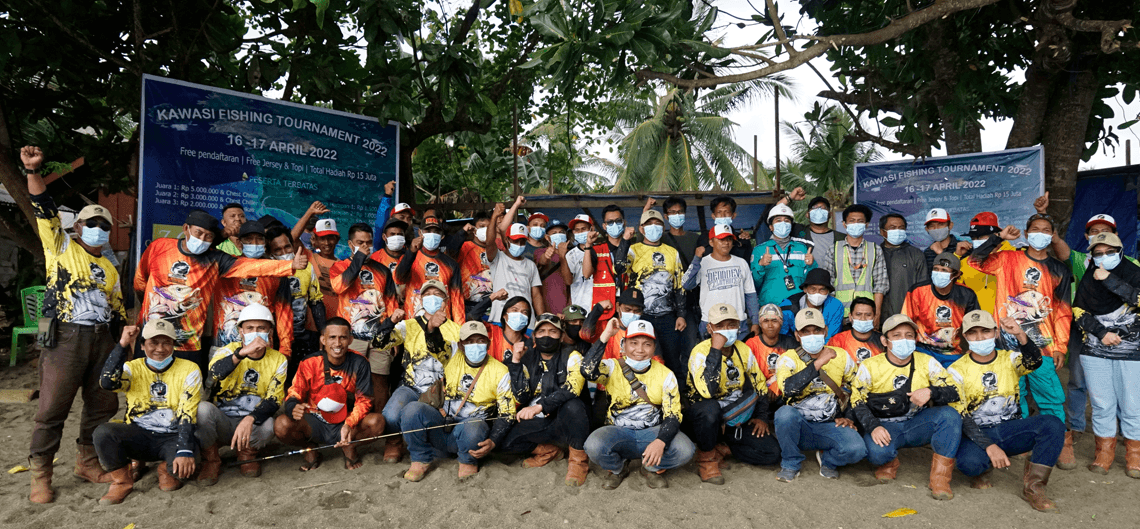
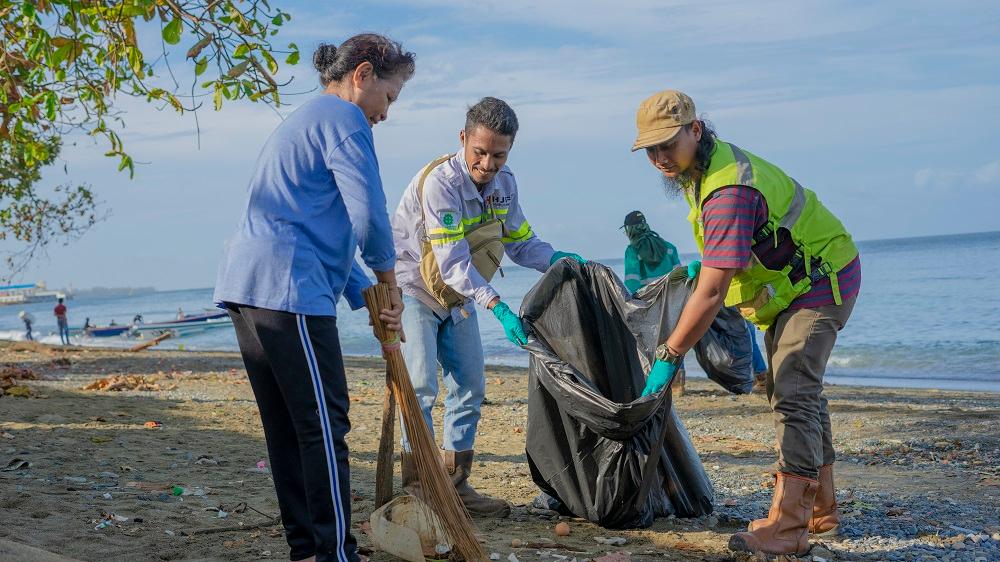
Environmental conservation requires more than activities in the field. Local knowledge and community involvement also play an important role in maintaining ecosystem sustainability.
That is why environmental education and community-based activities are part of the conservation approach. These initiatives help local communities become more familiar with their surrounding environment, including the different species and ecosystems found in coastal areas.
By gaining a better understanding of their natural surroundings, communities can access more information and become more involved in protecting the ecosystems around them.
Discover Obi Island's Marine Biodiversity Through the Reef Fish Book
Protecting biodiversity is not limited to conservation activities in the field. Documenting and introducing natural wealth to the public is also an important way to build greater environmental awareness.
This is one of the reasons behind the publication of the book The Beauty of the Coastal Waters of Western Obi Island – Series I: Reef Fish, A Captivating Mosaic of Marine Life.
The book documents various reef fish species found along the western coastal waters of Obi Island. Its publication offers a way to introduce Obi's underwater biodiversity to a wider audience and help readers become more familiar with the marine life found in the area.
Protecting Obi Island's Marine Biodiversity for the Future
Obi Island's waters are home to a rich variety of marine life. From coral reefs and reef fish to other coastal ecosystems, each plays an interconnected role in maintaining environmental balance.
Protecting marine biodiversity therefore requires continuous attention and collaboration among various stakeholders.
Through environmental monitoring, conservation activities, ecosystem management, community involvement, and biodiversity documentation, efforts to protect Obi's marine environment can be carried out from different perspectives.
Ultimately, getting to know Obi Island's marine biodiversity is an important first step toward protecting it. The more people understand the marine life found in these waters, the greater the opportunity to foster awareness and care for Obi Island's marine and coastal environments.