
As global demand for nickel continues to increase, particularly for stainless steel and electric vehicle (EV) batteries, responsible mining has become a central priority within the mining industry. In Indonesia, as one of the world’s largest nickel producers, responsible mining is no longer just a good practice, but also a strategic necessity to ensure long-term economic, social, and environmental sustainability. In addition, the rapid growth of nickel mining operations in Indonesia has also raised public concerns regarding environmental impacts and community relations, highlighting the importance of continuous improvement, transparency, and the implementation of more responsible mining practices.
What Is Responsible Mining?
Responsible mining is an operational approach that integrates environmental sustainability, social responsibility, and strong governance, commonly referred to as ESG (Environmental, Social, and Governance), into all mining activities.
This principle recognizes that mining operations must be conducted safely, transparently, environmentally responsibly, and in ways that deliver tangible benefits to surrounding communities.
Today, the nickel mining sector faces increasing pressure to adopt these principles in response to global regulatory demands and international buyers’ expectations for clean and responsibly sourced raw materials.
Key Aspects of Responsible Mining
The following are the core components underpinning responsible mining in the nickel industry:
1. Environmental Stewardship
Responsible mining minimizes environmental impact through:
-
Effective waste and tailings management to prevent soil and water contamination
-
Progressive land reclamation and post-mining restoration
-
Emission and dust control to protect air quality
International standards such as ISO 14001 and adherence to good mining practices provide structured guidance for environmental management.
2. Social Responsibility and Community Engagement
Responsible nickel mining extends beyond operational performance by prioritizing community well-being through:
-
Inclusive dialogue and stakeholder engagement processes
-
Investment in education, healthcare, and workforce development
-
Local economic empowerment initiatives
3. Transparent and Compliant Governance
Strong governance in responsible mining includes:
-
Full compliance with national regulations
-
Transparent risk management and sustainability reporting
-
Independent audits and performance assessments
Why Responsible Mining Is Becoming Increasingly Important
1. Growing Global Demand for Sustainable Raw Materials
Global markets, particularly EV battery manufacturers, increasingly prioritize responsibly produced raw materials. Nickel that meets ESG standards demonstrates stronger sustainability credentials and supply chain accountability.
2. Reputation and Competitiveness of Indonesia’s Nickel Industry
The issue of “dirty nickel” has previously been raised as criticism of mining practices in certain areas that have not fully implemented sustainability principles. Responsible mining serves as a response to these challenges, helping strengthen the credibility of Indonesian nickel products in the global market.
3. Local Social and Economic Sustainability
Responsible practices also help strengthen relationships between mining companies and local communities, contributing positively to regional development and local economic growth.
Challenges in Implementing Responsible Mining
Implementing responsible mining is not without challenges. These include:
-
Long-term commitment: Responsible mining is a continuous commitment, and requires integration of common operational principles across the organization.
-
Multi-stakeholder coordination: Strong collaboration among government, communities, and industry is essential.
-
Higher operational costs: Initial investments in environmental technologies and monitoring systems require significant resources.
However, these challenges also create opportunities for innovation and more sustainable industry transformation.
Examples of Responsible Mining in Practice
International Standard Assessments: IRMA
Several mining companies in Indonesia have begun evaluating their operations against global standards. The IRMA (Initiative for Responsible Mining Assurance) Standard For Responsible Mining is recognized as the most comprehensive and internationally recognized standards for assessing responsible mining performance. IRMA is governed by multi-stakeholder collaboration between civil society, communities, organized labor, and the private sector, which ensures broad acceptance of the standard.
An IRMA audit includes comprehensive, stringent assessments of environmental impacts, labor management, community engagement, and business integrity, across 428 requirements.
Government and Industry Approach
The Ministry of Energy and Mineral Resources (ESDM) of the Republic of Indonesia has firmly emphasized that responsible mining practices must become a pillar of sustainability in the national mining industry. This includes implementing ESG principles throughout all stages of mining activities, not merely meeting minimum regulatory requirements.
Read More: IRMA Audit: Harita Nickel’s Affirmation of Its Commitment to Sustainability
Harita Nickel’s Commitment to Responsible Mining
Amid global and national efforts to advance responsible mining practices, Harita Nickel is among the companies taking concrete steps to implement these principles.
Amid growing global and national efforts to promote responsible mining, Harita Nickel is among the companies taking concrete steps to implement internationally recognized sustainability principles across its operations.
Commitment to International Standards and Independent Audits
Harita Nickel is committed to operating its nickel mining and processing business responsibly by adopting internationally recognized standards, certifications, and independent assessments.
These initiatives are designed to strengthen transparency, improve corporate governance, and continuously enhance the company's sustainability performance.
-
IRMA (Initiative for Responsible Mining Assurance)
One of Harita Nickel's key initiatives is participating in an assessment based on the IRMA Standard for Responsible Mining.
IRMA is considered one of the world's most comprehensive mining standards because it evaluates mining operations across a broad spectrum of sustainability topics, including:
-
Environmental performance
-
Workers' rights
-
Occupational health and safety
-
Community relations
-
Business integrity
-
Corporate governance
By participating in the IRMA assessment process, Harita Nickel demonstrates its commitment to continuous improvement and internationally recognized responsible mining practices.
-
RMAP and RMAP+
In addition to IRMA, Harita Nickel has also undergone the Responsible Minerals Assurance Process (RMAP) developed by the Responsible Minerals Initiative (RMI).
RMAP is an internationally recognized assessment program that verifies minerals are produced responsibly, free from unlawful financial risks, and not associated with human rights abuses.
Harita Nickel is also participating in the RMAP+ assessment. RMAP+ expands upon the original RMAP framework by evaluating not only responsible mineral sourcing but also broader Environmental, Social, and Governance (ESG) performance throughout the supply chain, further strengthening responsible business practices.
-
ISO Standards
Harita Nickel also implements multiple ISO management system standards to strengthen environmental management, occupational health and safety, operational quality, and organizational performance.
In addition, the company aligns aspects of its operational development with internationally recognized principles established by the International Finance Corporation (IFC), particularly regarding environmental and social risk management.
Sustainability Practices at Harita Nickel
At the operational level, Harita Nickel implements a wide range of sustainability initiatives that address environmental protection, social responsibility, and sound corporate governance. These efforts reflect the company's commitment to responsible mining and continuous improvement across its operations.
Key sustainability initiatives include:
-
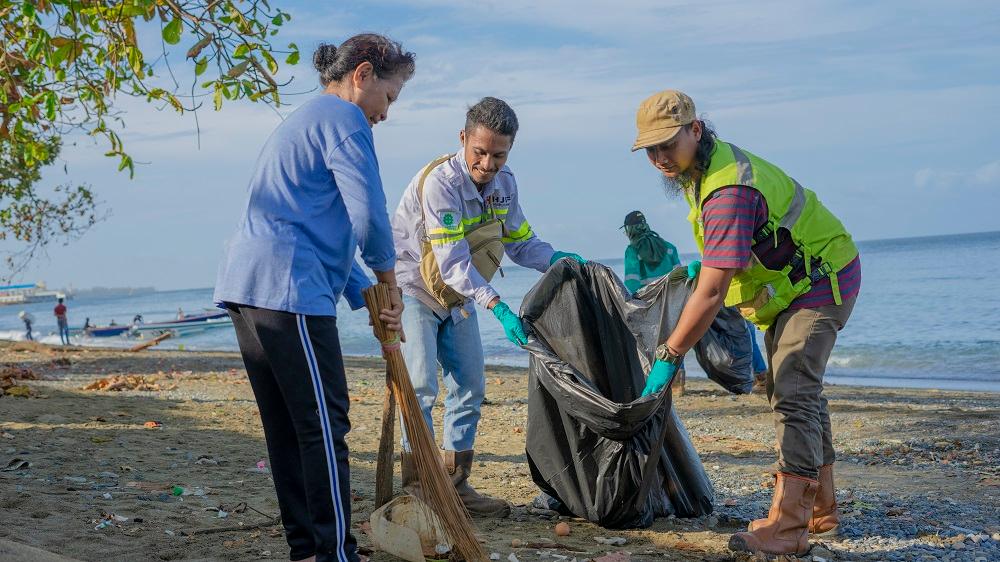
Responsible water and natural resource management to help maintain environmental quality around operational areas.
-
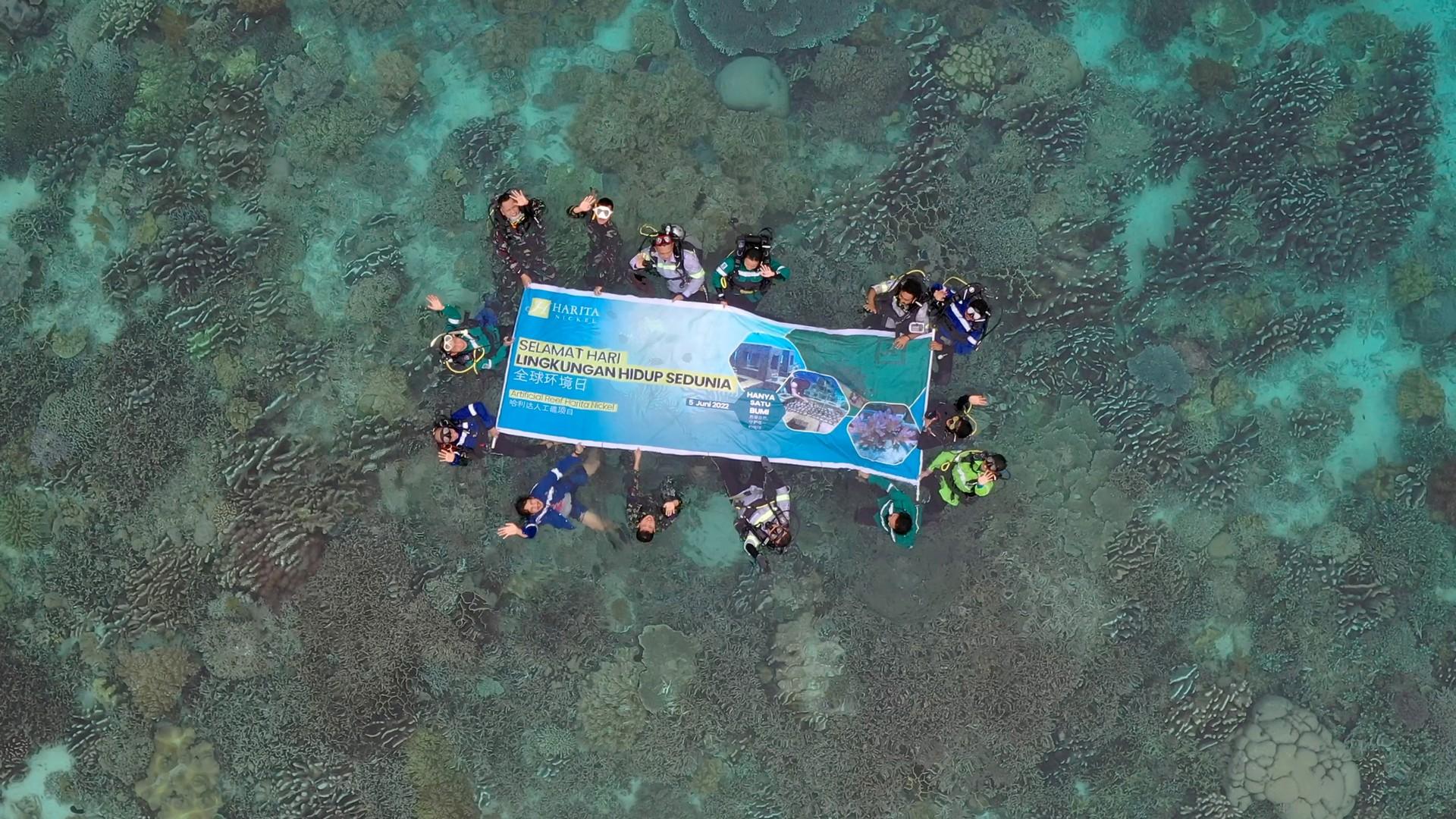
Mine reclamation and revegetation as part of ecosystem restoration following mining activities.
-
Land-use planning that considers ecosystem balance and biodiversity conservation.
-
Waste management and emissions control to minimize environmental impacts.
-
Comprehensive occupational health and safety (OHS) practices integrated into all operational activities.
-
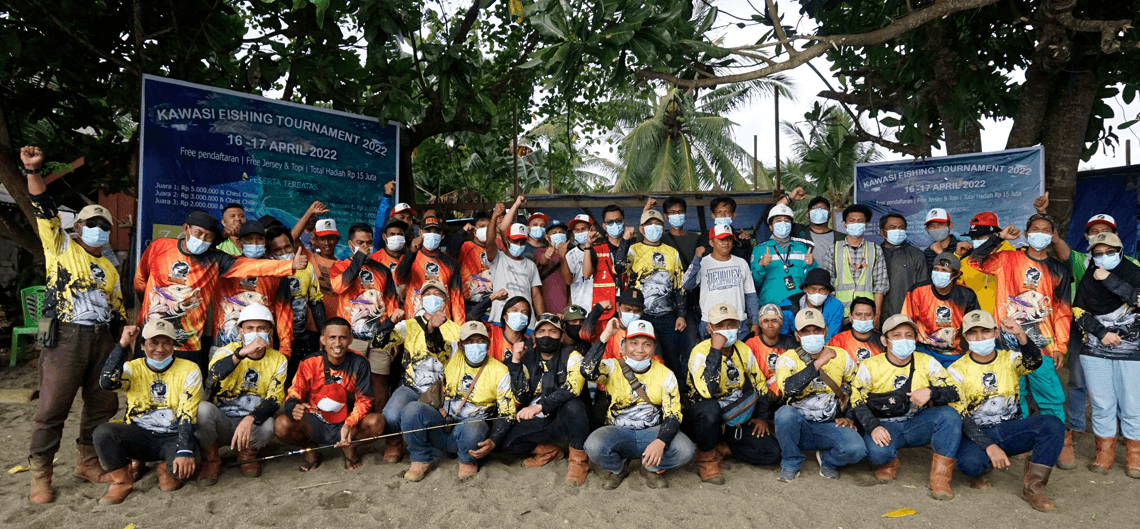
Community training, capacity building, and empowerment programs to enhance local skills and economic opportunities.
-
Support for education, healthcare, and local economic development in surrounding communities.
-
Development of supporting infrastructure that provides long-term benefits to local residents.
-
Transparent governance and regular sustainability performance evaluations to drive continuous improvement.
-
Energy efficiency initiatives and emissions reduction programs as part of the company's broader decarbonization strategy.
Together, these initiatives demonstrate that mining and sustainability are not mutually exclusive. When implemented responsibly, mining can serve as a catalyst for economic growth, community development, and environmental stewardship.
Responsible Mining: The Foundation of Sustainable Nickel Operations
Responsible mining in nickel operations is a strategic approach that integrates environmental stewardship, social equity, and transparent governance. As global demand for nickel continues to grow, responsible practices distinguish operations that prioritize long-term value creation from those focused solely on production.
Through ESG integration, independent audits such as IRMA, regulatory alignment, and meaningful stakeholder engagement, Indonesia’s nickel industry is steadily advancing toward a more sustainable and accountable future.