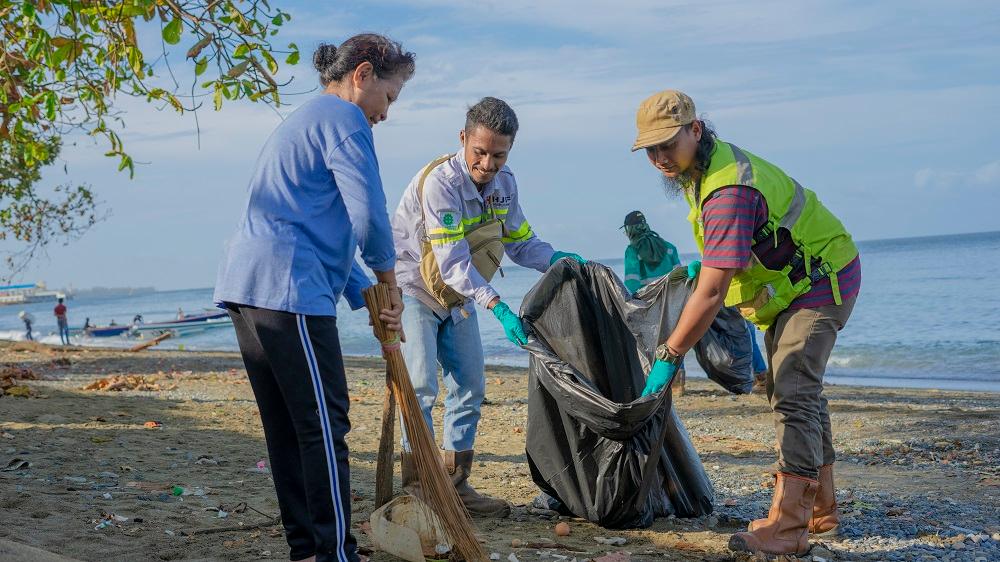
Obi Island in North Maluku is known for one of the largest nickel mining operations in Indonesia, run by the Harita Nickel company. Due to the proximity of these operations to the coastline and offshore marine ecosystems, the quality of the seawater around the mine is a critical concern—not only for the company, but also for the local community, the environment, and stakeholders.
In this article, we take a closer look at the marine ecosystem surrounding Obi, and explore the environmental management efforts being implemented by Harita Nickel to ensure these habitats remain protected.
Marine Life and the Efforts to Protect It
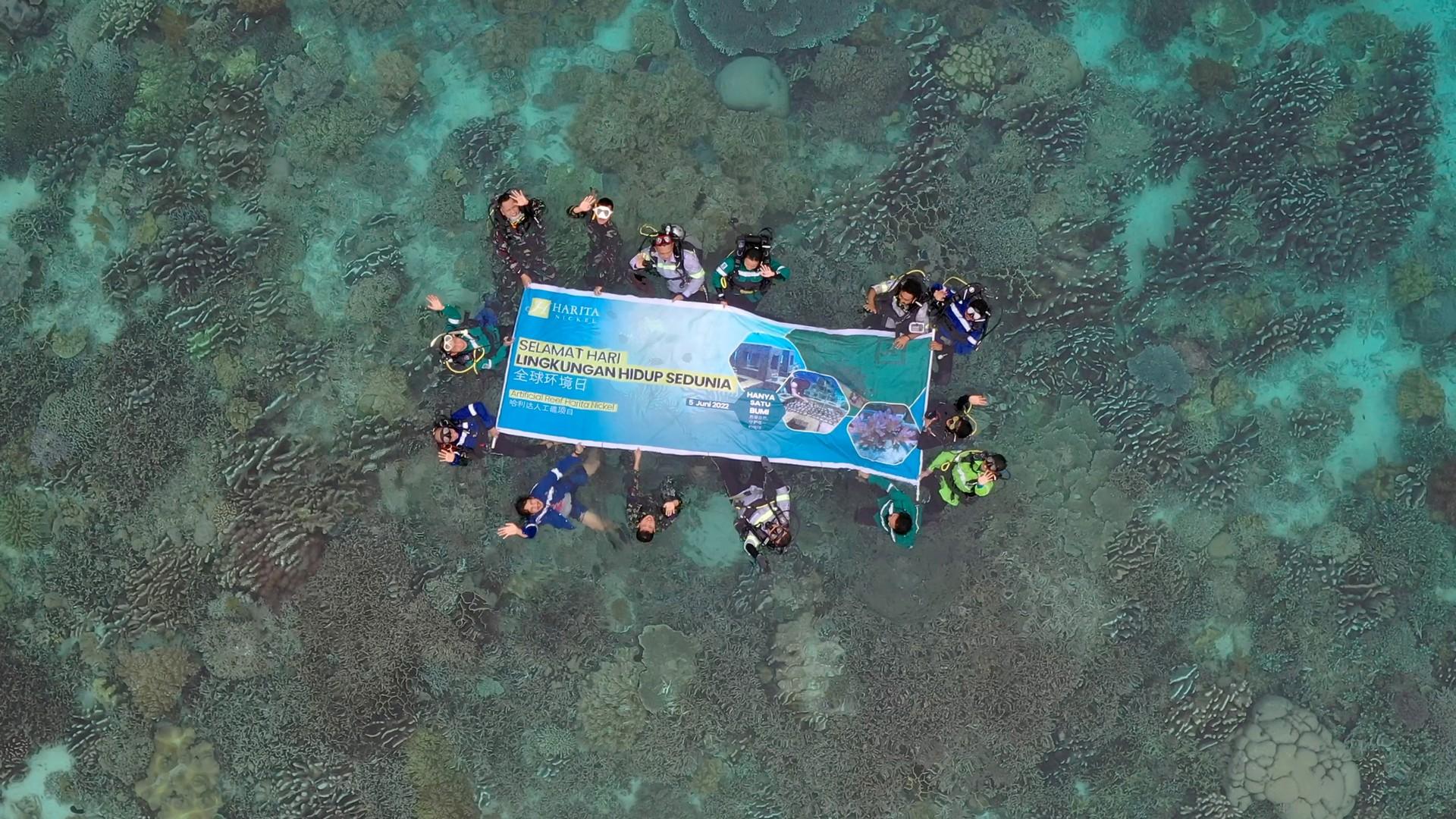
The marine ecosystem surrounding Obi Island supports many forms of life. Here, fishermen go out to sea, while fish take shelter among the reefs and corals grow on man-made frames. This scene is a picture of what Harita Nickel strives to preserve; healthy and productive waters, which can be passed down to future generations.
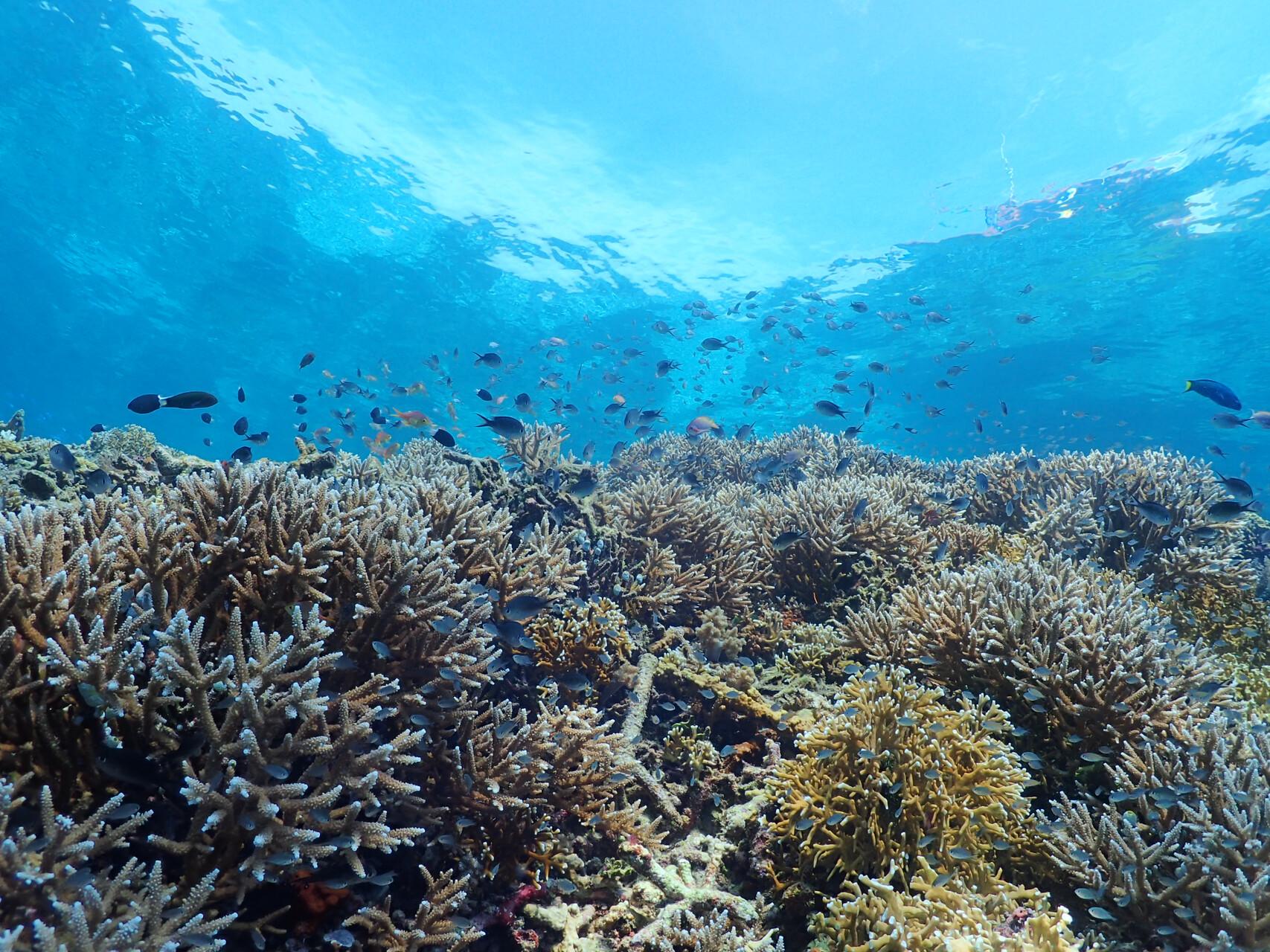
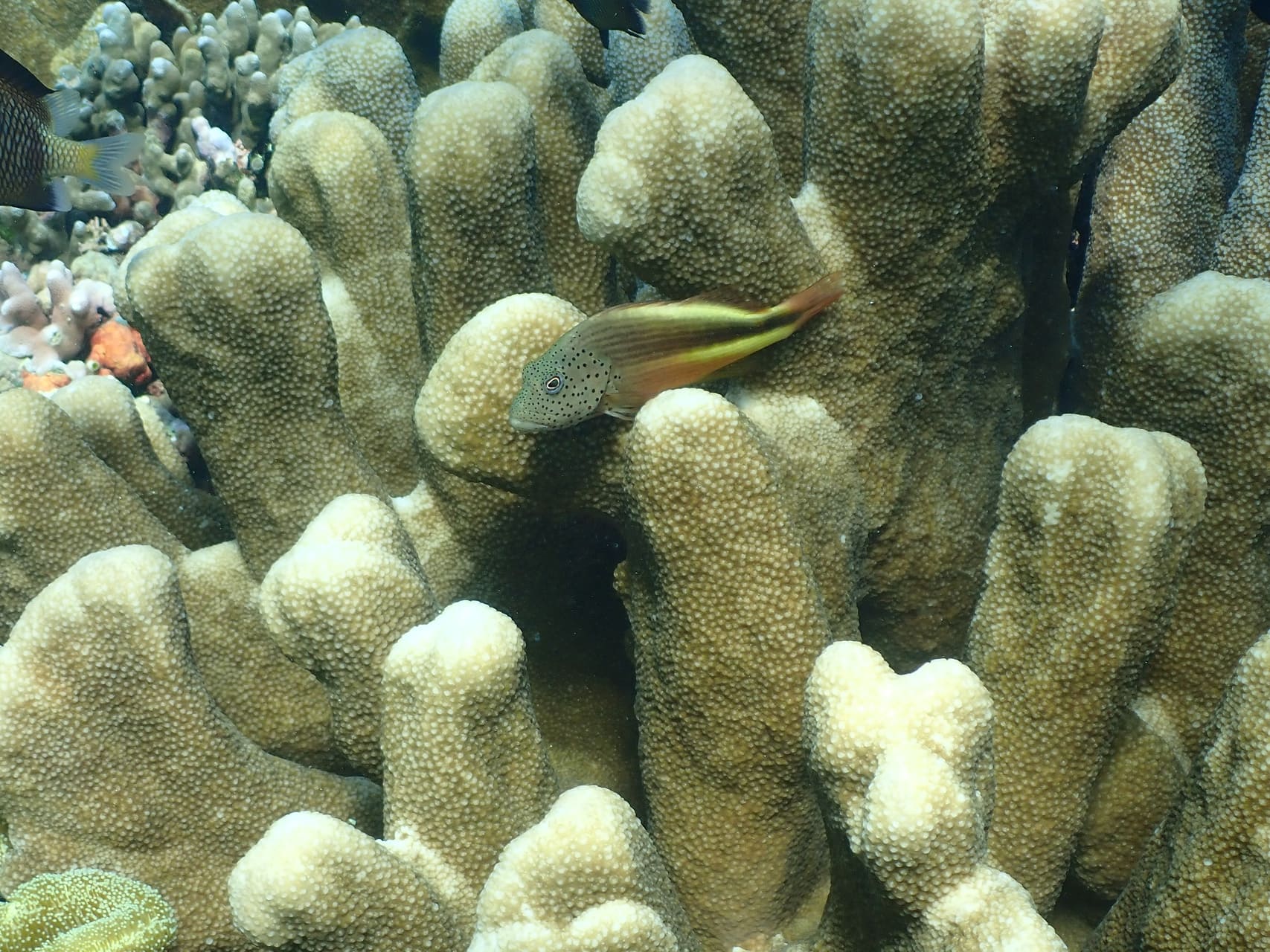
- A Variety of fish and corals decorate the waters of Obi
Monitoring of the restoration area has revealed the return of 109 species of reef fish from 22 families in the waters surrounding the artificial reef frameworks. These fish use these cube-like structures as a shelter and as their feeding grounds.
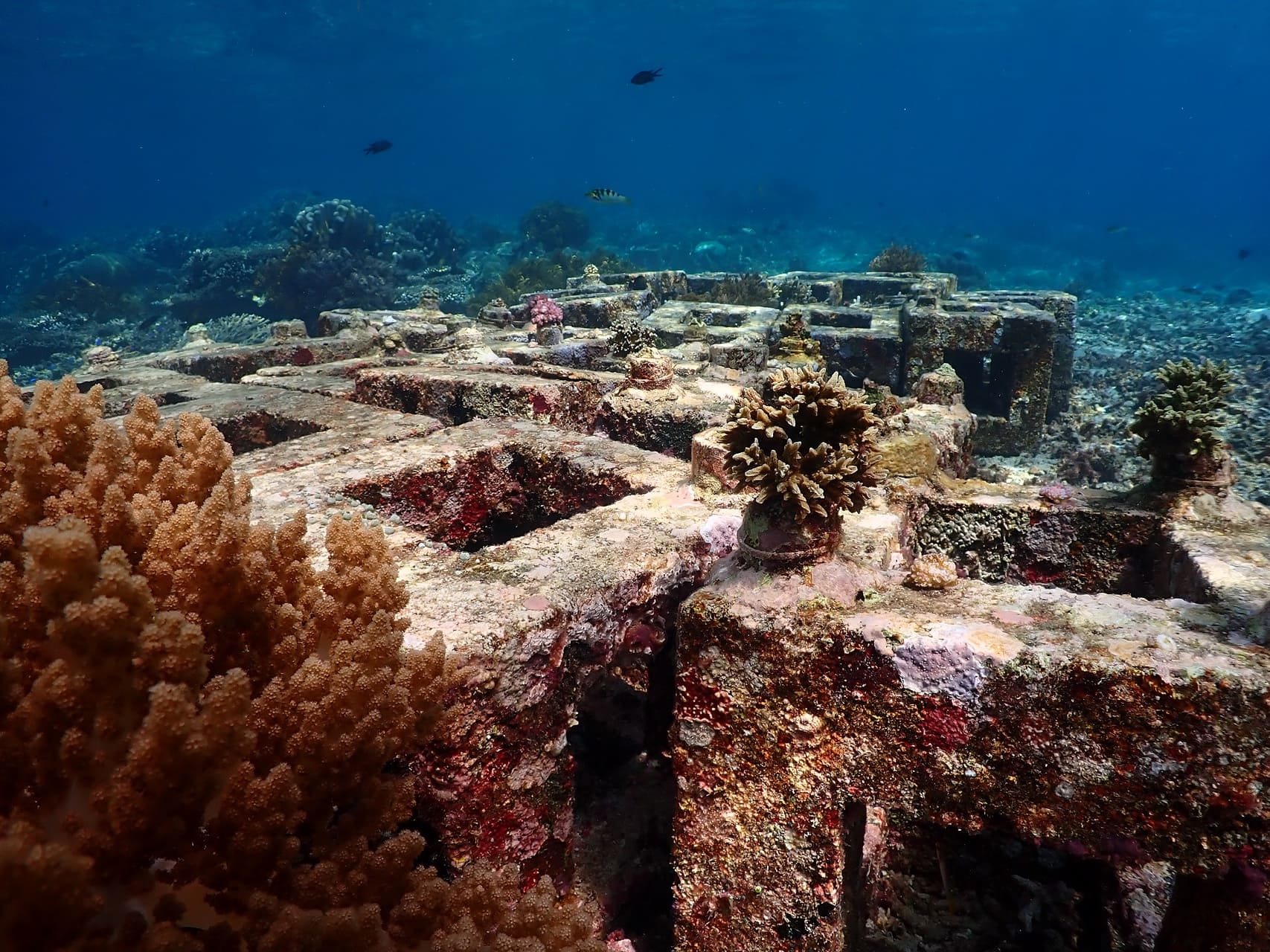
- Coral reefs growing in their ‘new home’
Nickel slag and fly ash, the by-products of the production process are transformed into reef cubes, hollow concrete blocks placed on the seabed. These structures serve as a “new home” for coral growth.Over the past two years, observations have shown coral growth ranging from 0.93 cm to 6.64 cm. This is considered significant progress, as coral reefs typically require stable marine conditions and long growth periods. Clean seawater, adequate sunlight, and balanced temperatures are among the key factors supporting coral recovery.
Now, around these reef cubes, small fish and even groupers can often be found feeding among the young corals.
- Routine monitoring to maintain ocean quality
Harita Nickel doesn't stop with the installation of reef cubes. The marine environment team conducts weekly maintenance, monitors coral growth, and records fish species. Every 6 months, seawater quality testing is also conducted with an independent agency for external verification.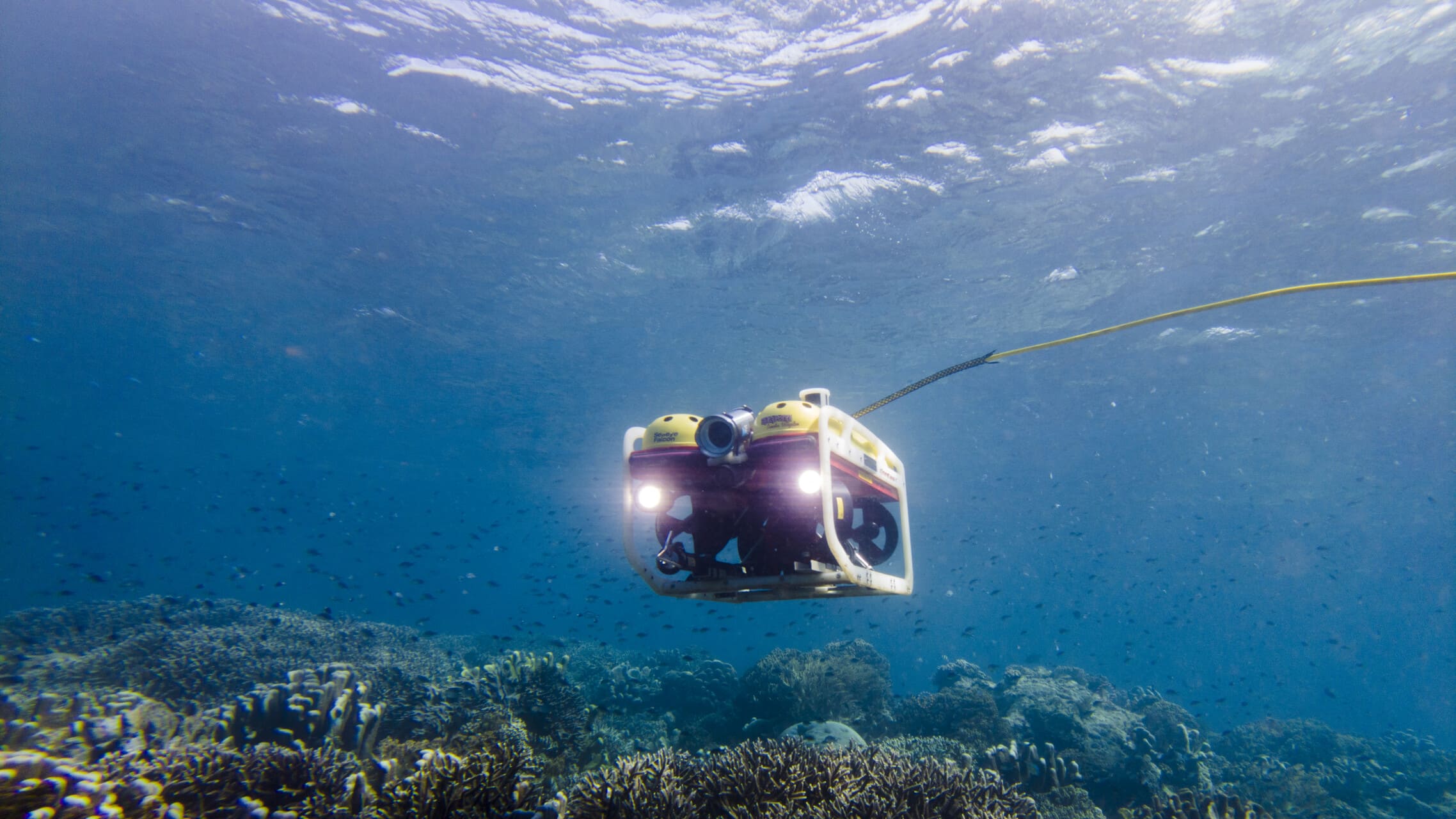
- Controlled mine water management
To prevent direct sedimentation into the sea, Harita Nickel has built sediment ponds, large settling basins where water is directed so that soil sediments can settle before being released into river bodies. In addition, rainwater is collected and reused, as part of the company’s efforts to reduce dependence on limited freshwater sources. Meanwhile, residual materials from the HPAL (High Pressure Acid Leach) process are managed using the Dry Stack Tailings Facility (DSTF) method. - Independent audits for transparency
To ensure these practices meet the necessary standards, Harita Nickel is open to external audits, including IRMA (Initiative for Responsible Mining Assurance). These audits assess environmental, social, and governance aspects, and provide recommendations for improvement. -
Sustaining Obi’s Marine Productivity
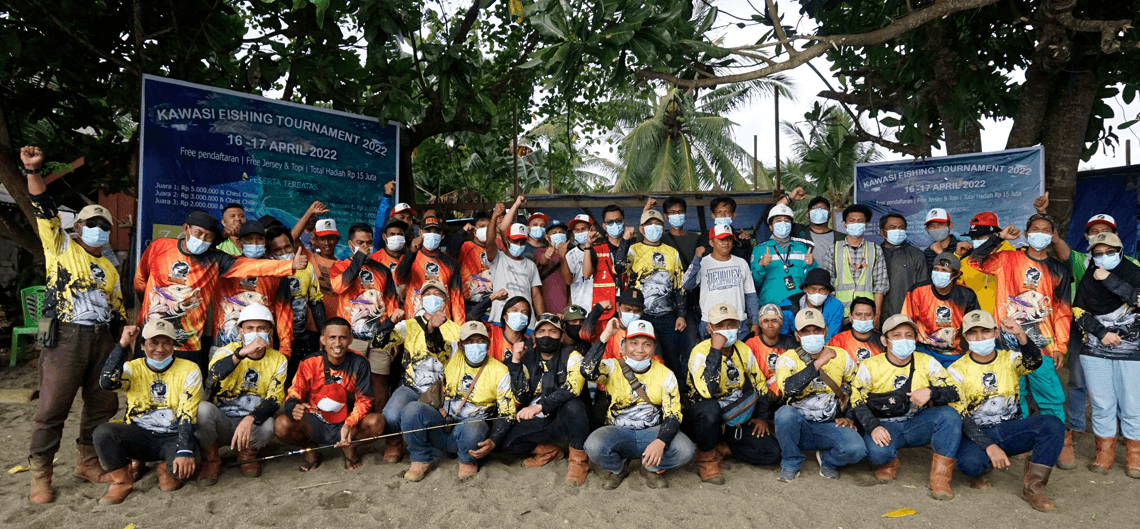
Fishers in Kawasi village and the surrounding area can fish for species like grouper, rabbitfish, and squid. Despite seasonal fluctuations in these populations due to natural factors, this confirms the Obi Sea remains productive, meeting villagers’ food requirements and supporting the local economy.
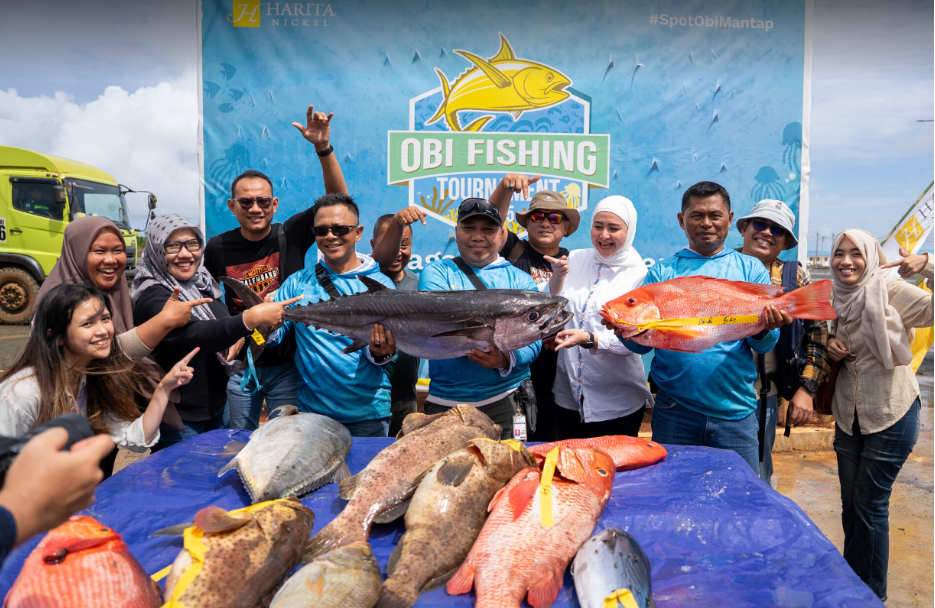
The health of the ocean surrounding Obi Island is evident in the presence of reef fish, fishermen's catches, and positive reef growth. Harita Nickel continues to strive for sustainability through reef restoration, ocean quality monitoring, mine water management, and independent audits.
With the synergy of companies, communities, and the government, Obi Island can continue to be known not only for its nickel, but also for its rich and healthy sea.