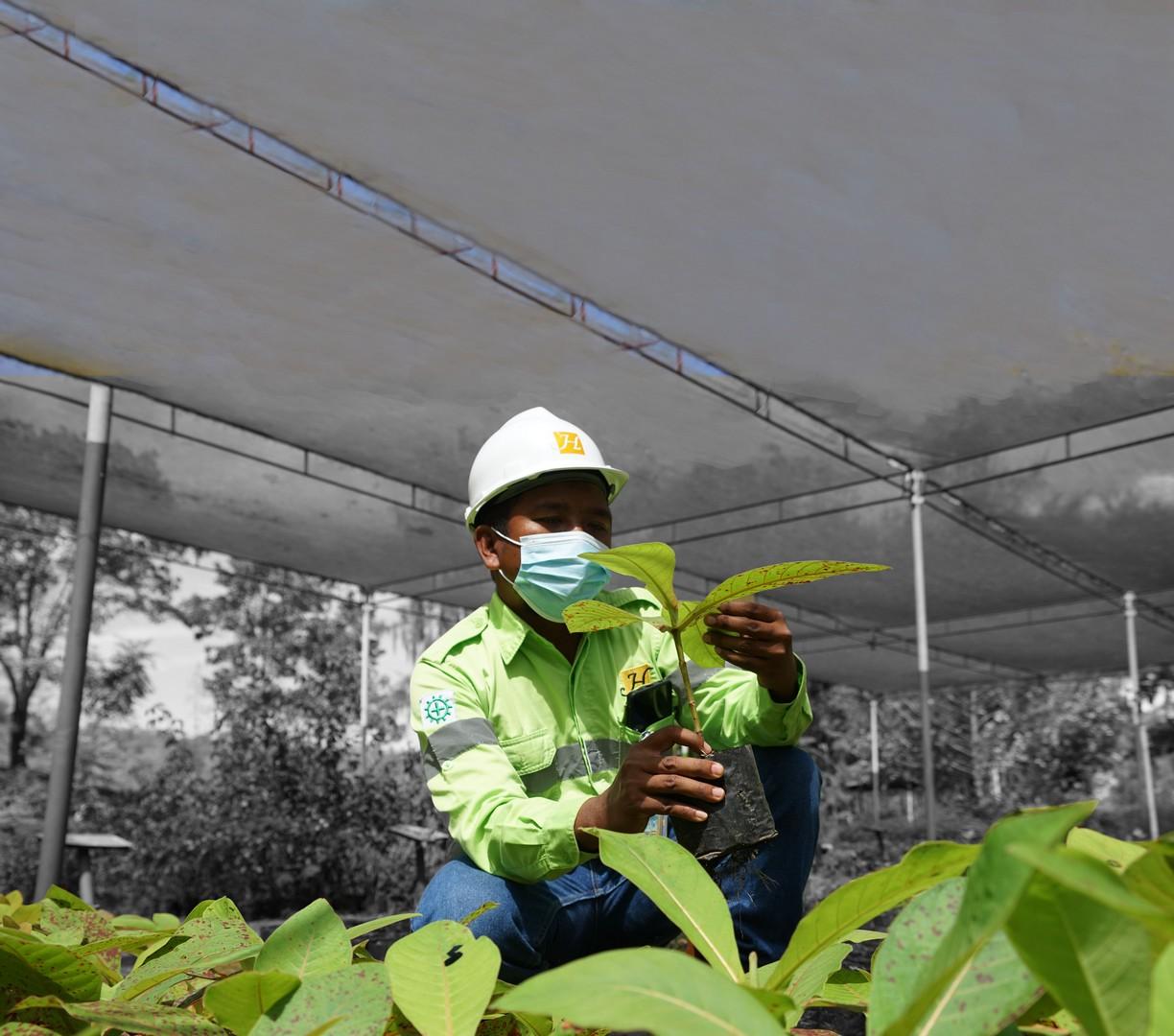


A few months ago, Mulyono La Hasima had never worked with heavy equipment. Today, the young man from Soligi Village can be found inside a mining workshop on Obi Island, South Halmahera, inspecting the electrical systems of machinery used in daily operations.
Now working as an Auto Electrician at Harita Nickel, Mulyono is doing a job he once never imagined for himself.
“I didn’t have any skills before. Now I can help maintain and repair equipment,” he said.
Like many young people in remote regions, Mulyono finished high school without specialized skills that could immediately open the door to employment. For a time, he was unsure what came next.
The opportunity arrived when he joined the Mechanic Talent Pool Program (MTPP), a five-month intensive training initiative designed by Harita Nickel to prepare local workers for careers in the mining industry.
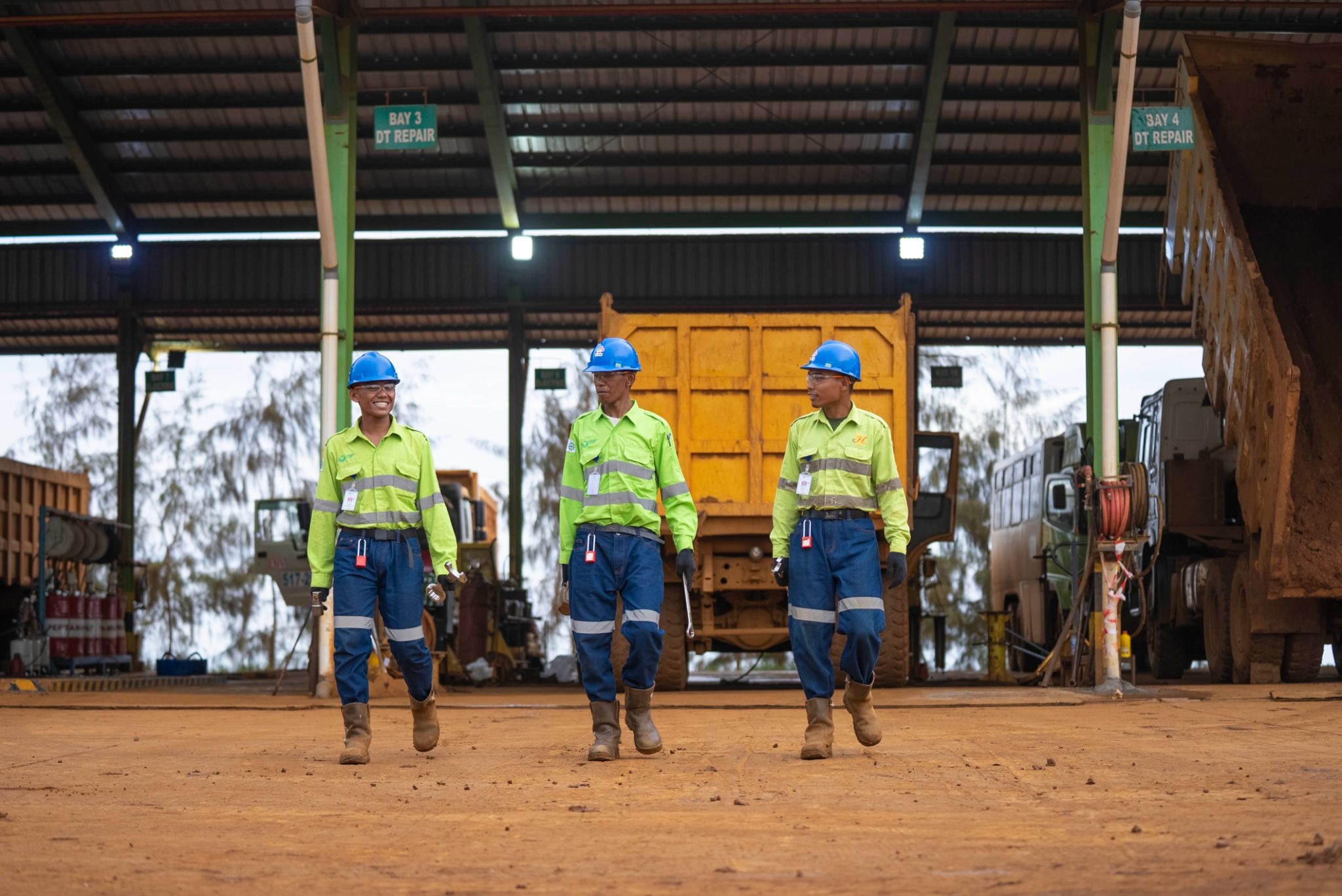
That was where everything began. Mulyono started from the basics, learning machine components, understanding how heavy equipment systems work, and adapting to the discipline and safety standards required in mining operations. What once felt unfamiliar soon became routine.
“At first it was difficult because everything was new. But over time I got used to it. The training really helped, and now I feel much more confident,” he said.
Today, Mulyono is no longer just learning. He is directly involved in daily operations, conducting routine inspections, assisting with repairs, and helping ensure heavy equipment remains operational.
Mulyono’s story is shared by Yislam Meidira, a young man from Laiwui Village who now works as a heavy equipment mechanic, assisting senior technicians with maintenance and repairs.
At his age, Yislam never expected a training program would eventually lead to employment.
“I’m happy. At first, I thought it was only training, but afterward I was offered a job. I used to have no skills, but now I’ve been trained and can work,” he said proudly.
For Yislam, the change is about more than employment. It is also about finding opportunities that once felt out of reach.
“Now I feel like I have direction,” he said.
Most MTPP participants come from similar backgrounds, little experience and no ready-to-use technical skills. Over five months, they are introduced to the realities of industrial work through hands-on learning and direct exposure to workshop environments.
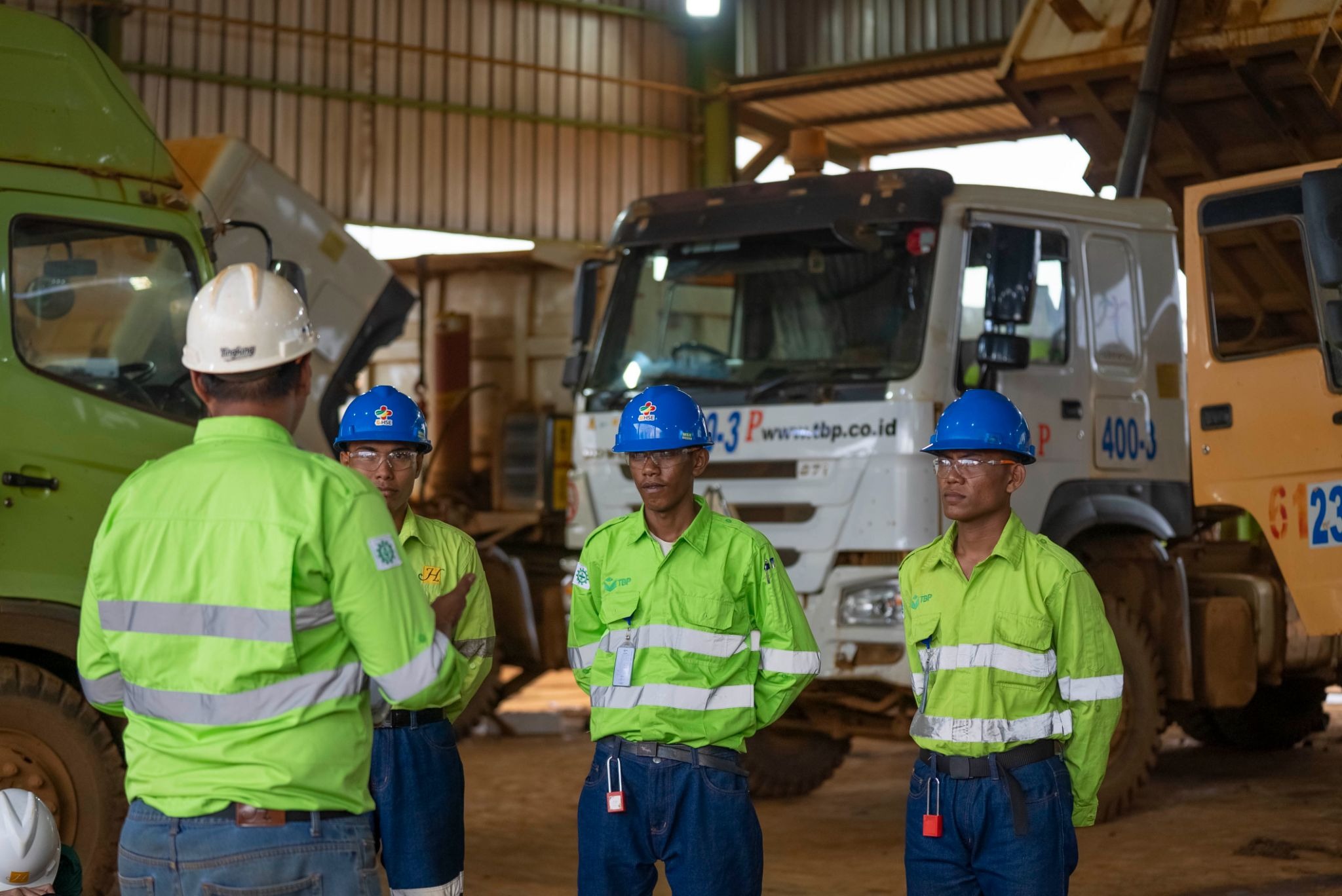
The training takes place not only in classrooms, but also in workshops where participants work directly with equipment and real operational situations. The approach helps ease the transition from training into the workplace.
Harita Nickel Operations Director, Younsel Evand Roos, said the program was created to bridge industry needs with local workforce potential.
“MTPP not only equips participants with technical skills, but also prepares them to work according to industry standards,” he said.
The initiative has also received support from the local government. Head of the South Halmahera Manpower and Transmigration Office, Daud Djubedi, said programs like this are important for expanding access to jobs while improving the quality of local workers.
“This addresses industry needs while also creating opportunities for the community,” he said.
For Mulyono, the transformation is not only about having a job, but also about how he now sees the future.
“When you have skills, you have more options. Wherever we are, we can always keep trying,” he said.
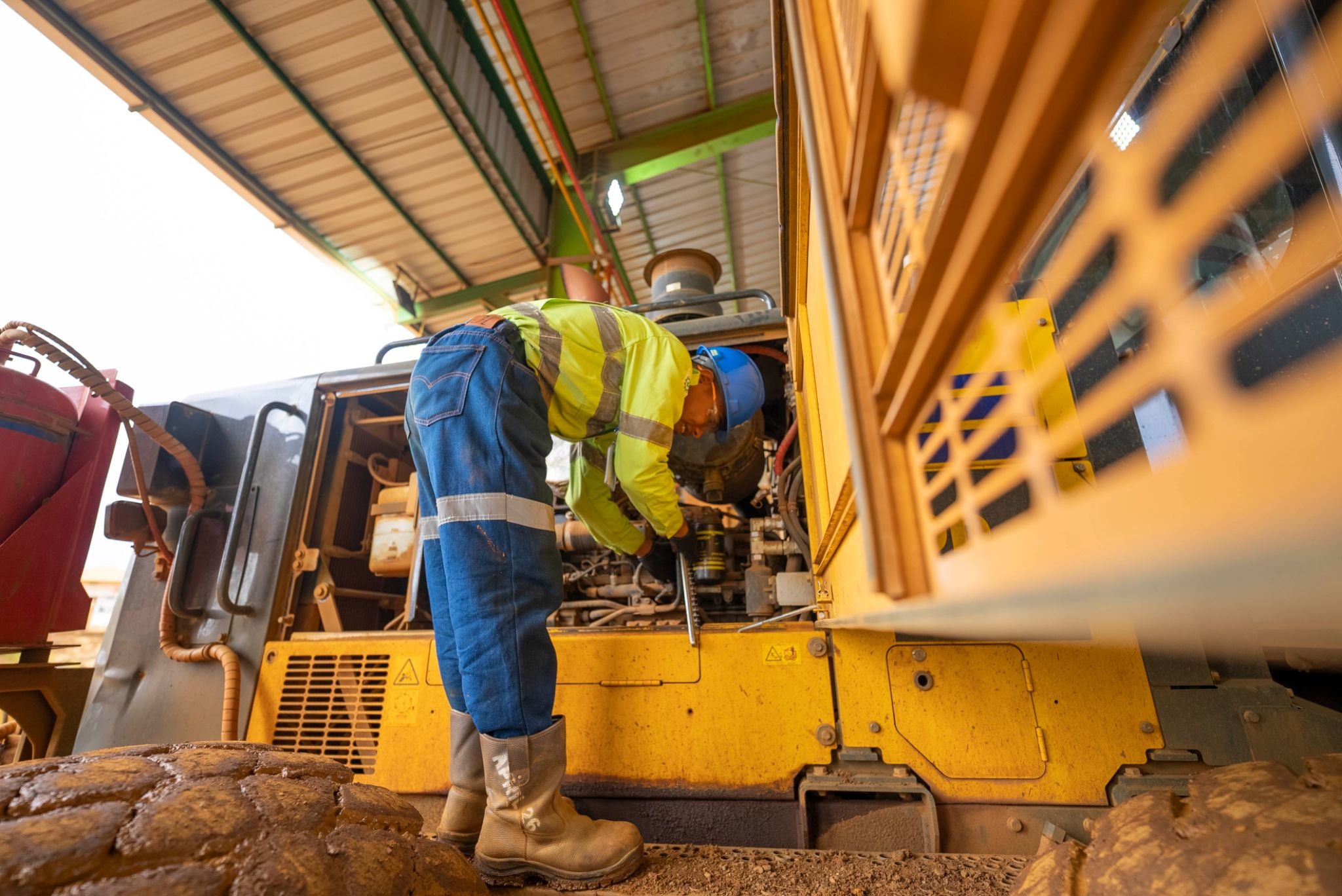
On Obi Island, that transformation is beginning to take shape with slowly, but visibly. Young people who once started with no technical skills are now gradually taking on roles within the industry.
Programs like MTPP have become one pathway. At the same time, other initiatives such as the PELITA vocational program continue to grow and have now entered their fifth batch, offering training ranging from heavy equipment operation to Mandarin language classes and air-conditioning servicing.
For the company, these programs are part of a broader effort to develop a local workforce ready to grow alongside the industry. But for Mulyono and many others, the meaning is simpler.
They arrived with little experience. Today, they return not only with jobs, but with skills, confidence, and a clearer sense of the future they want to build for themselves.