

Harita Nickel’s operation requires large amounts of electricity to support all its activities. This electricity is supplied via electrical installations and equipment located across various work areas. However, as electrical current is invisible, the dangers it poses are often not realised until contact occurs. That is why the proper management of electrical systems is a key component of the Critical Safety Compliance Protocol (CSCP) framework.
Safety risks may arise from substandard installations, unsuitable equipment or work carried out by incompetent personnel. To manage these risks, every Harita employee must pay attention to the six safety aspects set out in the CSCP.
Before work commences, ensure that electrical installations and equipment are managed by competent personnel. Electricians, Occupational Health and Safety (OHS) specialists in the electrical field, and electrical engineering staff must have the required training and certification.
Ensure the relevant documentation is in order. Standard operating procedures (SOPs) for the installation, inspection and maintenance of equipment, as well as its use, must be available and communicated. Inspection records, lists of installations and equipment, and lists of qualified electricians must also be properly managed. Electrical installations in use must hold a Commissioning Certification (SLO) in accordance with the applicable regulations.
To manage work hazards and risks, electrical installations must comply with the General Requirements for Electrical Installations (PUIL) or other relevant industry standards. Any alterations, modifications or repairs to the installation must only be carried out by electrical engineers who possess the requisite competence in accordance with the regulations.
The condition of the electrical equipment and installations used must also comply with standards. Domestic electrical equipment’s use in the workplace is only permitted with the written authorisation of an officer or technician. An earthing system for the building and supporting installations must also be in place and inspected regularly to help protect workers and equipment from electrical faults.
Control measures must also be implemented on electrical panels. Isolation and locking systems, such as Lock-out/Tag-out (LOTO), must be used to prevent unauthorised access and protect workers during maintenance or repairs. Connections between cables or components must also use standard connectors to prevent short circuits or overheating.
Critical aspects relating to electrical installations must also be taken into account. Access to the company’s installation areas and electrical facilities must be monitored and restricted to prevent unauthorized entry. Work on installations in areas other than production must also be carried out by authorised personnel and comply with the relevant standards.
Furthermore, when carrying out repairs and maintenance on electrical installations, workers must ensure that no other facilities or activities are affected. This check must also be supported by communicating with all parties in the vicinity of the facilities and electrical installations who may be affected.
Once the work and inspections have been carried out, safety practices must still be reviewed through a management review. This review covers risk control in high-voltage areas, the maintenance and inspection of installations, and the competence of relevant staff and experts. Audits and assessments are also carried out at least once a year.
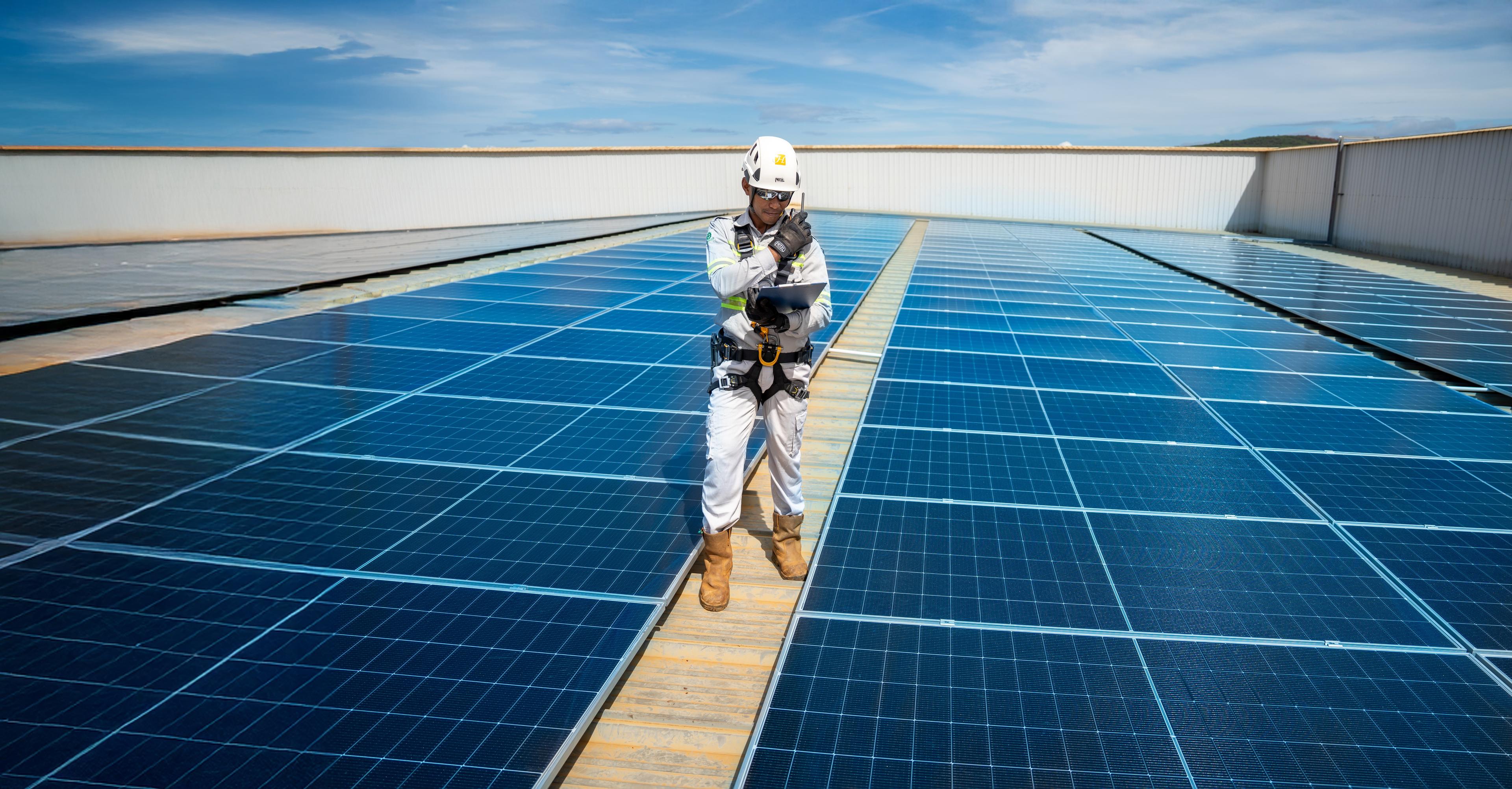
“For those of us who work with electricity on a large scale, electrical safety is not the responsibility of just one person. Recognising potential hazards, using equipment in accordance with regulations, and not carrying out work beyond one’s remit are all part of our collective efforts to protect people’s safety and maintain the reliability of equipment in the workplace,” concluded Endar Setiadi, PT Obi Sinar Timur’s (OST) Power Grid & Photovoltaic Supervisor.
Understand the risks. Manage the hazards. Stop work if it is unsafe.