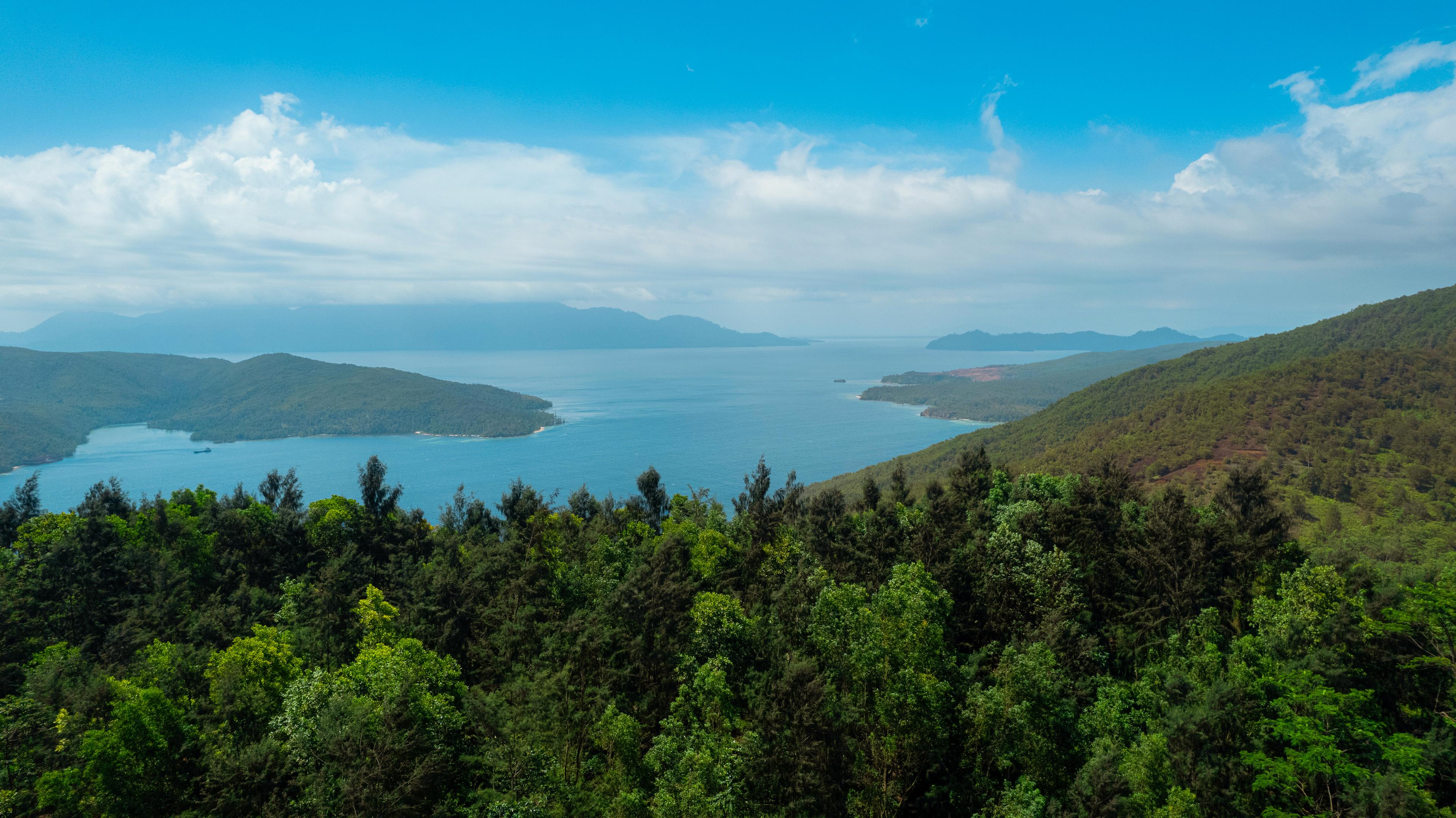
For Harita Nickel, mining has never been defined solely by what is extracted from beneath the ground. Harita’s business operations are governed by strong social and community wellbeing principles. For us, mining is inseparable from people, nature, and the future of local communities. On Obi Island, where our operations have developed for over two decades, this is not an abstract principle but a guiding commitment from the very top of the company.
As conversations around sustainability grow more complex, so does the importance of demonstrating how mining can evolve to keep pace. At Harita Nickel, we recognize that our responsibility is not only to operate but also to continually improve, to listen, and to adapt.
Water: A Shared Responsibility
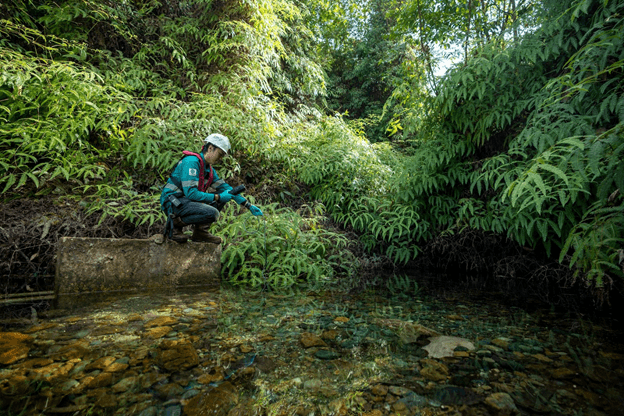
For Harita Nickel, protecting water is one of the cornerstones of responsible operations. We have recently improved our systems to provide the same reliable water supply for both communities and our workforce. Kawasi Village now shares the same water source as our worker camps and operations, while in the new settlement of Kawasi Village, the water is supplied from the Akelamo River through a company-operated treatment facility. Sharing the same water system means our neighbors and our employees are held to one standard: safe, reliable, and fair access for everyone. We are implementing such continuous improvements in response to community concerns, demonstrating our commitment to stronger stewardship and transparency.
It is important to underline: no drainage channel, sediment pond, or outlet channel intersects with natural drinking water sources or rivers. This principle of separation reflects our commitment to ensuring that infrastructure designed for mining never compromises community water systems.
Continuous Improvement and Transparency
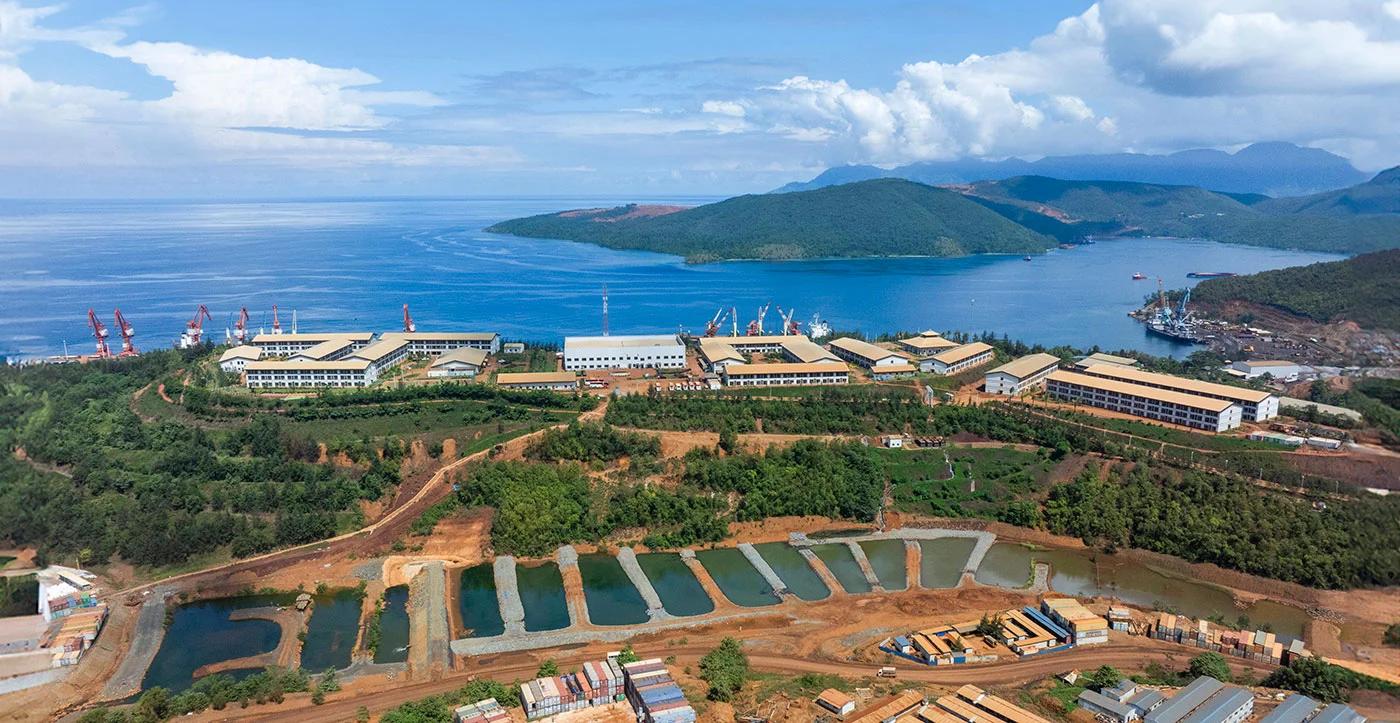
Mining always poses various technical challenges, such as managing runoff and sediment. Sediment ponds in the Harita Nickel Obi Site are built to capture and filter runoff before it reaches natural waterways, allowing suspended particles to settle. These facilities evolve with the environment, requiring regular adaptation, reinforcement, and redesign.
Harita Nickel treats each challenge in this area as a prompt for improvement. When concerns arise, they are not moments to pause but opportunities to refine design, strengthen safeguards, and align with international best practices. Our continued investment in sediment pond infrastructure reflects this philosophy of ongoing progress.
Currently, Harita Nickel is voluntarily undertaking assessment against the Initiative for Responsible Mining Assurance (IRMA)—the most rigorous global standard for responsible mining. In 2024, we began our independent IRMA audit, knowing that the process would challenge us to be more transparent, more accountable, and more consistent with international best practices. Harita is the first mining operation in Indonesia to embark on this globally accepted standard – out of over 1,000 mines in the country. At the moment, we are awaiting the draft audit report. After receipt of the report and the official IRMA review period, we will be able to share further information.
Tailings: Innovation and Vigilance
Alongside sediment ponds, tailings management is a critical part of responsible mining. Our approach begins even before disposal, guided by our Group Sustainability Policy which mandates a High Conservation Value (HCV) assessment prior to commencing any mining operations or establishing tailing storage facilities in areas identified as sustainability high-risk. This proactive commitment ensures we understand and preserve critical ecological and social values from the outset.
In strict compliance with national regulations, Harita Nickel unequivocally prohibits the use of Deep Sea Tailings Placement (DSTP). Our tailings are disposed and managed in facilities with multiple layers of containment, minimizing risks of runoff due to rain.
In our HPAL (High Pressure Acid Leach) process, Harita Nickel applies a patented methodology developed by our technical partner to reduce the formation of chromium-6. This innovation, first reported in our 2023 Sustainability Report (p.93), reflects our proactive approach to addressing one of the most pressing environmental concerns associated with nickel processing. Additional details have been shared in the 2022 Report (pp.94–95), the 2023 Report (pp.100–102), and the 2024 Report (pp.91–92) for reference.
Equally important, studies show by competent third parties that our tailings are nonexplosive, nonflammable, nonreactive, noncorrosive, and nontoxic, based on accepted LC50 and LD50 levels and sub-chronic toxicity tests. The results of these studies are available publicly and we invite stakeholders to review them and share their own data to contribute to a shared understanding, including information that may present differing perspectives.
Our team in the field, and accredited laboratories monitor relevant parameters of our tailings storage areas at defined intervals to ensure compliance and vigilance. Monitoring results consistently confirm compliance with our government permits and relevant international standards. Assessment of compliance against IRMA Standard Chapter 4.1 and Chapter 4.2 of these facilities is included in the ongoing audit. This independent data ensures that reporting is evidence-based and that communities and stakeholders can rely on facts, not assumptions, in understanding our performance.
By investing in both technological innovation and rigorous monitoring, Harita Nickel seeks to advance the standard of tailings management in Indonesia’s nickel industry.
Respecting People and Rights
Our progress is not only about the land but also about people. Harita Nickel maintains a zero-tolerance policy against harassment, intimidation, or coercion. All company and security personnel undergo human rights training on Voluntary Principles on Security and Human Rights, and government security forces assigned to our site are briefed on international best practices in alignment with IRMA Standard Chapter 3.5.
Through comprehensive human rights due diligence against, and an open grievance and anonymous whistleblowing mechanism, we actively receive and address concerns impartially. Human Rights Due Diligence is conducted against the UN Guiding Principles on Business and Human Rights, IRMA Chapter 1.3 and IFC Performance Standards. While we have not received substantiated reports through these mechanisms, our commitment remains clear: if specific documented cases are presented, we will investigate thoroughly and act decisively.
New Kawasi
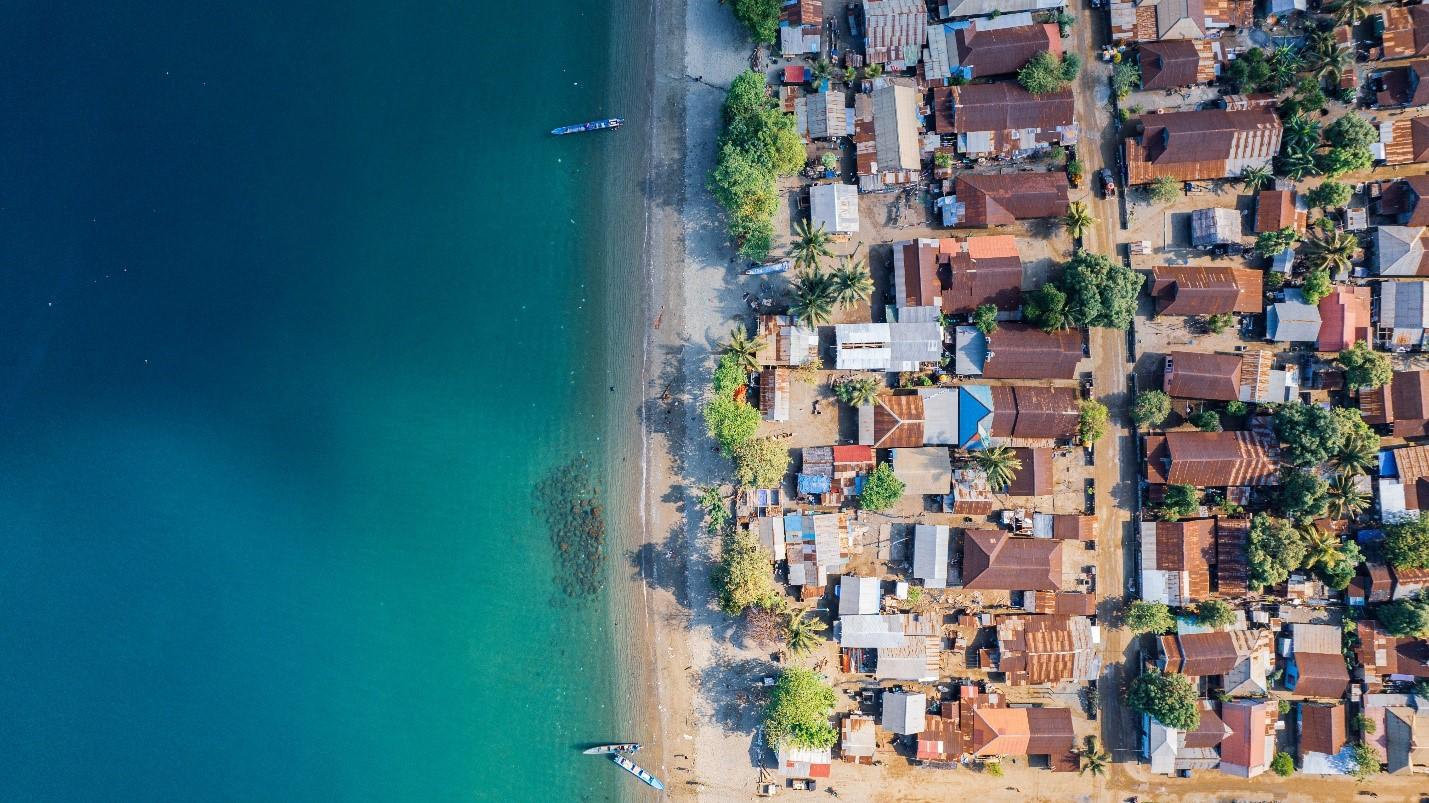
The relocation of Kawasi Village to the new settlement is a government-led process and strictly voluntary. Our role is supportive—helping ensure proper housing, facilities, and services—while welcoming independent observers to monitor transparency and fairness. In 2018 the original village was rated as Tertinggal, or ‘Left Behind’ (a metric used to determine quality of life). It is prone to frequent flooding, vulnerable to sea level rise and extreme weather events.
To that end, Harita has voluntarily provided land, free electricity and even social and religious infrastructures such as two schools, a mosque, a church, a community hall, a sports centre and a commercial area. The surrounding land is productive, so we have put in place an agricultural training facility and supported entrepreneurial ventures to help the residents become economically self-sufficient. We believe this initiative indirectly addresses several concerns raised by the community and external parties, including the issues of flooding, inadequate access to electricity and clean water and lack of modern of infrastructure. By moving residents to a modern, planned community with proper drainage and sanitation, the relocation program serves a dual purpose: it fulfils a social commitment to improve welfare while simultaneously providing decent living conditions/housing areas, free from the highlighted issues.
Under no circumstances did Harita Nickel and its employees/contractors conduct intimidation or forcefully relocate the community members against their wishes. The process is based on continuous consultation with local stakeholders and especially the villagers themselves, the majority of whom are happy with the outcome and looking forward to moving into new homes. This process is assessed against IRMA Standard Chapter 2.4, and progress is reported quarterly in our Analyst / Investor Briefing presentations, while a comprehensive annual summary is reported in our Sustainability Report (Sustainability Report 2024, page 148).
Investing in Shared Prosperity
Beyond compliance, we believe in building shared prosperity. In 2024 alone, Harita Nickel invested a significant number of resources in environmental management and sustainability initiatives. Our community programs—ranging from women-led cooperatives to local food security initiatives—have generated measurable impact, with an average Social Return on Investment (SROI) of 2.62, meaning that every rupiah invested generated more than double its value in social benefit. Community satisfaction with these programs averaged at 89 out of 100, a rating of “very good.”
These numbers tell a story, but the real meaning lies in lived experiences:
- Women-led cooperatives are now producing food that enters our supply chains, empowering local economies.
- Farmer groups in Obi are seeing better harvests, securing their livelihoods while upholding their dignity and quality of life.
- We are increasingly integrating local suppliers into our operations, ensuring that economic value stays in the region.
- The new Kawasi settlement receives 24-hour free electricity access, while households in the existing Kawasi Village benefit from extended electricity support. Electricity is supplied as part of our community support program, as Obi Island is not connected to the national grid.
Appendix
To enhance transparency regarding concerns raised about our operations, we are sharing references to continuously updated, publicly available information below. We welcome suggestions to improve our disclosures and will carefully consider them.
- Summary of the Human Rights Due Diligence report, including details on Labor-related Human Rights Due Diligence
- Human Rights Policy
- Reporting on, and assurance of, human rights training for company security personnel:
- 2024 Sustainability Report, on page 137
- Reporting of runoff water management risks, including chromium-6:
- 2022 Sustainability Report, on pages 104-105
- 2023 Sustainability Report, on pages 89-94
- 2024 Sustainability Report, on pages 95-98
- Sustainability Policy, which elaborates the commitments for:
- Implementation of integrated water management plan, including comprehensive monitoring
- Net conservation gains within 20 years (by 2043)
- Safe waste management, according to best available practices
- Commitment to protect Human Rights
- FPIC for developments affecting indigenous customary land rights, cultural heritage or livelihood options
- Published result of tailings study
- IRMA audit information page