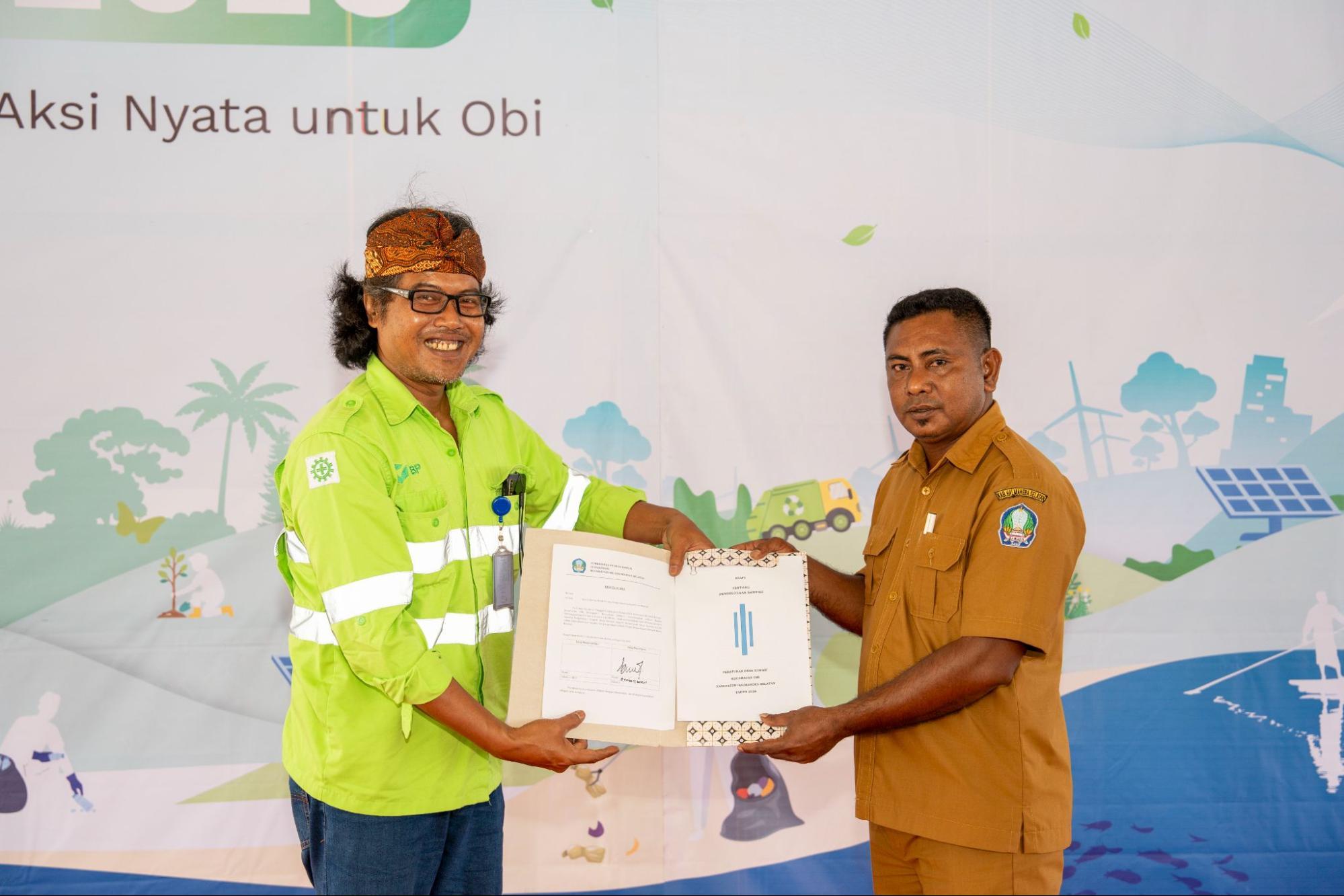
Efforts to build a sustainable, community-based waste management system in Kawasi Village have entered a new phase. Coinciding with World Environment Day 2026, the Kawasi Village Government signed a draft Village Regulation (Perdes) on Waste Management to strengthen the sustainability of the Kawasi Berseri (Clean, Healthy, and Self-Reliant) Program, a collaborative initiative between the village administration and Harita Nickel that has been running since 2023.
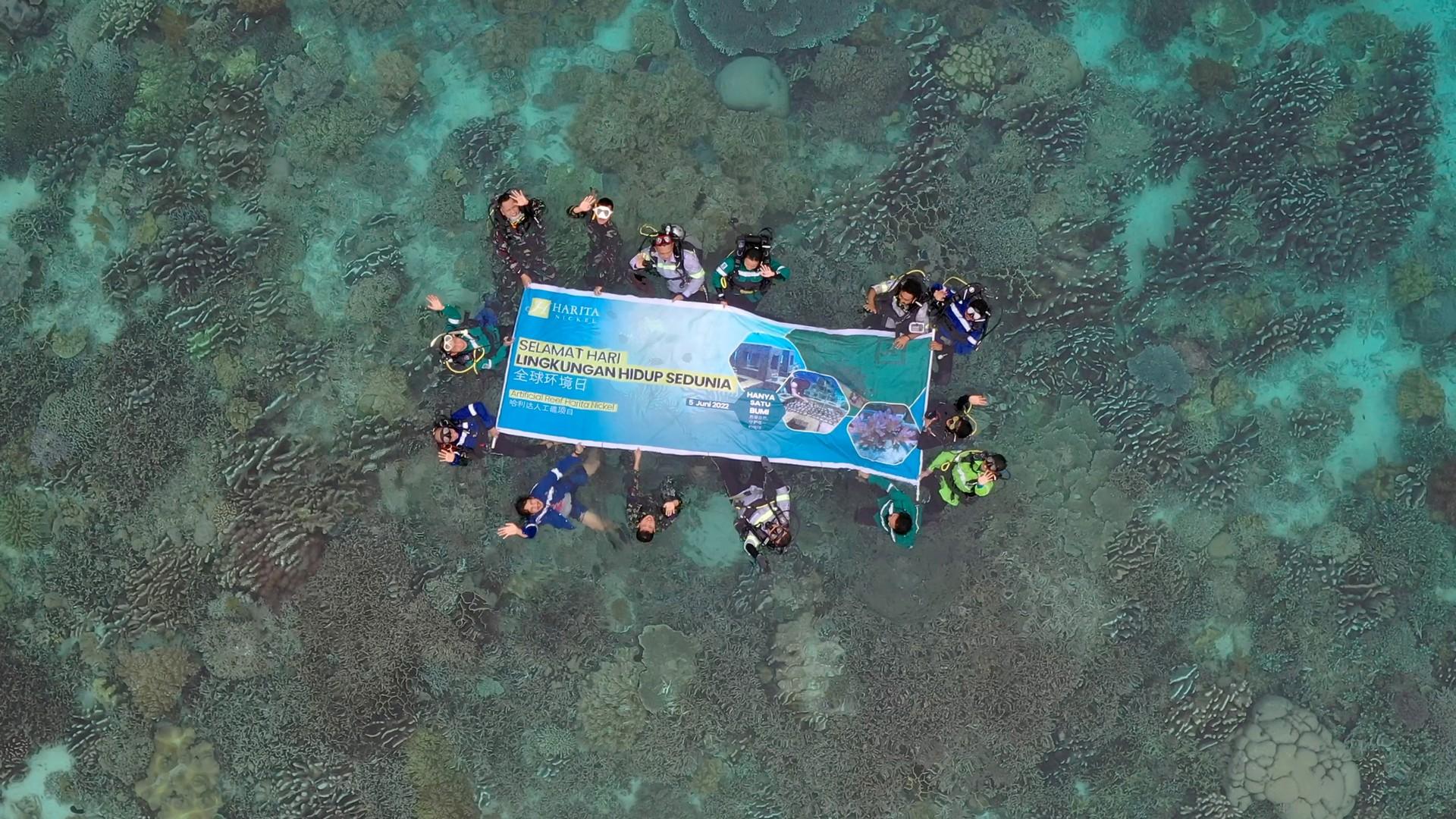
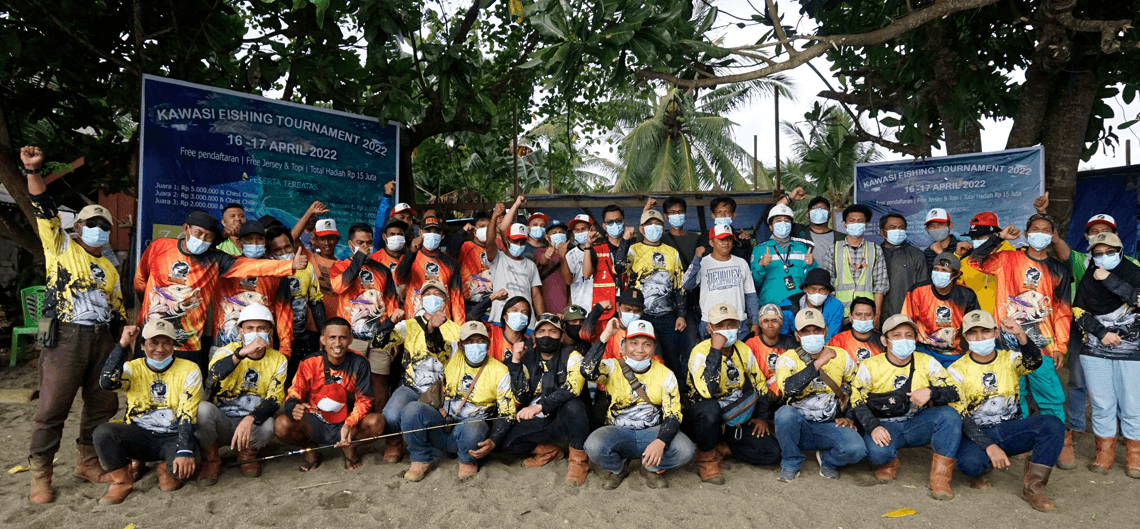
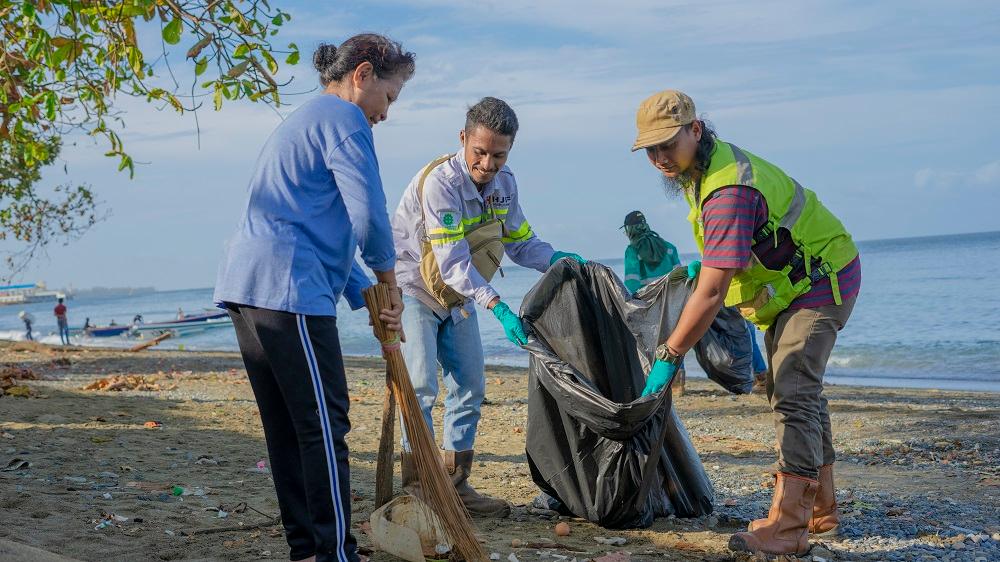
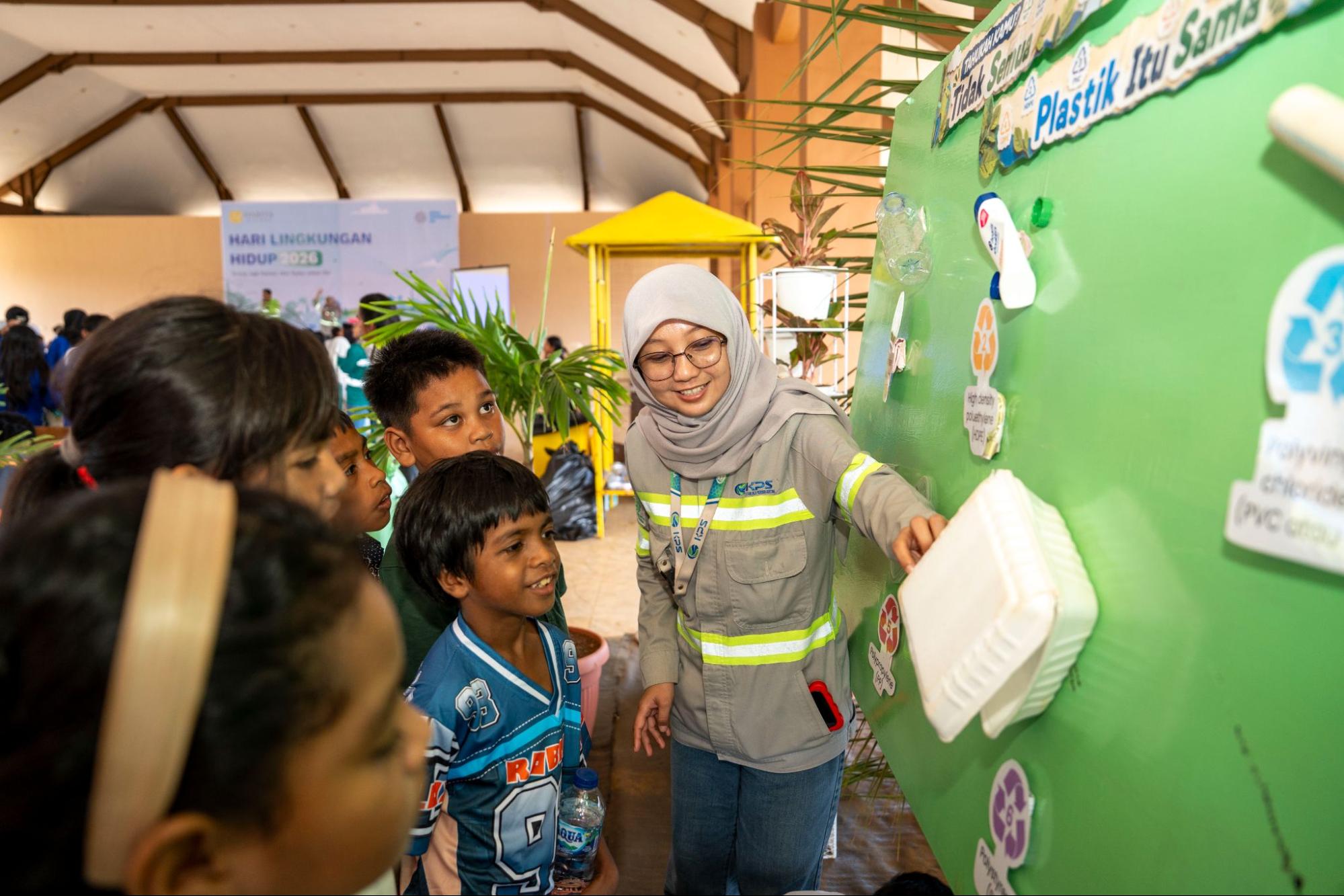
The signing ceremony took place at the Kawasi New Settlement Community Hall on Friday (June 6) as part of a series of World Environment Day activities organized by Harita Nickel and the local community since June 4. The program featured a coastal clean-up involving employees and residents, waste management education sessions, a neighborhood cleanliness competition, and a tree-planting initiative as a shared commitment to environmental conservation and climate resilience.
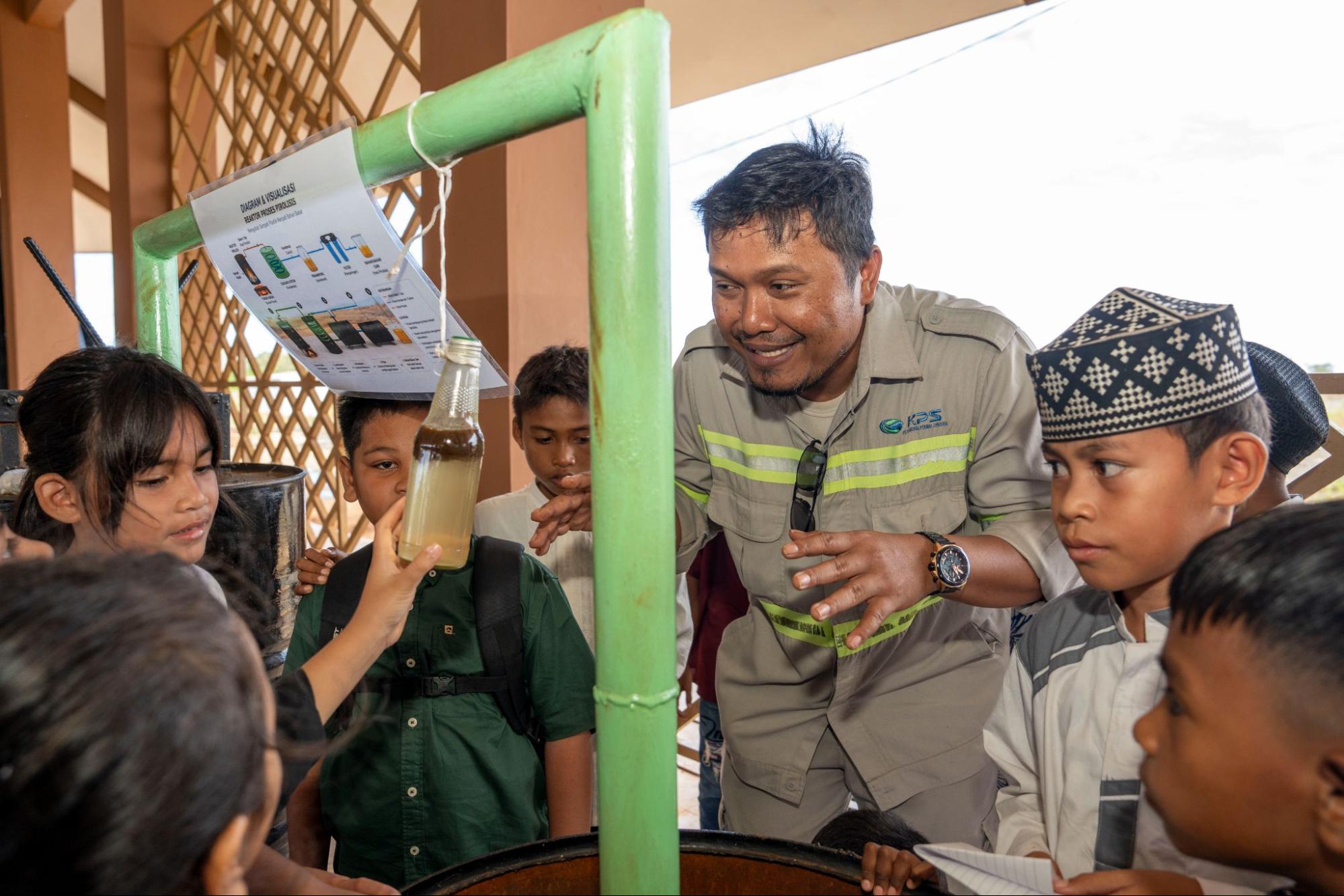
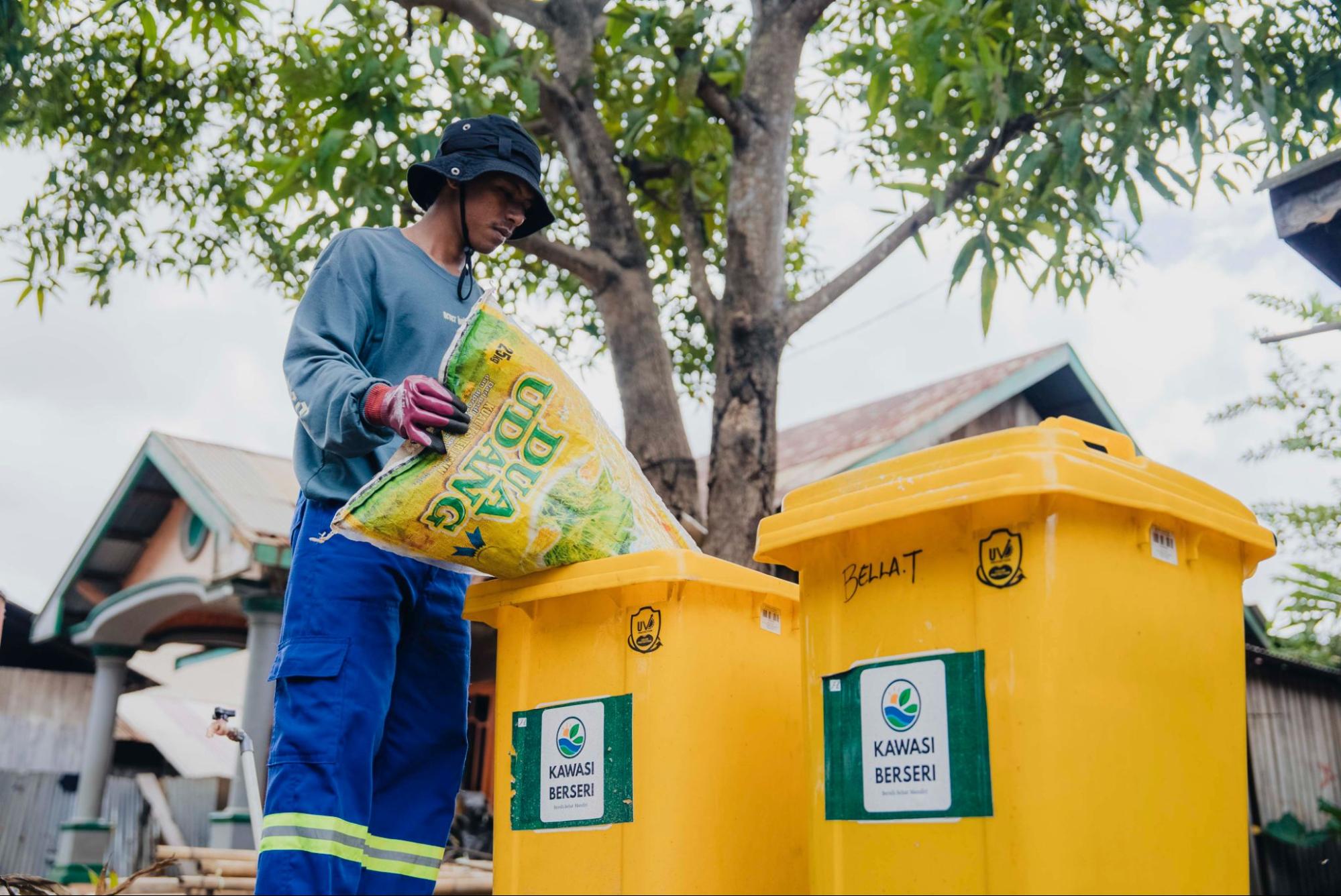
Through the Kawasi Berseri Program, Harita Nickel and the Kawasi Village Government have worked together to establish an integrated waste management system involving residents, the village administration, the village-owned enterprise (BUMDes), and local waste management groups. Implemented under Harita Nickel’s Community Development and Empowerment Program, the initiative goes beyond improving environmental cleanliness by encouraging behavioral change, strengthening local institutions, and fostering active community participation in waste management.
Bambang Bakir, Head of Social Welfare Affairs at the Kawasi Village Government, said the draft regulation represents a strategic step toward providing a clear legal framework for waste management while addressing the growing volume and diversity of waste generated in the village.
“This regulation was drafted to respond to the increasing volume and types of waste in Kawasi Village. Its purpose is to ensure that waste management is not merely a one-off activity, but a system jointly implemented by the community, the village government, and BUMDes,” he said.
According to Bambang, the regulation governs waste management in an integrated manner, covering waste reduction at source, sorting, collection, transportation, and processing. It also strengthens the role of BUMDes in delivering waste management services and establishes a service fee mechanism to support long-term operational sustainability.
He added that Harita Nickel’s support through infrastructure provision, mentoring, and education programs has contributed significantly to improving community capacity and awareness in managing waste responsibly.
The impact of these efforts is already being felt by local residents. Wildos Marsan Totononu, head of the PUSPA (Waste Management Center) Group in Kawasi Village, said public awareness of environmental cleanliness has continued to grow as the program progresses.
“The biggest challenge has been changing long-established habits. But now we are seeing significant progress. The environment is cleaner, and more residents are actively involved in keeping the village clean,” he said.
Broto Suwarso, Community Development Manager at Harita Nickel, said strengthening the regulatory framework is essential to ensuring that the system established through Kawasi Berseri continues to operate and evolve.
“World Environment Day provides an important opportunity to strengthen public awareness and participation. The signing of this draft regulation is a crucial step toward ensuring that waste management can continue independently and sustainably,” he said.
The Waste Management Regulation is expected to further strengthen the foundation of the Kawasi Berseri Program as a model for community-based waste management in Kawasi Village. Collaboration among residents, the village government, BUMDes, waste management groups, and Harita Nickel remains a key driver in creating a cleaner, healthier, and more livable environment for the entire community.