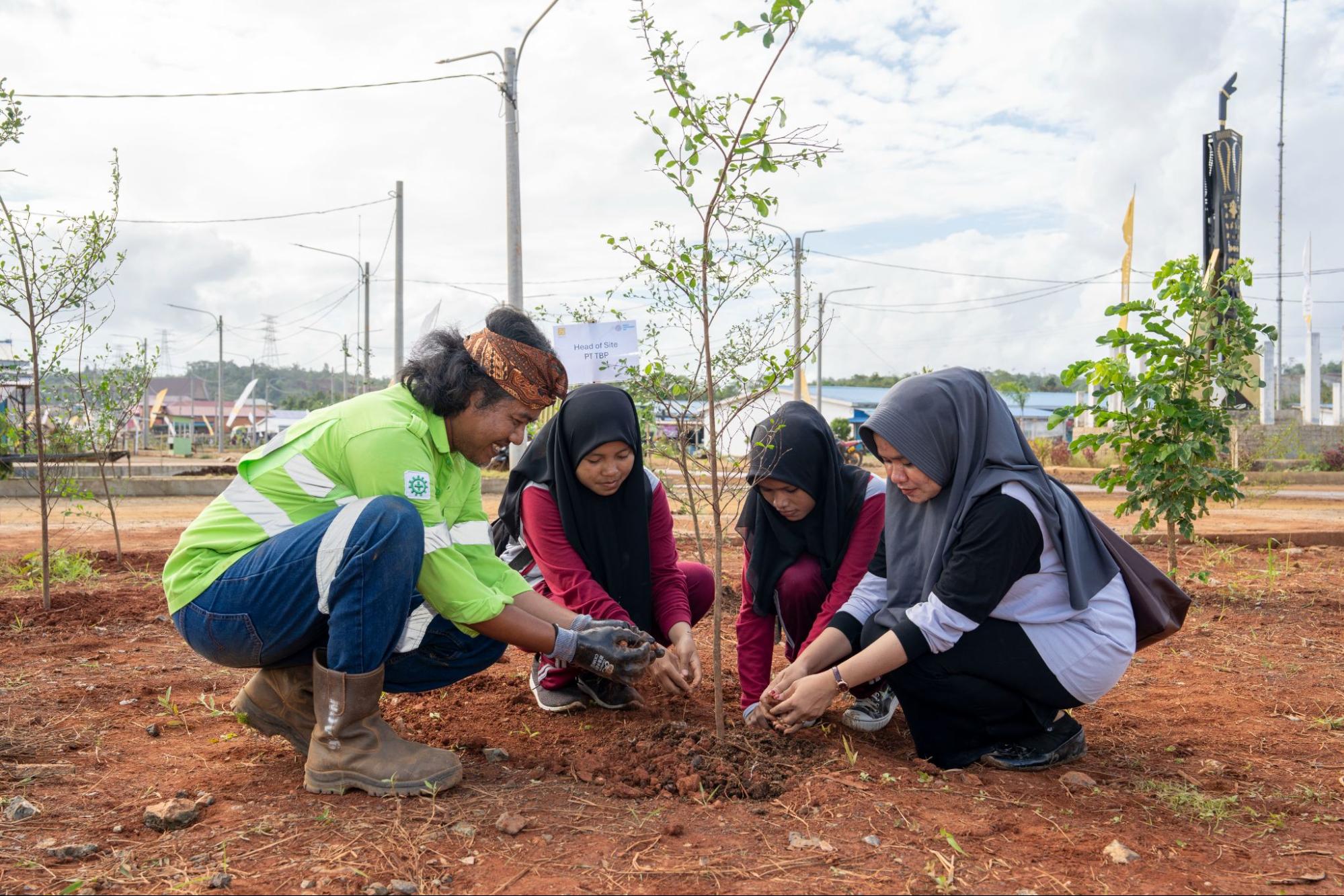
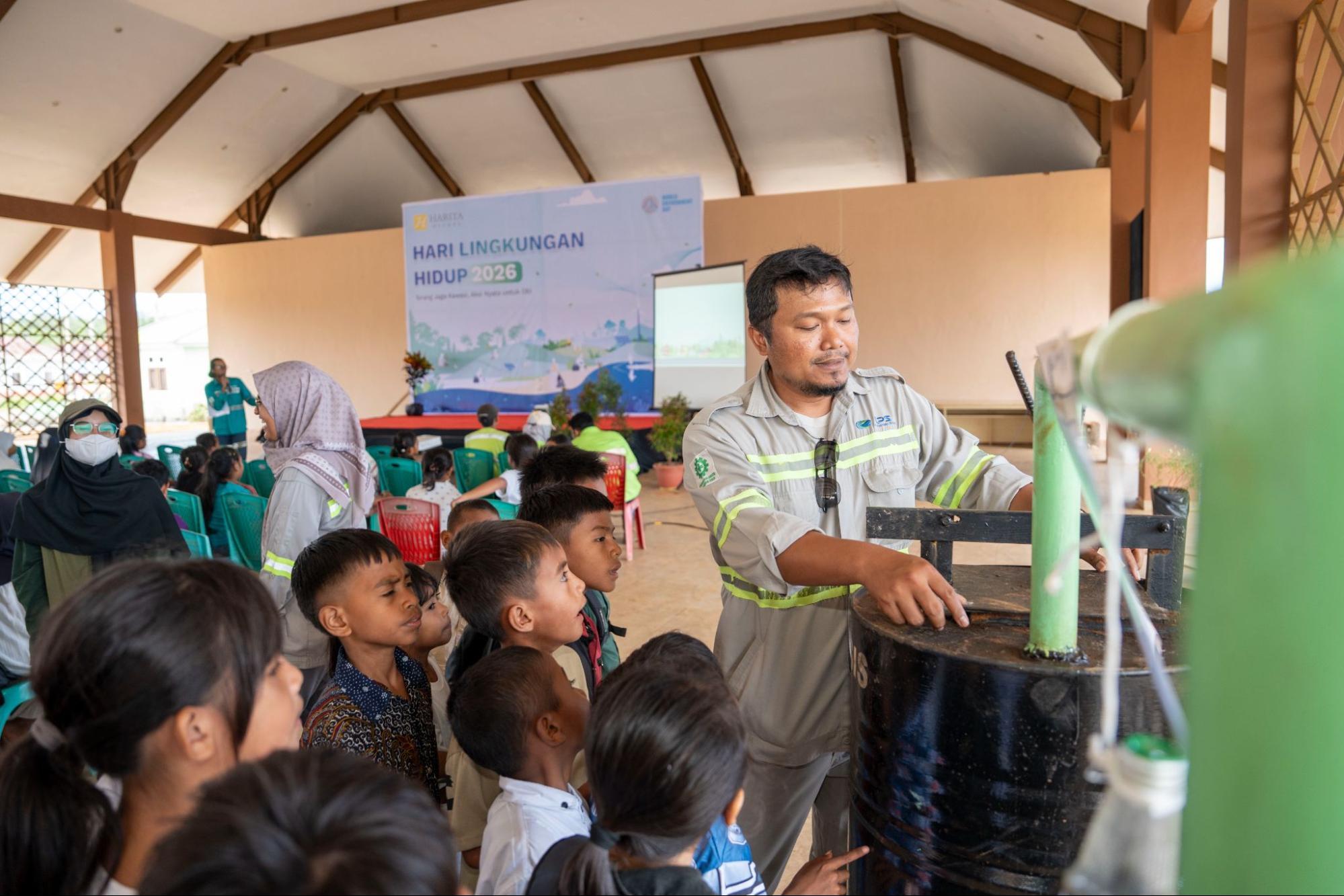
The courtyard of the multipurpose hall in the new Kawasi settlement was filled with laughter and excitement that morning. Hundreds of students, from elementary to senior high school levels, from Kawasi and Soligi villages mingled with Harita Nickel employees before setting off together toward the tree-planting site.
Along the roadside, planting holes had already been prepared alongside rows of sea pine and ketapang kencana saplings, as well as piles of KUSO, an organic fertilizer produced from food waste collected from Harita Nickel’s cafeterias. The scene—a blend of generations and professions working side by side—captured the spirit of the grand finale of the World Environment Day 2026 celebration on Obi Island on Saturday (June 6).
Planting hundreds of trees was more than a ceremonial activity. It represented a tangible commitment to safeguarding environmental sustainability through collective action.
Harita Nickel Environmental Superintendent Indra Maizar described the initiative as a form of social investment.
“Involving students is aimed at fostering environmental awareness from an early age,” he said.
A total of 530 saplings were planted as part of the program. The selected species, including sea pine and ketapang kencana, were chosen for their suitability in supporting coastal ecosystems while providing shade and greenery for the surrounding area. The tree-planting effort was also complemented by a series of community-focused activities.
From Coastal Cleanups to Village Regulations
The greening initiative at the heart of the new Kawasi settlement marked the culmination of a broader series of World Environment Day activities.
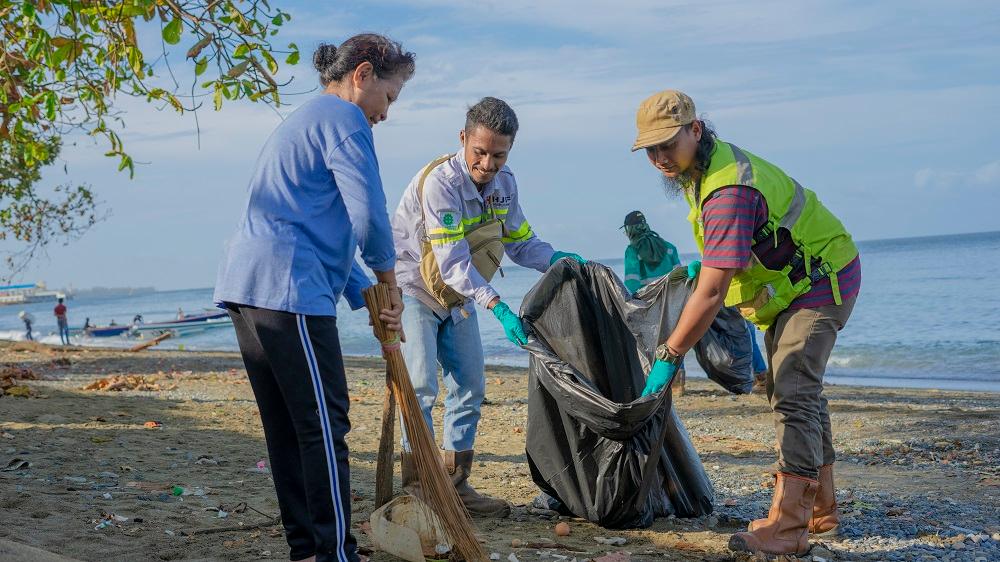
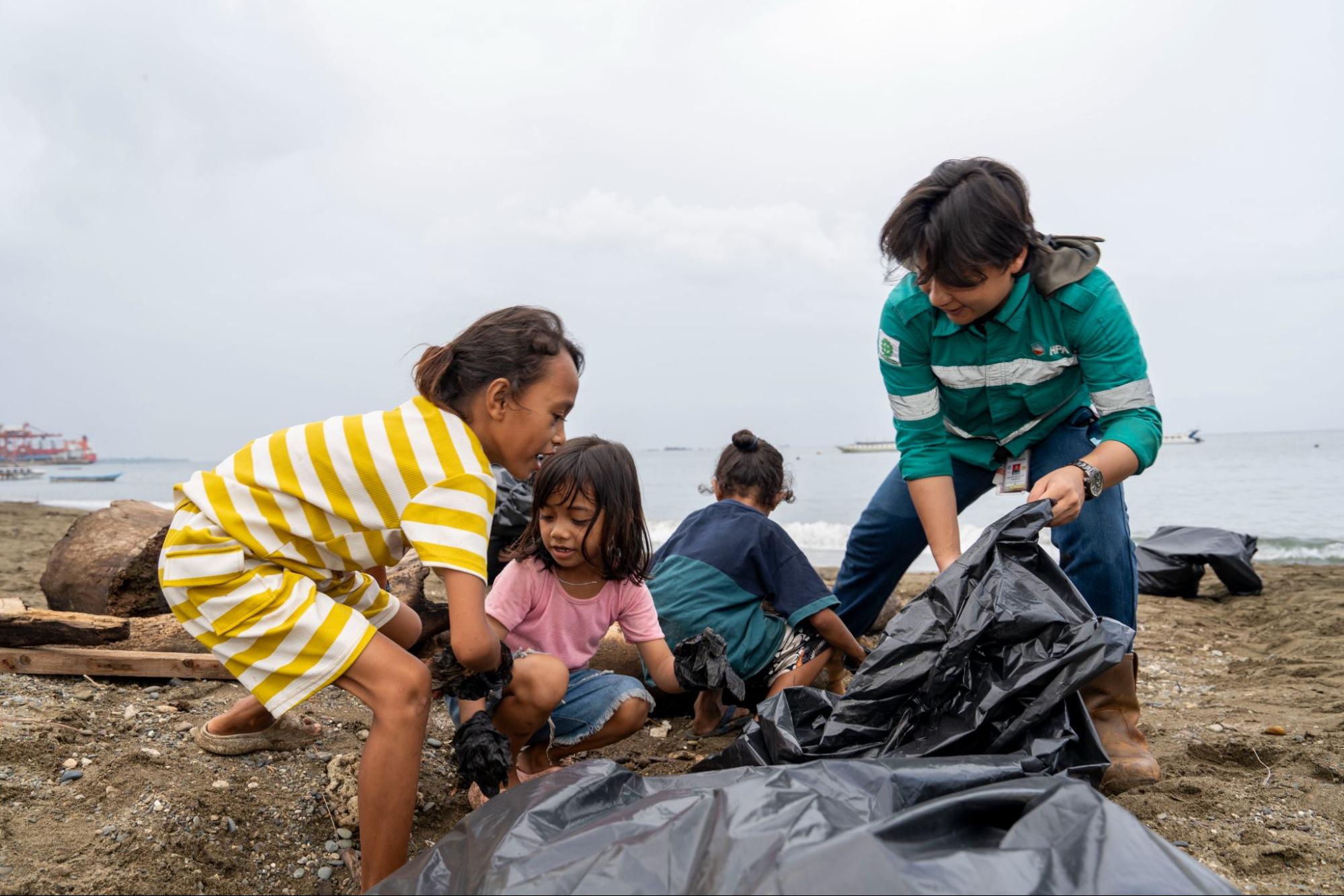
The celebration began with a coastal cleanup along Kawasi’s shoreline, where employees and residents worked side by side to collect and sort waste scattered across the beach.
“It’s encouraging to see the coastline clean again. With the village regulation in place, people are becoming more aware that waste management is a shared responsibility,” said Wildon Marsan Totonunu Leader of Waste Management Center Kawasi Village who joined the cleanup effort.
To ensure a lasting impact, the collaboration was strengthened through the signing of a draft village regulation on waste management. The regulation is expected to reinforce the sustainability of the Kawasi Berseri (Clean, Healthy and Independent Kawasi) program, a joint initiative between Harita Nickel and the Kawasi Village Administration aimed at promoting sustainable waste management practices.
Young People at the Forefront of Change
While the village regulation provides a legal foundation, education serves as an investment in the future.
Through the “Torang Jaga Kawasi, Aksi Nyata untuk Obi” (Protecting Kawasi, Real Action for Obi) campaign, hundreds of students participated in environmental education sessions covering topics ranging from waste management and environmental cleanliness to circular economy principles.
Students learned how organic waste can be transformed into KUSO fertilizer and how plastic waste can be processed into liquid fuel through pyrolysis technology.
“I’m happy to be part of this activity. I just learned that food waste can be turned into fertilizer and that used items can have value again if we know how to reuse them,” said Gilang Muhammad, a junior high school student from Soligi Village.
Bambang Bakir, head of community welfare affairs for the Kawasi Village Administration, emphasized the importance of instilling environmental values from an early age.
“A clean environment is not created overnight. Children must become pioneers who encourage their families and communities to care for nature,” he said.
Echoing the sentiment, Harita Nickel Community Development Manager Broto Suwarso said sustainability can only be achieved through a balance between economic growth, environmental stewardship and human development.
“Protecting the environment is a shared responsibility. Simple habits such as sorting waste can create a significant impact when practiced consistently by young people, who will become the future agents of change for Obi,” Broto said.
The 2026 World Environment Day celebration offered a compelling example of how industrial operations and environmental conservation can go hand in hand. Through collaboration, education and concrete action that brings people closer to nature, Harita Nickel and local communities are laying a strong foundation for a greener, healthier and more sustainable future for Obi Island.