Water, Mining, and Harita Nickel’s Commitment
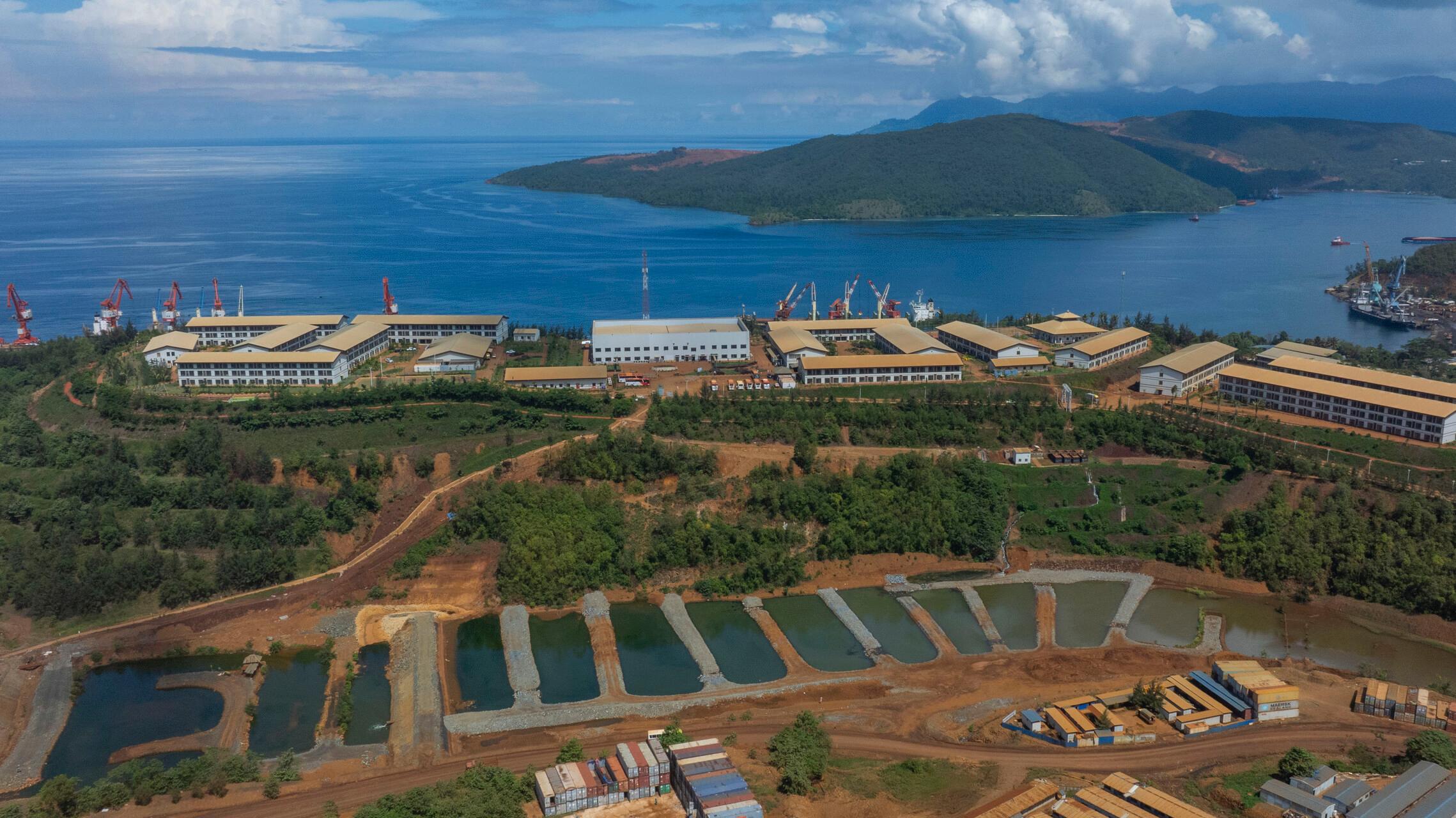
In mining activities, one of the most crucial environmental issues is water management. To ensure that water flowing from mining areas remains safe for the environment, Harita Nickel implements an integrated rainwater management system through the construction of sediment ponds. These facilities are located at several points across the mining area, including around Kawasi Village on Obi Island, North Maluku.
These sediment ponds demonstrate Harita Nickel's firm commitment to maintaining water quality, protecting the surrounding environment, and providing a sense of security for the surrounding community, particularly in Kawasi Village, which is located near to the operational area.
What is a Sediment Pond and Why is it Important?
A sediment pond, or settling pond, is a temporary holding pond that collects runoff from mining areas. In this pond, solid particles and sediments settle at the bottom, allowing the discharged water to become clearer and meet environmental quality standards.
The primary functions of a sediment pond include:
· Reduce Total Suspended Solids (TSS) levels to prevent water pollution.
· Maintain the quality of river and sea water, which are essential to daily life for local communities.
· Control runoff during the rainy season to prevent flooding or excessive turbidity in bodies of water.
Scale and Capacity of Harita Nickel’s Sediment Ponds
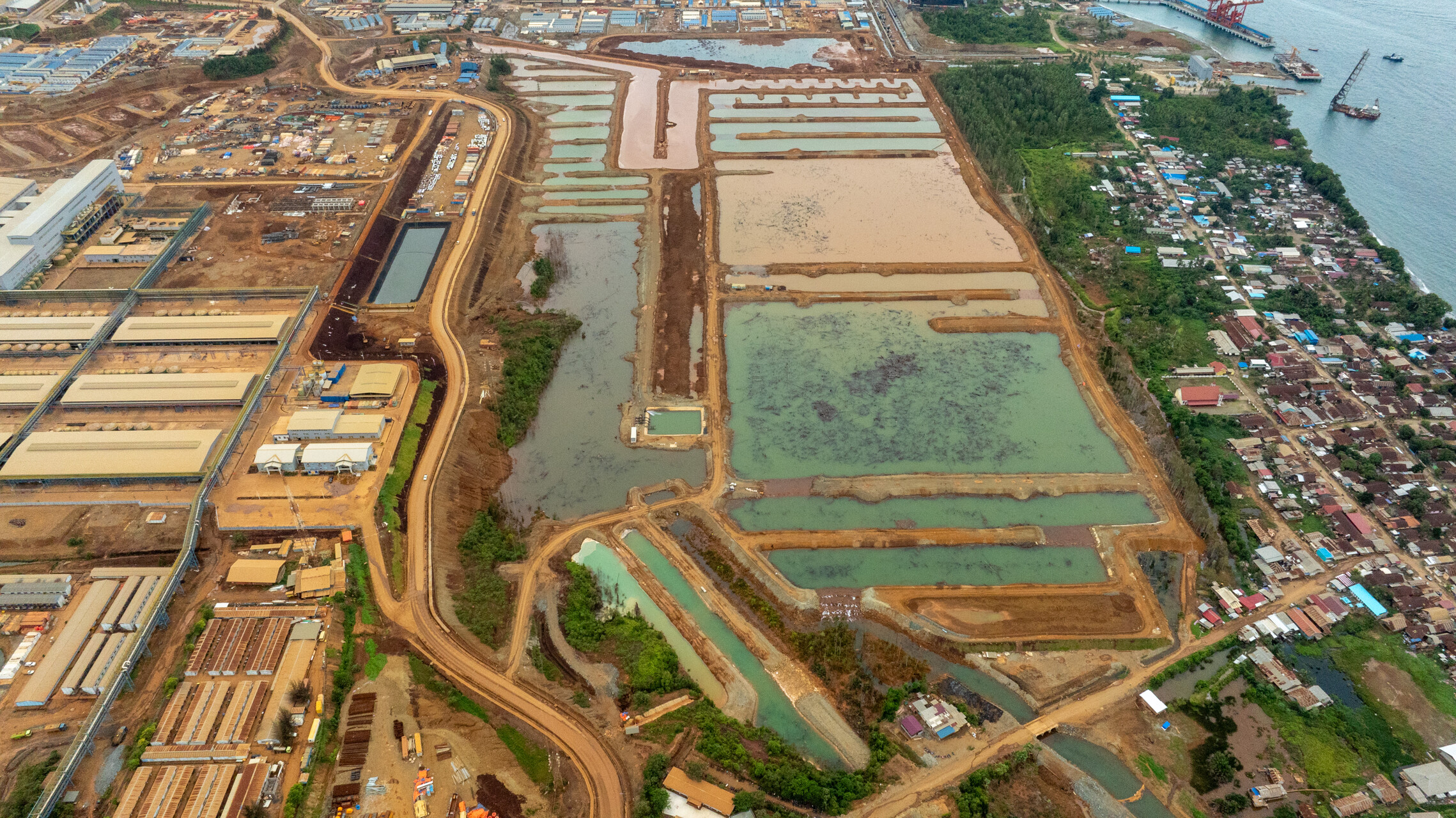
Harita Nickel builds its sediment ponds with carefully planned designs, taking into account the catchment area where water naturally flows. One example is Tuguraci Pond 2, which can accommodate water flows of up to 10,000–50,000 m³ per hour, which is especially important during periods of heavy rainfall.
Furthermore, Harita Nickel routinely adjusts the pond design and capacity to reflect the size of the catchment area being cleared. This means that each time new land is cleared, the pond system is expanded to accommodate the potential for rainwater runoff. This way, the risk of sediment overflow is minimized.
Commitment to Water Management in Kawasi
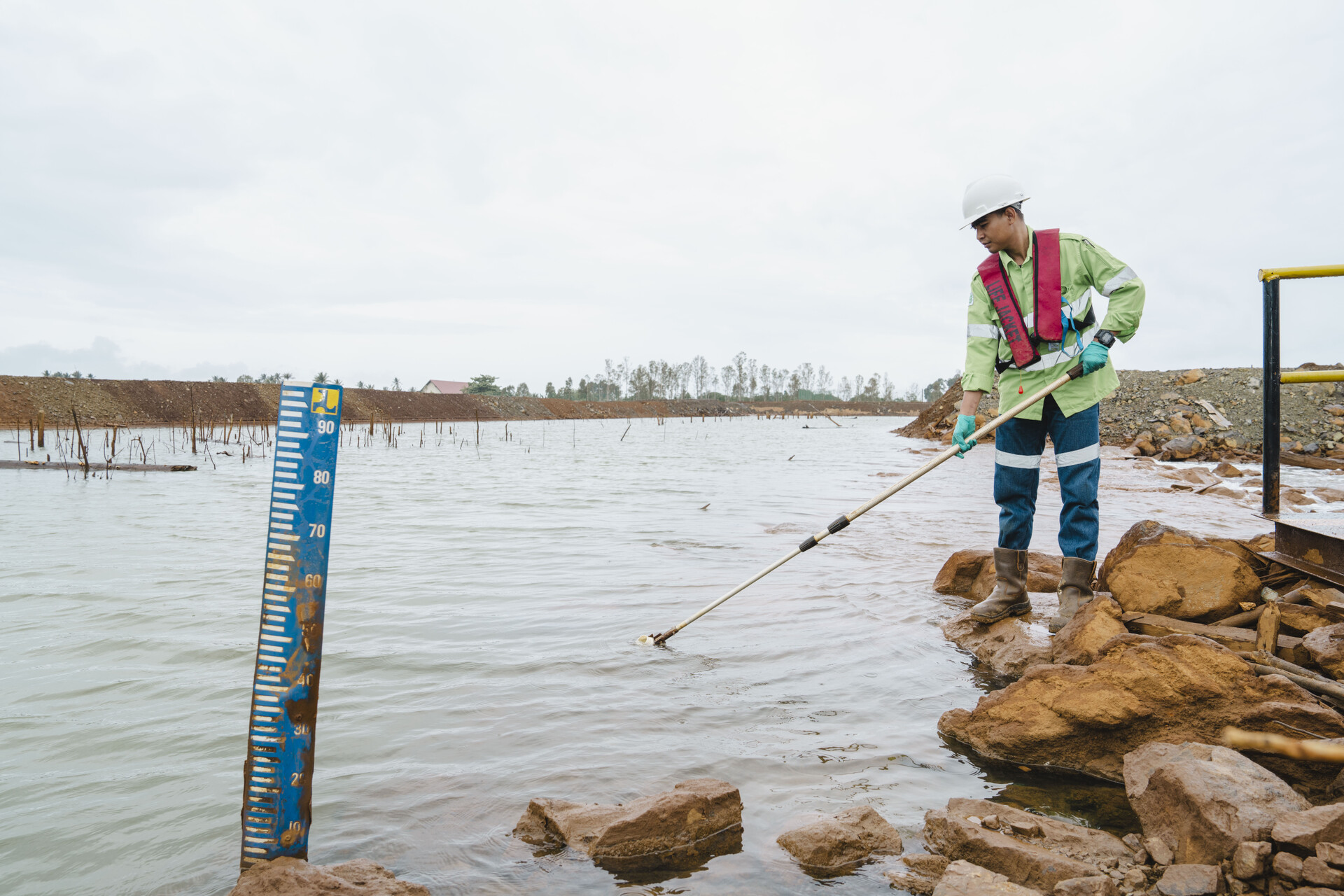
Kawasi Village is a key location for the implementation of this sediment pond system. As the area closest to mining operations, water quality in Kawasi must be strictly maintained. Harita Nickel ensures that any water flowing into the sea around Kawasi has undergone a strict filtration and sedimentation process in the sediment pond.
By taking these steps, Harita Nickel strives to ensure mining operations do not compromise environmental sustainability or the well-being of the Kawasi community.
Part of Harita Nickel’s ESG Commitment
The development and management of sediment ponds are part of Harita Nickel’s broader commitment to sustainability, ensuring a balance between environmental, social, and governance (ESG) principles.
By strengthening the application of these ESG values, Harita Nickel strives to make sure every aspect of its operations runs responsibly and transparently.
-
Environmental: Protecting water quality and aquatic ecosystems.
-
Social: Building and maintaining the trust of the Kawasi and Obi Island communities that mining activities are managed responsibly.
-
Governance: Adhering to strict regulations on mine water quality and ensuring transparency in environmental management.
In its sustainability report, Harita Nickel highlights that water management is one of the company’s key pillars in sustainable mining practices.
The existence of sediment ponds in Kawasi and across the Obi Island mining area is a reflection of this commitment, showing how the company manages mine water responsibly in line with environmental regulations. With adaptive designs and supporting technology, Harita Nickel proves that mining operations can go hand in hand with efforts to protect the environment.Through integrated water management via sediment ponds, the company continues to ensure that the water quality around its mining areas, including in Kawasi, remains clean and well within environmental standards.