
Among Harita Nickel's diverse employees, dance has become a language that brings people together. Through traditional movement, they learn about different cultures, share stories, and build a stronger sense of togetherness.
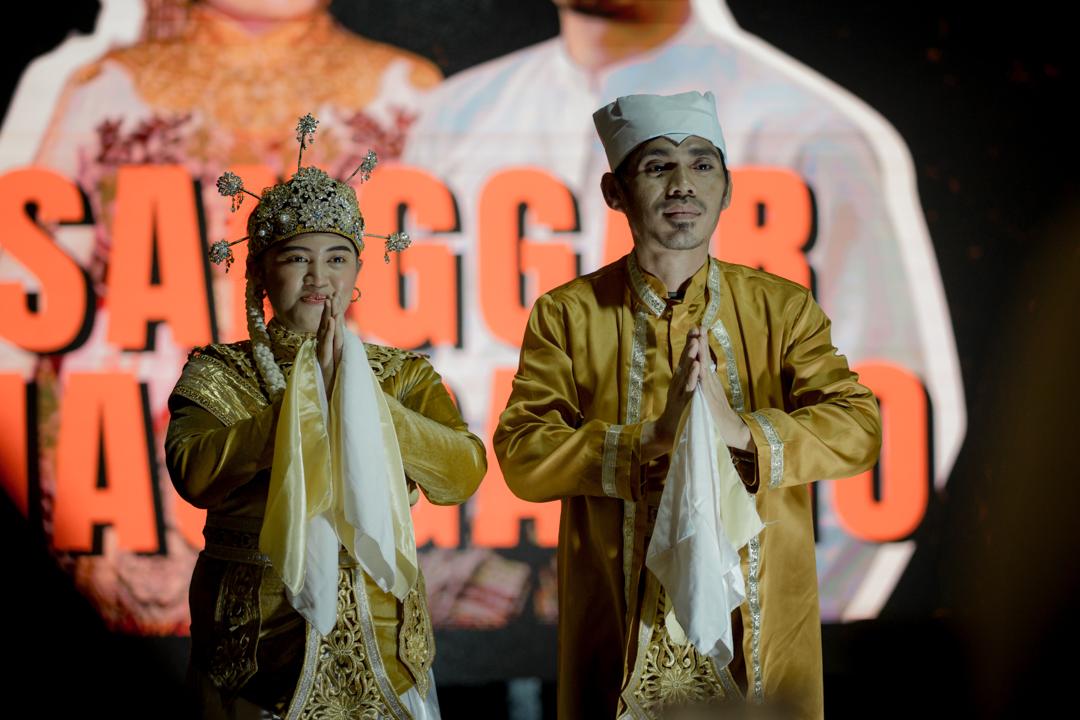
In a workplace that brings together people from across Indonesia, Sanggar (dance studio) Masigaro offers a space to explore the nation's rich cultural heritage through dance. It is not devoted to the culture of a single region. Instead, it embraces the many art forms that its members bring and share.
The dance studio was founded on 29 November 2025. The name Masigaro comes from a local language of Ternate, North Maluku, and means "to invite." That meaning reflects the group's spirit of inviting employees to learn about, study, and preserve Indonesian culture together.
The idea came from Saddam Hi Kasim, an Industrial Relations staff member at PT Karunia Permai Sentosa (KPS), a Harita Nickel business unit. Saddam noticed that, amid busy work schedules, some employees had an interest in and experience with dance but no place to pursue it.
"I know that our colleagues here enjoy more than just basketball and singing. Some love to dance as well. So there is nothing wrong with the company providing a space for them to pursue their passion for traditional dance," said Saddam.
The invitation received a positive response. Today, about 20 employees have joined Sanggar Masigaro. They come not only from North Maluku but also from other parts of Indonesia, each with a different background and cultural experience.
For Syahril Abd Rauf, one of the members, this diversity is a big part of the appeal. The dance studio has connected Syahril with colleagues who share the same interest. It has also opened the door to learning about art forms from other regions.
"I am happy to meet people who share my interest in dance. Here, I can also learn about and get to know dances from other regions that I did not know before," said Syahril.
Learning takes place in two classes, one for professionals and one for beginners. Those with experience share their knowledge, while beginners have room to learn and grow together.
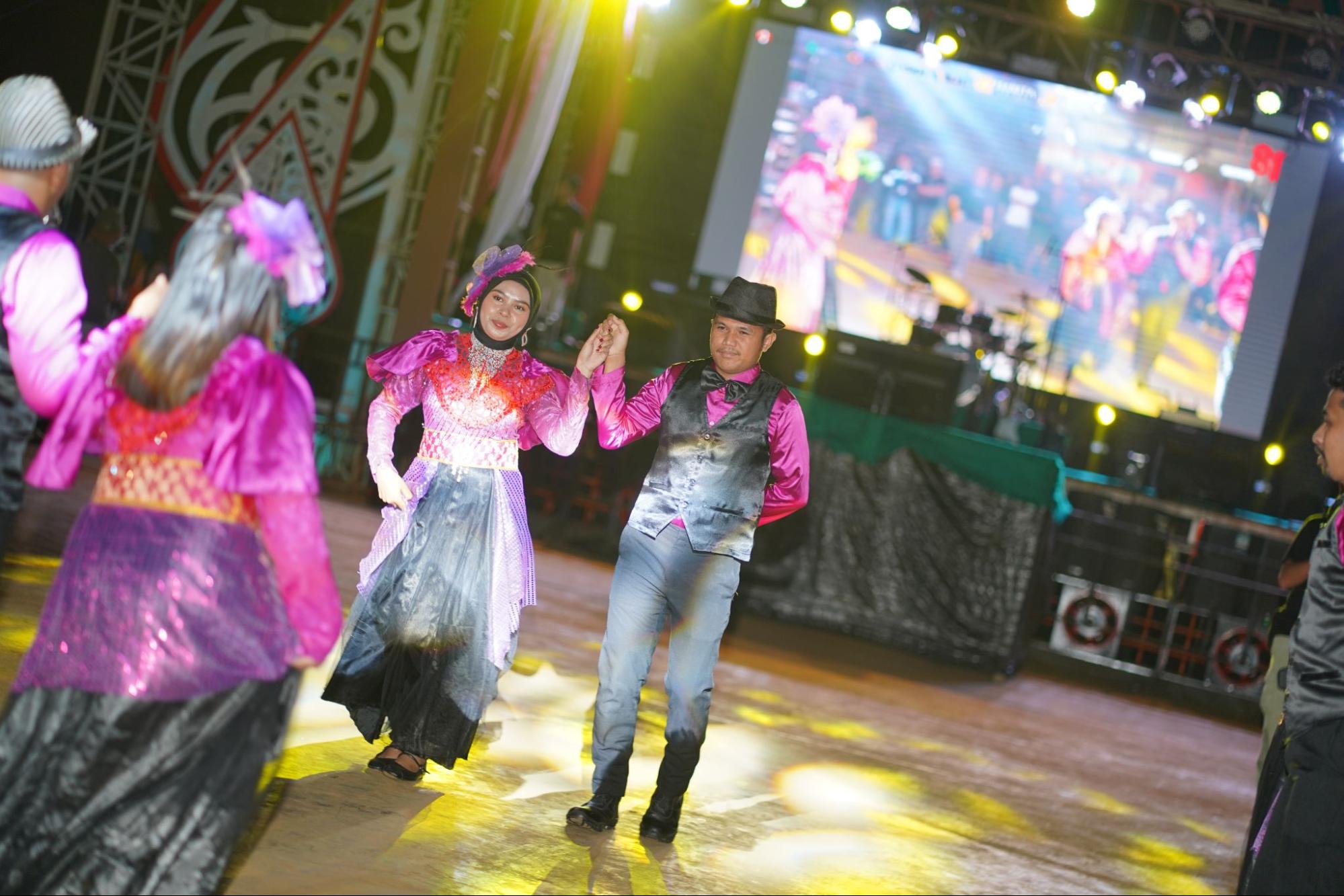
That togetherness was then brought to the stage. At Herophoria #6, held to celebrate the 81st anniversary of Indonesian Independence, Sanggar Masigaro performed the Katreji dance. This art form from Maluku blends local culture with European influences.
In its latest performance, the group presented the Dendang Ba Lala dance, also known as Ba Dendang Cobo Lala. This art form belongs to the Malay cultural family and has been part of life for centuries in the territory of the Bacan Sultanate. It is a traditional cultural expression typical of South Halmahera and has been protected as communal intellectual property.
The company supports the group's growth, including by providing a rehearsal space and opportunities to perform at various company events.
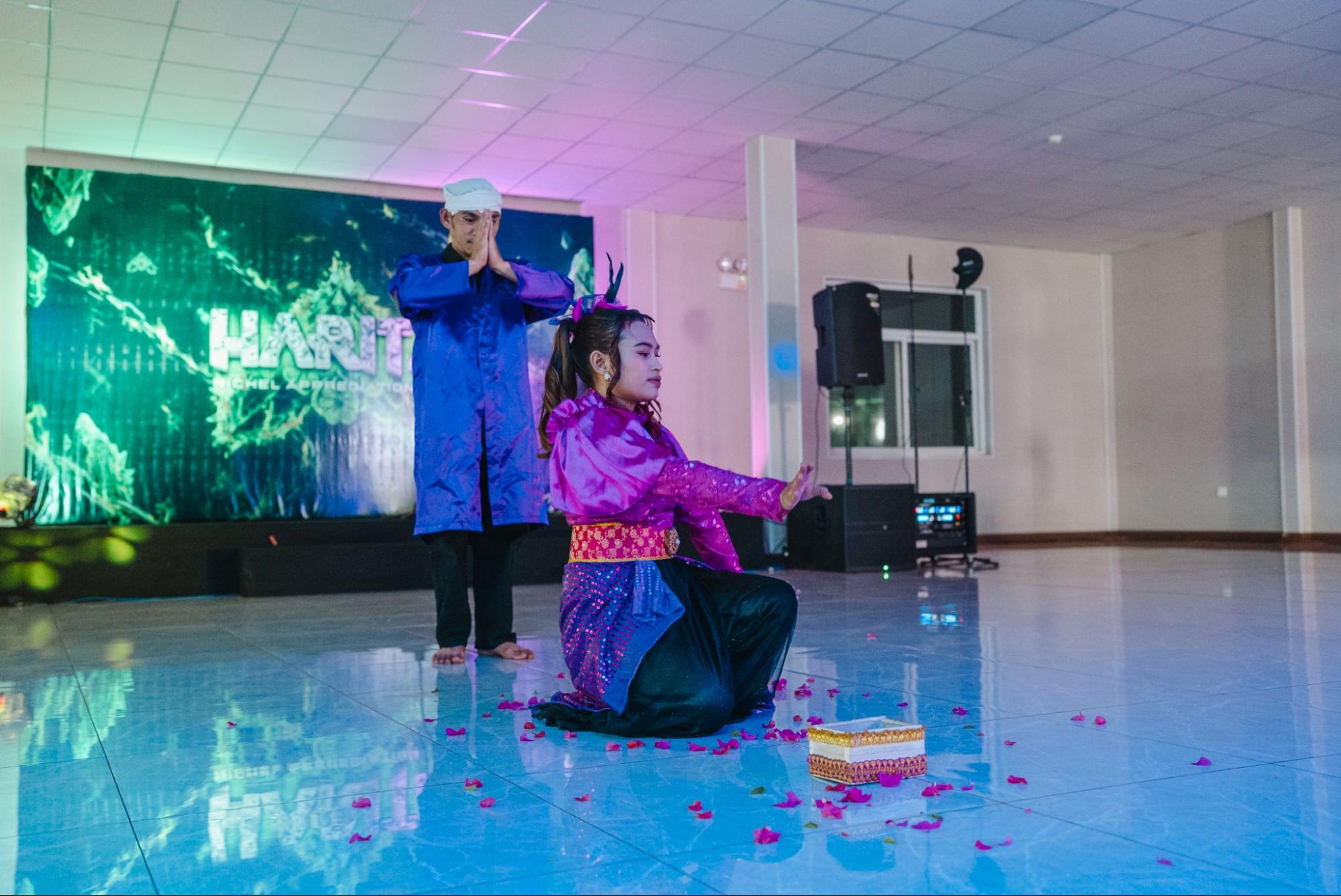
Looking ahead, Saddam hopes Sanggar Masigaro can grow into a broader platform. He envisions employees from Harita's various business units sharing their knowledge and love for regional arts.
More than a way to pursue a hobby, the dance studio has become a place where people meet. For its members, dance can be a way to learn about other cultures, strengthen fellowship, and ease the longing for their hometowns.
At Sanggar Masigaro, differences in regional origin do not remain mere differences. Through dance, employees get to know one another, share their cultures, and nurture their love for the heritage of the archipelago. That spirit also strengthens fellowship and brings to life the value of Bhinneka Tunggal Ika (Unity in Diversity) and the spirit of One Harita, Looking Out for Each Other.