
Harita Nickel respects press freedom and the media’s role in highlighting the experiences of women, children, fishermen, and vulnerable groups. We do not deny that residents’ concerns need to be heard and followed up. We also consider health problems and domestic violence serious matters that must be addressed with due regard for the safety, confidentiality, and best interests of those affected.
However, the Konde.co article titled “Child Suffers Shortness of Breath and Itching, Woman Experiences Domestic Violence, Social-Ecological Costs Ignored by Harita in Obi Island” contains several statements that turn testimony or allegations into causal conclusions, as well as scientific and numerical inaccuracies. It also omits material context provided by Harita Nickel before publication. This Right of Reply is submitted to ensure that readers receive a more complete picture and can distinguish between residents’ experiences, general risks, and causal relationships that still require evidence.
The Headline and Caption Should Distinguish Testimony from Established Conclusions
The article’s headline creates the impression that Harita Nickel both caused and ignored all of the health complaints and domestic violence described. The online caption goes further by stating that the child’s condition resulted from “environmental destruction” caused by Harita’s activities. The article does not present medical examinations or environmental assessments establishing such a causal relationship, nor does it provide evidence linking the domestic violence to the company’s actions. The suggested chain of causation—that Harita Nickel’s operations caused health problems, which then led to debt and domestic violence—is not substantiated at each causal link.
Accordingly, the domestic violence described cannot be presented as an impact or “social cost” caused or ignored by Harita Nickel. We request that the account remain presented as the survivor’s experience and the individual perpetrator’s actions, without attributing the cause to the company. The caption should likewise clarify that the relationship between the child’s health complaints and any specific environmental source has not been established through medical examination or environmental assessment.
Health Complaints Require Medical Assessment and Exposure Data
Harita Nickel is concerned about the history of bronchopneumonia and skin complaints described by the family. We do not dispute the testimony itself. However, a reported diagnosis, second-hand account of medical advice, and photographs of skin symptoms do not by themselves establish a specific source or cause. Bronchopneumonia and skin conditions can have multiple causes. A responsible assessment requires verification of medical records, clinical examination, anonymous case mapping, air or water quality data corresponding to the relevant time and location, and exposure assessment.
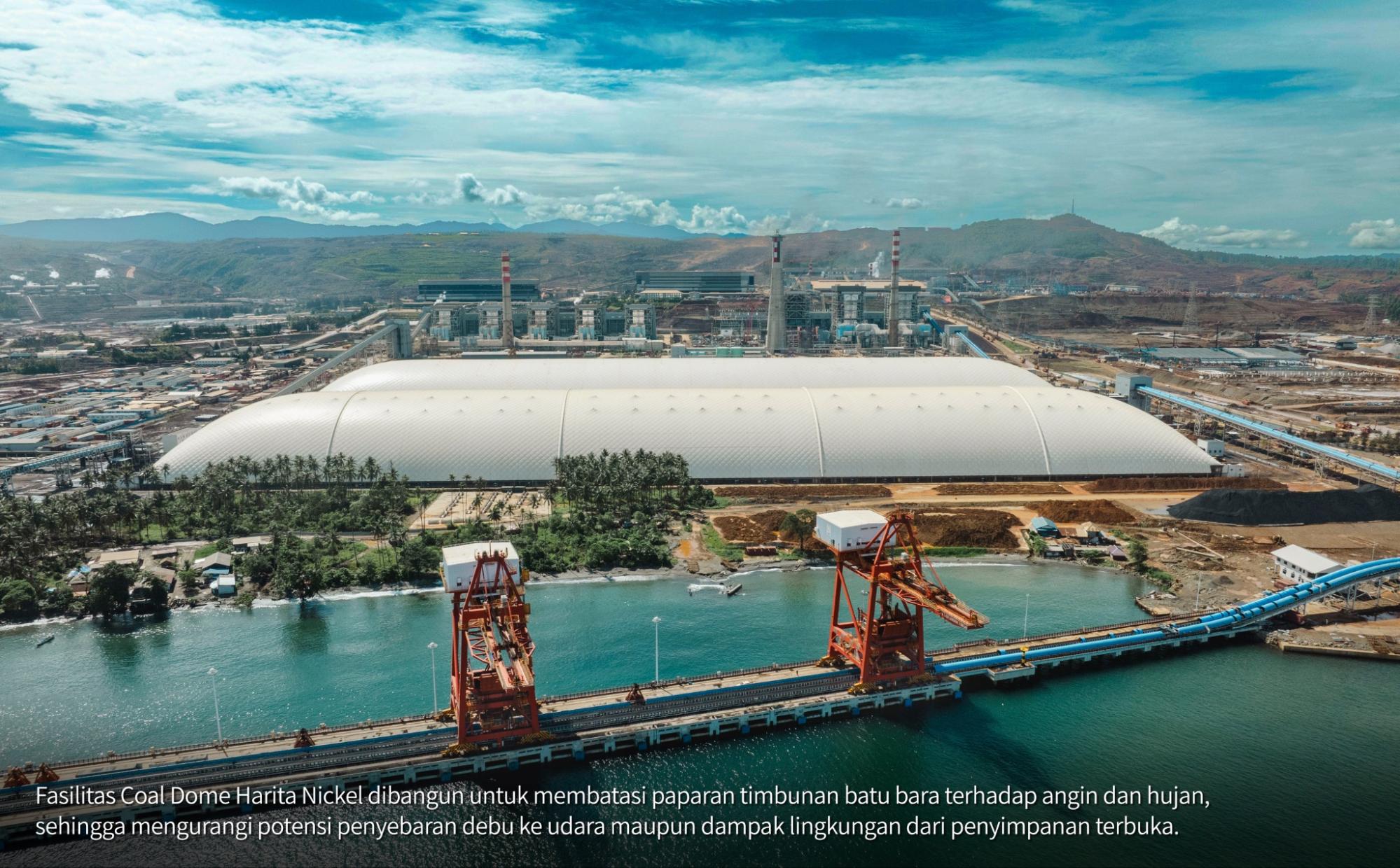
To control fugitive dust from coal handling, Harita Nickel operates two enclosed coal domes and is constructing a third, together with conveyor systems connecting the jetty to storage and usage areas. These controls are complemented by Electrostatic Precipitators and Flue Gas Desulfurization systems in the combustion process. Emissions from power generation and industrial processes are monitored through calibrated Continuous Emission Monitoring Systems integrated with the government’s SISPEK system. Based on the company’s monitoring results, emission parameters from monitored sources remained within applicable regulatory limits throughout 2025.
Harita Nickel has also conducted a Health Impact Assessment and supported the provision of medicines and medical equipment, medical examinations, immunization, health education, transportation, and medical referrals. Healthcare service records from January to May 2026 recorded 163 services classified as ISPA in Kawasi, compared with 1,193 in Labuha, 810 in Maffa, and 740 in Babang.
These figures indicate that ISPA is recorded across South Halmahera and is not limited to Kawasi. However, aggregated healthcare service data cannot be used to determine prevalence or establish a causal relationship with a specific emission source. Such conclusions require medical assessment, epidemiological analysis, and integrated air-quality monitoring.
Scientific Explanations in the Article Require Correction and Sources
The article refers to “national and international research” without linking to any specific studies and categorizes risk solely according to distance: less than 1 kilometer, 1–3 kilometers, and more than 3 kilometers. Distance is not the only determinant of pollutant concentration. An assessment must also consider emission rates, pollutant type, stack height and temperature, wind, atmospheric stability, topography, buildings, and control technologies. The categories of “very severe,” “moderate,” and “less severe” should therefore be removed unless supported by primary sources and clear limitations on their application.
The term “chronic cough” is also incorrectly presented as an acute effect. The statement that metals “automatically” cross the placenta is overly absolute because this depends on the type and form of the substance, dose, route of exposure, and timing. References to fetal death, birth defects, autism, and stunting should not be presented as direct outcomes occurring in Kawasi without biomonitoring, outcome data, and primary sources identifying the relevant substance and dose. The phrase “risk increases several-fold” likewise requires a clearly stated effect measure.
The comparison between Kawasi and Bantaeng represents a source’s perspective rather than evidence of specific impacts in Kawasi unless the technology, scale, meteorology, topography, and health data of the two locations are appropriately compared. The statement that household cleaning frequency increased from 1–2 times to 3–5 times also does not mathematically amount to “ten times higher.” Harita Nickel requests that this inaccuracy be corrected.
Water Management and Openness to Independent Testing
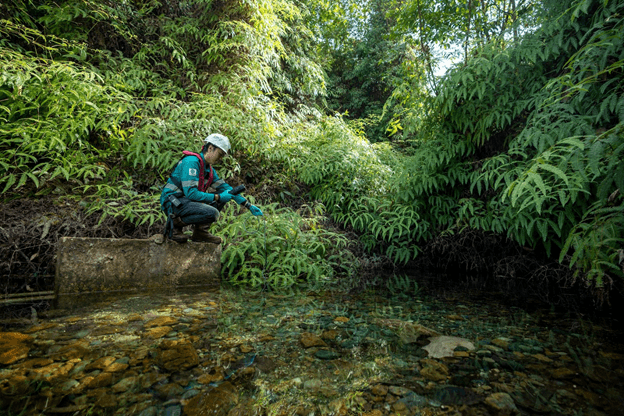
The article states that industrial activities contaminate water sources “as has occurred in Kawasi,” but does not present contemporary test results from springs, distribution networks, or household points of use establishing contamination or its source. Purchasing bottled water is relevant information regarding household economic burdens, but does not by itself establish that the water source was contaminated by company operations.
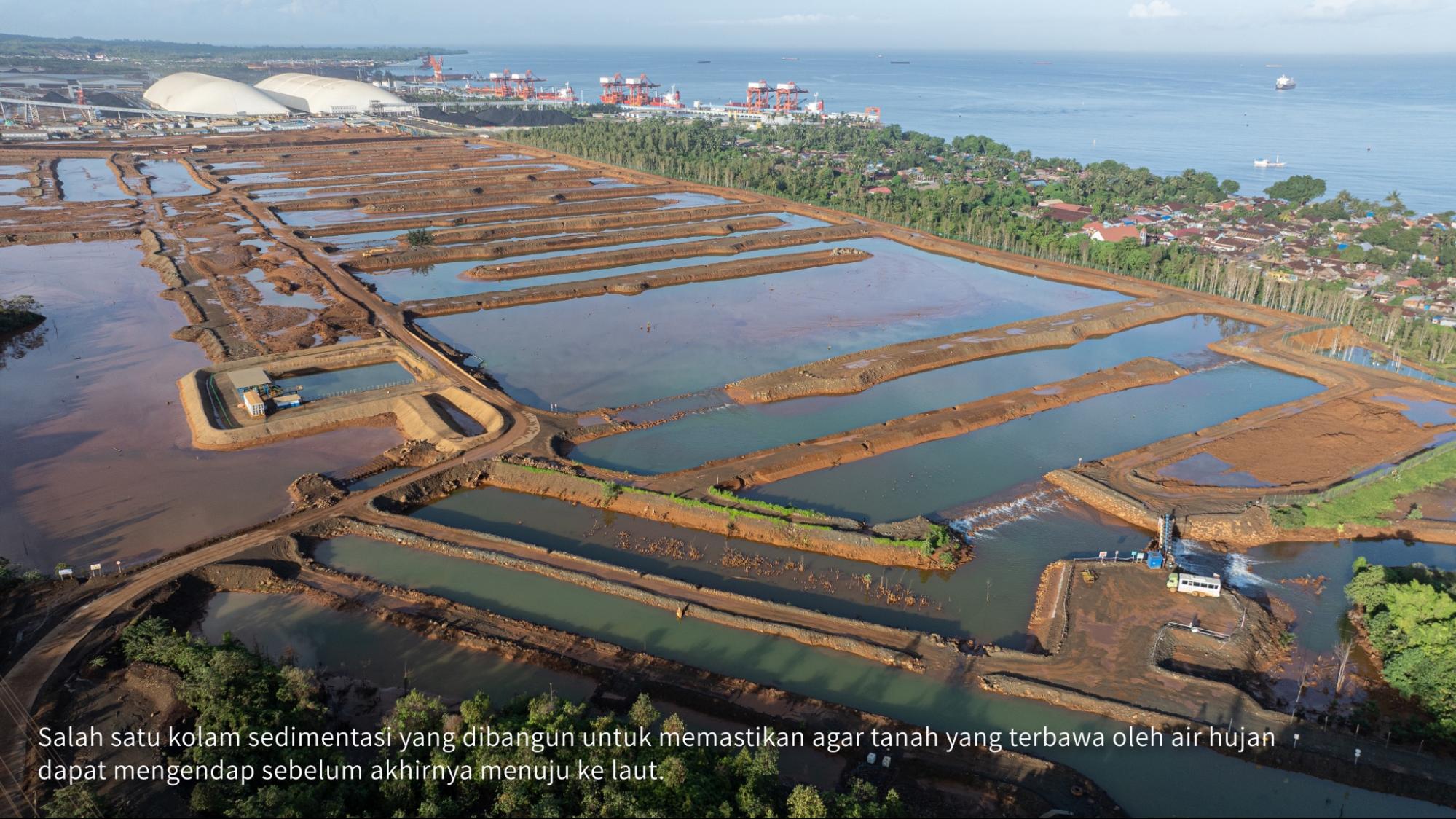
Harita Nickel manages rainwater runoff through drainage systems and sedimentation ponds and treats process wastewater through a Wastewater Treatment Plant. Effluent parameters, including TSS, are monitored internally, verified by accredited third-party laboratories, and reported through SPARING. Based on the company’s monitoring results, operational effluent in 2025 complied with applicable quality standards. The HPAL process is designed to minimize the formation of Cr6+. RKEF process residues (nickel slag) and HPAL residues (tailings) are managed and stored on land. These facilities are equipped with drainage systems both within and outside the facilities to prevent runoff from entering tailings areas, water treatment installations, and water-quality monitoring systems.
We acknowledge that effluent compliance data does not, by itself, establish the condition of all water sources used by residents. For that reason, Harita Nickel remains open to independent testing of springs, distribution networks, and household points of use under agreed protocols, QA/QC procedures, and chain-of-custody requirements. The company is also preparing a reverse osmosis facility with a capacity of approximately 40 cubic meters per day, equipped with filtration and ozonation, targeted to be fully operational in the second half of 2026. This facility is intended to strengthen water services; it is not an admission that previous water sources were contaminated by the company.
Claims Regarding the Sea, Biota, and Fishermen Require Verification
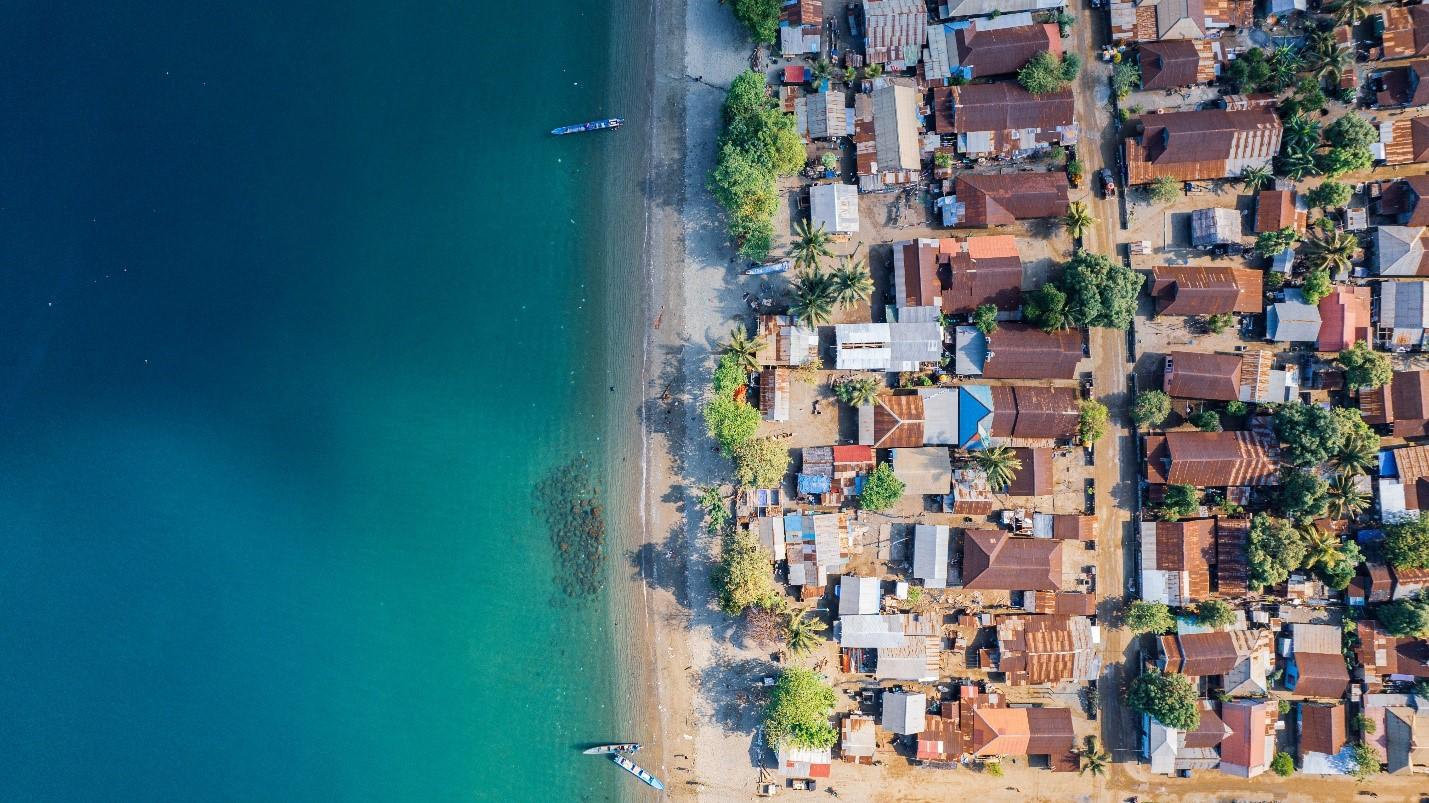
Harita Nickel respects the account provided by Sanusi’s family concerning changes in catch volumes and fishing distances. However, individual experiences cannot be generalized or attributed to a single source without comparable data on catch per unit effort, season, fishing gear, species, location, weather, and vessel routes. Likewise, identifying the source of marine turbidity requires TSS or turbidity data, sampling dates and locations, current and tidal conditions, and an assessment of sediment sources. Accordingly, causal statements in the article should be presented as attribution to the source.
The article cites the 2023 WALHI North Maluku research without linking to the full report or providing the number and coordinates of samples, sampling dates, laboratory, methodology, QA/QC, detection limits, raw data, or applicable standards. The presence of metals in biological samples does not automatically establish that fish are unsafe to consume. Risk assessment requires information on species and tissues, concentrations, sample size, consumption patterns, body weight, and applicable food safety standards. Harita Nickel remains open to reviewing the full report and supporting independent testing of water and biota.
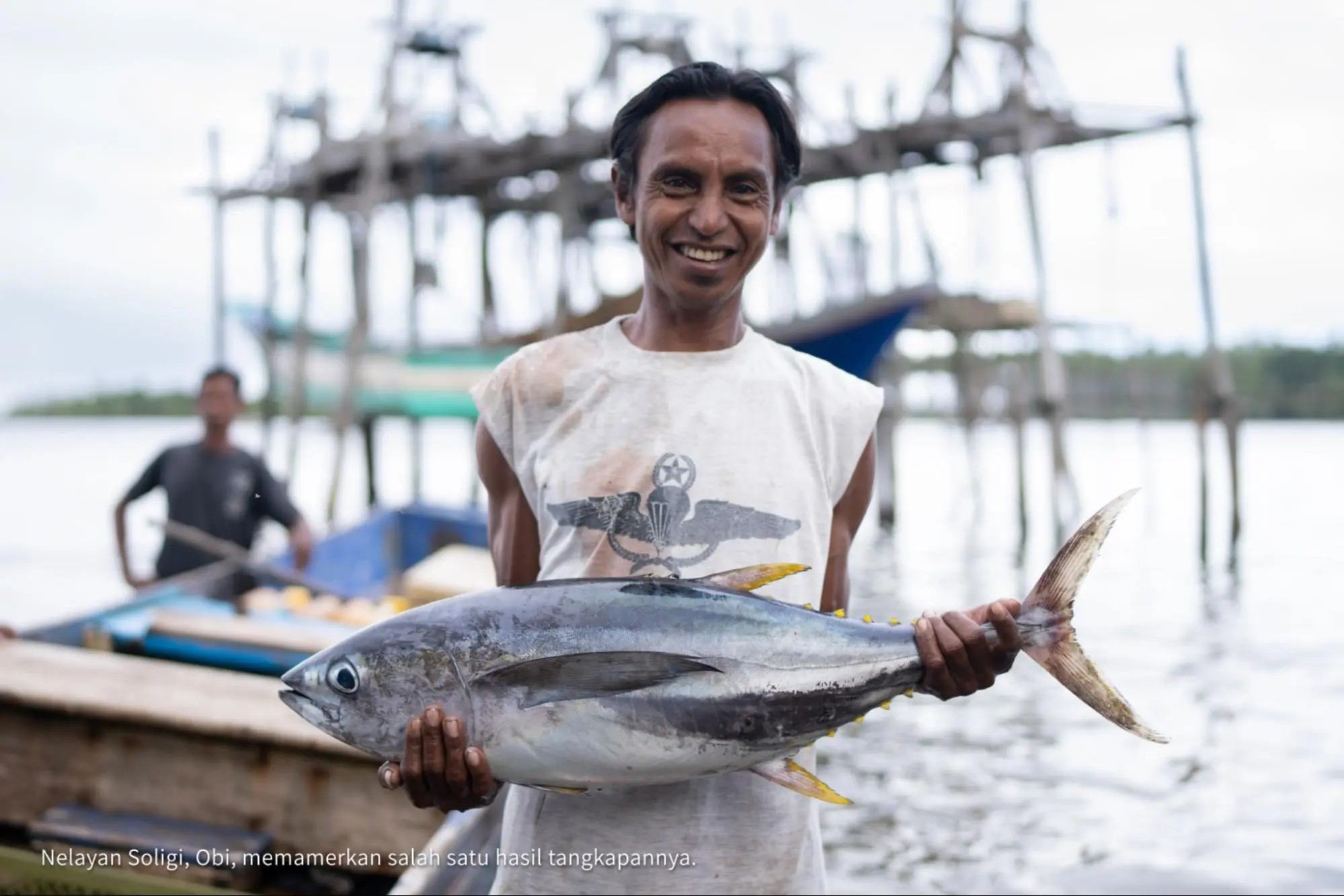
As additional context, the SUTAN Program in 2025 involved 50 fishermen and recorded annual catch production of 24 tons. This data from a supported group demonstrates that fishing activities and economic opportunities continue, but Harita Nickel does not use it to dismiss the individual experience of Sanusi’s family. Changes in catch levels should instead be examined using comparable and participatory fisheries data.
Healthcare Access Continues to Be Supported in Kawasi
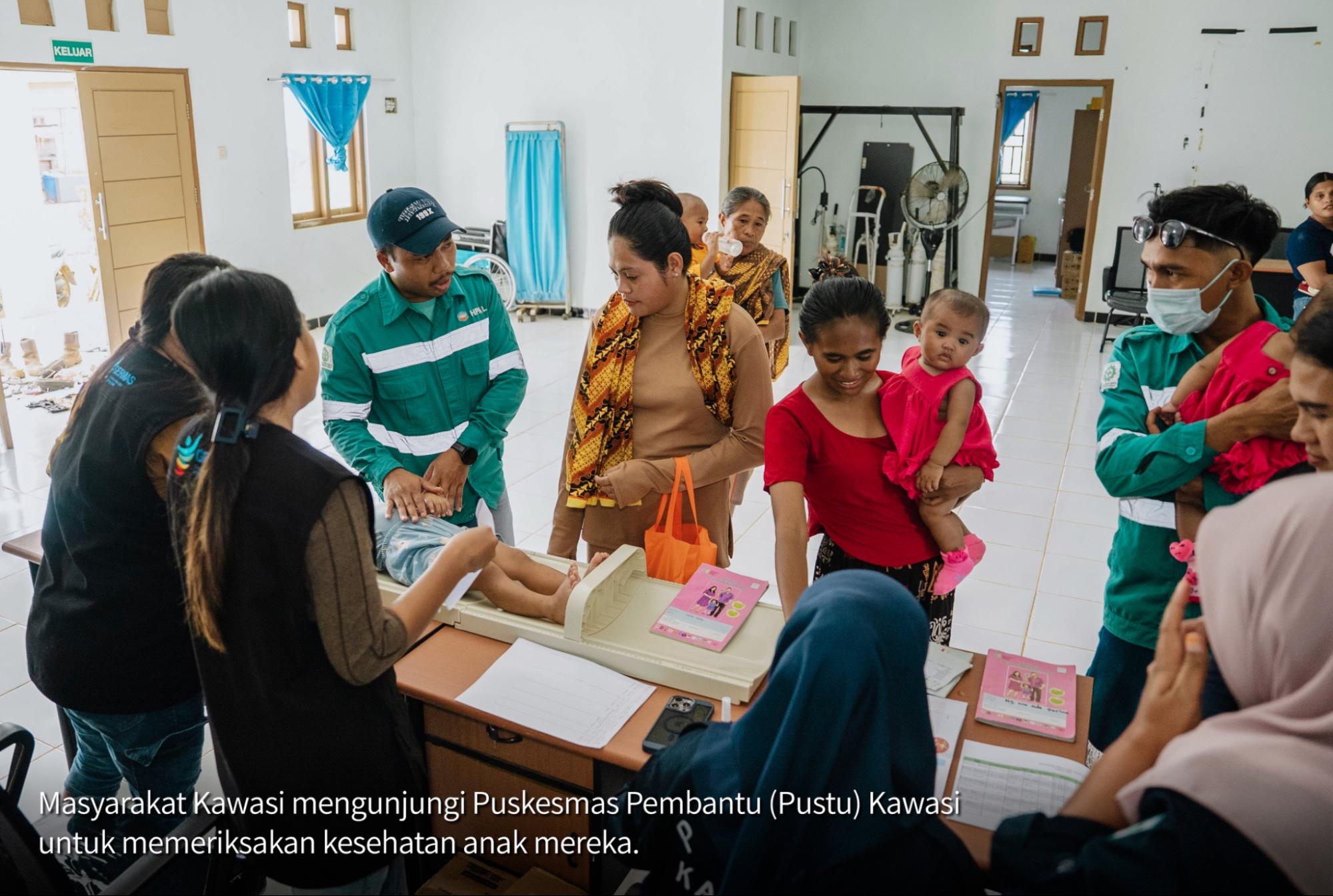
The article states that access to healthcare is difficult but does not mention that the Kawasi Auxiliary Health Center (Pustu) was established to complement the existing Polindes, which continues to serve Old Kawasi and surrounding villages. Harita Nickel supports the operation of five Polindes by providing medicines, oxygen cylinders, examinations, immunization, health education, transportation, and medical referrals, with an average of approximately 551 patient visits per month.
The assignment of healthcare personnel, implementation of immunization programs, and operation of healthcare facilities fall under government authority. Harita Nickel remains ready to coordinate with the government and health authorities to follow up on any reports of residents who have not received adequate services, including support for necessary examinations and referrals.
Domestic Violence Cannot Be Attributed to Harita Nickel Without Evidence
The domestic violence described by Ani is a serious matter. The safety, confidentiality, and access of survivors to protection services must be prioritized. However, the article provides no evidence that Harita Nickel caused the violence.
The article should clearly distinguish between the testimony concerning domestic violence, the factors described by the family, general hypotheses regarding economic and social vulnerability in extractive projects, and any relationship with Harita Nickel’s operations, which would require specific evidence. Harita Nickel remains open to facilitating referrals to women’s protection services through competent parties without exposing the survivor’s identity.
Harita Nickel’s Social Programs Are Not Limited to Financial Assistance
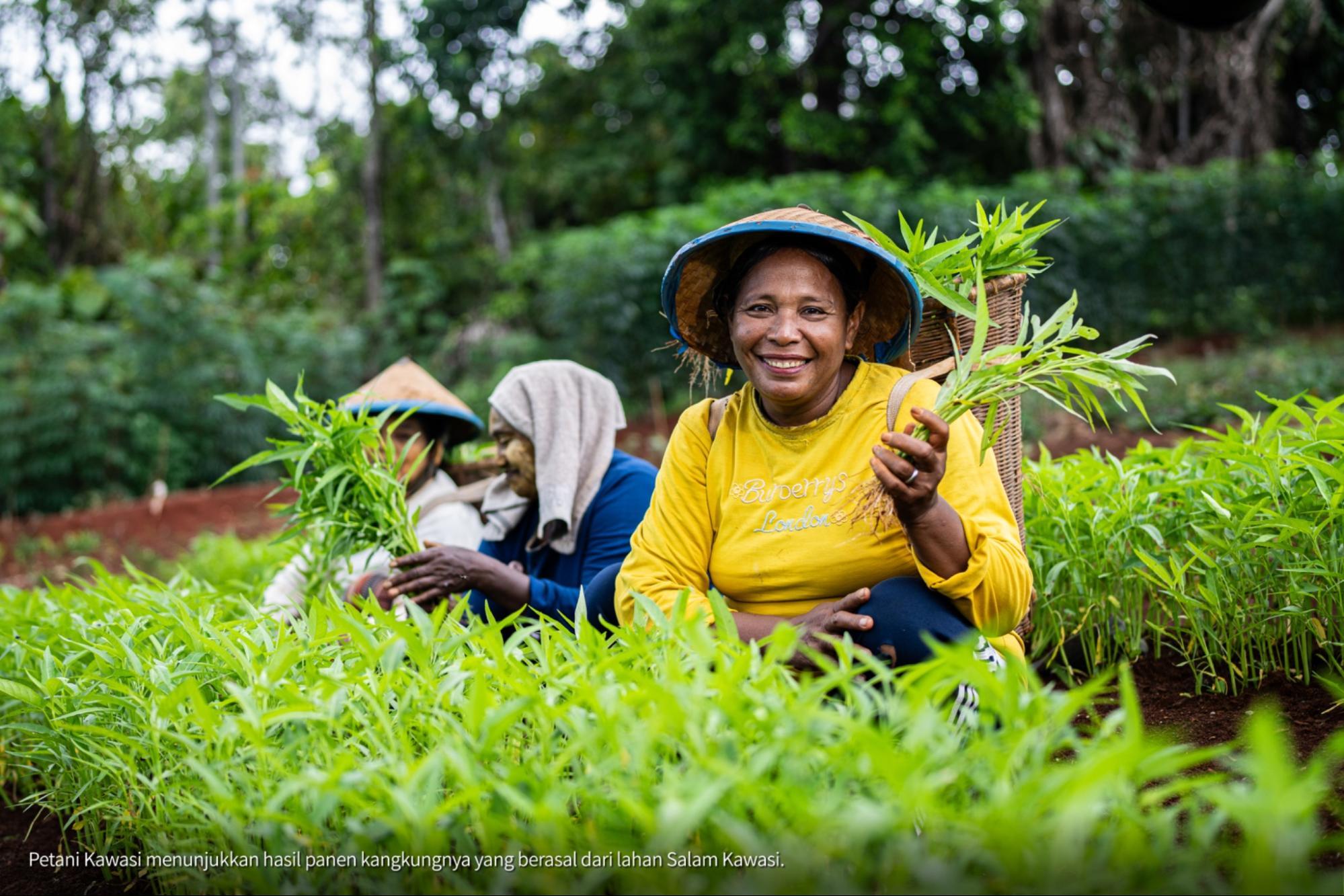
The quotation that the company “only offers CSR in the form of money” appears in the context of the source’s experience supporting communities across various projects, including Makassar New Port. If intended as a description of Harita Nickel, the statement is inaccurate. The company’s programs cover health, education, agriculture, fisheries, MSMEs and livelihoods, capacity building, infrastructure, and basic services.
The 2025 Sustainability Report records 16 flagship programs, with Community Satisfaction Index scores ranging from 83.57 to 97.62 and an average score of 89.9. This index reflects satisfaction with the programs and is not a substitute for broader social and environmental impact assessments.
The statement that women were not involved also does not reflect the full range of processes undertaken. Harita Nickel conducts consultations through AMDAL, Village Deliberations, Social Impact Assessments, Human Rights Due Diligence, LARAP, and forums or activities involving women’s groups. We acknowledge that the existence of consultation forums does not automatically guarantee meaningful representation of all women. The company therefore continues to strengthen the quality, safety, representation, documentation, and follow-up of participation, particularly for women and vulnerable groups.
Harita Nickel Is Undergoing an IRMA Assessment, Not Holding an IRMA Certificate
IRMA is not a pass-or-fail certification system. In its written response to Konde.co, Harita Nickel stated that it is undergoing an independent assessment and has not claimed to have met all IRMA Standards. The final report and performance level have not yet been published. Therefore, Harita Nickel does not currently hold an “IRMA certificate.” The field audit by SCS Global Services was conducted over nine days in April 2025 and was followed by a document review. The company opted for an optional corrective-action period before the final report and performance level are published.
The IRMA assessment is also not the only instrument Harita Nickel uses to develop its management and compliance systems. The 2025 Sustainability Report records that Harita Nickel, through various entities within the Harita Nickel group, holds ISO 14001 certification for environmental management systems and ISO 45001 certification for occupational health and safety management systems, SMK3 certification under Government Regulation No. 50 of 2012, and ISO 9001 certification.
In responsible mineral sourcing, Harita Nickel has also achieved conformant status under the Responsible Minerals Assurance Process (RMAP) and underwent its second annual audit in 2025. RMAP has a specific scope covering traceability, due diligence, and supply-chain controls. It is therefore not presented as a substitute for IRMA or as evidence resolving all environmental and health issues at the local level.
At the operational compliance level, emissions are monitored through calibrated Continuous Emission Monitoring Systems (CEMS) integrated with the government’s SISPEK system. The 2025 Sustainability Report records no incidents of emissions exceeding regulatory limits across all monitored sources and parameters. The report also records that all effluent discharged from operational activities in 2025 complied with applicable quality standards, with no non-compliance related to permits, standards, or wastewater quality requirements. Effluent quality is tested through internal laboratories, verified by accredited third-party laboratories, and reported through SPARING for regulatory oversight.
These standards, audits, and compliance data are not intended to dismiss community complaints or to conclude that every alleged impact is necessarily untrue. Each complaint should still be followed up through medical assessment, environmental testing, and verification specific to the location, period, and potential source of exposure. However, this body of evidence demonstrates that Harita Nickel’s sustainability management is not based solely on logos or unilateral claims. It includes certified management systems, third-party assessments, monitoring connected to regulatory authorities, corrective actions, and continuous improvement.
IRMA is not intended to suggest that mining operations are free from challenges or criticism. Rather, the process is designed to identify areas for improvement, strengthen transparency, and promote better mining practices through independent assessment. In line with this commitment, Harita Nickel continues to provide opportunities for dialogue with the media, communities, academics, civil society organizations, and other stakeholders.
From 2024 through July 2026, the company has received more than 100 visits involving international, national, and local media, educational institutions, students, researchers, nonprofit organizations, and research institutions for observation, reporting, and independent studies in its operational areas.
Commitment to Verification and Follow-Up
Harita Nickel recognizes that large-scale mining and industrial activities carry impacts and risks that must be identified, prevented, mitigated, monitored, and addressed. The existence of control systems and community programs does not negate residents’ experiences or the need for continuous improvement. However, individual experiences and general risks should not automatically be converted into causal conclusions about a company without relevant evidence.
Harita Nickel requests that Konde.co correct the headline and caption, address the technical and medical inaccuracies, publish this Right of Reply in full and proportionate form, and link it to the original article together with the publication time. We remain open to constructive dialogue, data verification, independent testing under mutually agreed protocols, and coordination on follow-up actions so that the public can receive information and responses that are accurate, transparent, and accountable.