
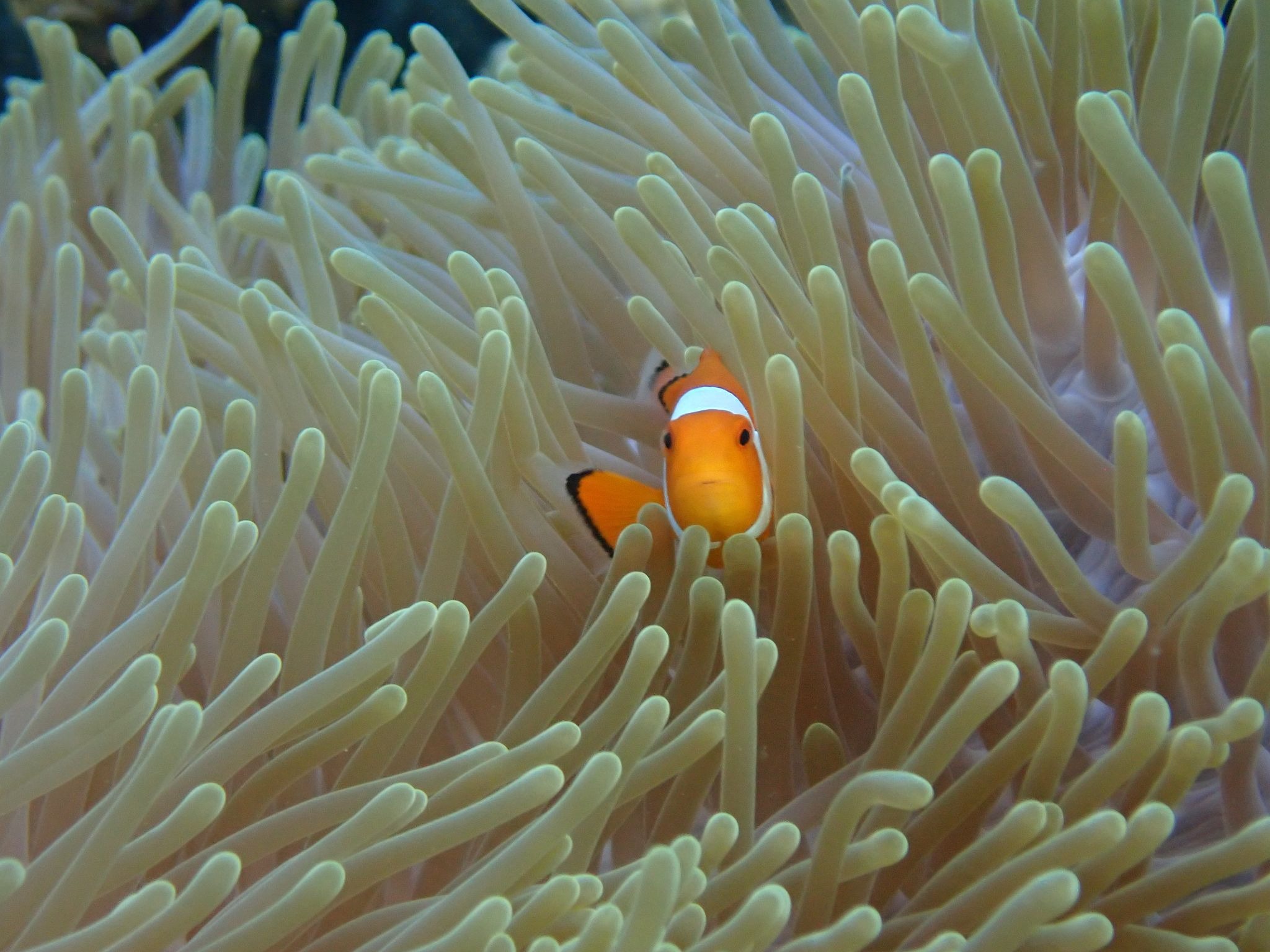
In the coastal waters off western Obi Island in North Maluku, marine life flourishes in vibrant colors. Parrotfish glide across coral formations, while butterflyfish move delicately among sea anemones. In these same waters, local fishermen still regularly encounter snapper, grouper, yellowtail, and the formidable giant trevally, locally known as bobara.
Not far from these waters, the protected Napoleon wrasse can still be seen roaming Obi’s coral reefs. The presence of these species is more than a striking natural sight. For scientists, they serve as important indicators of a healthy marine ecosystem. Parrotfish, for instance, play a vital role in maintaining coral reef balance by controlling algae growth, while the presence of Napoleon wrasse signals that the marine ecological chain remains well-functioning.
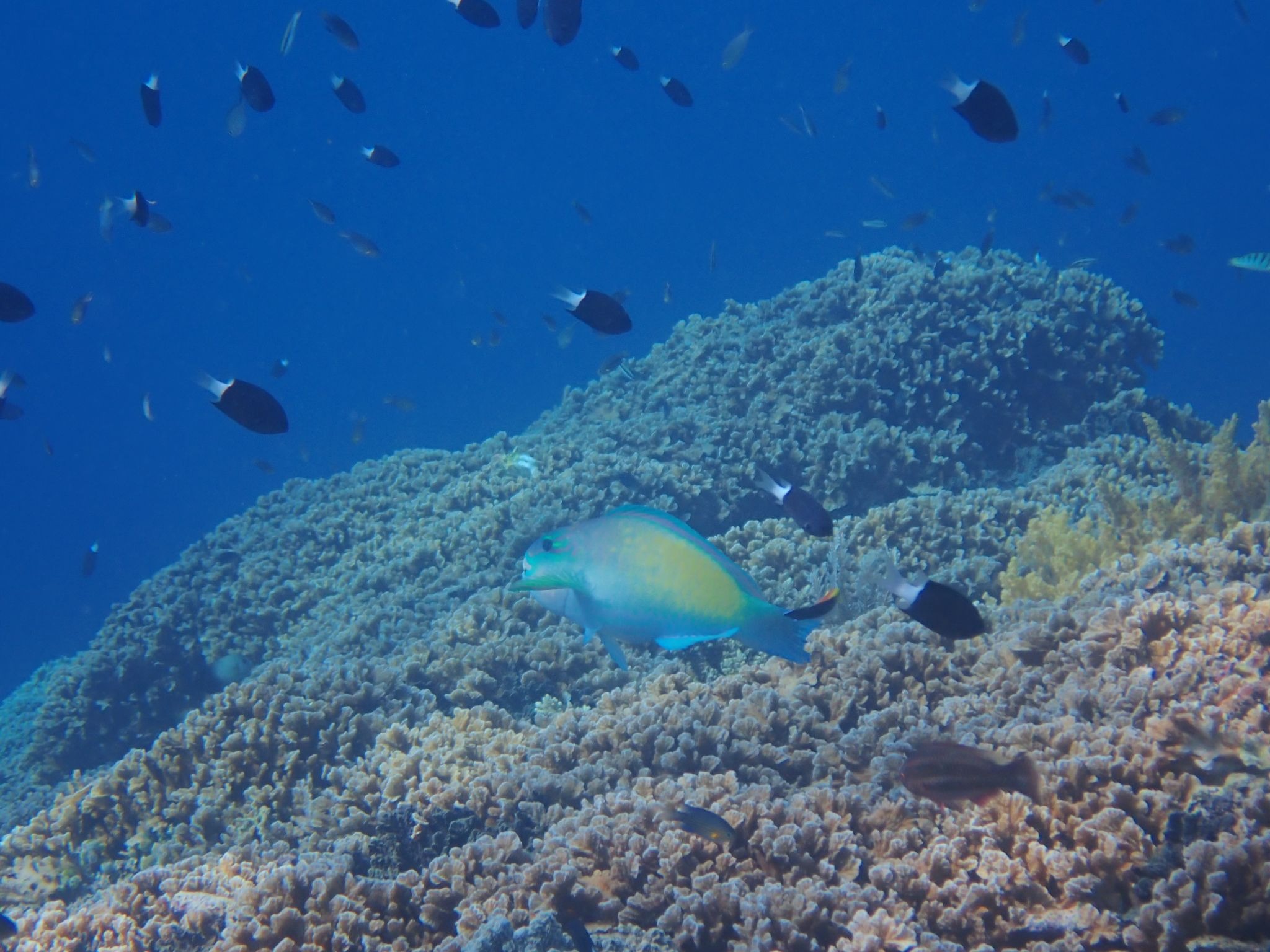
Scaridae or parrotfish are a group of ecologically important reef fish in tropical waters.
At the same time, the abundance of economically important fish species such as grouper and giant trevally locally known as bobara reflects how a healthy marine ecosystem also supports the sustainability of coastal livelihoods. A well-preserved sea means productive fishing grounds that continue to sustain local fishing communities.
The book is currently in the printing stage and is scheduled for release in the middle of this year by one of Indonesia’s leading national publishers. It is expected to serve both as an educational resource and as a scientific documentation of Obi’s rich marine biodiversity.
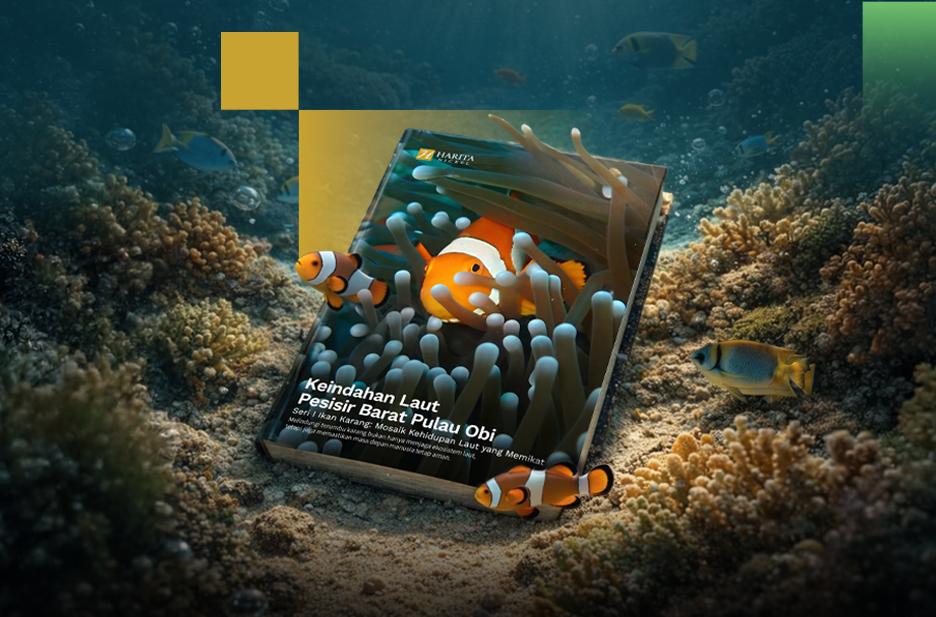
Harita Nickel’s Marine Environment team documented this coexistence in a visual publication and scientific compilation titled The Beauty of the Coastal Waters of Western Obi Island – Series I: Reef Fish, A Captivating Mosaic of Marine Life. Developed through extensive field observations, the publication documents dozens of reef fish families along with their characteristics, habitats, and ecological roles.
Harita Nickel Director of Health, Safety, and Environment (HSE), Tonny H. Gultom, said the book reflects the company’s commitment to preserving the surrounding marine ecosystem.
“We want the marine biodiversity surrounding Obi not only to be preserved, but also properly documented,” he said.
Tonny added that the publication marks the first installment in a broader marine biodiversity documentation series focused on Obi’s waters. Future studies will expand into coral reef ecosystems and macrobenthos as part of efforts to strengthen public education and science-based conservation initiatives.
The initiative has received positive responses from South Halmahera Regent Hasan Ali Bassam Kasuba, who views the publication as more than just a book, but also as a window into the region’s rich marine biodiversity.
“Collaboration between the government, businesses, and communities must continue to be strengthened to protect the ocean while ensuring sustainable regional development,” Bassam said.
From an academic perspective, the healthy marine conditions observed in Obi’s waters are seen as a positive indicator. Professor of Fish Health Management at Khairun University, Prof. Dr. Muh. Aris, S.Pi., M.P., noted that good mining practices should go hand in hand with ecosystem protection. According to him, various coastal rehabilitation initiatives carried out by the company demonstrate that economic growth and environmental sustainability can progress together.
Beyond its scientific value, the publication also serves as an important bridge between complex scientific knowledge and local wisdom. Fish genetics expert from Sam Ratulangi University, Dr. Ir. Ari Berty Rondonuwu, M.Sc., M.Si., reflected on the publication’s deeper significance for future generations.
“When children on Obi Island begin to recognize and name the fish found in the waters around their homes, that is where a strong sense of belonging and environmental awareness begins to grow,” Ari said.
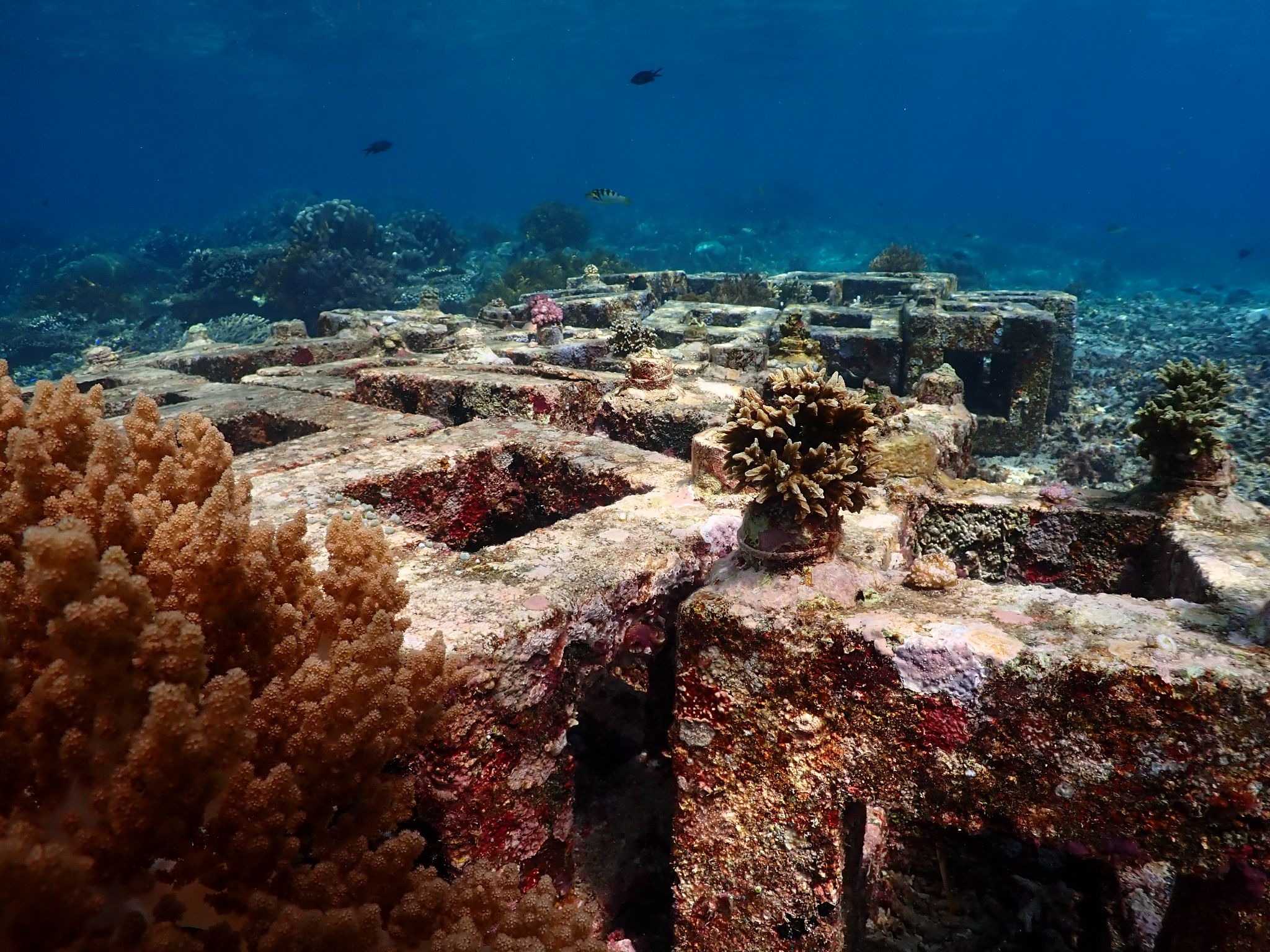
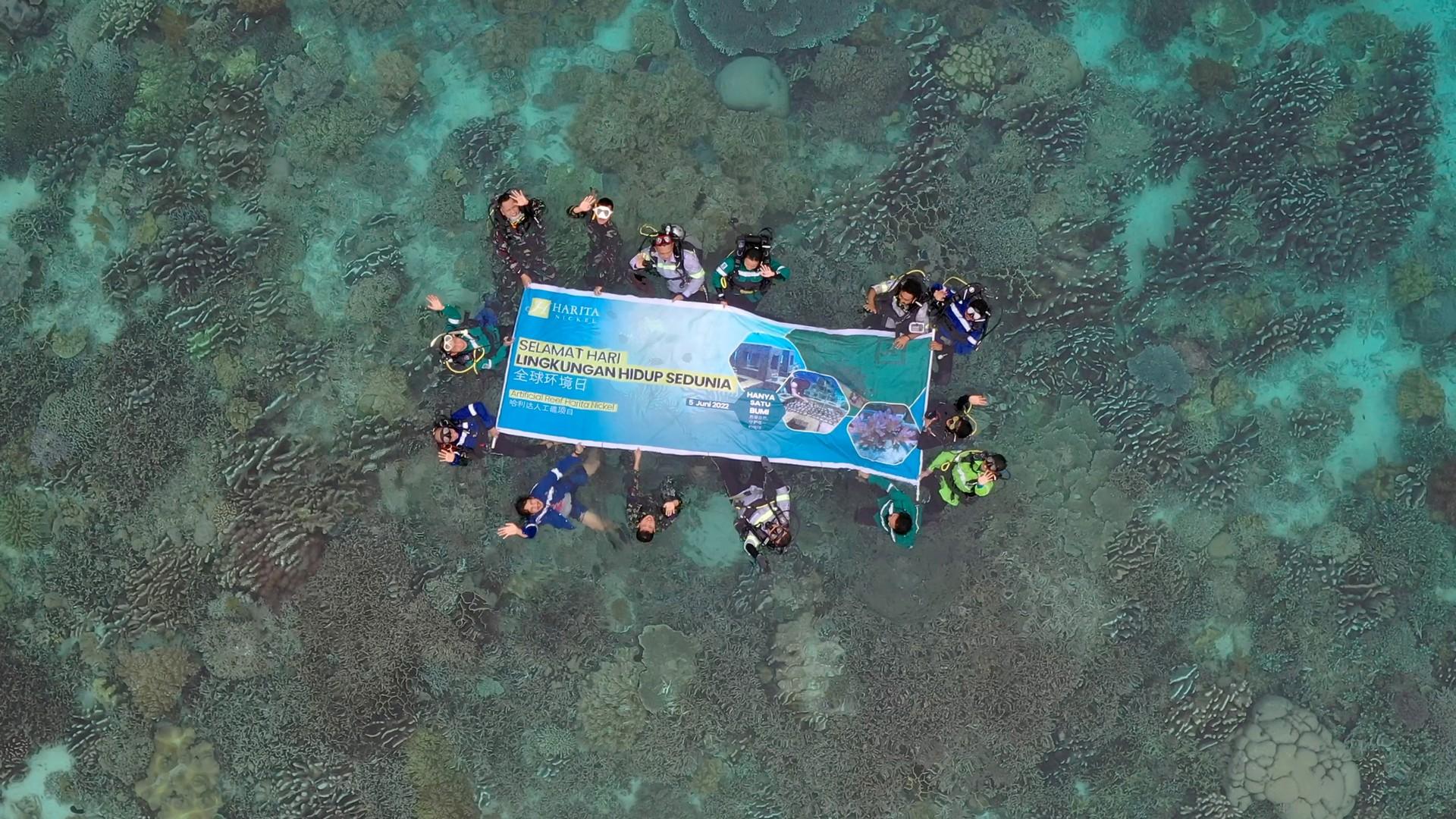
Ultimately, the book is more than just an archive on a library shelf. Through integrated sustainability programs ranging from mangrove rehabilitation and coral transplantation to the installation of artificial reefs, the publication serves as a record of ongoing efforts to protect Obi’s marine ecosystem. It reflects a broader commitment to ensuring that the waters surrounding Obi Island remain a thriving home for marine life, both today and in the future.
An exclusive preview of the book is available here