
Successful post-mining land reclamation depends on more than the planting process. It begins with selecting the right plant species, matched to the characteristics of the land.
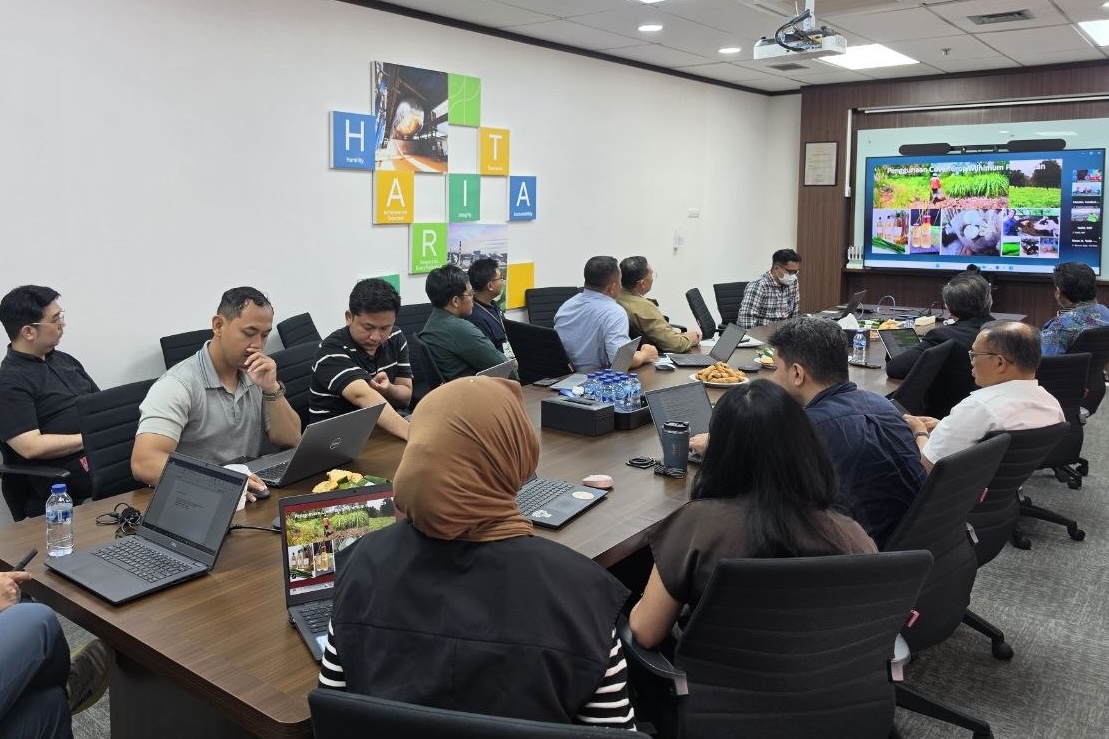
This was among the key messages from Dr. Ir. Irdika Mansur, a researcher and expert in post-mining land reclamation at Bogor Agricultural University (IPB). He shared it during a sharing session with Harita Nickel's reclamation team at the Harita Nickel Head Office in Jakarta on Friday, 28 August. The team in Jakarta attended in person, while the team at the Obi site joined online.
In his presentation, Irdika explained that demands on reclamation continue to grow. One example is the Minister of Energy and Mineral Resources Decree No. 344 of 2025, which sets technical guidelines for reclamation. It includes raising the canopy cover standard to 90% from the previous 80%.
According to Irdika, reaching this target must be planned from the start. Companies need to choose plant species based on post-mining land conditions. This allows vegetation to grow and canopy cover to form optimally.
"Choosing the right tree species is important. Select species that suit the land and the needs of post-mining nickel areas," Irdika explained.
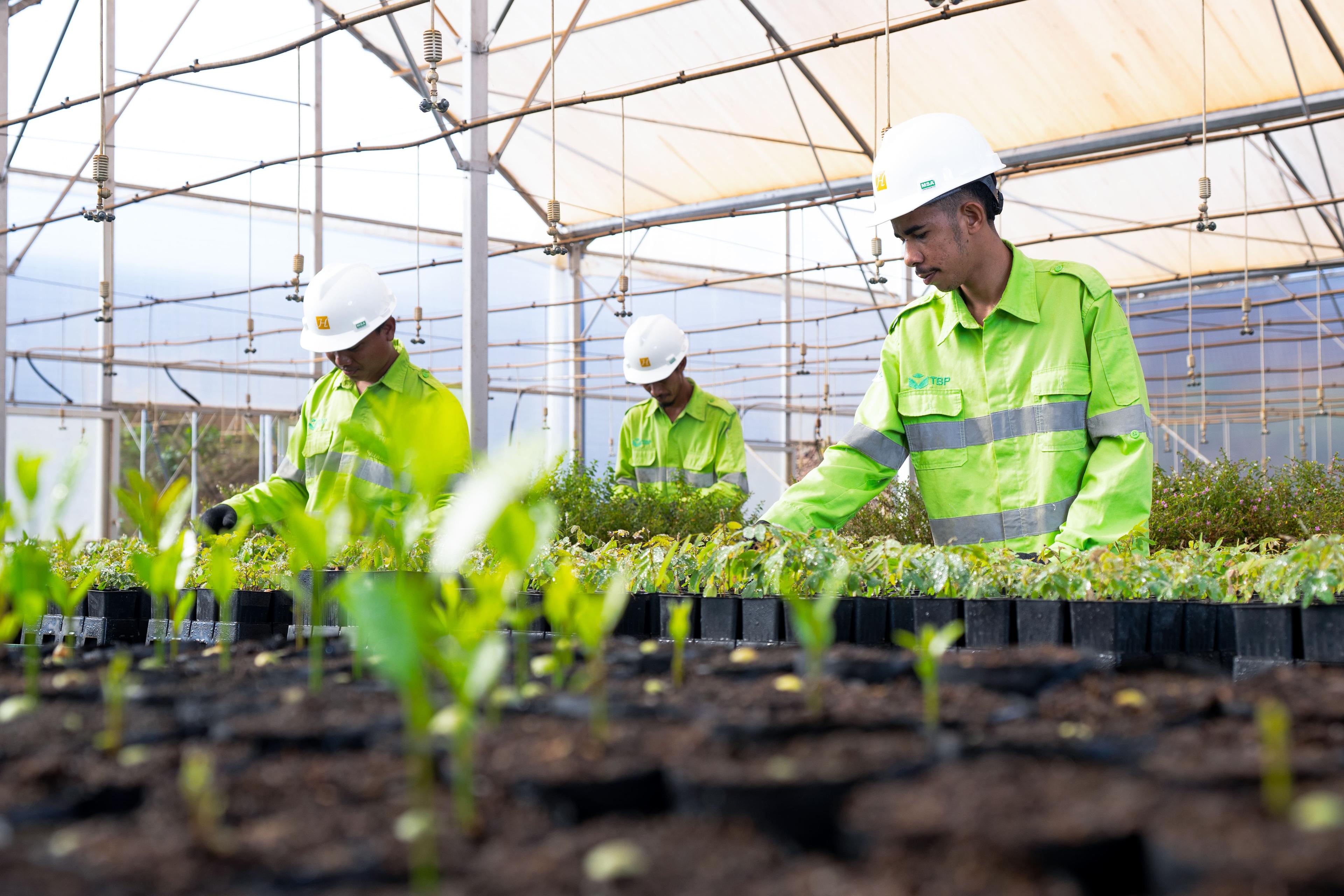
Fast-growing species such as jabon merah (Neolamarckia macrophylla), binuang (Octomeles sumatrana), cemara (Casuarina spp.), and leda (Eucalyptus deglupta) are good options. Local species such as nyamplung (Calophyllum inophyllum), biti (Vitex cofassus), sungkai (Peronema canescens), kenari (Canarium spp.), and gosale (Syzygium malaccense) can also be developed, depending on land conditions.
Irdika also encouraged the use of Multi-Purpose Tree Species (MPTS). These species support reclamation and also bring economic benefits to local communities. Examples to consider include nutmeg, jackfruit, cempedak, and candlenut.
To find the most suitable species, evaluating the reclamation area is an important step. The evaluation helps the company identify which trees grow well. It also shows which trees have canopy characteristics that support ground cover.
The results can then guide which plants to prioritize in seedling production. They can also inform updates to the reclamation technical guidelines or SOPs. These adjustments are made regularly so that reclamation practices stay relevant to field evaluation results and new knowledge.
During the session, Irdika also commended a number of reclamation initiatives undertaken by Harita Nickel. One of these is the additional use of sediment ponds.
“Generally, sediment ponds are built solely to control sedimentation. At Harita, these ponds are designed to provide further benefits. I think this is very clever,” he said.
The knowledge-sharing session continued with a discussion and Q&A, with participants joining from Jakarta and the Obi site. Topics included plant choices such as coconut and bamboo, the use of compost, and the management of growing media in reclamation areas.
Through this activity, Harita Nickel continues to strengthen reclamation practices grounded in knowledge and field evaluation. Collaboration with experts and academics is part of the company's effort to ensure that its reclamation strategy evolves in line with science and applicable regulations.