The growth of the nickel industry is bringing significant changes to North Maluku. Amid the expansion of industrial estates and processing facilities, one aspect must remain central: the people who work in the industry and the communities living in the surrounding areas.
For this reason, the success of downstream nickel processing should not be measured solely by production capacity and investment. It must also reflect worker safety, respect for community rights, and responsible environmental management.
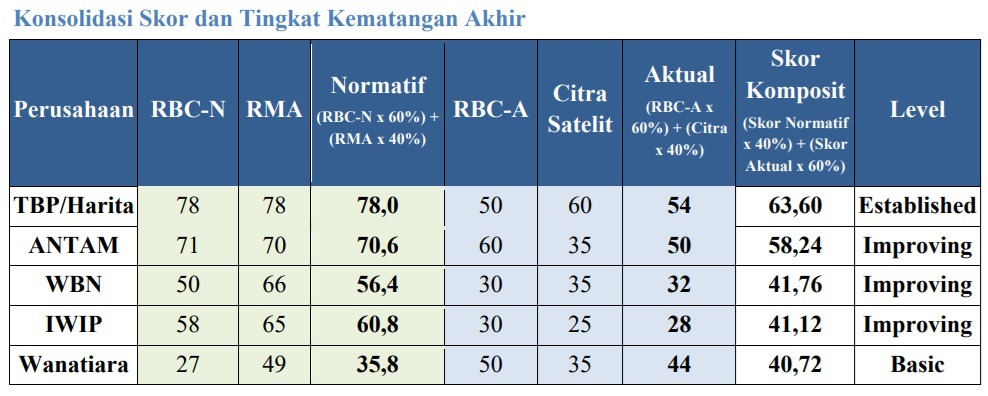
This perspective was highlighted in a Human Rights (HR) audit of nickel companies in North Maluku, conducted by the SETARA Institute for Democracy and Peace in collaboration with the Sustainable-Inclusive Governance Initiative (SIGI). Among the five companies assessed, Harita Nickel recorded the highest composite score of 63.60, making it the only company to achieve the Established category.
This achievement was supported by several governance foundations that received positive assessments from SETARA, including human rights policies, ethics and anti-corruption measures, security, stakeholder engagement, responsible sourcing, and the implementation of Human Rights Due Diligence (HRDD).
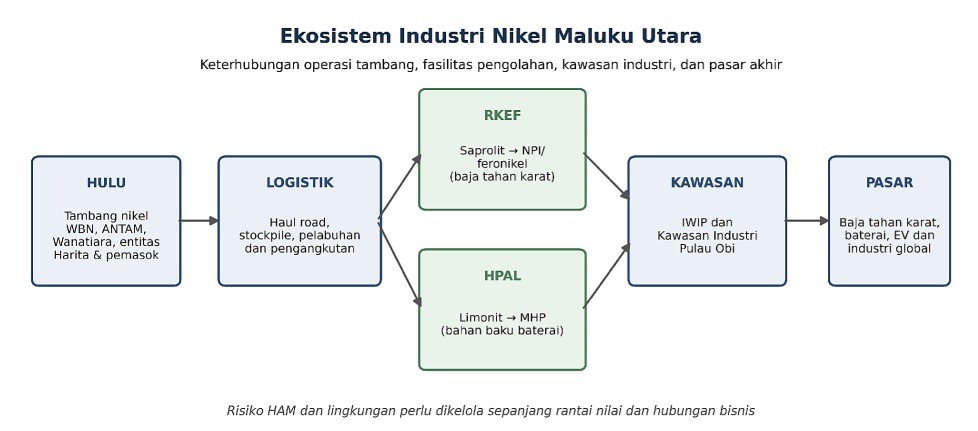
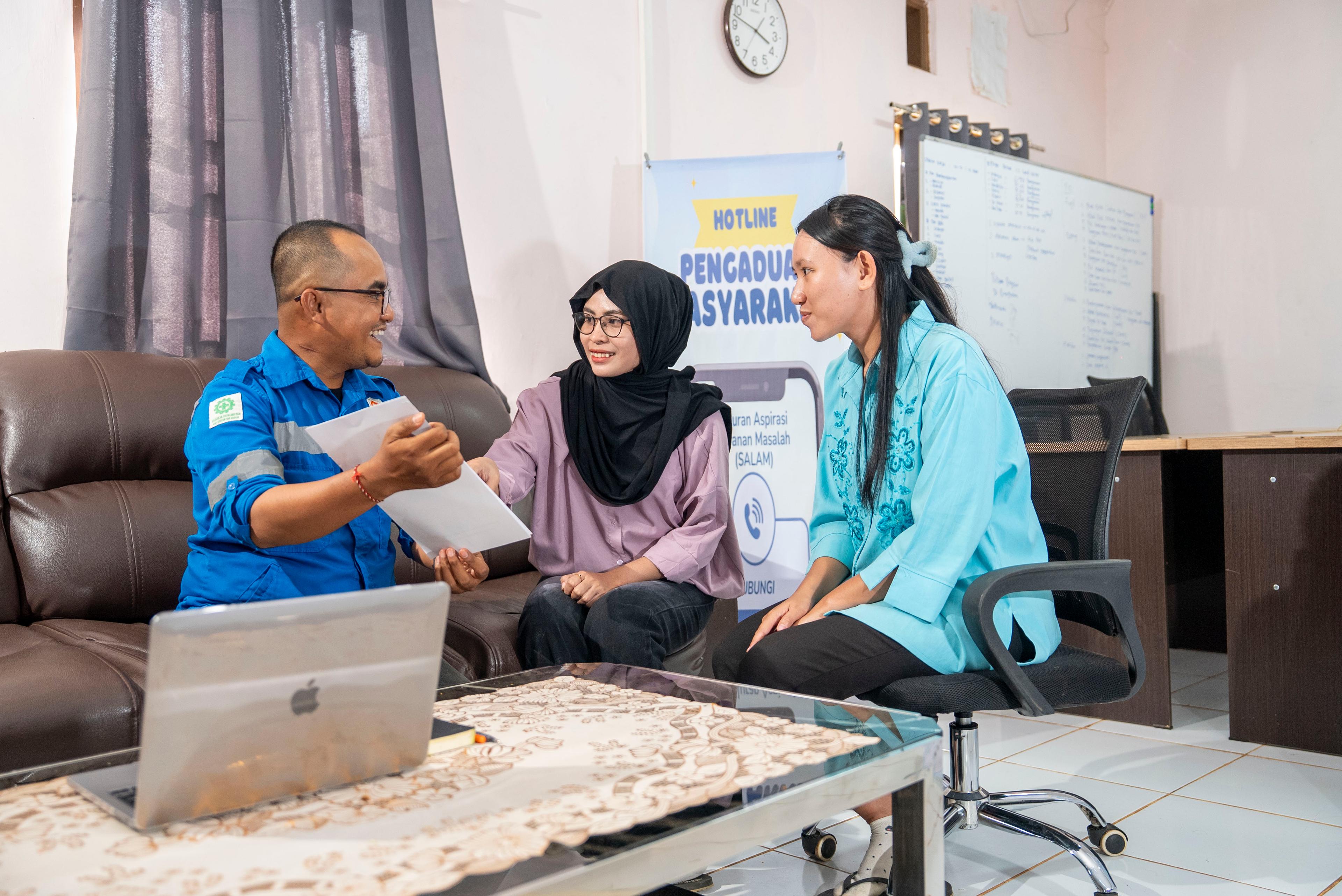
At the operational level, these principles are reflected in grievance mechanisms for employees and communities, occupational safety systems for employees and contractors, as well as environmental management initiatives through the Dry Stack Tailing Facility (DSTF), sedimentation ponds, mine reclamation, and emissions monitoring.
These governance practices continue to be tested through independent assessments. One of them is the Initiative for Responsible Mining Assurance (IRMA) audit, which is currently at the Corrective Action Plan (CAP) stage. This phase provides an opportunity to address findings and strengthen the practices required to improve performance.
Beyond the Numbers
Behind the score of 63.60 lies a more tangible measure of how the industry should grow.
“The success of nickel downstream processing is ultimately reflected in actual conditions on the ground: workers can carry out their duties and return home safely, communities retain proper access to their livelihoods, and the environment remains well protected,” said SETARA Institute Executive Director Halili Hasan.
According to Halili, strengthening human rights and environmental governance is essential to ensuring that Indonesian nickel remains competitive and sustainable.
Therefore, achieving the Established category is not the finish line. SETARA recommends strengthening remedy mechanisms for affected communities and the environment, including greater transparency in grievance resolution and preventive measures to ensure that similar issues do not recur.
SETARA also encourages cumulative impact assessments across industrial areas. Given the close interaction between mining operations, smelters, power plants, and coastal areas in North Maluku, the impacts of industrial activities need to be assessed from a broader, integrated perspective.
“Without continuous improvement, Indonesian nickel could lose its competitive edge,” Halili said.
Established as a Starting Point
For Harita Nickel, these recommendations are part of its ongoing improvement journey.
Harita Nickel President Director Roy Arman Arfandy stated that the results of SETARA's audit serve as motivation for the company to continue improving its practices. The same commitment is reflected in the ongoing IRMA audit process, which remains at the CAP stage as the company works to address findings and strengthen the necessary practices.
Ultimately, the Established recognition is more than just a position in an assessment. It reflects the governance foundations that have been established while serving as a reminder that good governance must be continuously demonstrated through concrete actions.
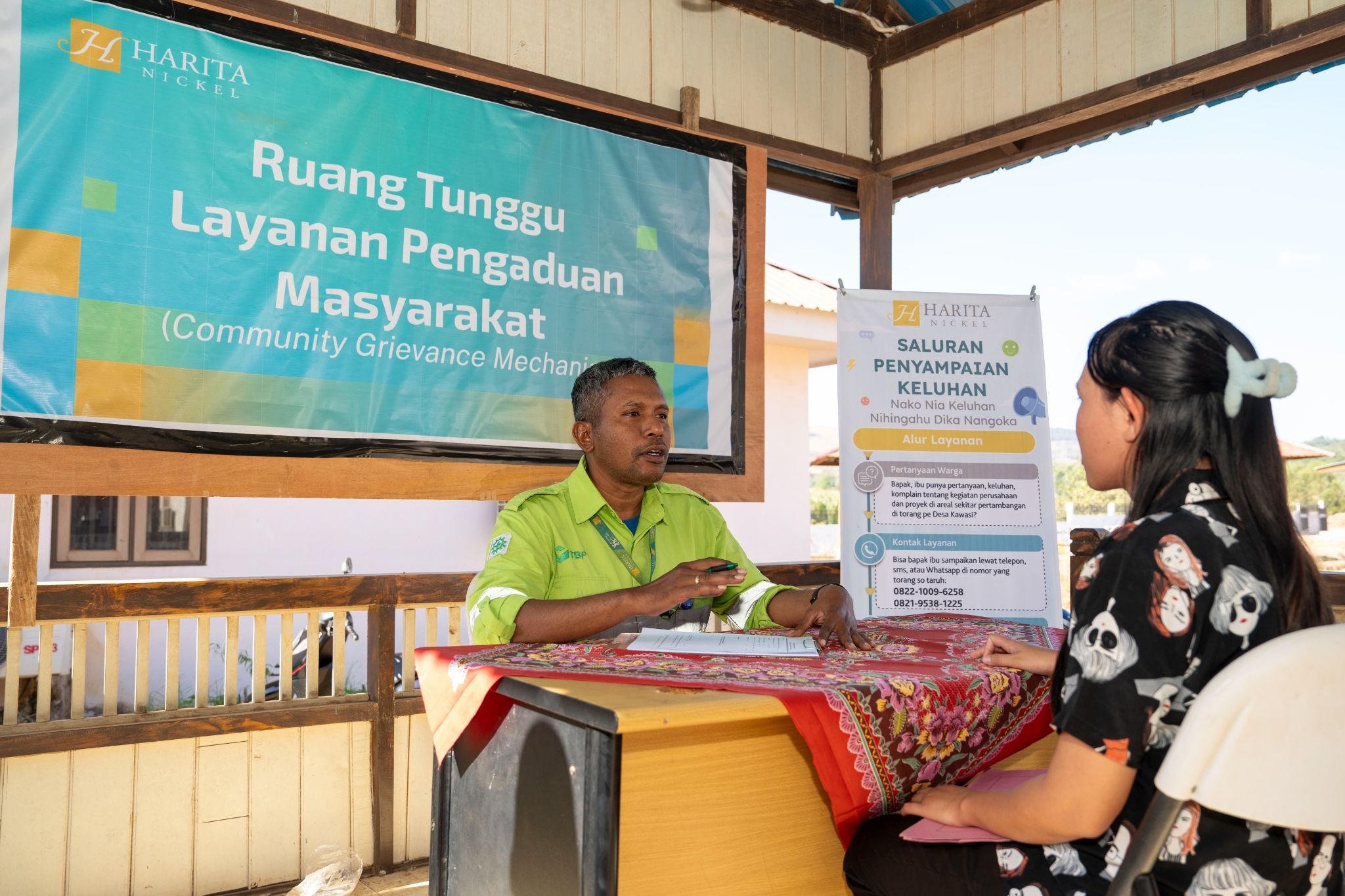
On Obi Island, these principles are reflected in everyday practices: ensuring workers return home safely, providing communities with opportunities to voice their concerns and aspirations, and protecting the environment amid the evolving dynamics of the industrial area.
Because as the industry continues to grow, its success should not be measured only by the scale of what is built, but also by how well people and the environment are protected throughout the journey.
This Articles can be Acessed to Magazine Bentala Halmahera Q3