The Importance of Water in Kawasi Village
Kawasi, a village on Obi Island, North Maluku, is one of the operational centers of the Harita Nickel mine. As industrial activity expands, the need for clean water in Kawasi is also increasing, to meet the needs of the community and to support environmental sustainability in the vicinity.
Water is a basic need that supports life, health, and the community's economy. With that in mind, maintaining water quality and securing its availability for the people of Kawasi is a shared responsibility.
Harita Nickel’s Commitment to Water Management
As a mining company operating on Obi Island, Harita Nickel is strongly committed to implementing responsible mining practices. One of its primary focuses is water management within the mining area, which includes Kawasi Village, to ensure water quality is maintained.
For your information, the waterway from Harita Nickel's sedimentation management system does not intersect with the Kawasi springs that originate from Karo Lake, thus ensuring the community's water sources remain protected and unaffected by mining operations.
Program Implementation in Practice
Harita Nickel has taken a number of tangible steps to manage water in the mining area and Kawasi village. This includes the following:
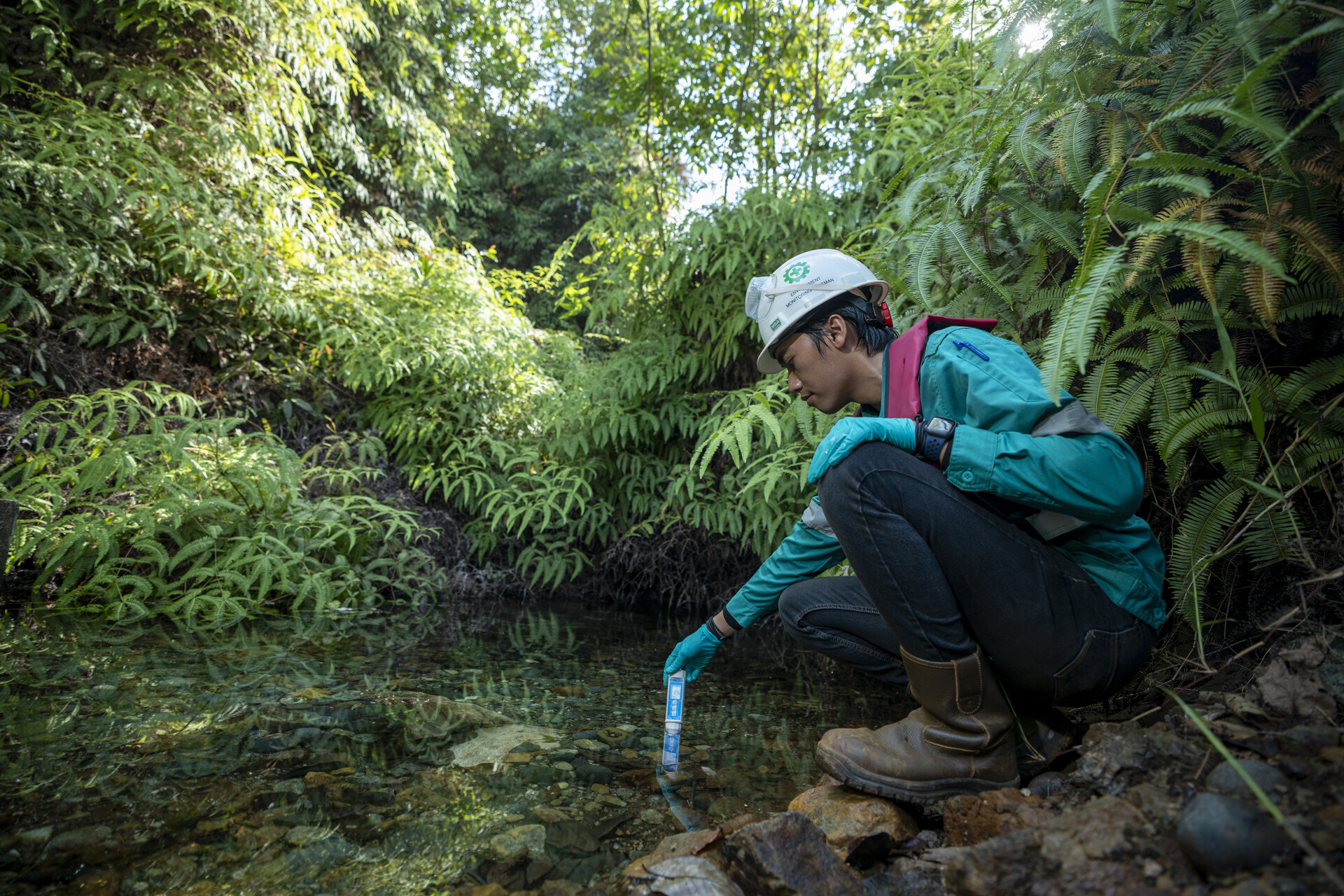
- Regular monitoring of the Kawasi spring
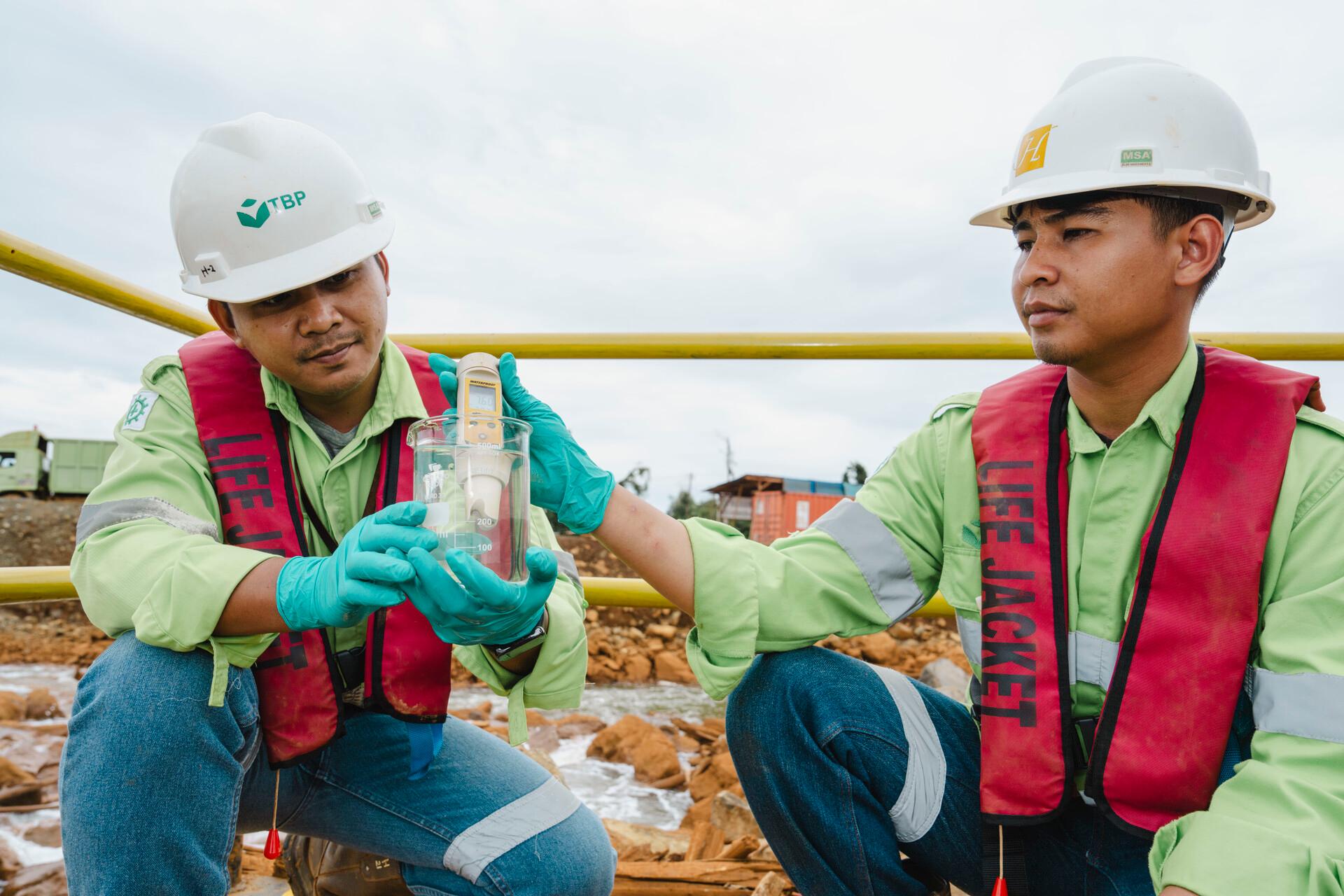
Harita Nickel's environmental team regularly monitors the quality of the Kawasi spring, which is the residents' primary water source. Test results here indicate the water is safe for consumption and can be bottled for other public use.
-
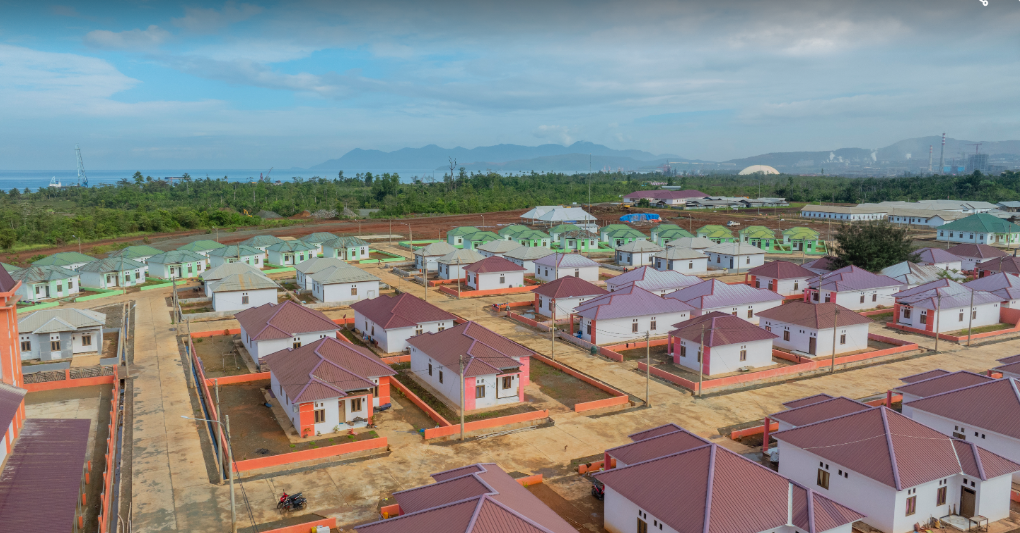
Provision of clean water facilities for the community
In the new Kawasi Village settlement, residents’ houses have been provided with 24-hour access to clean water.
-
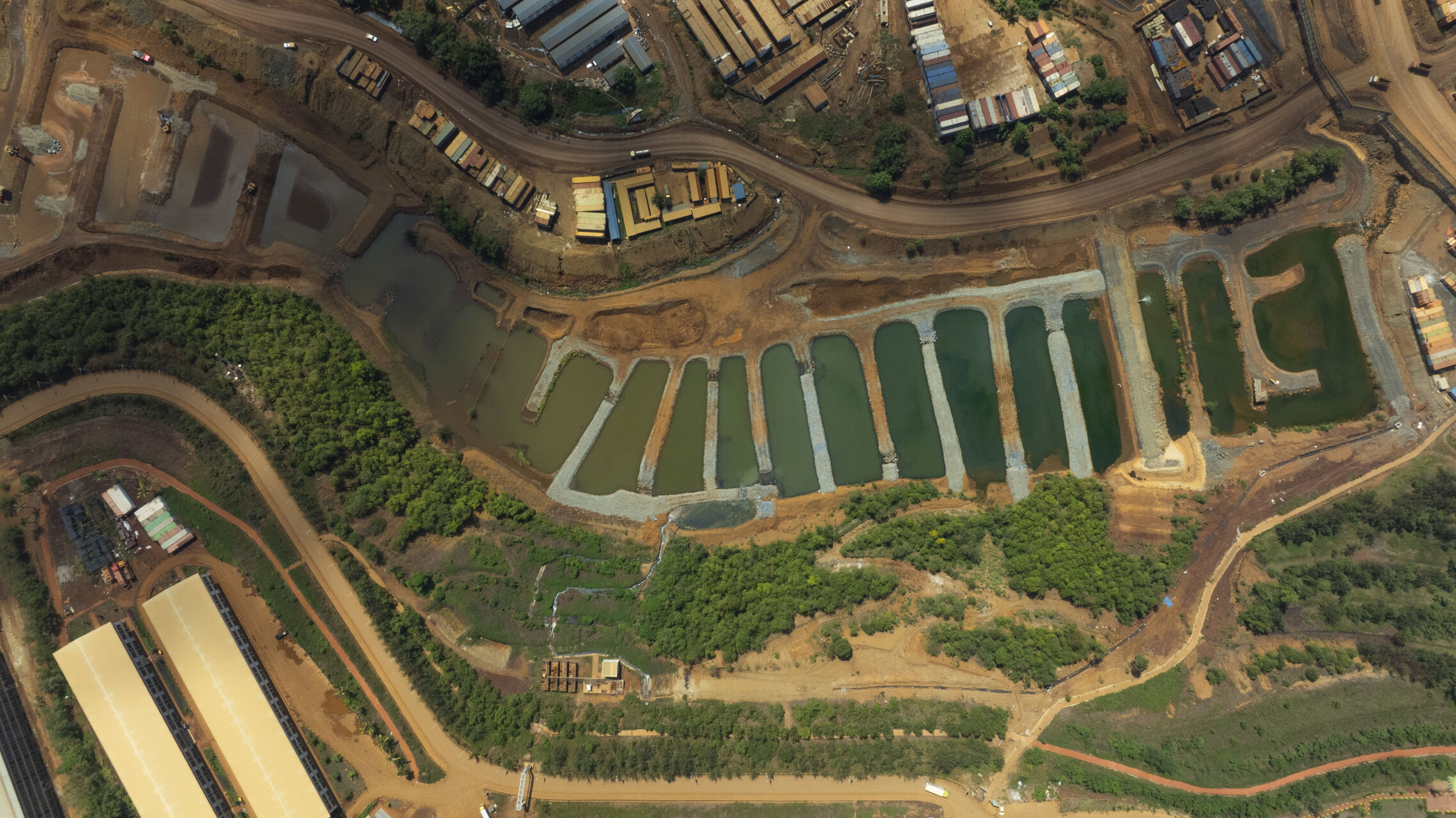
Rainwater utilization and water recycling
Rainwater collected in the operational area is reused, while more than 10 million cubic meters of water has been successfully recycled for industrial needs.
-
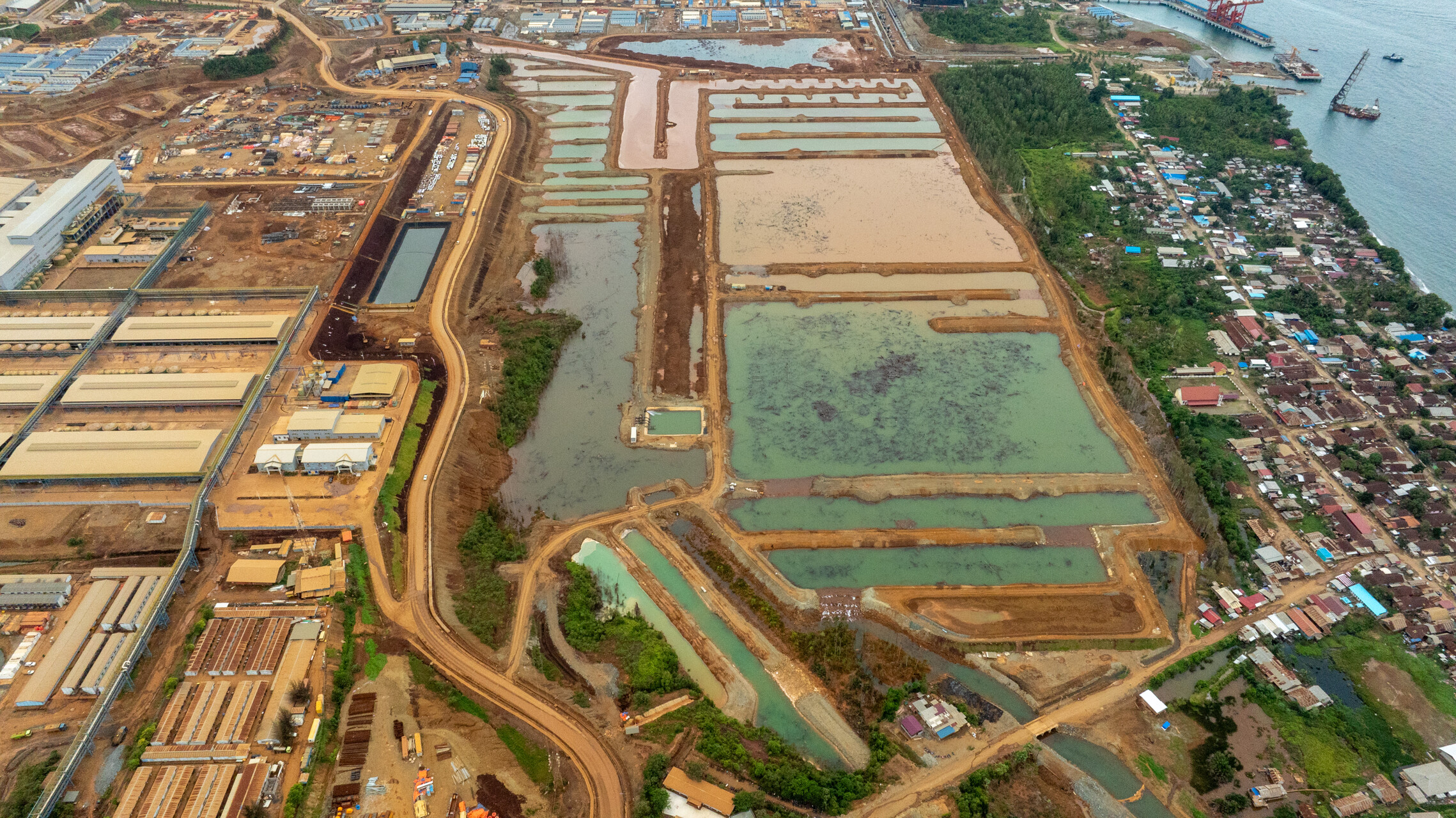
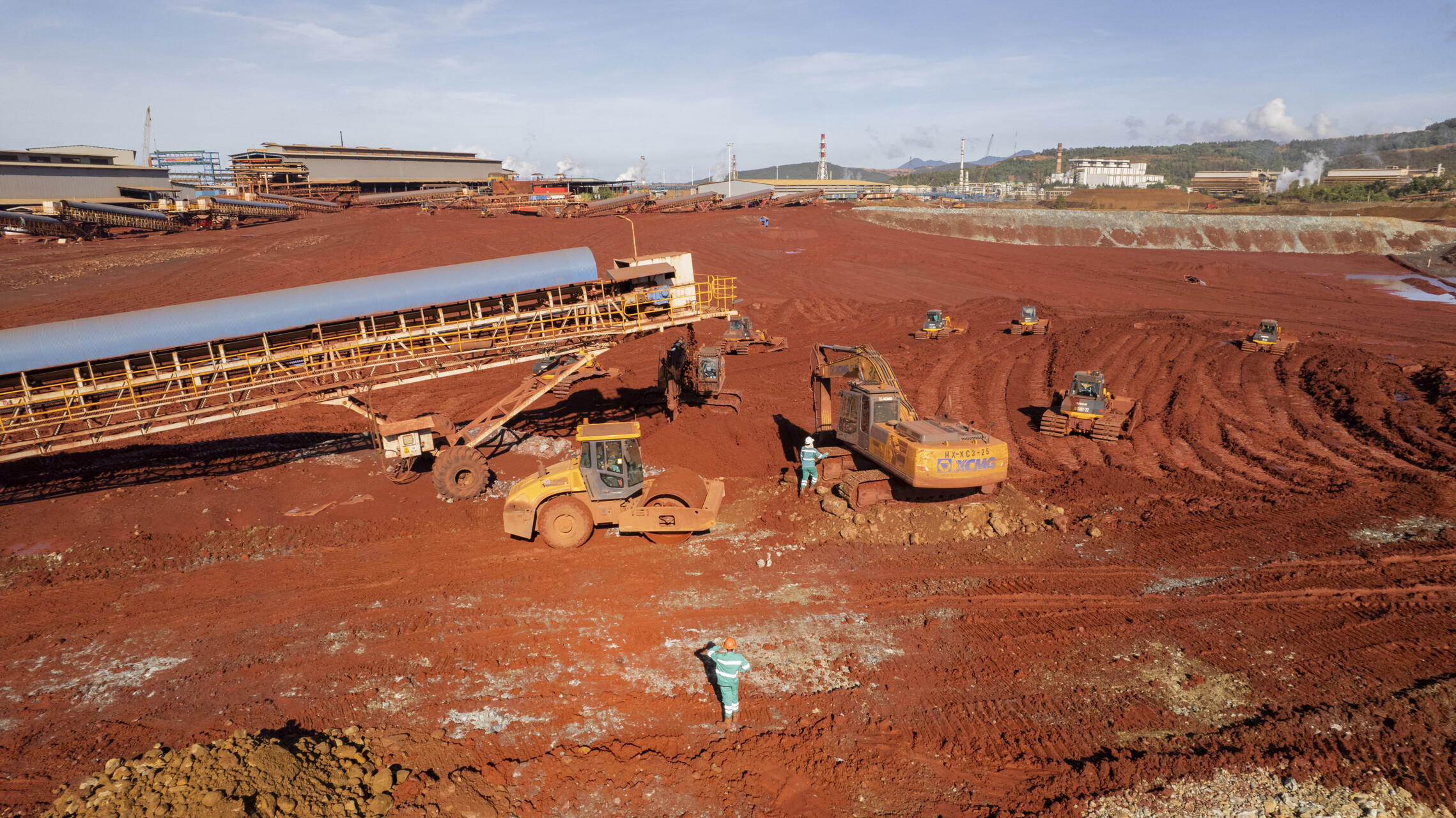
Construction of sedimentation ponds
More than 50 sediment ponds have been constructed to retain rainwater runoff and prevent soil material from entering rivers or springs. The water released from these ponds is guaranteed to meet quality standards required by environmental regulations.
-
Safe management of liquid waste
Harita Nickel ensures that no processing waste is discharged into the sea. The company manages the by-products from the HPAL process through a Dry Stack Tailings Facility (DSTF), a system where tailings are compacted and safely placed in former mining areas. This method has proven to be environmentally friendly and complies with both national and international standards. In addition, all waste management activities are fully licensed by the government, ensuring that every process is carried out in accordance with applicable environmental regulations.
Community Collaboration
Efforts to maintain water quality in Kawasi are not limited to technical management within the mining operations, but also involve the active participation of local residents in keeping their surroundings clean. Harita Nickel understands that access to clean water depends greatly on the condition of the village environment, particularly proper waste management and clear water channels. Therefore, the company works hand in hand with the local community through various collaborative programs, such as:
- Regular environmental clean-ups
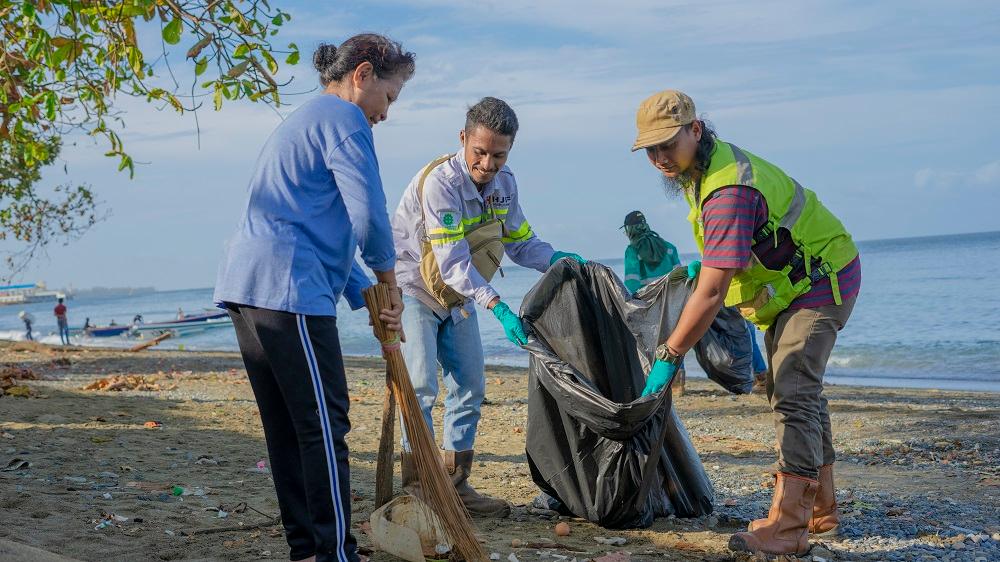
Together with residents, Harita Nickel regularly holds village clean-ups, including one on World Cleanup Day. During this activity, 4.5 tons of waste was collected to prevent accumulation and blockage of waterways.
- Integrated waste management
Residents are involved in sorting organic and inorganic waste. Organic waste is processed into compost, while plastic waste is recycled into useful products. This step prevents waste from polluting rivers or being carried into bodies of water.
- Early environmental education
Through the Harita Mengajar program, hundreds of students in Kawasi receive training in the 3Rs (Reduce, Reuse, Recycle). This education instills awareness of the importance of maintaining a clean environment to prevent water pollution.
- Disaster preparedness outreach and training
Harita Nickel also trains the Kawasi community to prepare for potential disasters, including flooding. This program not only equips residents with emergency response skills but also emphasizes the importance of maintaining a clean environment and unobstructed water flow.
With community involvement, efforts to maintain clean water become more sustainable, fostering a sense of ownership and shared responsibility. Water in Kawasi is a valuable asset that must be safeguarded. Through collaboration between Harita Nickel and the community, water management can be carried out more effectively and sustainably. This effort not only supports the daily needs of residents but also ensures the environmental sustainability of Obi Island for the future.