
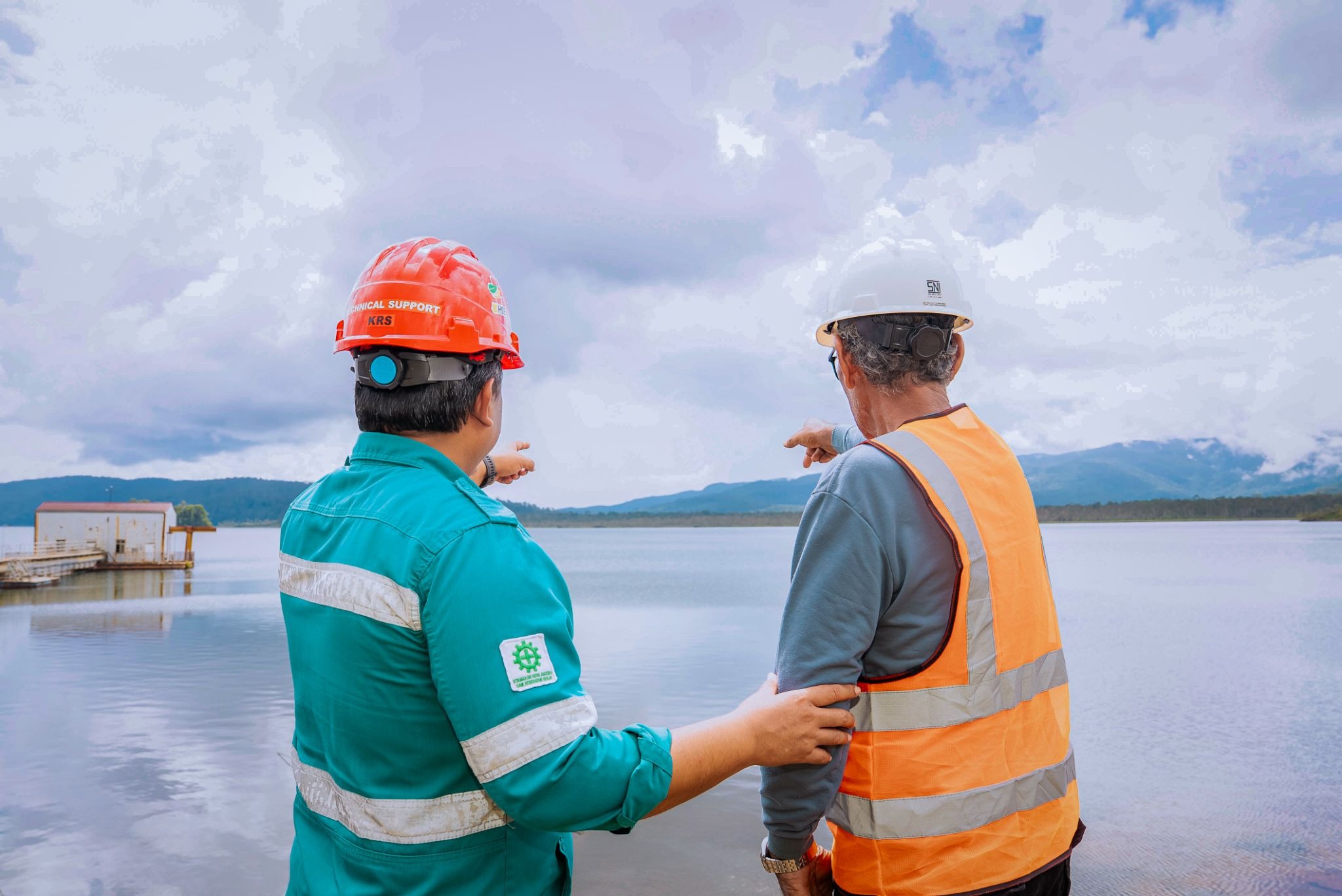
The gentle breeze sweeping across Lake Karo awakened the memories of Jofi Cako and Teo Jurumudi. For these two young men from Kawasi Village, this natural body of water is far more than a mere ecosystem; it was their childhood playground, a place where they would fish and catch eels until dusk.
Teo’s emotional connection is even more personal. His gaze fixed intently on a small patch of land in the middle of the lake, where his family, along with a dozen other households, once resided, living in perfect harmony with nature.
"This vast lake is an inseparable part of our identity," he said softly.
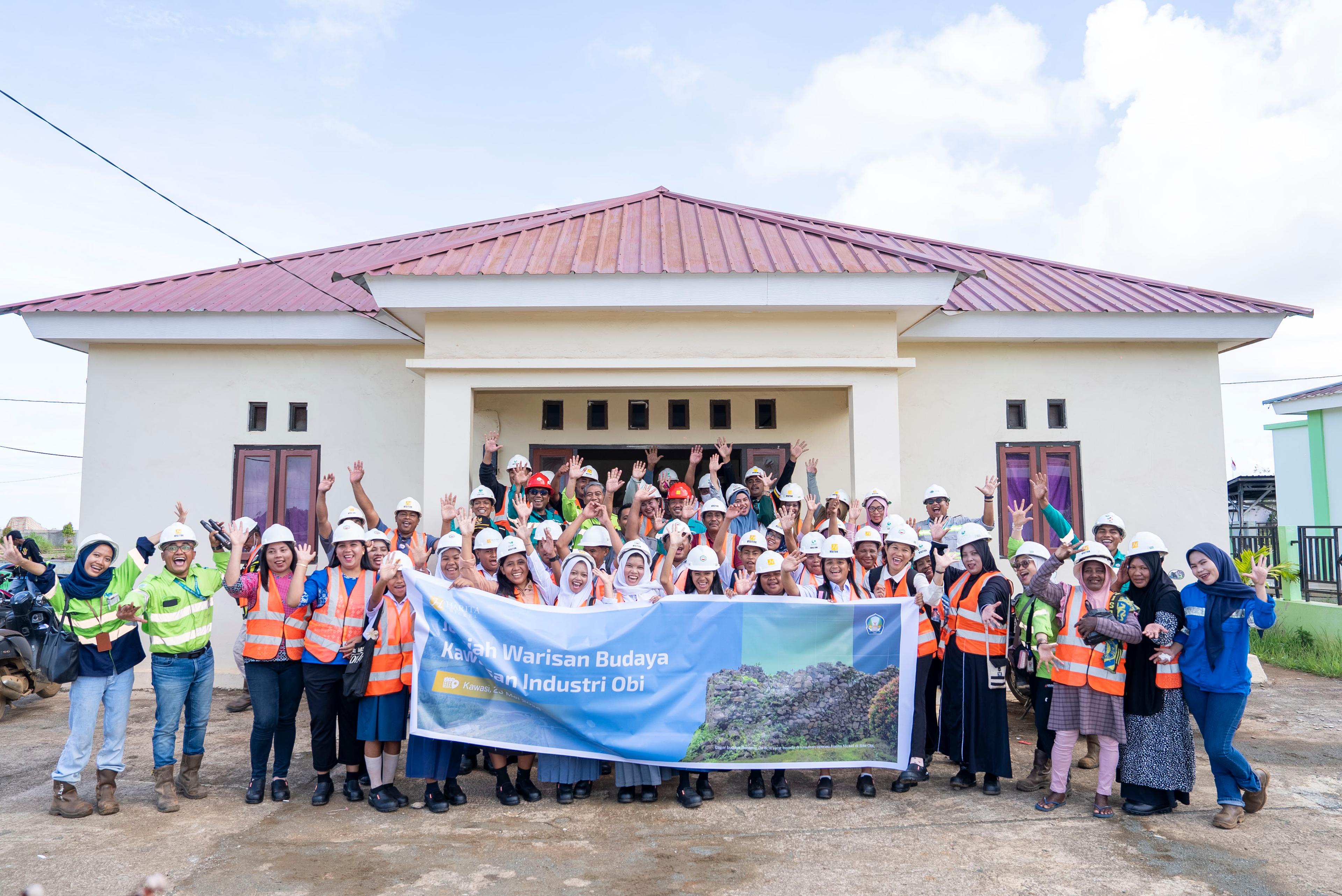
These tales of the past resurfaced on a Saturday morning (May 23). This time, no longer there to play, Jofi and Teo arrived to guide approximately 30 villagers on a "Cultural Heritage Expedition." In collaboration with Harita Nickel, they led the community in retracing their ancestors' footsteps, which now lie within the Obi Industrial Area.
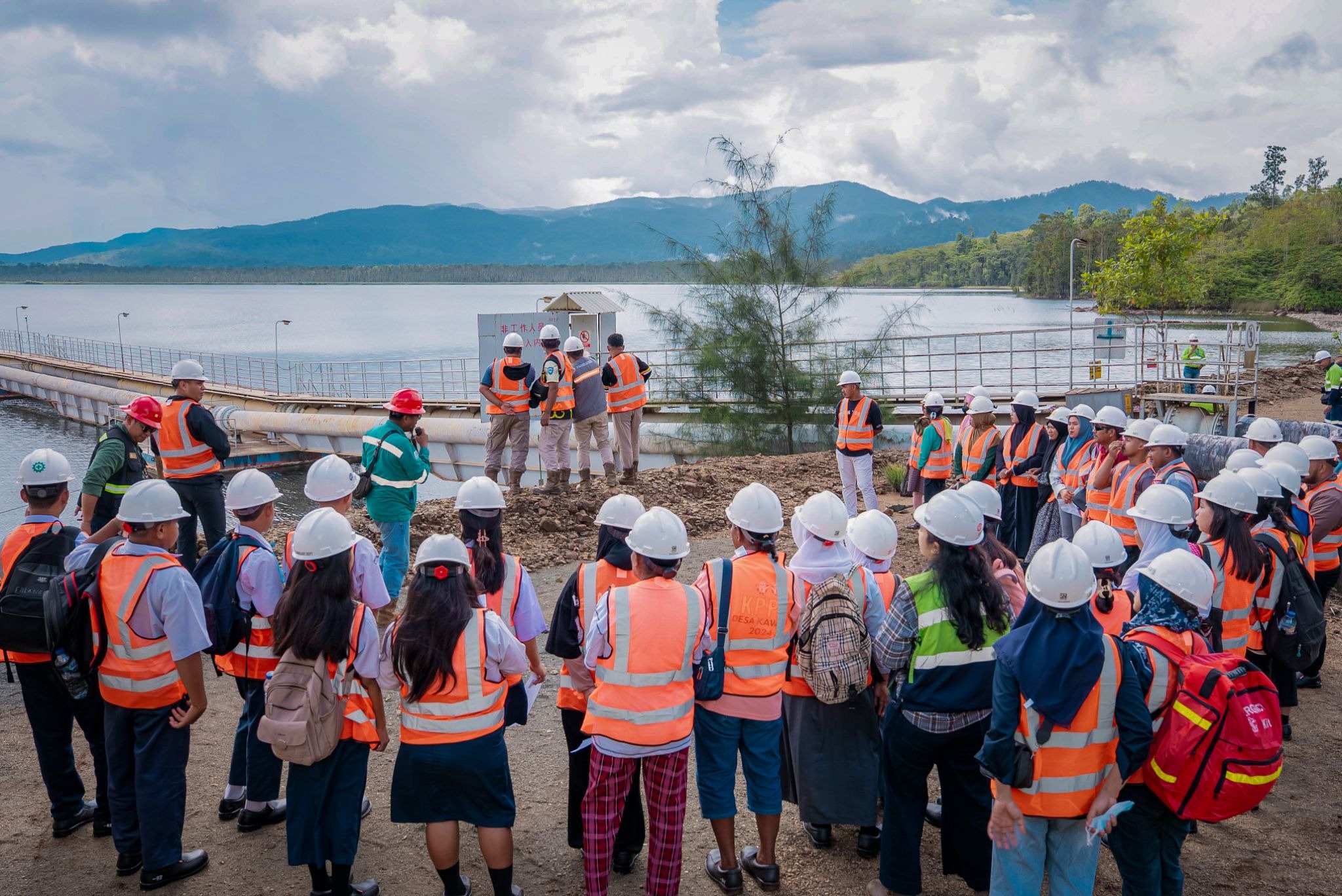
The presence of Kawasi Village's Traditional Leader, Otniel Datang, among the group deepened the sense of nostalgia. He recounted that their forebears originally named the waters Talaga Diki-Diki or Talaga Ma Hilo in the language of the Tobelo, the first tribe to inhabit Obi Island. It translates to "Dammar Lake," referring to the ancient practice of locals who frequently foraged for dammar resin in the vicinity to use as night lamps.
"The atmosphere hasn't changed much. That small island is still there, and the water remains clear and green. This is a heritage we must protect together," he urged, gazing out over the expanse of water.
This message of preservation instantly resonated with the younger generation. For Kresya L., an eighth-grade student at Loji Permai Junior High School, the pristine beauty of Lake Karo and the majestic remnants of De Brill Fort had, until now, been nothing more than bedtime stories told by her parents.
"I am so thrilled to finally see it in person, rather than just imagining it from my mom and dad's stories," she said enthusiastically, as the group set off to explore the ruins of the 17th-century Dutch colonial fort dating back to the spice monopoly era.
Harmonizing historical remnants and natural preservation with the rapid pace of industrialization undeniably demands serious commitment. Today, De Brill Fort, once obscured by dense forest, has been restored as a cultural heritage site jointly managed by the North Maluku Cultural Preservation Agency (BPK) and Harita Nickel.
The company's transparency in opening access to this historical site and ecological zone earned the appreciation of the Head of the Kawasi Village Consultative Body (BPD), Reinhard Siar. "Today we proved that the nature surrounding Lake Karo has not been destroyed, contrary to circulating rumors. The lake is well-maintained, and its presence even contributes to surface water taxes for regional development," he explained.
This balance, admittedly, did not happen by chance. Harita Nickel's Head of Technical Support, Dian Kristiyanto, emphasized that the company is highly cognizant of the cultural value of these locations. "We established a specific perimeter to ensure that both Lake Karo and De Brill Fort remain secure from any mining or smelter activities," he stated firmly.
This protection is further reinforced through a Chance Find Procedure, a mandatory protocol requiring the temporary suspension of all work activities should any potential new cultural heritage artifacts be discovered in the field.
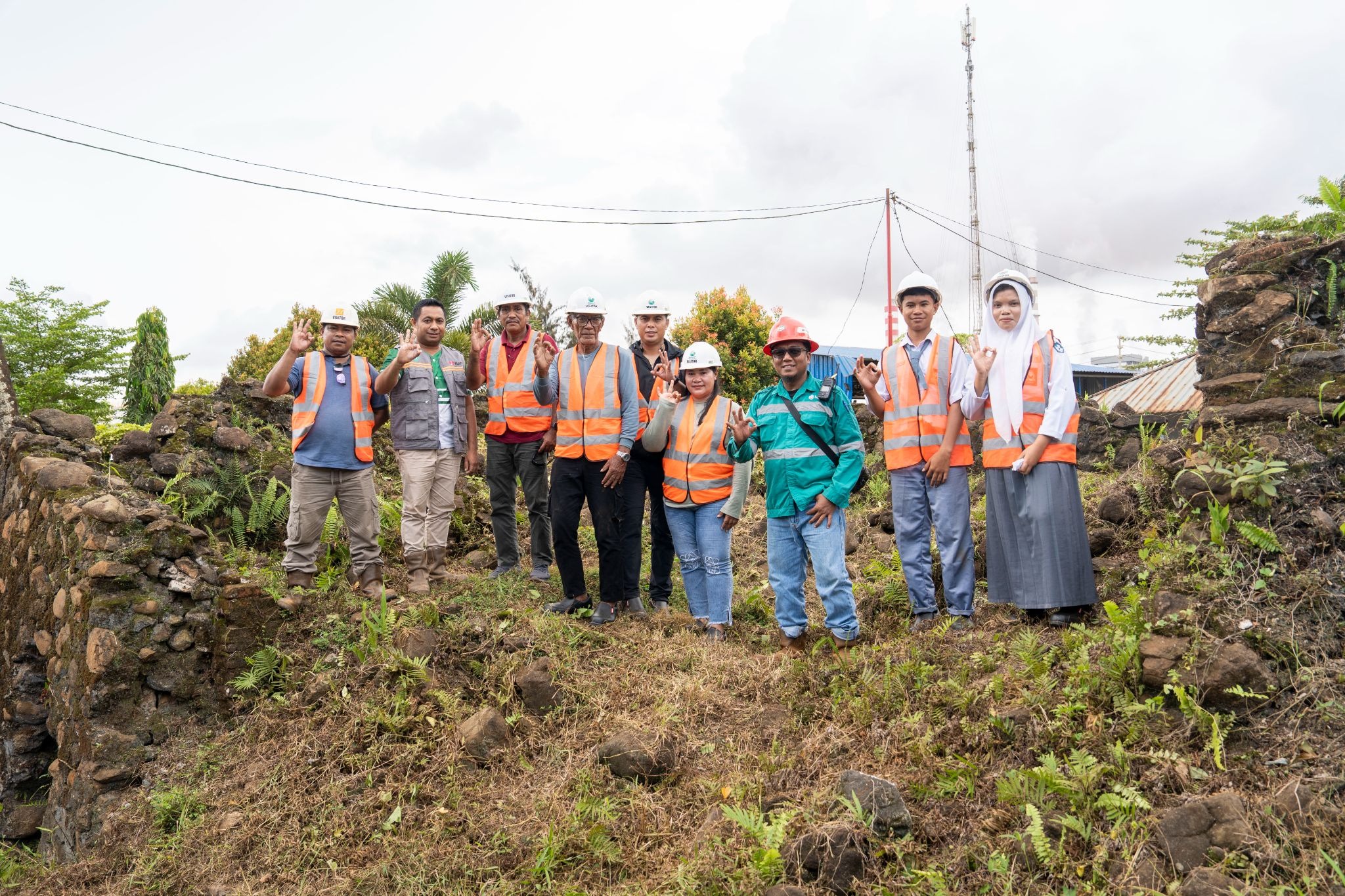
Ultimately, the day's expedition fostered a collective awareness. At the event's conclusion, Jofi summarized that preserving the relics of the past is not merely about protecting physical structures or landscapes, but rather about nurturing the very roots from which they originated.
"The community, the government, and the company must continue to work hand in hand," he concluded. It is a knot of hope from Obi, ensuring that the roar of the engines of progress does not drown out the chronicles of the past.