The rhythmic beat of drums blended with the resonant sound of gongs, breaking the stillness of the night along the coast of Obi Island. Two days after Muslims marked Eid al-Adha 1447 Hijri, the courtyard of the Soligi Village Office transformed into a cultural stage where centuries-old traditions were brought to life. Hundreds of residents gathered around the performance arena, their attention fixed on a celebration dedicated to preserving the roots of their identity.
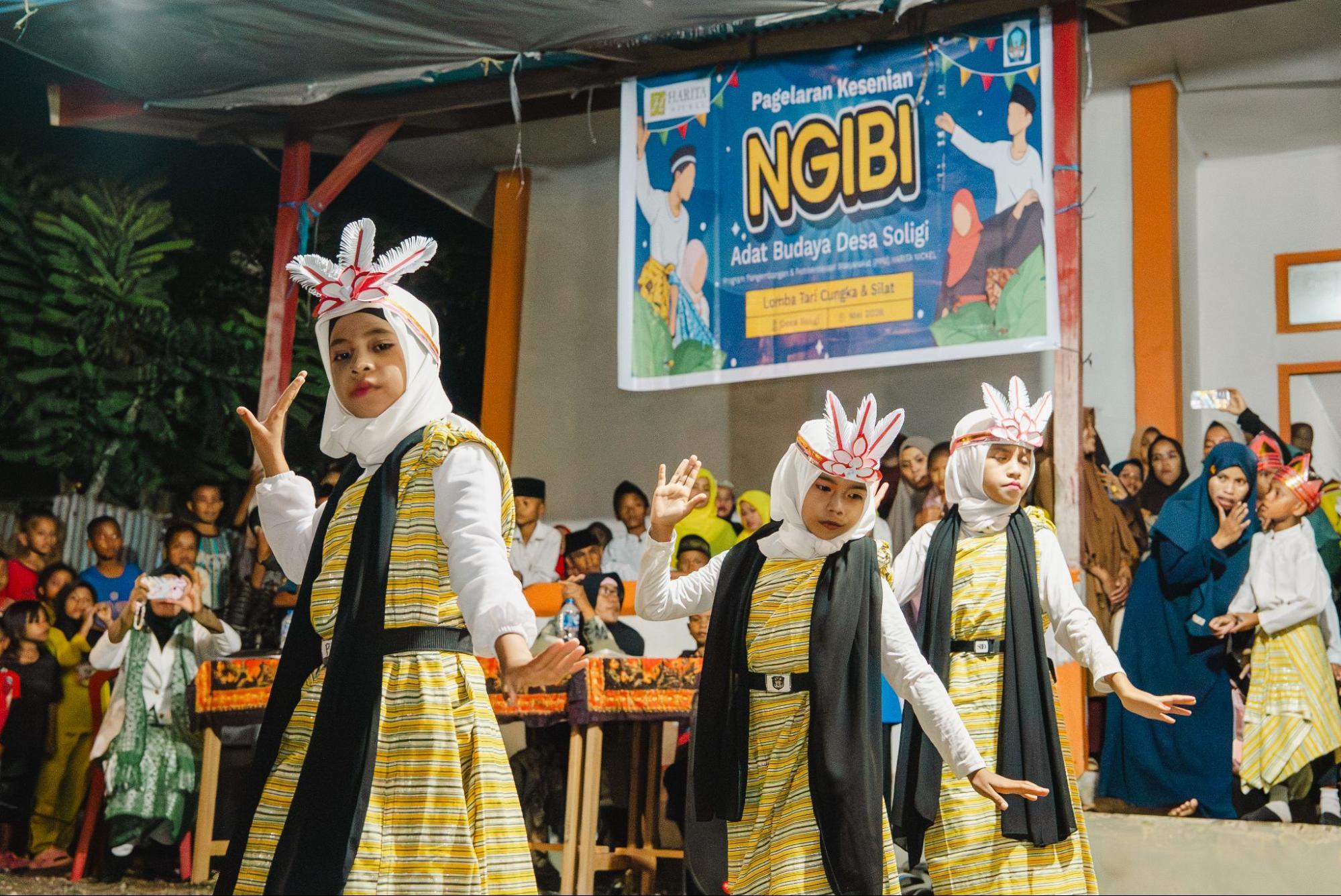
That evening, the people of Soligi Village held the Ngibi Cultural Performance, a tradition inherited from their ancestors in Buton, Southeast Sulawesi. Carried across the sea generations ago, the cultural heritage has taken root and continues to thrive on Obi Island.
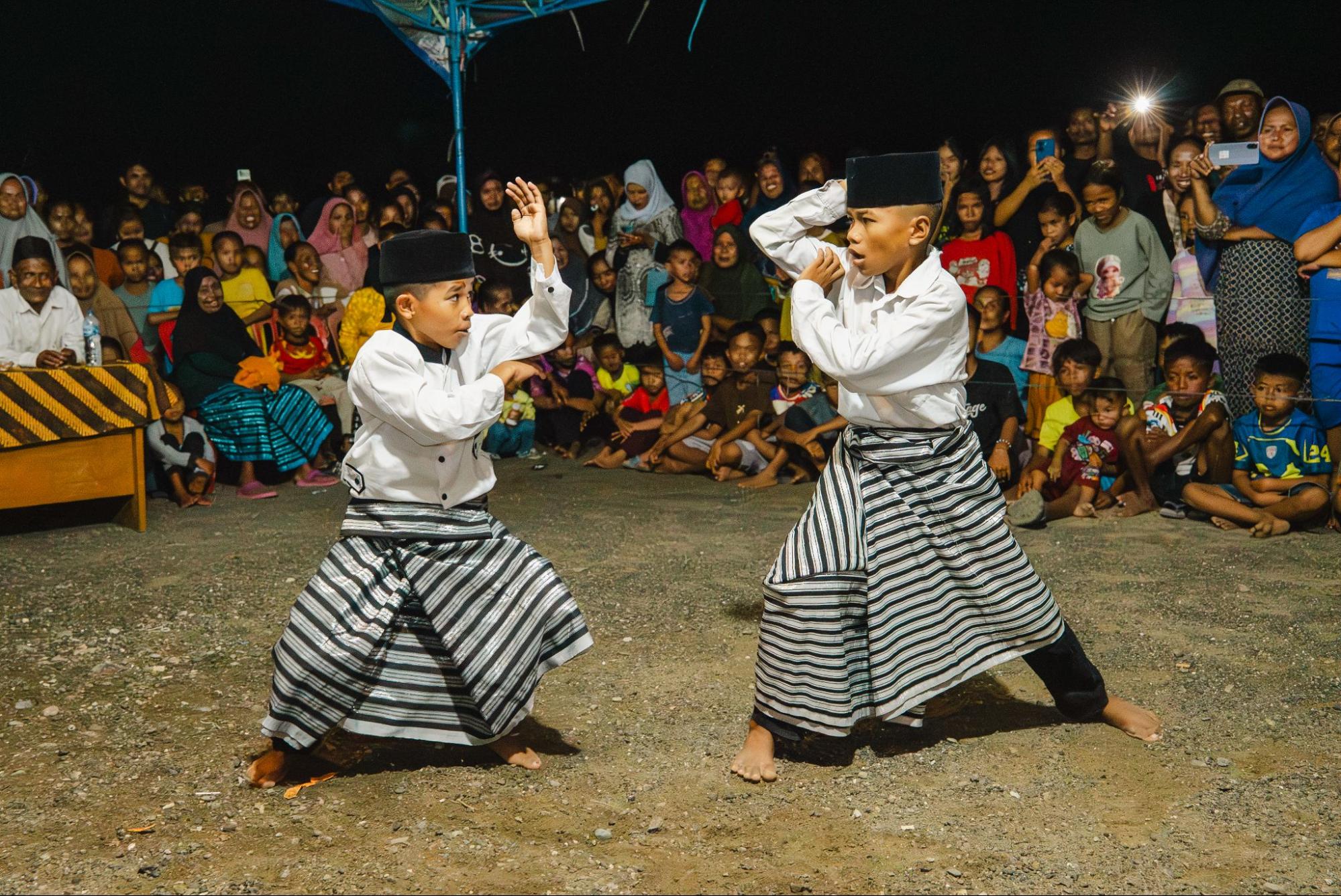
Before the performances began, the lively atmosphere fell silent. The village imam led a prayer, underscoring the close connection between the Ngibi dance tradition and the Islamic values embraced by the local community. The ceremony continued with a customary leader opening the arena through a pencak silat demonstration, symbolically paving the way for the younger generation who would follow.
The stage was then filled by the Cungka Dance, performed by female dancers to represent the earliest stage of human life in the womb. The narrative continued through the Ngibi Dance, a paired performance symbolizing gratitude for the moment when the soul is breathed into the body. Throughout the graceful choreography, male dancers refrain from touching their female partners, reflecting the community’s deep respect for women as nurturers of life.
Soligi traditional leader Imam La Puasa explained that every movement and stage of the Ngibi performance embodies moral teachings, life values, and the historical journey of the Butonese community that has been passed down through generations.
“Ngibi is more than just entertainment. It carries wisdom, history, and an identity inherited from our ancestors. That is why this tradition must be preserved, so that future generations do not lose sight of their roots,” he said.
Historically, the Ngibi Dance was performed as an expression of gratitude following a successful harvest. Today, the tradition has evolved into a cultural centerpiece for various community celebrations, including Eid al-Adha festivities.
After the philosophical reflections conveyed through dance, the arena once again came alive. Elementary and high school students took center stage in a series of pencak silat demonstrations. Cheered on by hundreds of spectators, the martial arts performances were not intended as contests of aggression but rather as expressions of sportsmanship, discipline and the warrior spirit embraced by Soligi’s younger generation.
Where Industry and Local Wisdom Meet
For Soligi Village Head Madaisi La Siriali, the vibrant celebration represented more than entertainment—it was part of a broader effort to prevent cultural erosion.
“This event, supported by Harita, is the result of collaboration between the village government and customary leaders. Let us continue to learn about and preserve our identity while encouraging younger generations to safeguard their cultural heritage,” he said.
The cultural performance was made possible through collaboration between the local community and Harita Nickel. The partnership offers a tangible example that industrial development and downstream processing activities do not have to come at the expense of local cultural identity. Instead, industry can play a catalytic role in ensuring that traditional values continue to flourish.
Reaffirming this commitment, Harita Nickel Community Relations Supervisor Wigit Yan Sukmawan said the company’s presence is grounded in respect for local wisdom and cultural heritage.
“For us, preserving cultural traditions is just as important as maintaining operational excellence. The Ngibi Dance is an integral part of Soligi’s cultural identity. Our role goes beyond fulfilling social responsibilities—we want to help ensure that this tradition continues to be passed on to future generations,” Yan said.
While the growth of Indonesia’s downstream mineral industry promises economic transformation, meaningful investment also involves safeguarding the social and cultural capital that shapes local communities.
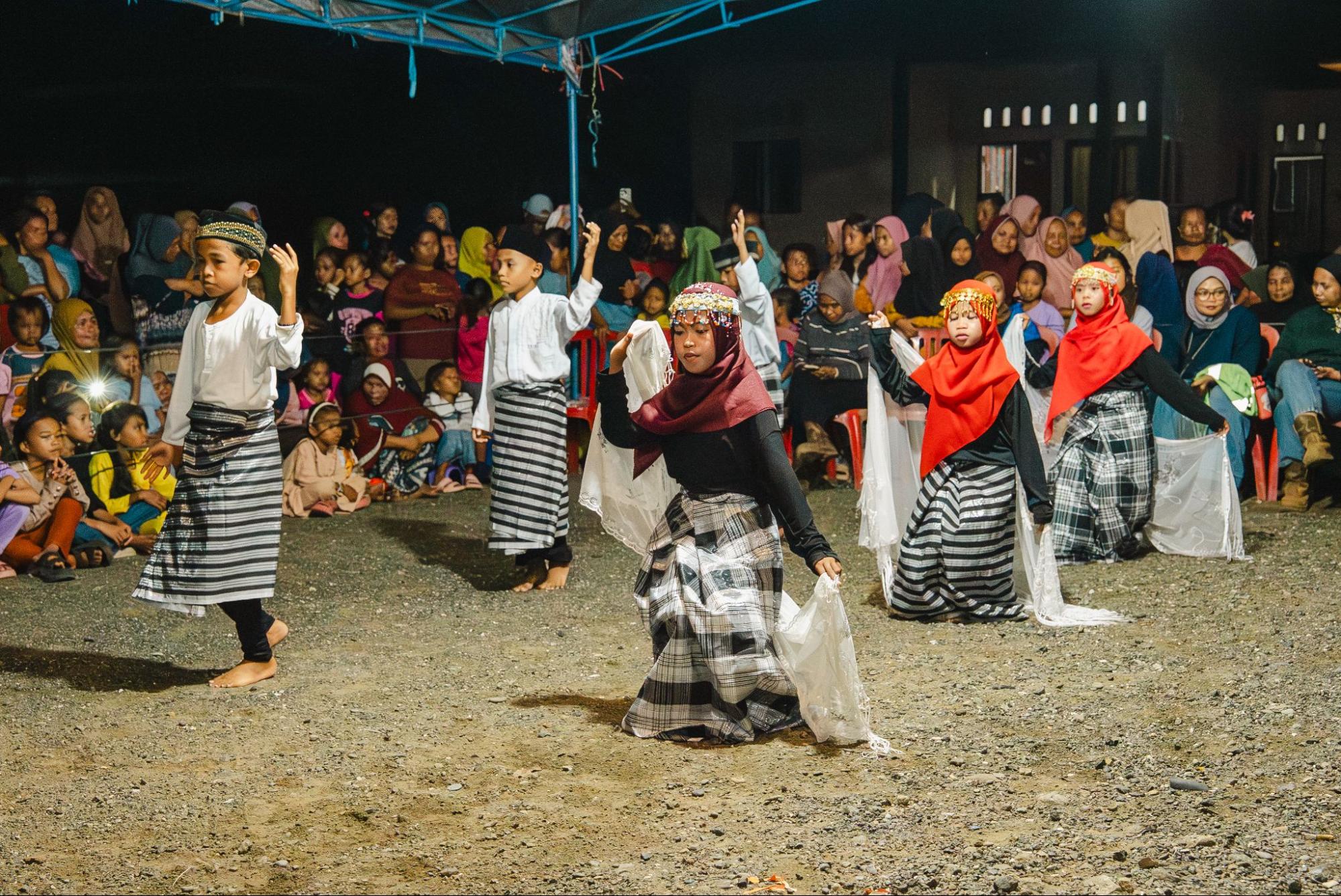
As the night grew later, the arena showed no signs of quieting down. Accompanied by the steady rhythm of gongs, children continued to dance and practice pencak silat with enthusiasm. They were doing more than demonstrating their skills; they were receiving the baton of Buton’s cultural legacy. In the hands of Soligi’s younger generation, this ancestral heritage remains firmly preserved, ensuring its heartbeat will continue to resonate along the shores of Obi for generations to come.