Harita Nickel operates nickel downstream facilities on Obi Island with the support of more than 23,000 workers. These massive operational activities and daily consumption generated high volumes of organic waste. If not managed properly, the waste can cause odors, produce methane gas, and has the potential to contaminate the soil and water around the operational area.
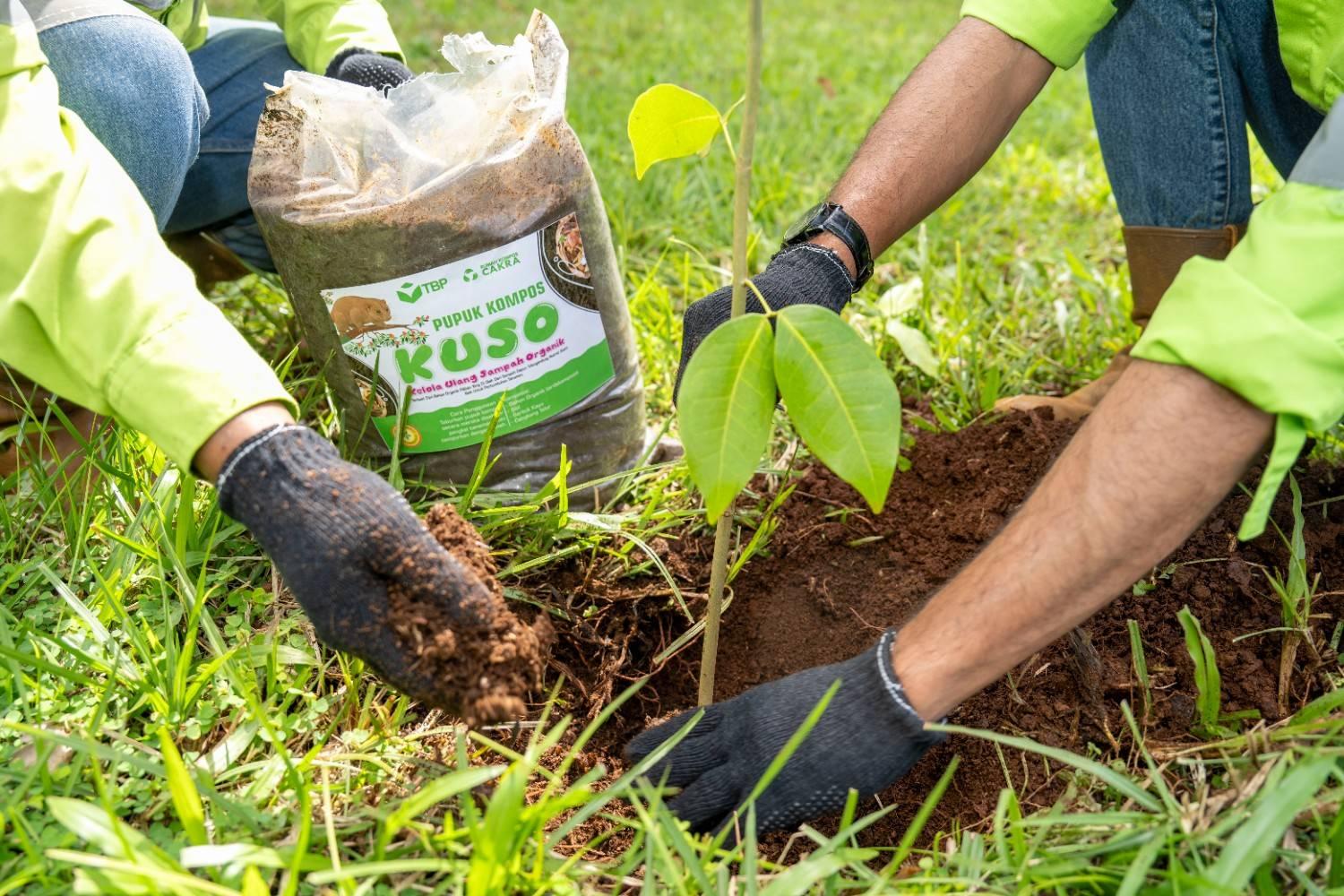
In response to this challenge, Harita Nickel developed KUSO (Kelola Ulang Sampah Organik or Organic Waste Management), an initiative by PT Trimegah Bangun Persada Tbk, aimed at transforming food waste into organic fertilizer as part of the implementation of circular economy principles on Obi Island.
Interestingly, the name ‘KUSO’ not only reflects the process of managing organic waste, but is also inspired by the endemic animal of Obi Island, the Obi cuscus (Phalanger rothschildi), which is known locally as kuso. This nocturnal marsupial symbolizes the harmony and the unique biodiversity of Obi, while also serving as a reminder that every environmental management effort is inherently linked to the preservation of life on the island.
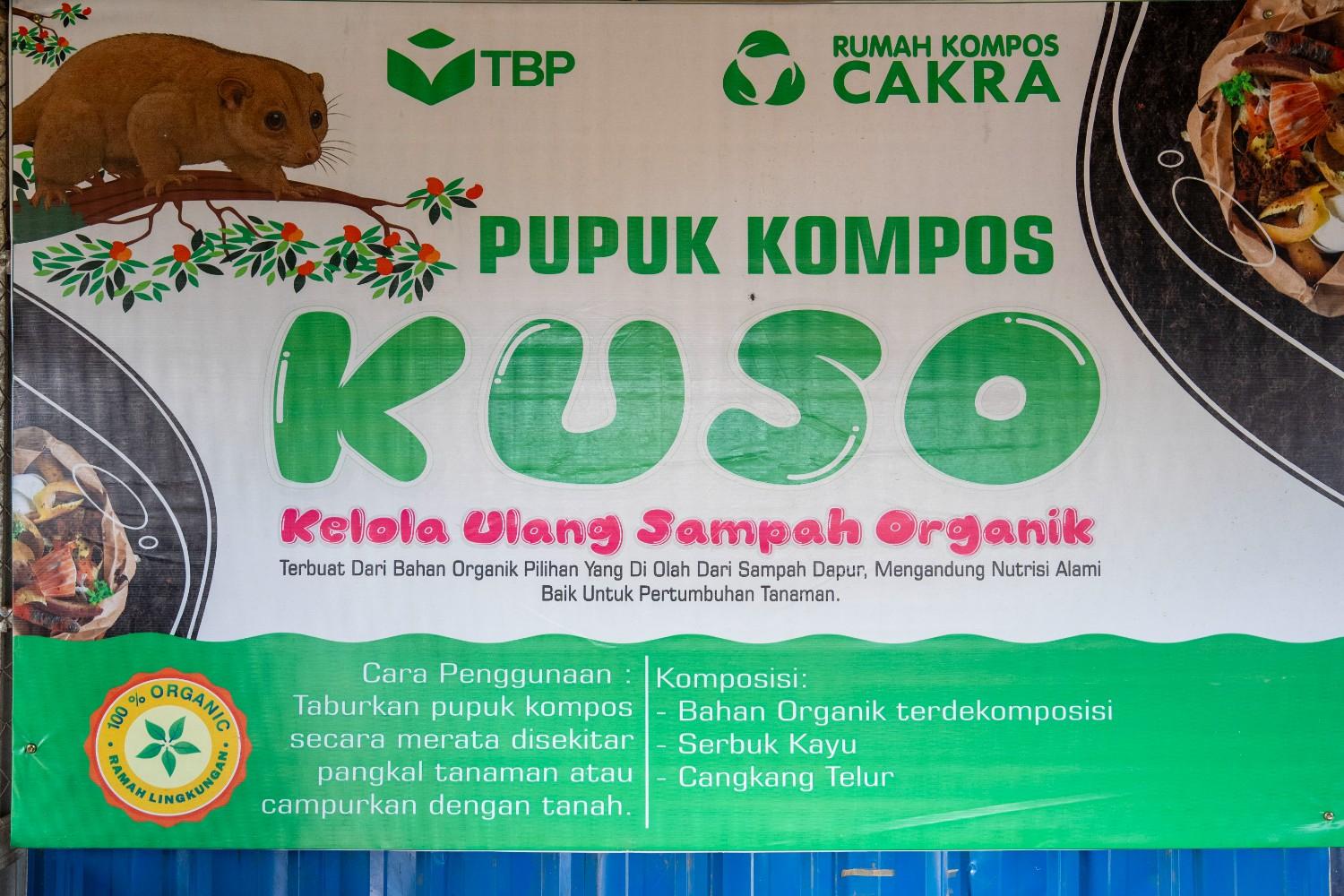
“Our KUSO program began in March 2024 with the processing of organic waste from the employee canteen. Now, this program is having a real impact, with a total of around 7.4 tonnes of organic waste that have been processed as of November 2025,” explained Imam Agus Faisyal, Junior Environment Compliance Engineer at PT TBP. He added that sorting waste at source is key to the success of composting at the CAKRA Composting House.
The CAKRA Compost House is a facility that processes food waste into compost through an organic process at the Harita Nickel site. The facility itself was chosen in line with the theme of the puppet (wayang) show, where "Cakra" symbolizes protection and balance. This philosophy is translated into a mission to restore the natural cycle by turning food waste into a new and useful resource.
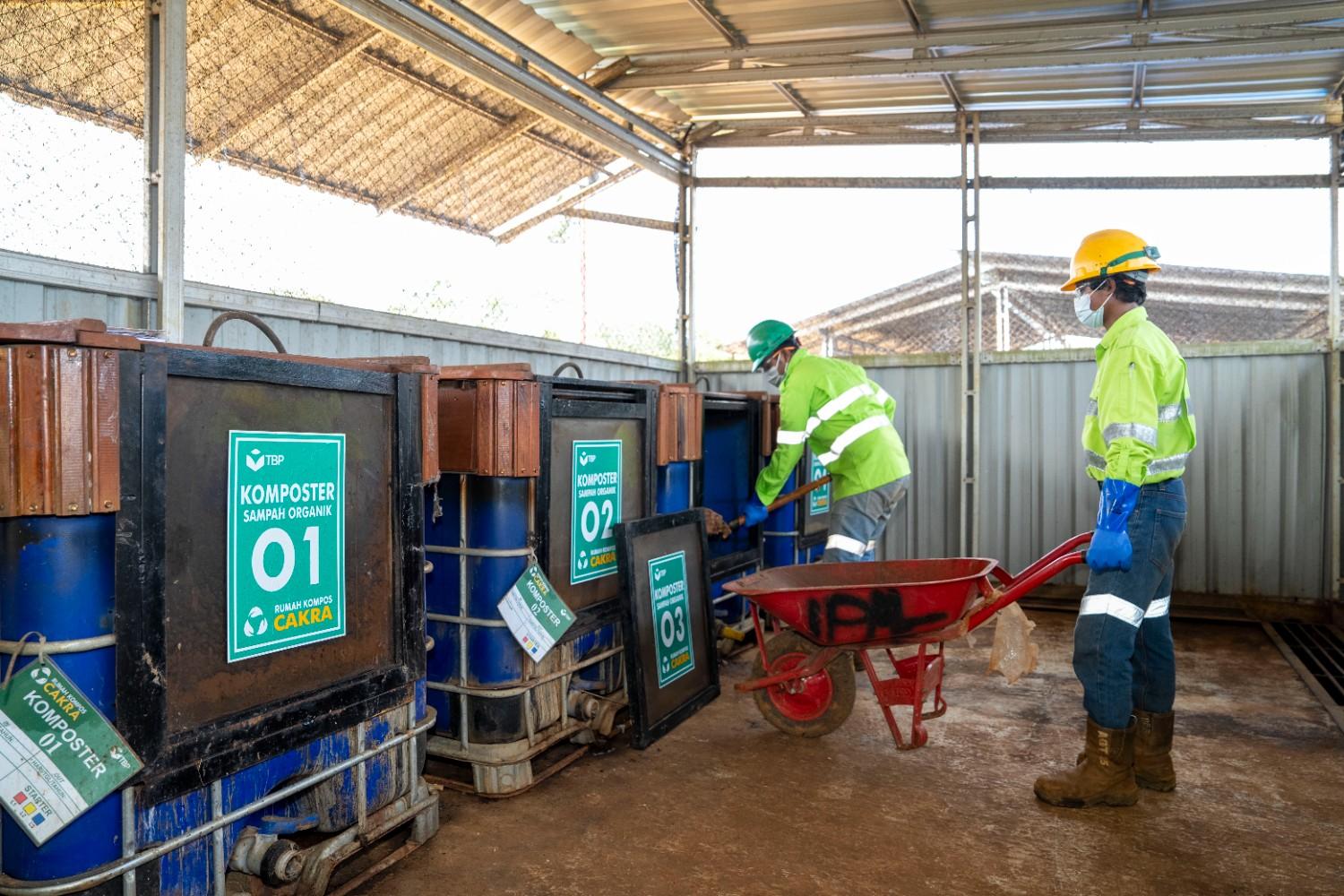
Upon arrival at the CAKRA Compost House, organic waste is chopped and mixed with wood chips or dry leaves to maintain a balanced carbon-nitrogen ratio. The mixture is then placed in a closed composter and treated with Miko Local Organism (MOL) as a bioactivator. This process is marked by rising temperatures inside the composter, reflecting active microbial decomposition.
“The composting process is carried out aerobically and requires regular turning to maintain oxygen flow and moisture,” said Imam.
As of November 2025, the CAKRA compost house has collected 7.4 tons of organic waste. Approximately 60% has been turned into around 4.4 tons of solid compost, while the liquid fertilizer produced ranges from 370 to 741 liters. All of these organic products are used for the maintenance of green spaces, nurseries, and reclamation in the company's operating areas.
PT TBP’s Senior Environment Compliance Engineer, M. Saifullah Nijar, emphasised that KUSO is the first step towards implementing more extensive organic waste management. “We hope that this program can be replicated independently in other business units, so that its benefits can be even greater,” he said.
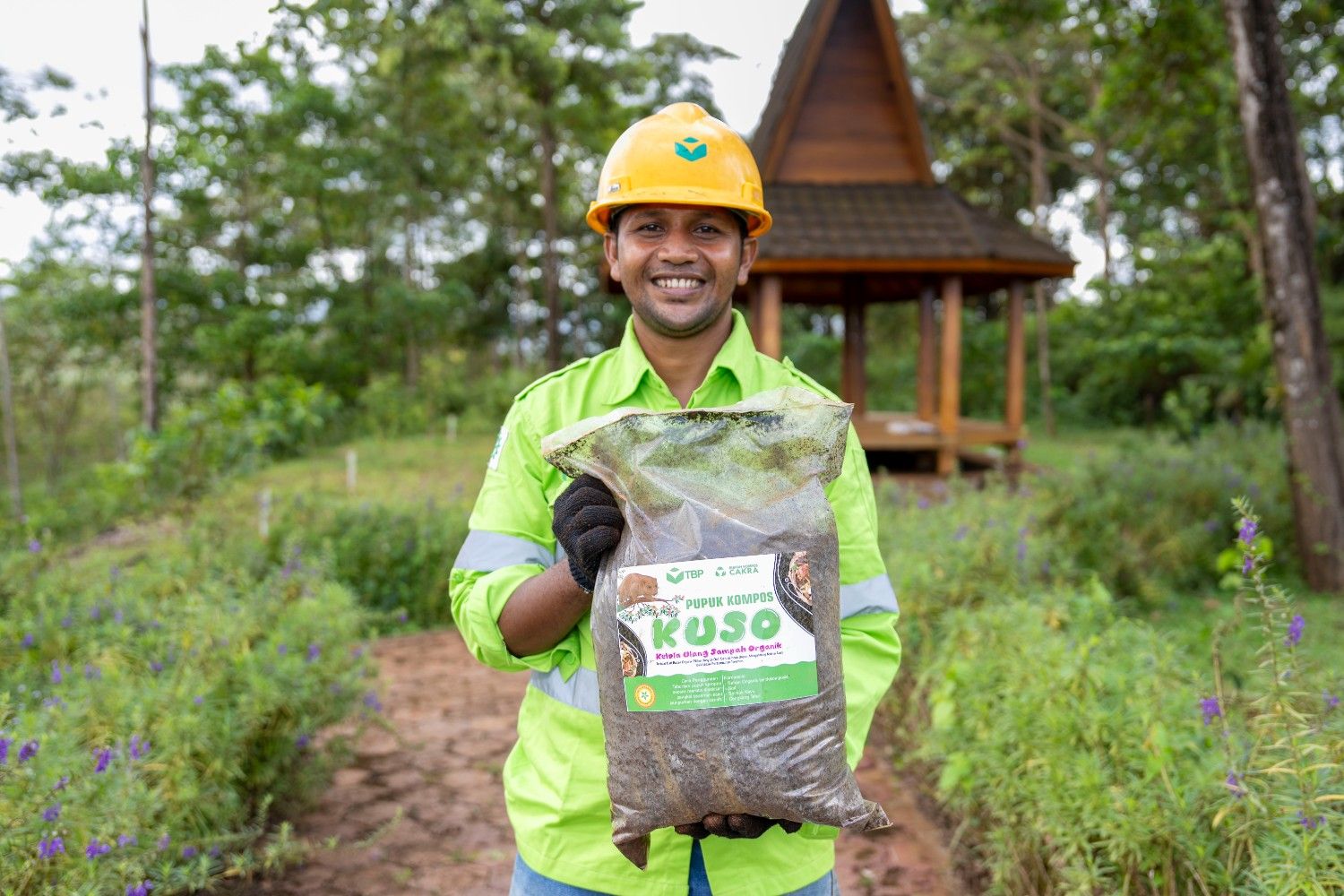
KUSO complements Harita Nickel's other circular economy initiatives, including the use of used bottles as biofilters in Wastewater Treatment Plants, the conversion of plastic waste into alternative fuel, and the use of used cooking oil as a substitute for coal in smelter facilities. This series of efforts underscores the company's commitment to reducing processing waste, strengthening resource efficiency, and maintaining environmental sustainability on Obi Island.