The launch of a program to build and rehabilitate 1,200 substandard homes (RTLH) by the North Maluku Provincial Government in 2026 marks a growing focus on the quality of housing for the community. This program is part of the local government’s efforts to improve residents’ well-being through safer, healthier, and more livable living environments.
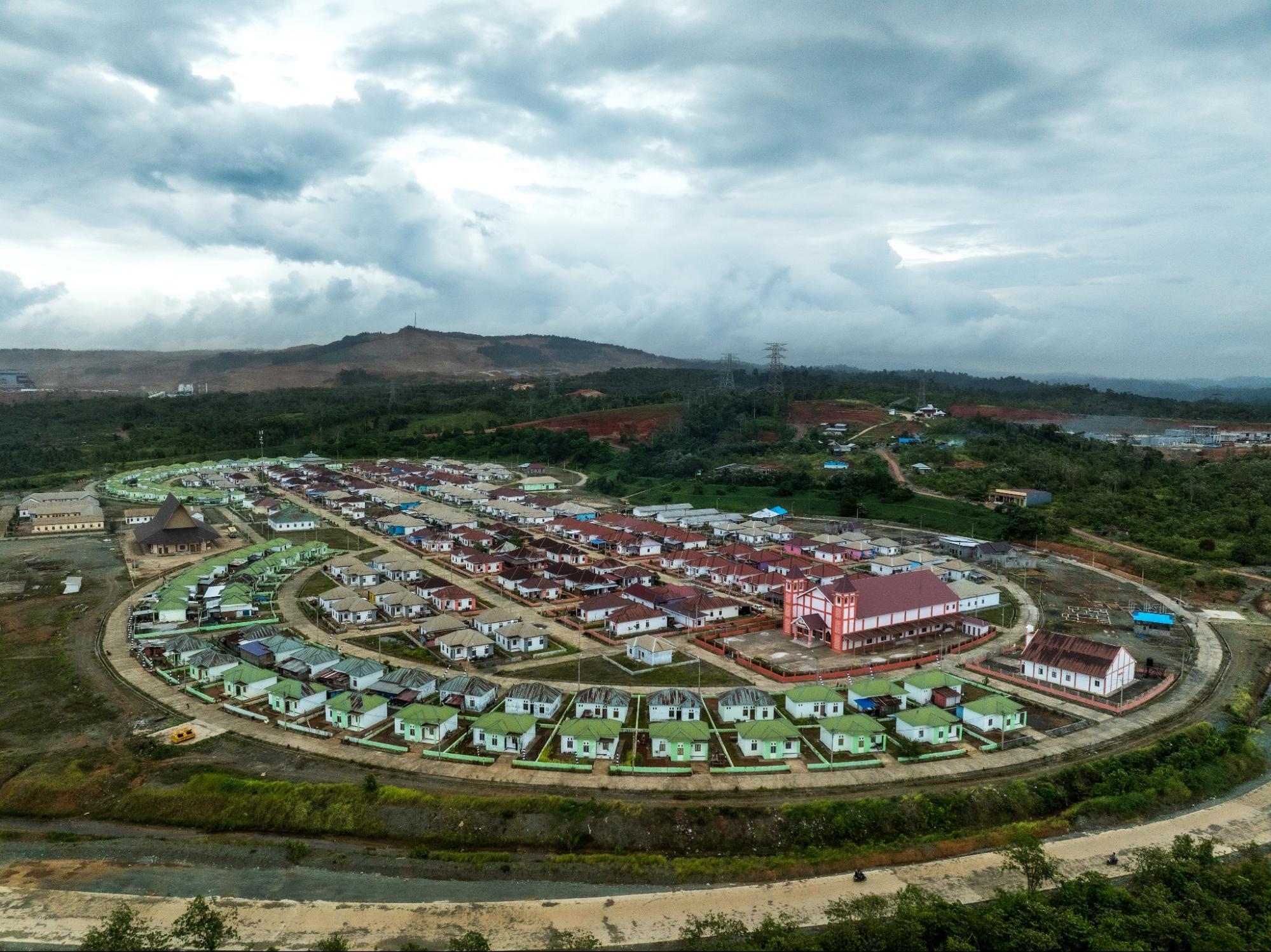
An illustration of how this vision can be realized is also evident in various other initiatives at the local level, one of which is the development of a new settlement in Kawasi Village, initiated by the South Halmahera Regency Government with support from Harita Nickel, which serves as an example of a collaborative approach in creating a settlement that support the growth and development of the next generation.
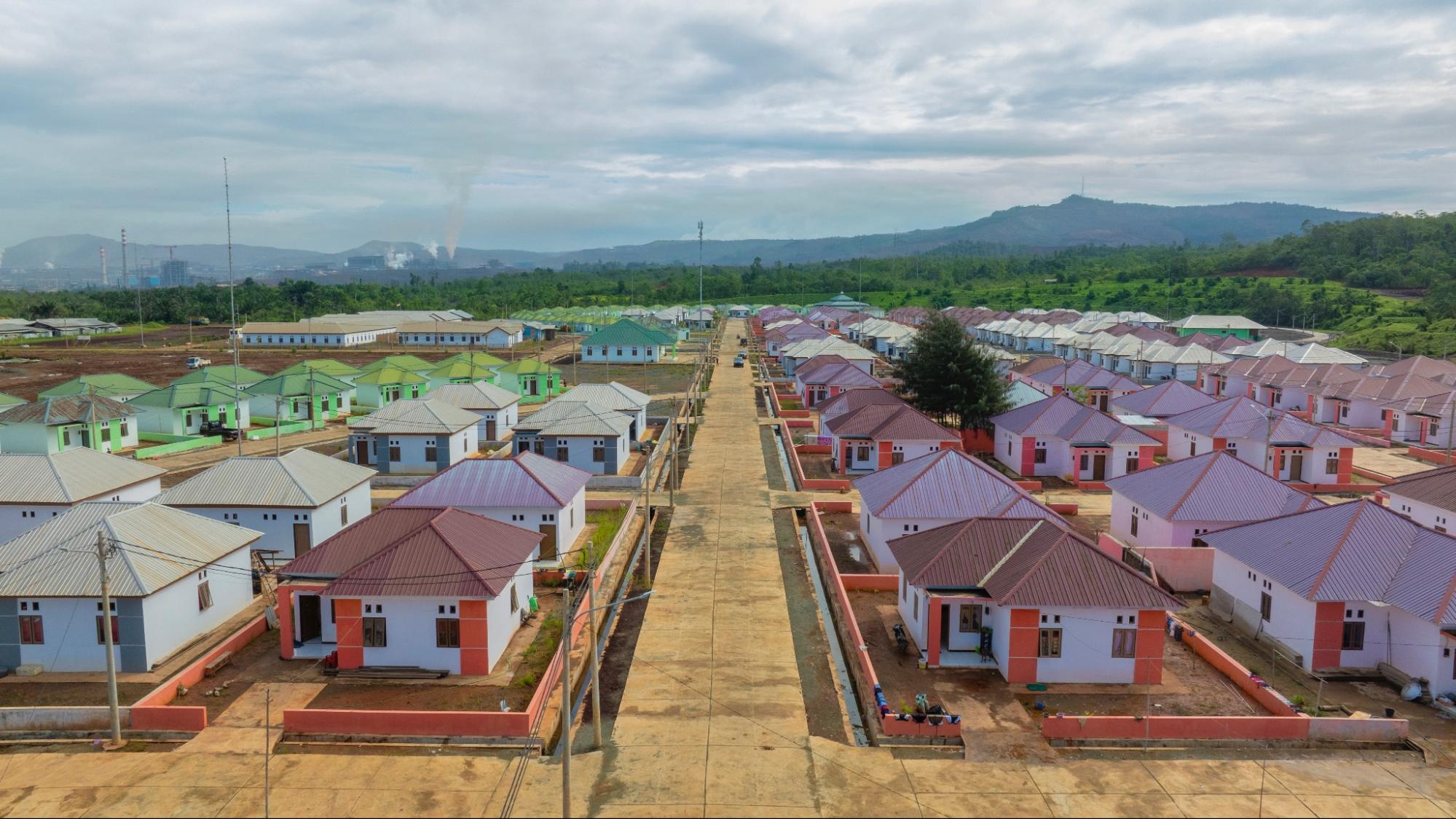
The development of the Kawasi Village New Residential Area on Obi Island is considered to have met the parameters of an ideal modern city. Rais D. Hi. Yusuf, a lecturer in engineering at the University of Muhammadiyah North Maluku (UMMU), stated that the Kawasi New Residential Area has implemented the three main principles of an inclusive city: livable, smart, and sustainable.
According to Rais, an inclusive city must provide equal access to public services and economic opportunities for all residents regardless of their background. “The Kawasi Village New Residential Area was designed using a human-centered design approach, where the development of basic infrastructure, social facilities, and public services is focused entirely on human needs and well-being,” he explained.
One of the standout technical aspects of this project is the use of industrial waste in the form of nickel slag as a substitute for coarse aggregate in concrete mixes. Rais explained that the use of nickel slag from Harita Nickel’s refining facility on Obi Island represents a concrete step toward an environmentally friendly construction industry. When applied to permanent housing and neighborhood roads, this material results in sturdy, more durable and resilient structures.
“Nickel slag has dense angular particles and chemical components such as silica and lime that support the cement hydration process. As a result, the concrete produced is of higher quality, more durable, and significantly reduces reliance on natural aggregates,” explained this Master of Urban Design graduate from Gadjah Mada University (UGM).
From a spatial planning perspective, Rais highlighted the implementation of the mixed-use and diverse city concept in the Kawasi Village New Settlement. This concept integrates various functional activities, including residential areas, commercial zones, public facilities, and green open spaces, into a single integrated area.
He added that, based on the aspects and criteria outlined in Ministry of Public Works Regulation No. 2 of 2016, the Kawasi New Settlement has met the criteria for an Eco-Settlement (Ecological Settlement).
“The Kawasi area is not just an ordinary settlement, but a concrete example of how social, economic, and ecological aspects are balanced. This can serve as a benchmark for the planning and design of urban residential areas in other regions, particularly in industrial zones,” concluded Rais.
Rais’s explanation as an academic aligns with the experiences of residents who have been living in the Kawasi Village New Settlement. One of them is Yunince, who said the new settlement offers a cleaner and more comfortable environment compared to her previous home.
“When it rains, it doesn’t get muddy; when it’s hot, it isn’t dusty. Here, we have electricity and water 24 hours a day. We also use air conditioning here,” said Yunince.
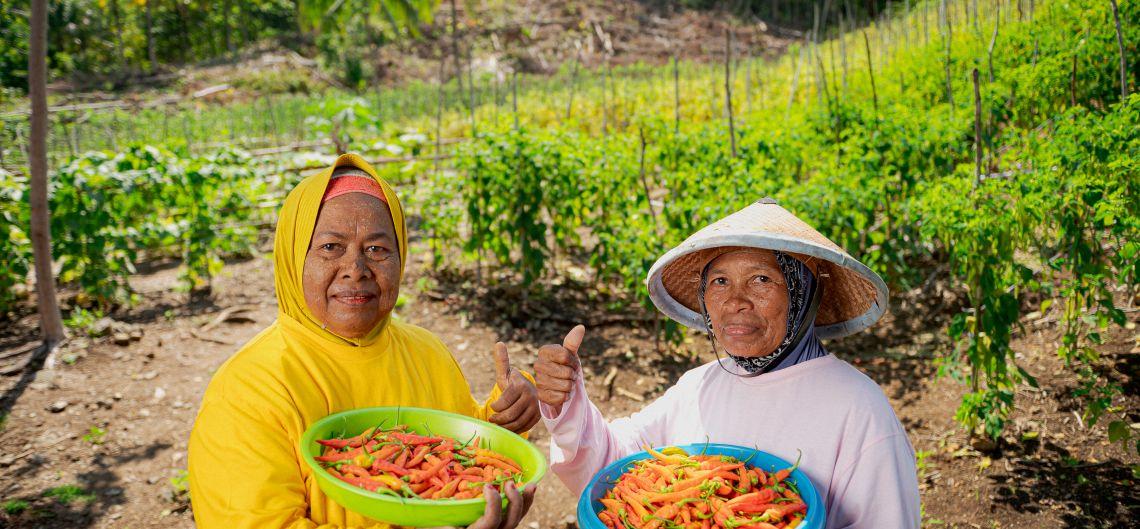
Nur Eneng Rahmat (33) expressed similar sentiments, noting a significant improvement in comfort and tranquility in the Kawasi New Settlement. Moreover, Nur Eneng pointed out that the New Settlement has opened up economic opportunities for residents. She herself runs a business selling groceries and vegetables.
“My daily revenue is around 1–2 million rupiah. In the New Settlement of Kawasi Village, economic opportunities are wide open for me. Life here is also more organized; I see my neighbors more often, and religious activities are thriving,” she said.
In Obi, improvements in housing quality are gradually changing how the community views the future. A more organized environment fosters healthier social interactions, while adequate basic facilities help families navigate their daily lives with greater peace of mind.