The nickel mining and processing industry is often portrayed as a masculine world, harsh, noisy, and high-risk. Yet within Harita Nickel’s operational landscape on Obi Island, South Halmahera, that narrative is gradually evolving. Emancipation is no longer just an idea, but a reality reflected in the dedication of resilient women across the organization.
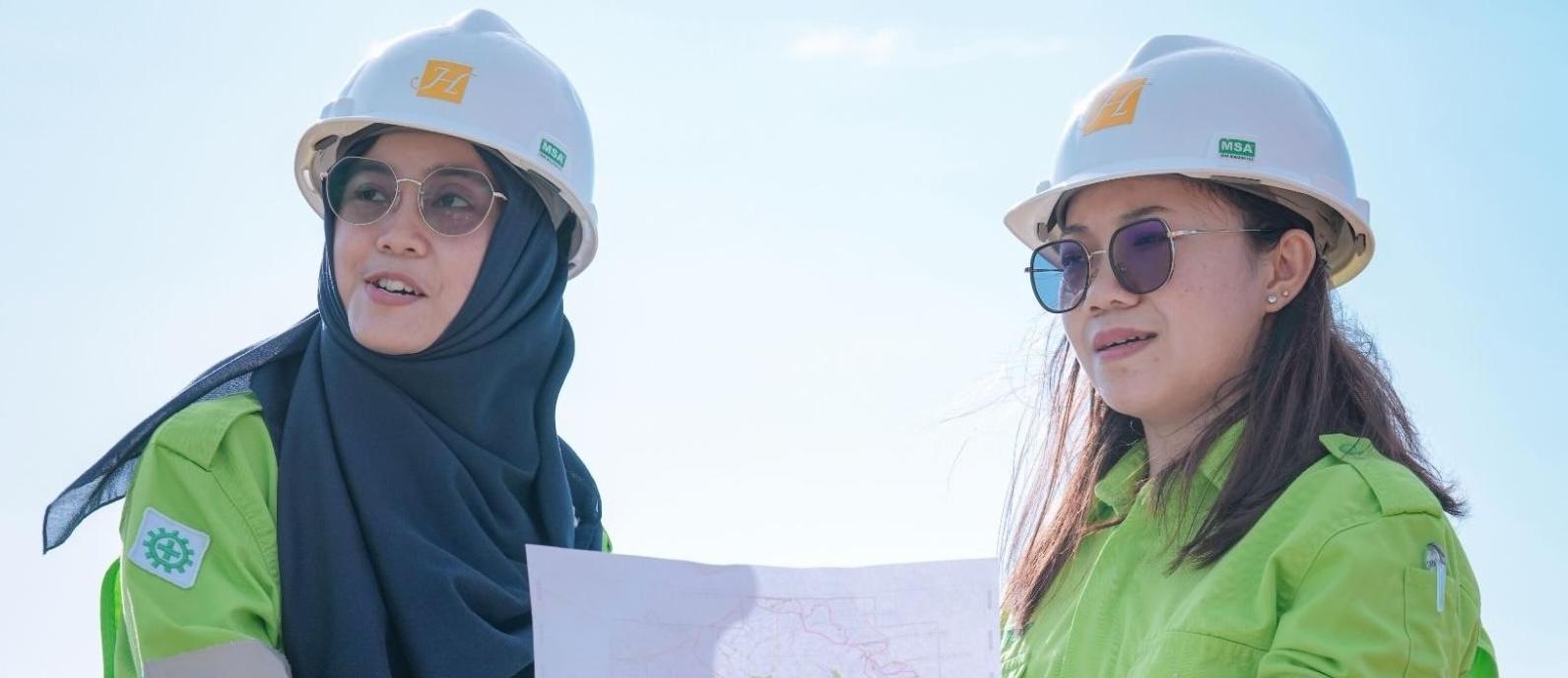
These women not only hold strategic roles at the forefront of occupational safety and environmental protection but also serve as key drivers in fostering social harmony with surrounding communities. Their stories demonstrate that in an industry traditionally dominated by men, equal opportunities to contribute and lead are very real. Here, opportunity is defined not by gender, but by competence.
Local Women at the Frontline: Safeguarding Harmony and Safety
The presence of local women in strategic positions represents one of the strongest reflections of inclusivity at Harita Nickel. Margarita Luwudara and Yufita Tuhuteru, both natives of Obi Island, play critical roles in two vital aspects of the company: social engagement and operational safety.
Margarita, Community Relations Superintendent at PT Trimegah Bangun Persada (TBP) Tbk., has served as a vital bridge between the company and local communities since 2018. As a resident of Kawasi Village, the core operational area, Rita brings an empathetic, community-centered perspective to ensure that social programs are well-targeted and impactful.
“As someone from Obi, I am grateful for the support provided by the company. It has a significant impact on our future, and I hope the younger generation of Obi will dare to dream,” she said. For Rita, her role is more than a profession; it is a way to empower her hometown.
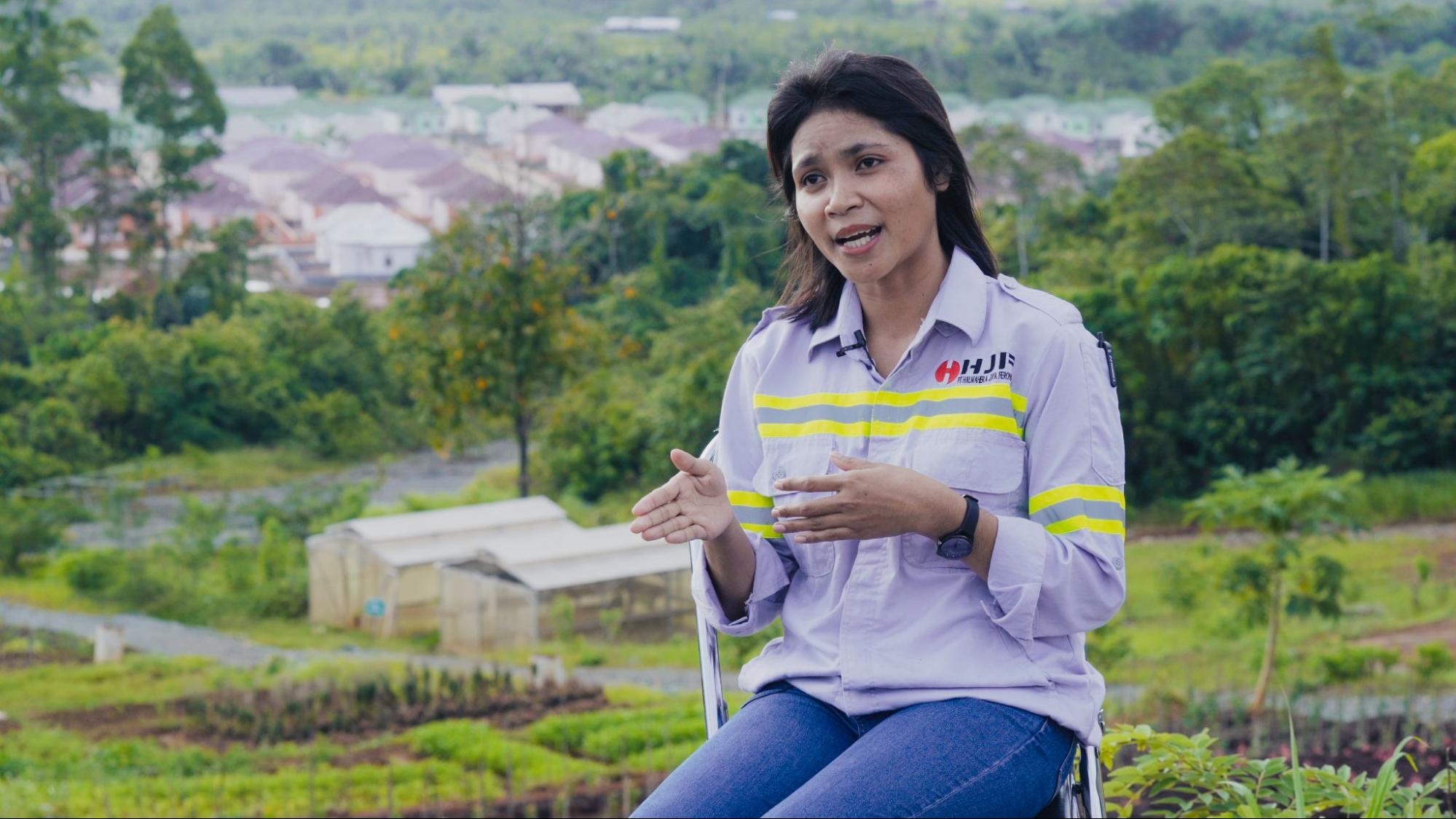
While Rita nurtures social harmony, Yufita Tuhuteru operates at the technical frontline of high-risk industrial processes. As a Process Safety Engineer at PT Halmahera Persada Lygend (HPL), this native of Soligi Village is responsible for ensuring process safety at facilities producing materials for electric vehicle batteries.
With a master’s degree in chemistry from Universitas Gadjah Mada (UGM), Yufita focuses on maintaining the integrity of processing systems to prevent critical incidents. For her, ensuring plant safety is more than a matter of compliance; it is a form of responsibility and care, protecting both her colleagues and the community where she was born.
Managing Natural Challenges for Environmental Sustainability
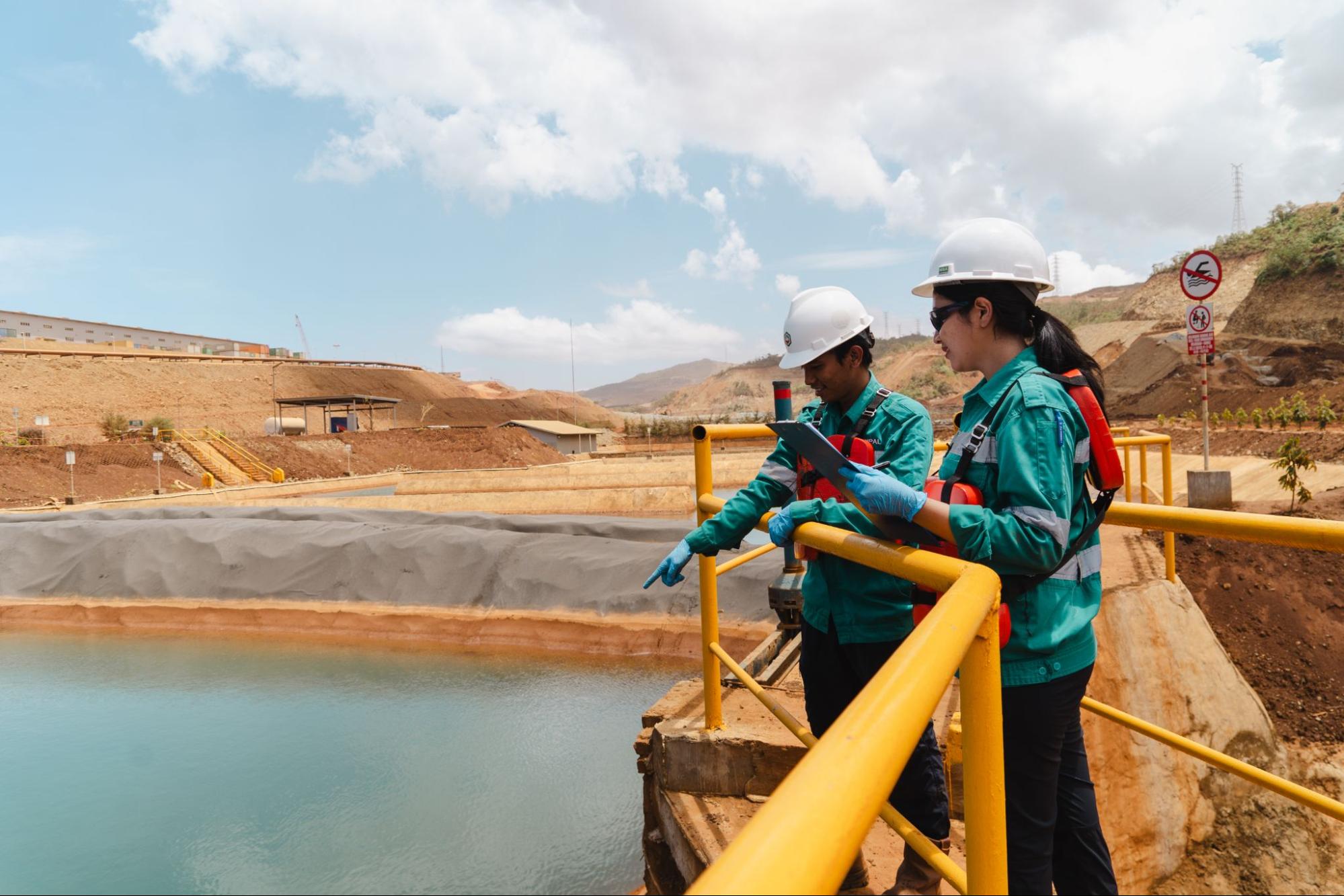
Mining operations inevitably interact closely with natural conditions. At PT TBP Tbk., high rainfall on Obi Island presents a constant operational challenge that requires precision and vigilance. At this critical point, Esmar Sulea Datu Lalong, Senior Mine Hydrology Engineer, and Mira Marlinda, Environment Supervisor, play a key role.
They are responsible for managing run-off water, particularly through sediment ponds such as Tugu Raci 2, which spans 43 hectares. “Water quality is strictly controlled through physical and chemical methods to ensure it meets regulatory standards before being discharged,” explained Esmar and Mira.
A similar challenge, in a different operational context, is handled by Rahma Maulida. As a Laboratory Assistant Engineer at the Dry Stack Tailings Facility (DSTF) of PT HPL, Rahma oversees water quality in tailings management areas. Daily monitoring at both inlet and outlet points ensures that operations remain safe from potential contamination and landslide risks.
From Coastal Conservation to a Culture of Compliance
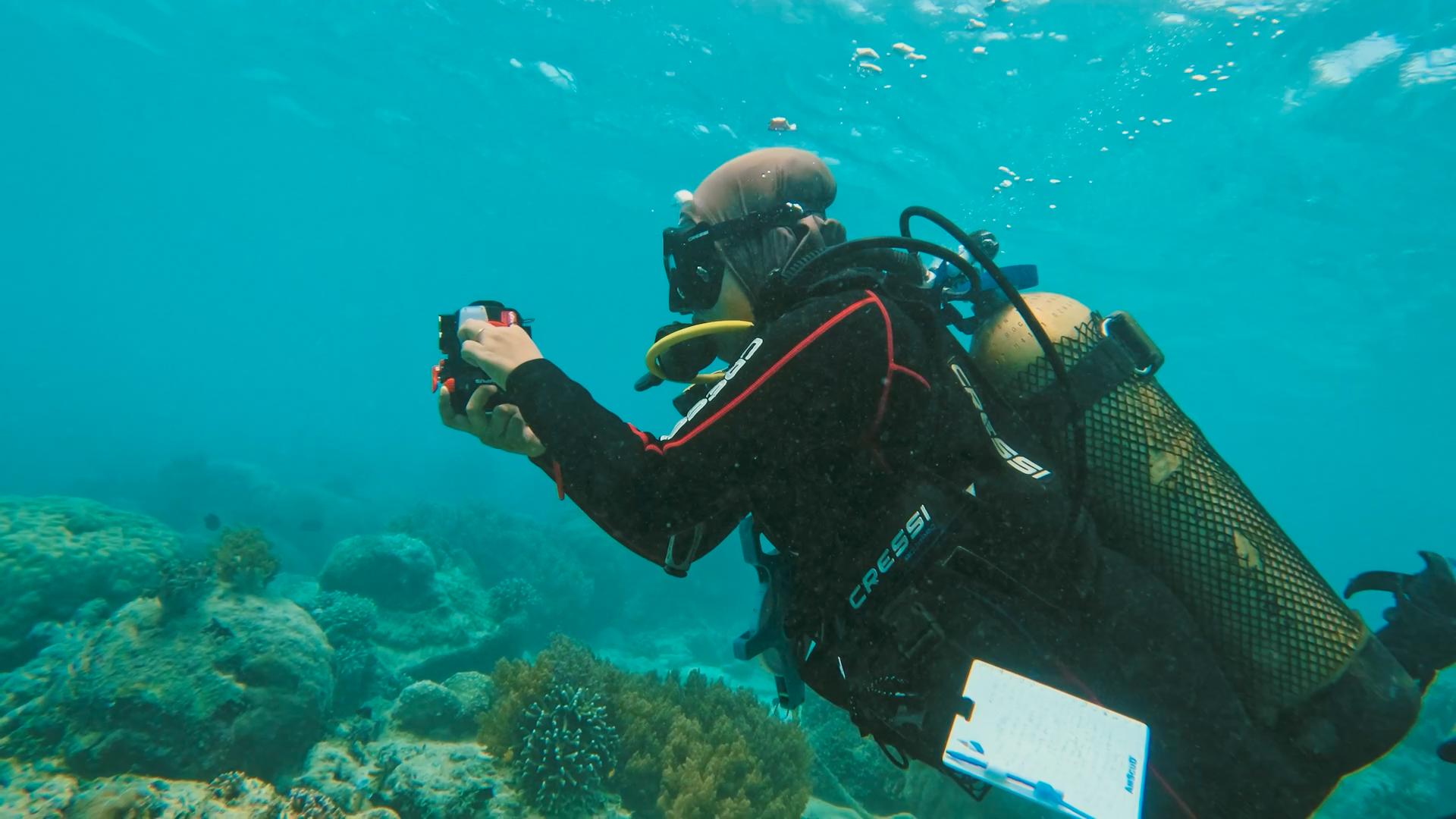
Environmental stewardship extends beyond mining areas to coastal ecosystems, led by Putri Wulandari. As an Environment Marine Foreman and a graduate of Khairun University in Ternate, Wulan leads concrete initiatives such as mangrove planting, coral substrate installation, and routine marine monitoring across the Obi Industrial Area.
Ultimately, all these efforts, from upstream to downstream, are anchored in one fundamental principle: a culture of compliance. At the smelting facility of PT Halmahera Jaya Feronikel (HJF), this responsibility is upheld by Claudia Kowaas. As Occupational Health and Safety Compliance System Staff and a graduate of Universitas Sam Ratulangi, she ensures that safety standards are not merely documented, but actively implemented.
“Compliance is the foundation. It is what ensures that every worker can return home safely to their families,” Claudia emphasized.

The presence of women in these critical roles at Harita Nickel is not an anomaly, but a reflection of the mining industry’s transformation. As noted by the Executive Director of the Indonesian Mining Association (IMA), Hendra Sinadia, women’s participation in the mining sector has grown significantly, reaching leadership levels and reshaping the industry into a more inclusive space.
At Harita Nickel, these women demonstrate a clear message: they are not here to fill quotas. They are decision-makers, guardians of social harmony, risk mitigators, and frontline leaders ensuring that all operations align with the company’s commitment to people development, environmental stewardship, and community well-being.