

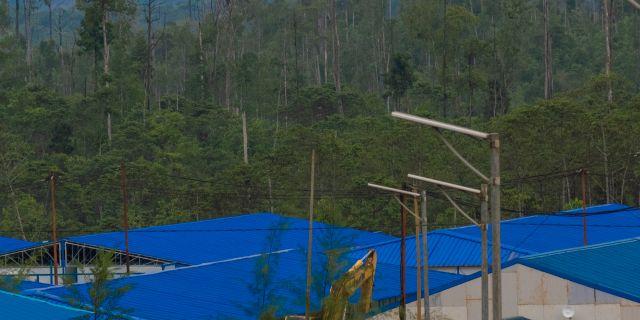
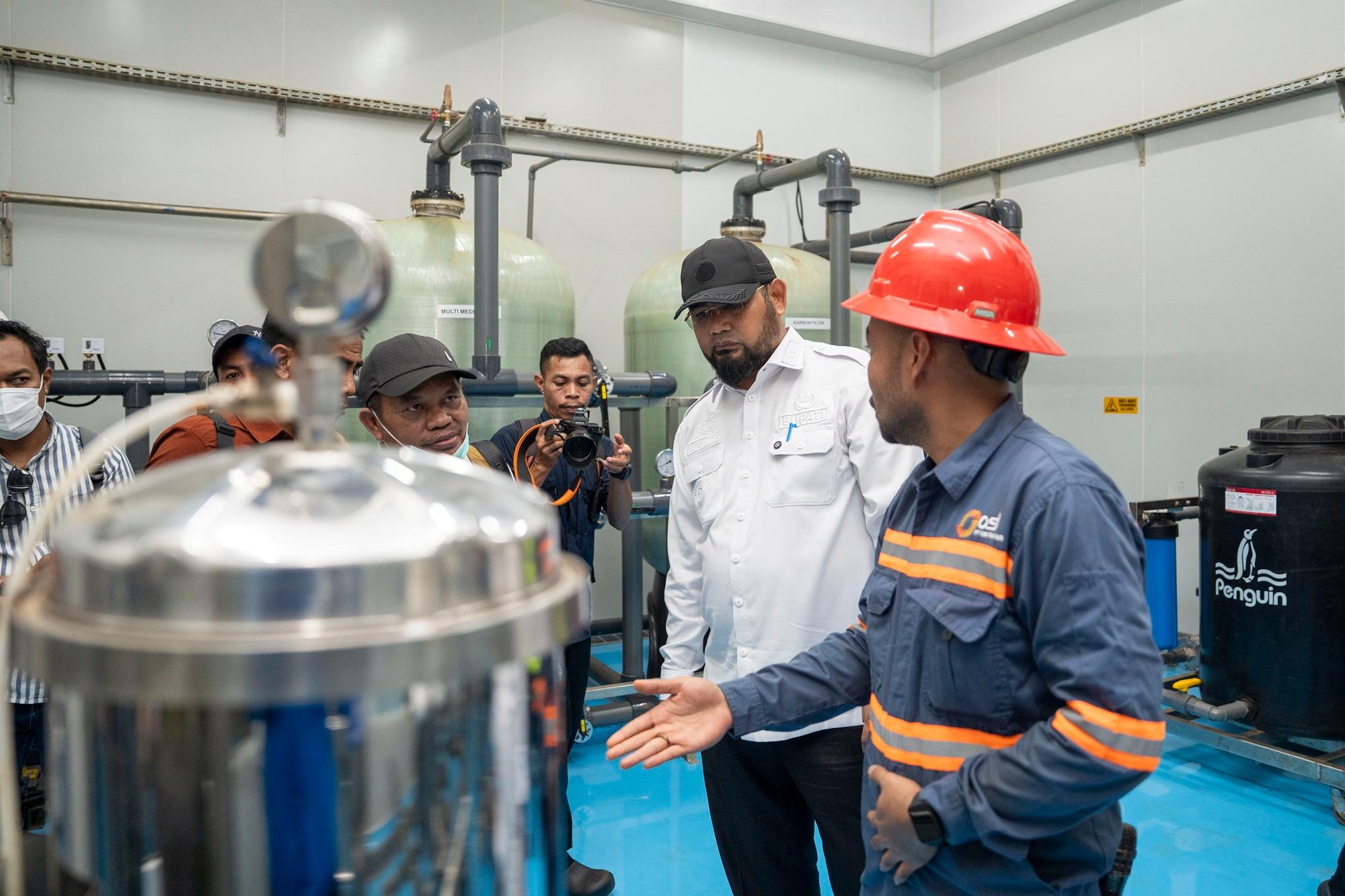
Access to clean drinking water is a basic necessity that has a direct impact on public health and quality of life. In an effort to support this need, Harita Nickel, in collaboration with the Kawasi Village Government, has established a water treatment facility equipped with Reverse Osmosis (RO) technology in Kawasi Village, Obi Island, South Halmahera, North Maluku.
The facility was inaugurated by South Halmahera Regent Hasan Ali Bassam Kasuba on Wednesday (October 28, 2026), in the presence of local government officials and Harita Nickel management. It complements the existing Water Treatment Plant (WTP), further strengthening the water supply infrastructure available to the community.
With a raw water treatment capacity of 40 cubic metres per day, the facility incorporates several treatment stages, including automated filtration, reverse osmosis membrane technology, and disinfection using ultraviolet (UV) light and ozone. These combined processes are designed to improve water quality, enabling the treated water to be used as a source of drinking water for local residents.
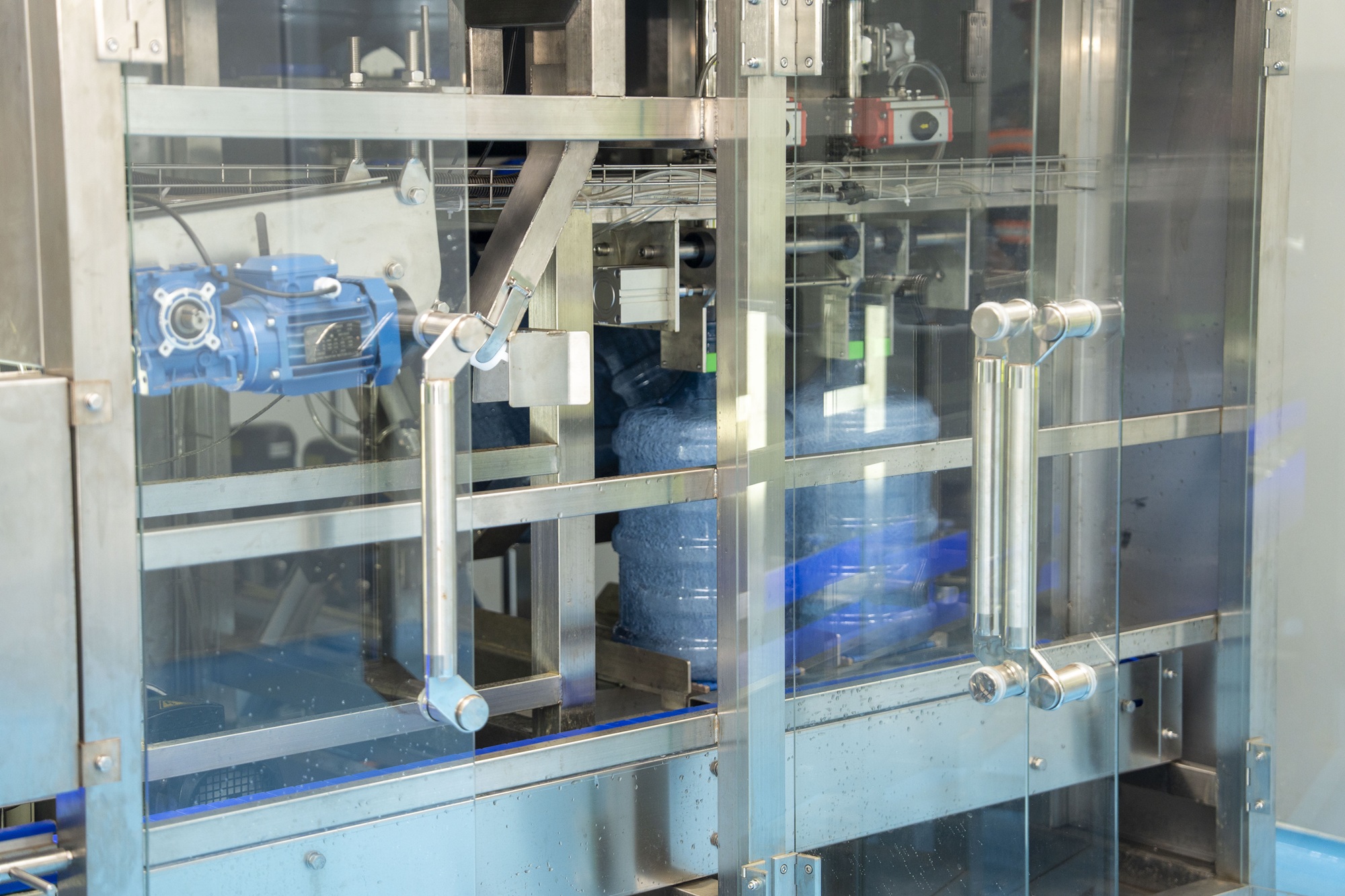
At the inauguration ceremony, Regent Hasan Ali Bassam Kasuba commended the collaboration between Harita Nickel and the Kawasi Village Government. He emphasised that meeting basic needs, including access to clean water, is an important part of regional development, alongside economic growth.
“Access to clean water is essential to people's daily lives. We appreciate the establishment of this water treatment facility and the technology it brings. We hope similar technologies can be introduced and implemented in other areas across South Halmahera,” he said.
South Halmahera Regional Drinking Water Company (PDAM) Director Soleman Bobote also welcomed the initiative. He described the use of RO and membrane technology as a positive step towards improving raw water quality in areas surrounding the industrial complex. However, he emphasised that the facility's long-term benefits would depend on proper operation, regular maintenance, and routine water quality monitoring.
Local resident Ahmad Sabar also expressed his support for the facility. He described the provision of water infrastructure as a long-term investment in public health. He added that regular maintenance and collective awareness of the importance of protecting water resources would be essential to ensuring that residents could continue to benefit from the facility.
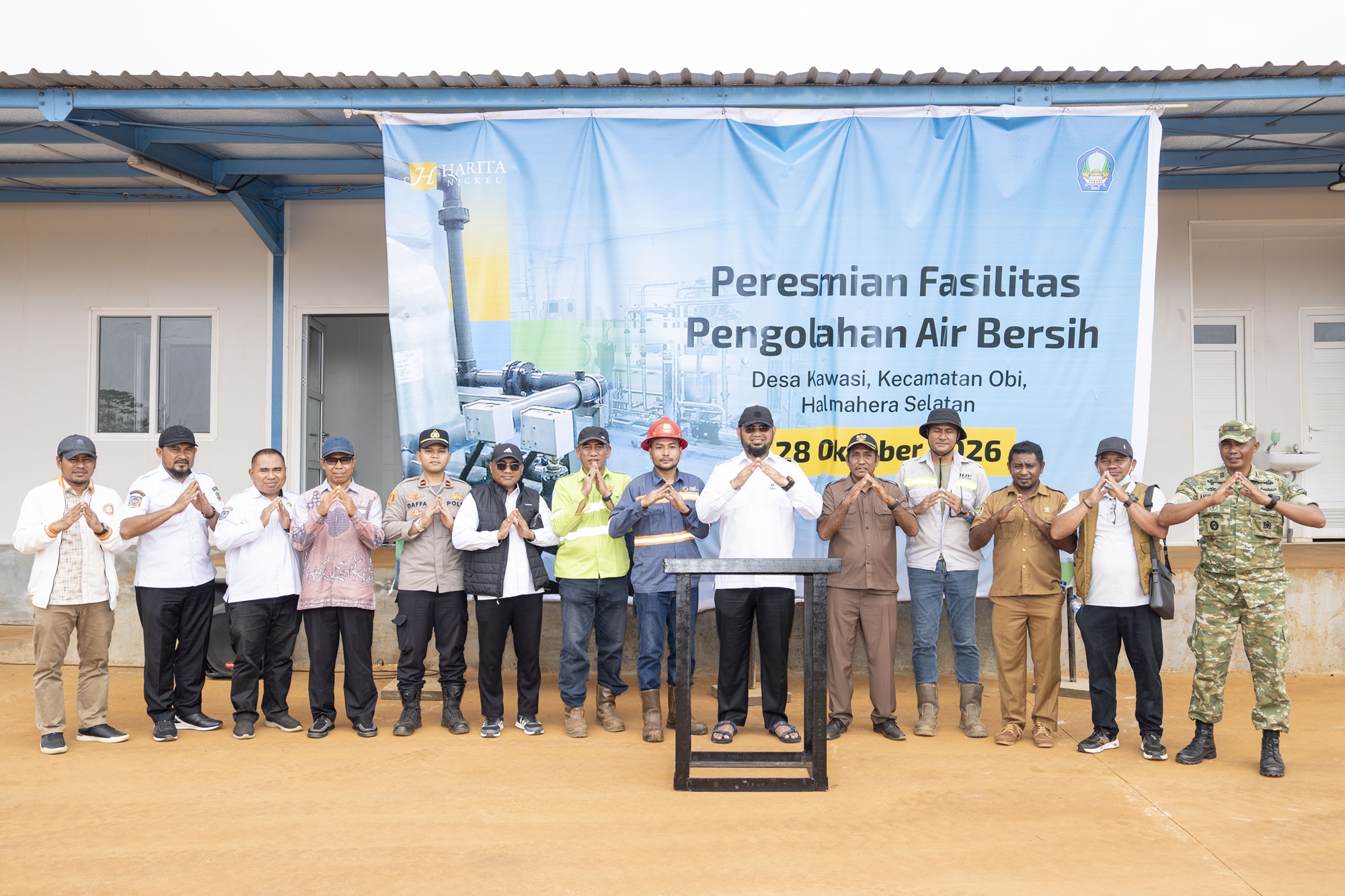
The RO facility is part of Harita Nickel's efforts to support access to basic services and improve the quality of life of communities in and around its operational areas. Collaboration with local governments, village authorities, and other stakeholders is essential to ensuring that the infrastructure delivers lasting benefits to the community.
Beyond introducing water treatment technology, the initiative is expected to strengthen Kawasi residents' access to drinking water and contribute to improved living conditions in the village.