
The holy month of Ramadan does not diminish Harita Nickel’s steadfast commitment to Occupational Health and Safety (OHS) across its operations. The spirit of worship aligns seamlessly with the principles of working safely and productively. However, changes in sleep patterns and dietary habits require heightened vigilance against fatigue, a primary trigger for safety incidents.
Embodying the spirit of "One Harita, Looking Out for Each Other" (Satu Harita, Saling Menjaga), safety is an absolute, shared responsibility. Harita Nickel has proactively implemented an integrated mitigation strategy to ensure every worker remains fit and safe while observing their fast.
Beware of the Hidden Danger of Microsleep
Harita Nickel’s Health Management Lead Doctor, Dr. Van Satrio Wibowo, explained that changes to the body's circadian rhythm during the fasting month must be managed with strict discipline.
"A decline in the quality and quantity of sleep carries a high risk of triggering microsleep—a brief, involuntary episode of sleep that can be fatal, particularly for heavy equipment operators. The body actually sends warning signs when fatigue sets in, such as severe drowsiness, burning eyes, frequent yawning, loss of focus, and delayed reaction times," Dr. Van elaborated.
To prevent this, Dr. Van recommends three core pillars for workers:
-
Sleep Management: Ensure 6–8 hours of sleep. Avoid staying up late, and for night shift workers, maximize daytime sleep before reporting for duty.
-
Proper Nutrition: Consume complex carbohydrates (brown rice or whole wheat bread), protein, vegetables, and fruits during sahur (pre-dawn meal). Avoid greasy foods and limit caffeine intake at night to maintain sleep quality.
-
The 2-4-2 Hydration Pattern: Prevent dehydration by following the rule of drinking 2 glasses of water at iftar (breaking the fast), 4 glasses at night, and 2 glasses during sahur.
"If a worker experiences symptoms of fatigue while on duty, our OHS procedures are crystal clear: immediately stop the unit in a safe location, rest, and report to the supervisor," he stressed.
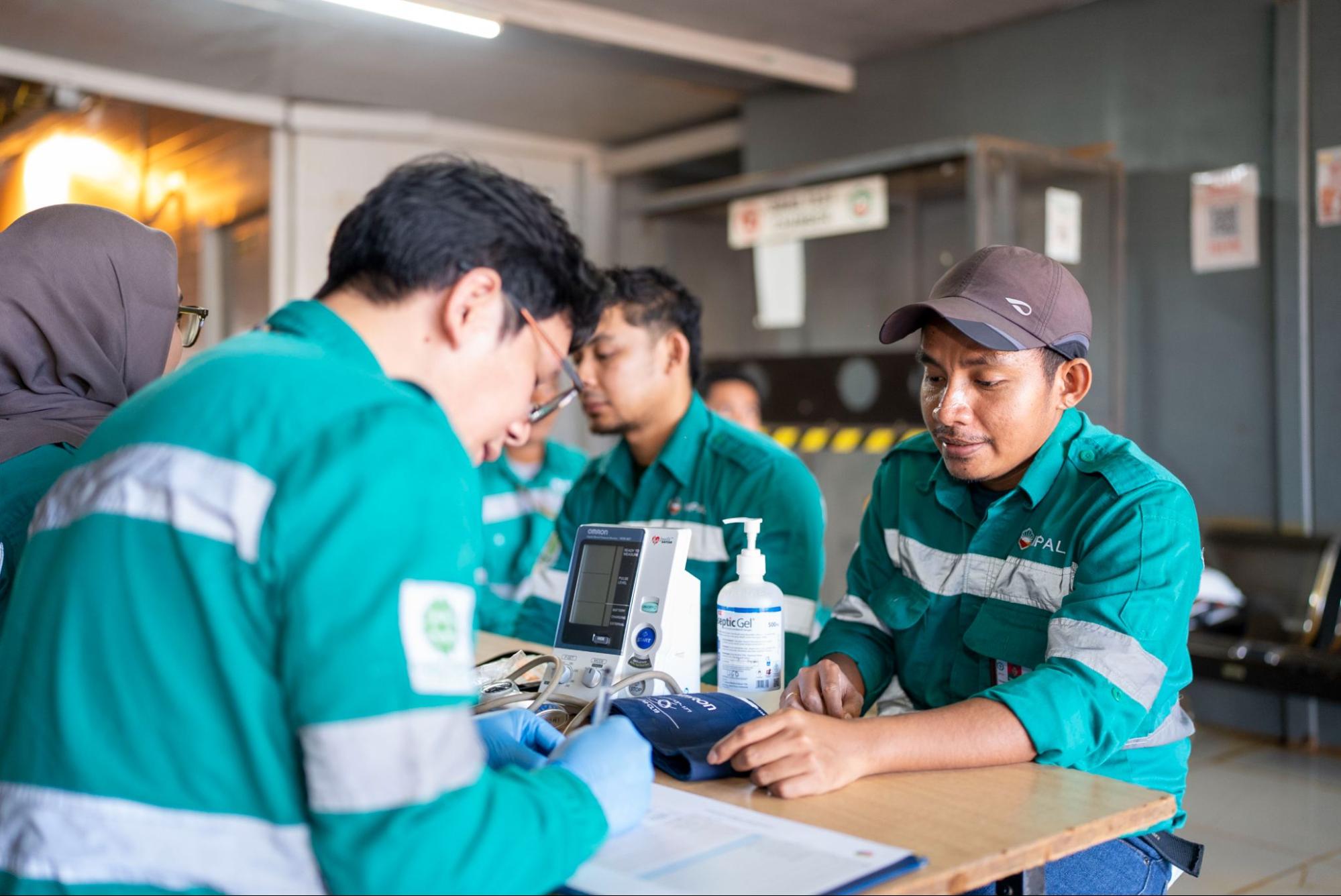
Strict Adherence to 'Fit to Work' Protocols
These medical recommendations are translated into a solid line of defense in the field. OHS Superintendent at PT Halmahera Persada Lygend, Syarif Hadi Fatullah, emphasized that fatigue mitigation is a mandatory procedure before operational activities commence.
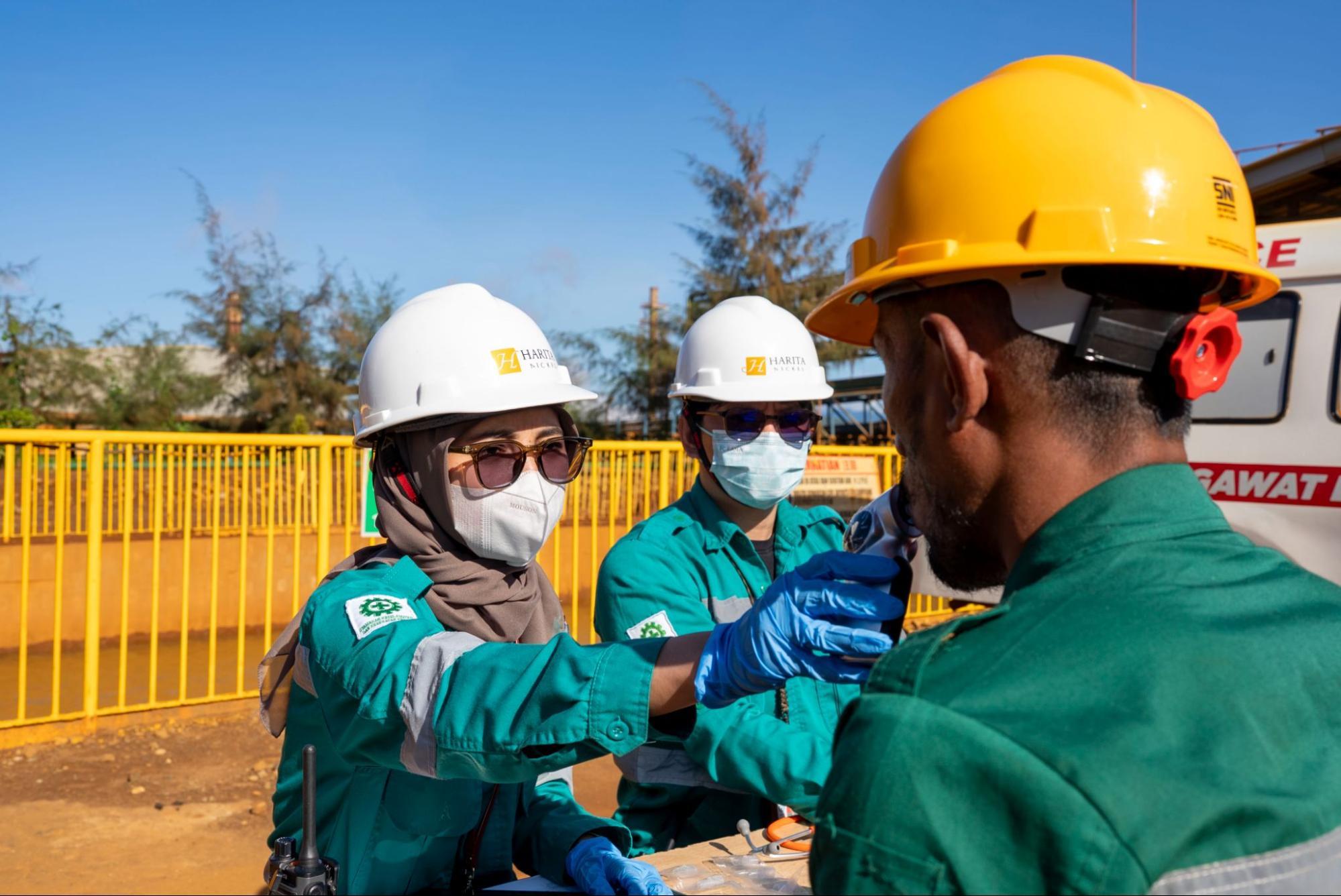
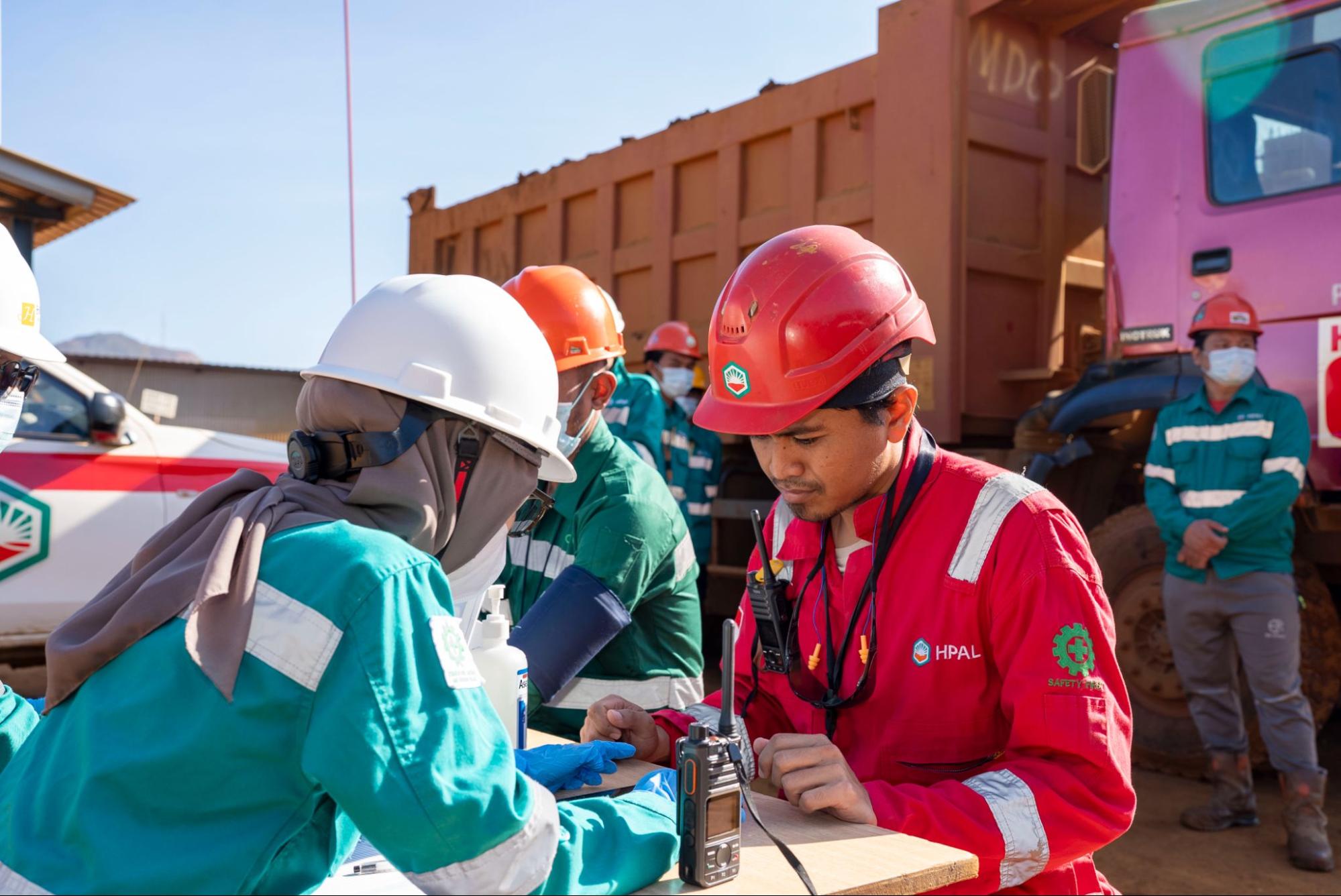
"There is no compromise when it comes to safety standards. As a proactive mitigation measure, we routinely conduct fatigue checks in the field to verify the Fit to Work status of every individual," Syarif stated.
Before starting a shift, every worker is required to complete a self-assessment, which evaluates whether they have had enough sleep, checks their physical condition (ensuring they are free from dizziness or weakness), and assesses their mental readiness to focus on the job.
"A single second of negligence can have a massive impact on lives and operational continuity. If you don't feel fit, never force yourself; report immediately to your supervisor or the medical team. The fast continues, and operations remain safe. Let's protect ourselves and our team so everyone makes it home safely," he urged.
The strict implementation of these safety systems during Ramadan proves that operations and worker protection can go hand-in-hand. For Harita Nickel, safety is a fundamental value, ensuring that every worker is protected and can return home safely to their families.
Check out the tips for preventing fatigue during fasting in this video.