
Harita Nickel has successfully produced electrolytic cobalt since August 2024. This step reinforces the company's commitment to downstream nickel processing and confirms its important role in the global electric vehicle (EV) battery industry supply chain.
Electrolytic cobalt, along with nickel sulfate and cobalt sulfate, are derived from the purification of limonite ore using High Pressure Acid Leaching (HPAL) technology. These products serve as the main raw materials for producing EV battery precursors.
Electrolytic cobalt is a form of pure cobalt metal produced through an electrochemical process called electrowinning. This process uses an electric current to separate cobalt from an electrolyte solution. The output is a high-purity metal, reaching up to 99.98%, which is widely used in modern technologies such as rechargeable lithium-ion batteries, specialty steels such as superalloys for turbines and aircraft engines, magnets, also chemical catalysts in chemical industries.
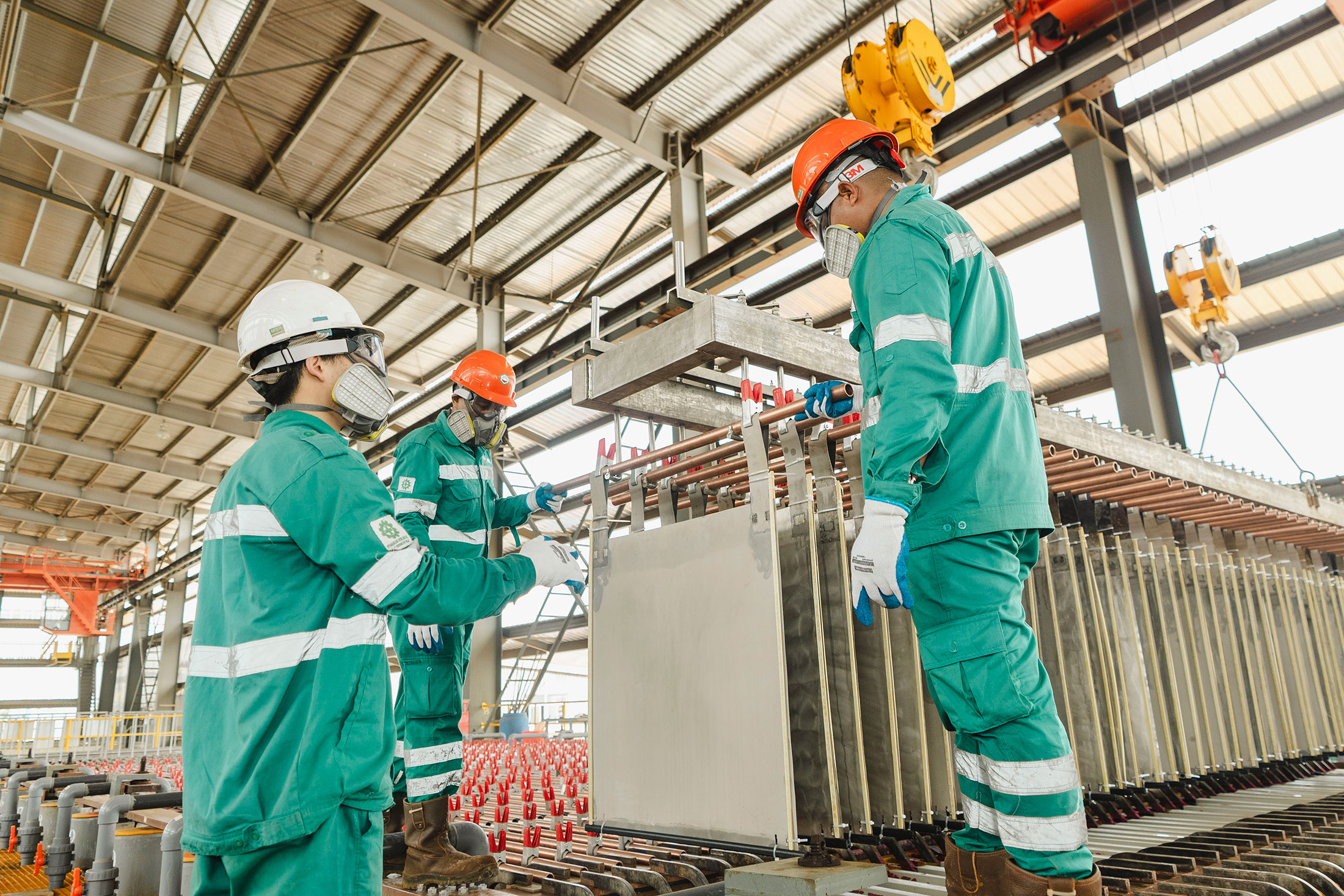
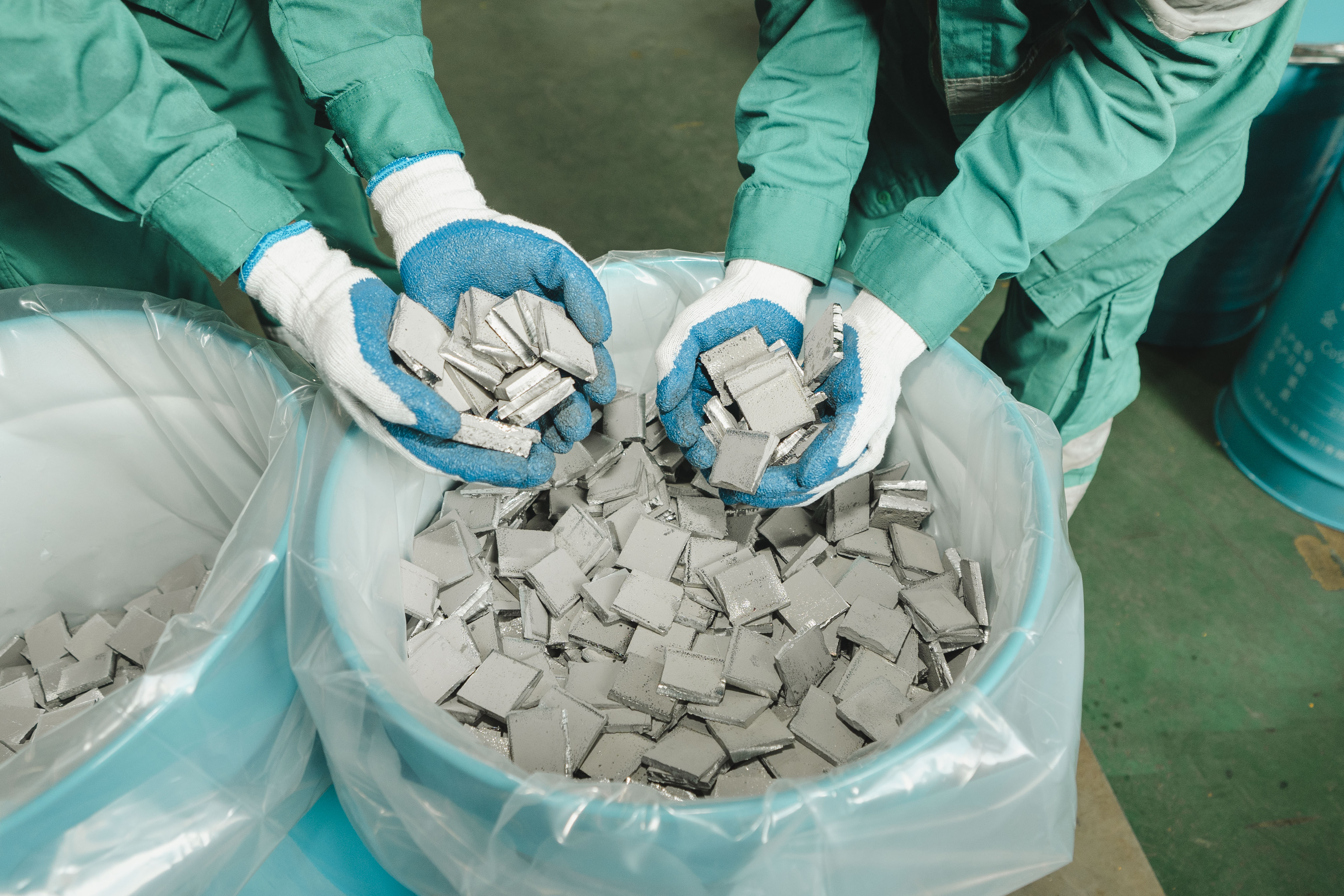
Physically, electrolytic cobalt is a solid, grayish-silver metal with a metallic sheen. It is typically marketed in various forms such as cathodes, briquettes, thin sheets, flakes, or cut pieces, depending on industrial needs.
Harita Nickel’s electrolytic cobalt is produced in high-purity sheets measuring 70 cm x 70 cm, with a thickness of +/- 5mm, and weighing 35-40 kg. For ease of handling and export, the sheets are precision-cut into 4 cm × 4 cm pieces and securely packed in 250-kg drums, ready for delivery to global customers.
Rico Windy Albert, Head of Technical Support Department at Harita Nickel, stated that the goal of nickel downstreaming is to increase the value of nickel and cobalt ores into high-value products, especially key raw materials for EV batteries. Rico is optimistic that this downstreaming effort will boost economic growth, create jobs, and establish Indonesia as a global producer of battery raw materials.
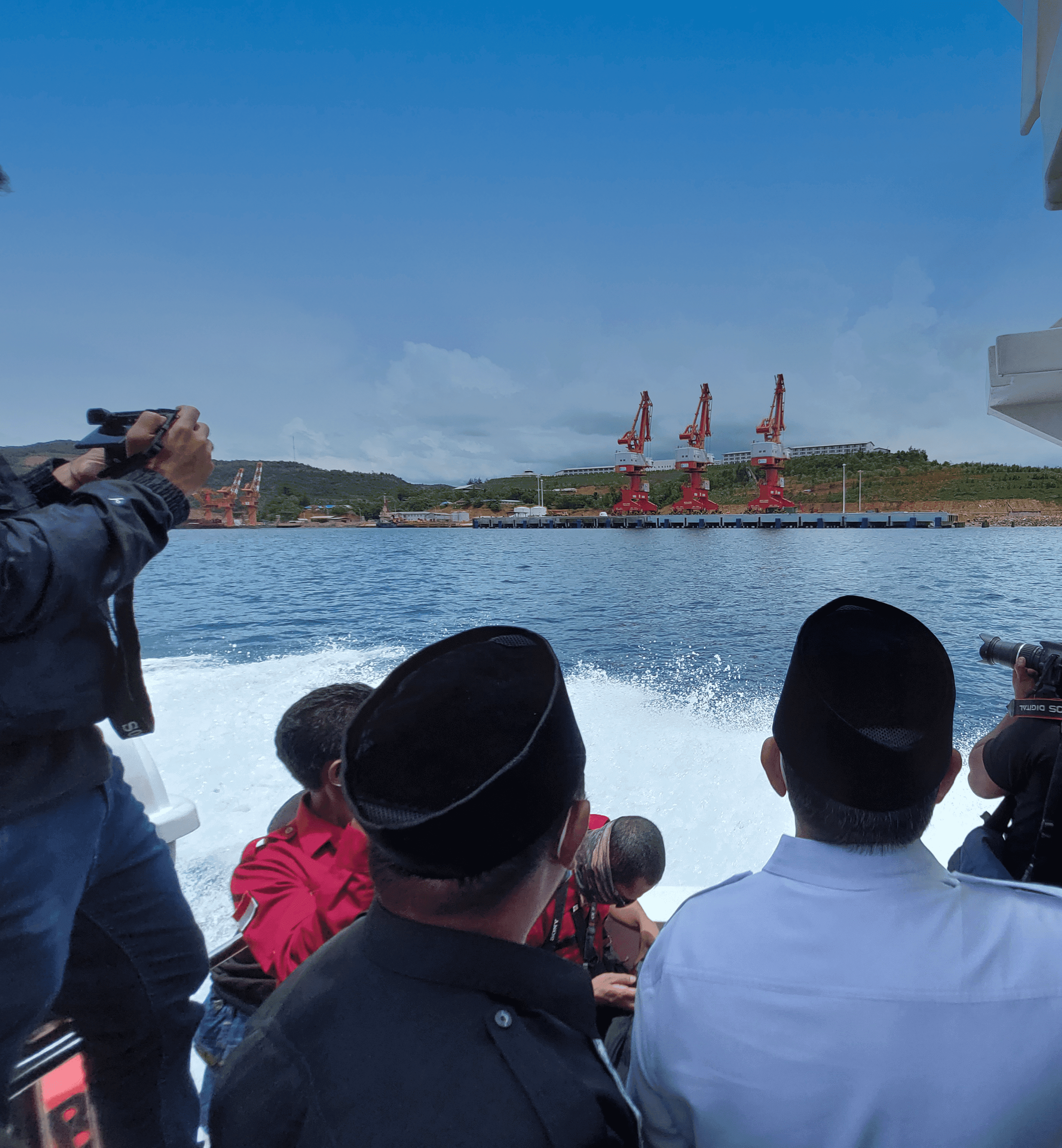
A landmark achievement in Indonesia’s nickel downstream industry was recorded by PT Halmahera Persada Lygend (PT HPL), a Harita Nickel subsidiary that pioneered the country’s first HPAL facility on Obi Island. PT HPL has already succeeded in producing Mixed Hydroxide Precipitate (MHP), which is further refined into high-value products such as crystalline nickel sulfate (NiSO₄·6H₂O), cobalt sulfate (CoSO₄·6H₂O), and the latest innovation is electrolytic cobalt.
This significant achievement in nickel downstreaming was accomplished by PT Halmahera Persada Lygend (PT HPL), a Harita Nickel business unit that operates the first HPAL facility at the Pulau Obi site, and the first of its kind in Indonesia. To date, PT HPL has successfully produced Mixed Hydroxide Precipitate (MHP), which is then further processed into nickel sulfate (NiSO₄), cobalt sulfate (CoSO₄), and most recently, electrolytic cobalt.
In addition to PT HPL, Harita Nickel also owns PT Obi Nickel Cobalt (ONC), its second HPAL facility with three production lines that have been operating at full capacity since August 2024.
“This is truly an extraordinary achievement for Harita Nickel, and we, as members of the Harita family, should be proud to be a key part of the downstreaming initiative championed by the Indonesian government,” he said.
Meanwhile, Roy Arman Arfandy, President Director of Harita Nickel, stated that the company is committed to sustainable practices to address global industry challenges. A key step the company has taken is to voluntarily undergo an audit by the Initiative for Responsible Mining Assurance (IRMA).
“We understand that ESG is no longer just about compliance, but also about competitiveness,” he said.
Roy cited various initiatives—such as building sedimentation ponds, managing processing waste, and using waste cooking oil from employee canteens as an additional energy source—as evidence of the company’s dedication to environmental responsibility.
“Our ability to compete and grow depends on adapting our operations to ever-changing standards while maintaining efficiency and cost excellence,” he concluded.