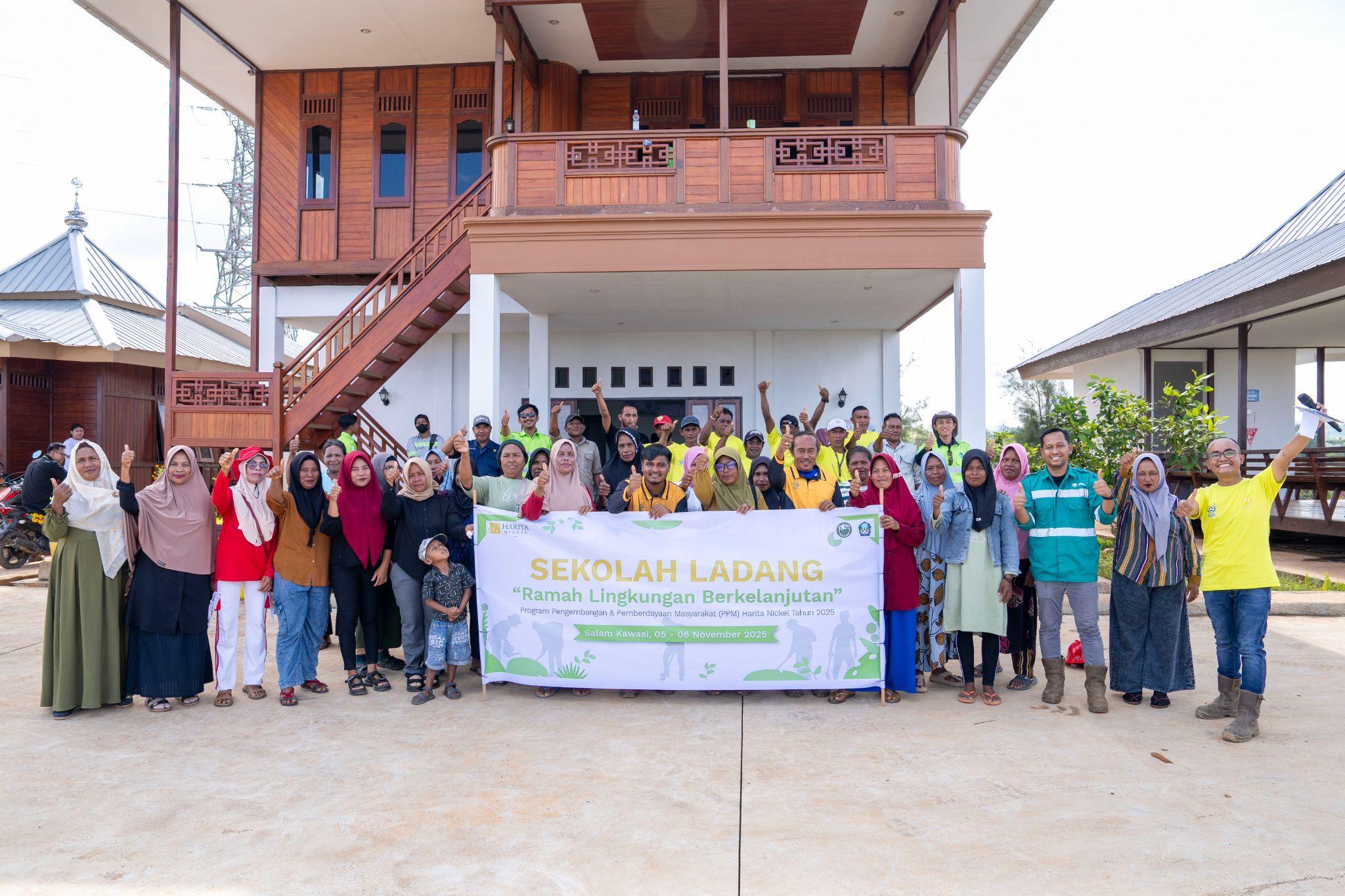
Harita Nickel continues to strengthen its commitment to supporting sustainable natural resource management through community empowerment programs in the agricultural sector. One example of this commitment is the implementation of the Sekolah Ladang (Field School), an organic farming training program held in Kawasi Village on November 5–6, 2025.
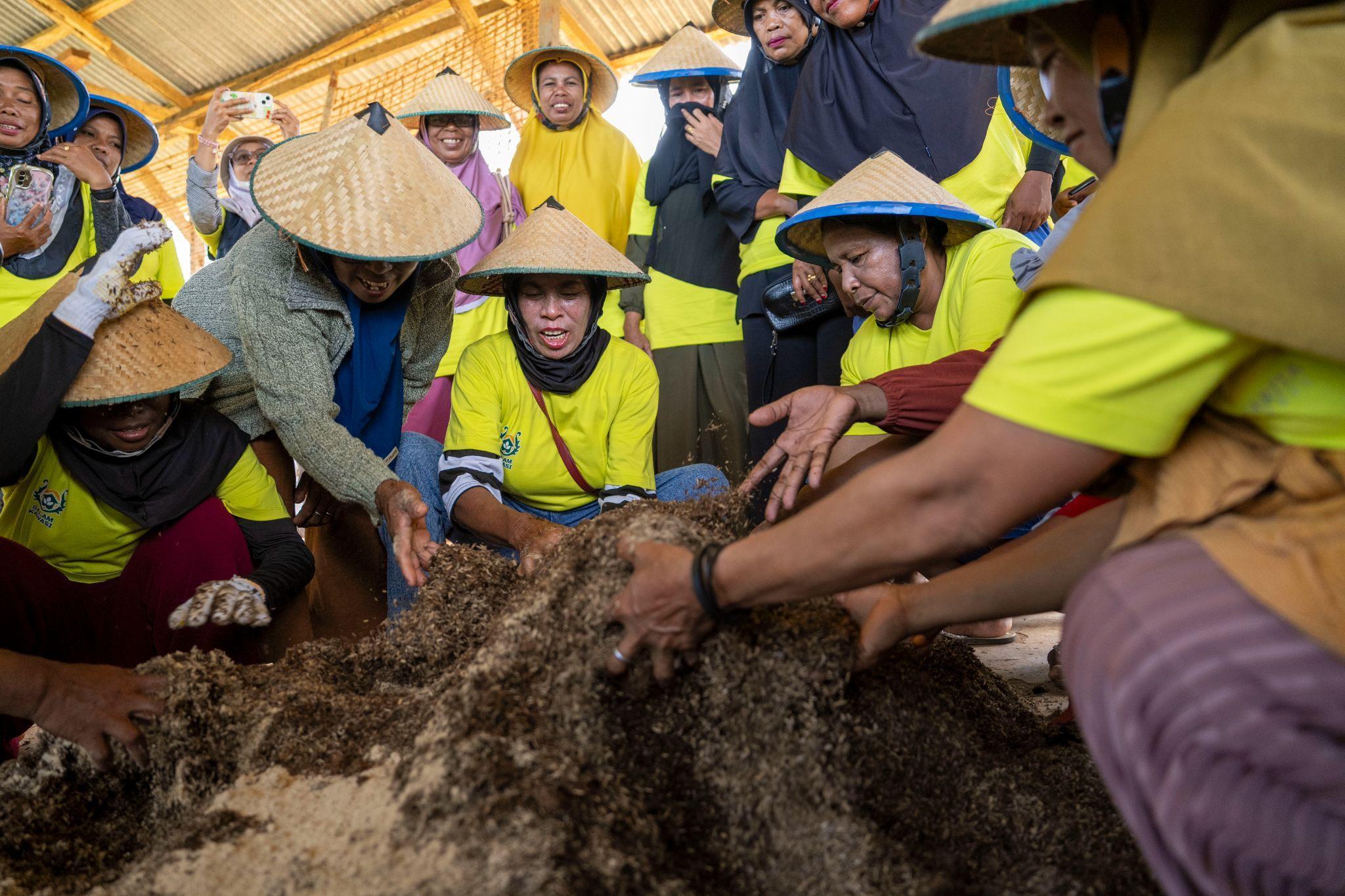
The program served as a learning platform for 45 farmers from Obi and South Obi sub-districts to deepen their understanding of environmentally friendly farming practices. Through training sessions conducted on demonstration plots, participants not only learned theory but also practiced organic farming techniques that can be applied directly to their own fields.
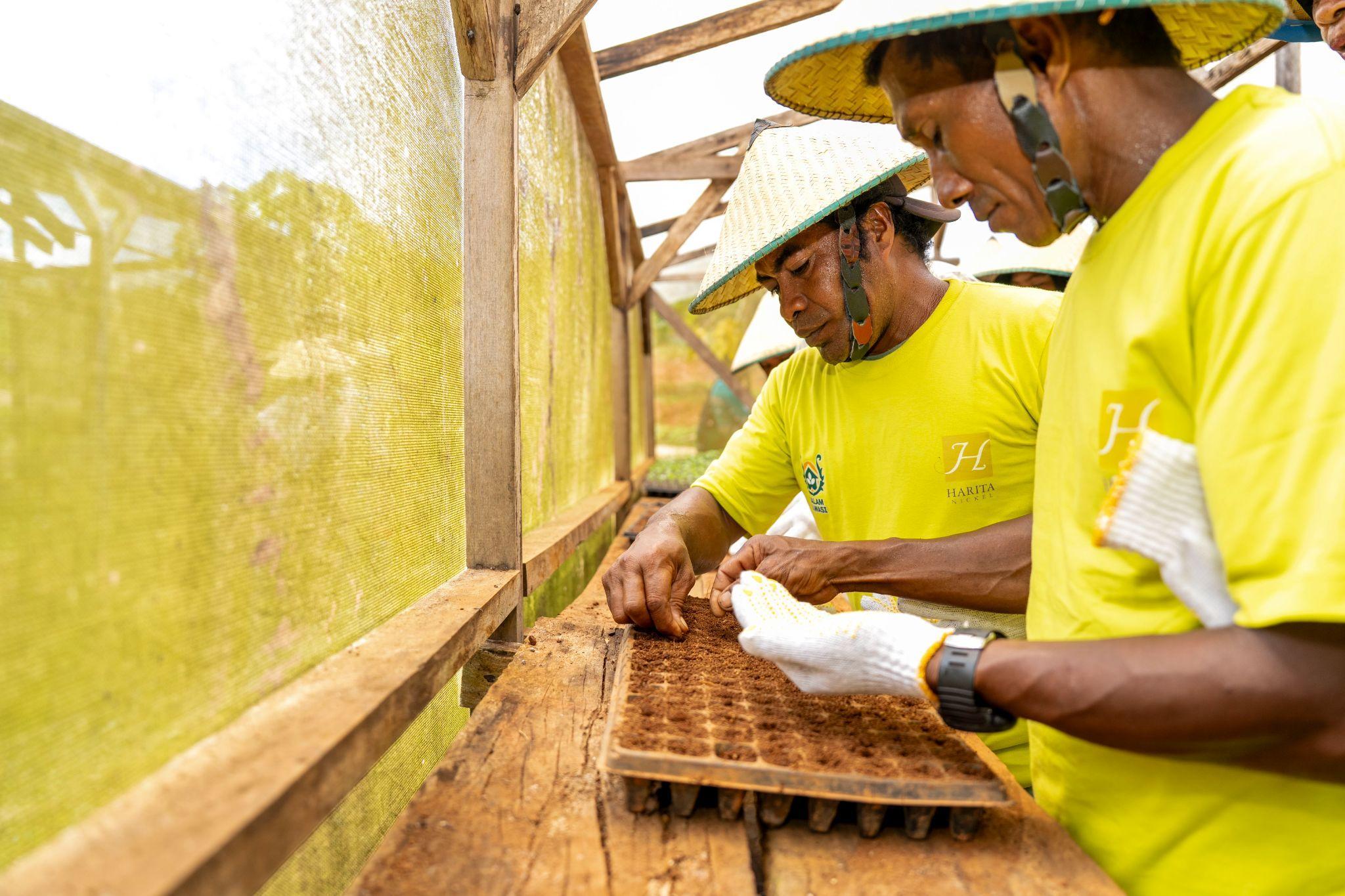
A total of 45 participants from the subdistricts of Obi and South Obi took part in the program, accompanied by field agricultural extension officers. They were trained in producing solid and liquid organic fertilizers, making natural pesticides, and applying efficient seedling and planting techniques for horticultural crops using local materials. Beyond technical skills, the activity also fostered collaboration and networking among farmers to further expand sustainable agricultural practices across the Obi Islands.
Head of the Agricultural Extension Center (BPP) for Obi District, Hamka Kamarullah, welcomed the initiative, describing the Field School as an important platform for improving local farmers’ capacity. In his remarks, he encouraged participants to become productive farmers who also care for environmental sustainability.
“The hope is that farmers can be more productive without sacrificing soil fertility. Don’t rely solely on chemical fertilizers, because agricultural sustainability is an investment for the future,” said Hamka.
Hamka added that each participant plays an important role as a change agent within their community. By sharing their knowledge and experiences, the impact of this program can reach a wider audience and bring tangible benefits across the Obi Islands.
Meanwhile, Suryo Aji, Community Development Superintendent of Harita Nickel, explained that the Field School is part of the company’s effort to promote farmer independence through the use of local resources.
“Our goal is simple, to help Obi farmers become self-reliant and reduce their dependence on chemical fertilizers. This way, their farming can be more productive and environmentally friendly,” he said.
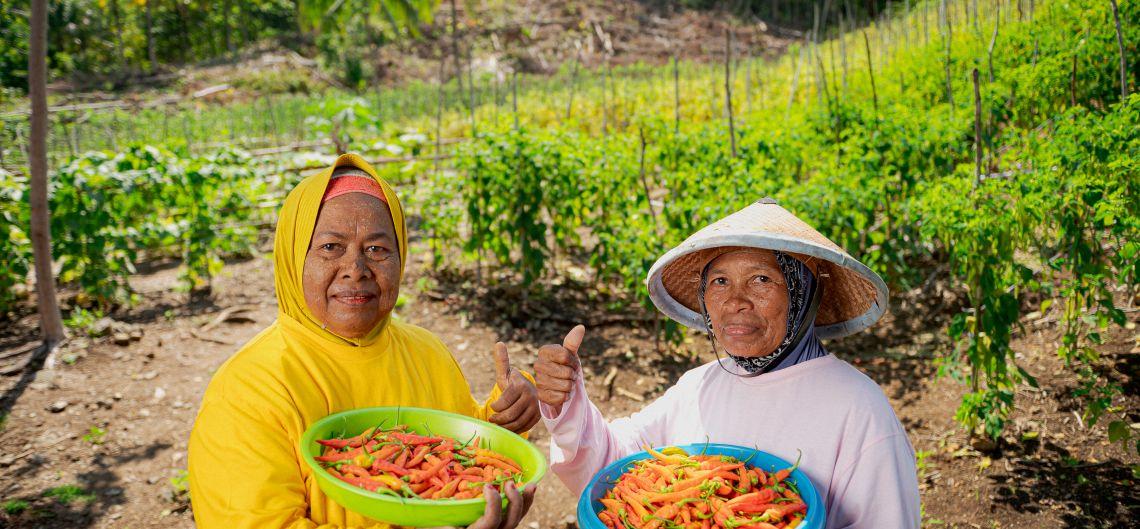
The program also featured two local agricultural heroes, Siti Marnia and Darwin Adu Hasan, who have successfully implemented organic farming systems through Harita Nickel’s mentorship. They shared inspiring stories about how adopting sustainable agricultural principles has improved yields while maintaining soil fertility.
One participant, Siti Ria from Fluk Village, expressed her appreciation for the hands-on knowledge gained from the training.
“I’m happy to learn how to make my own fertilizer and to be taught proper seedling techniques. This knowledge is very useful and can be applied directly in our gardens,” she said.
Through this program, Harita Nickel reaffirms its commitment to supporting sustainable agriculture, particularly through organic land management, as part of its Community Development and Empowerment Program (PPM). The initiative reflects the company’s ongoing synergy with local government and communities to strengthen food security that is competitive, sustainable, and environmentally responsible.