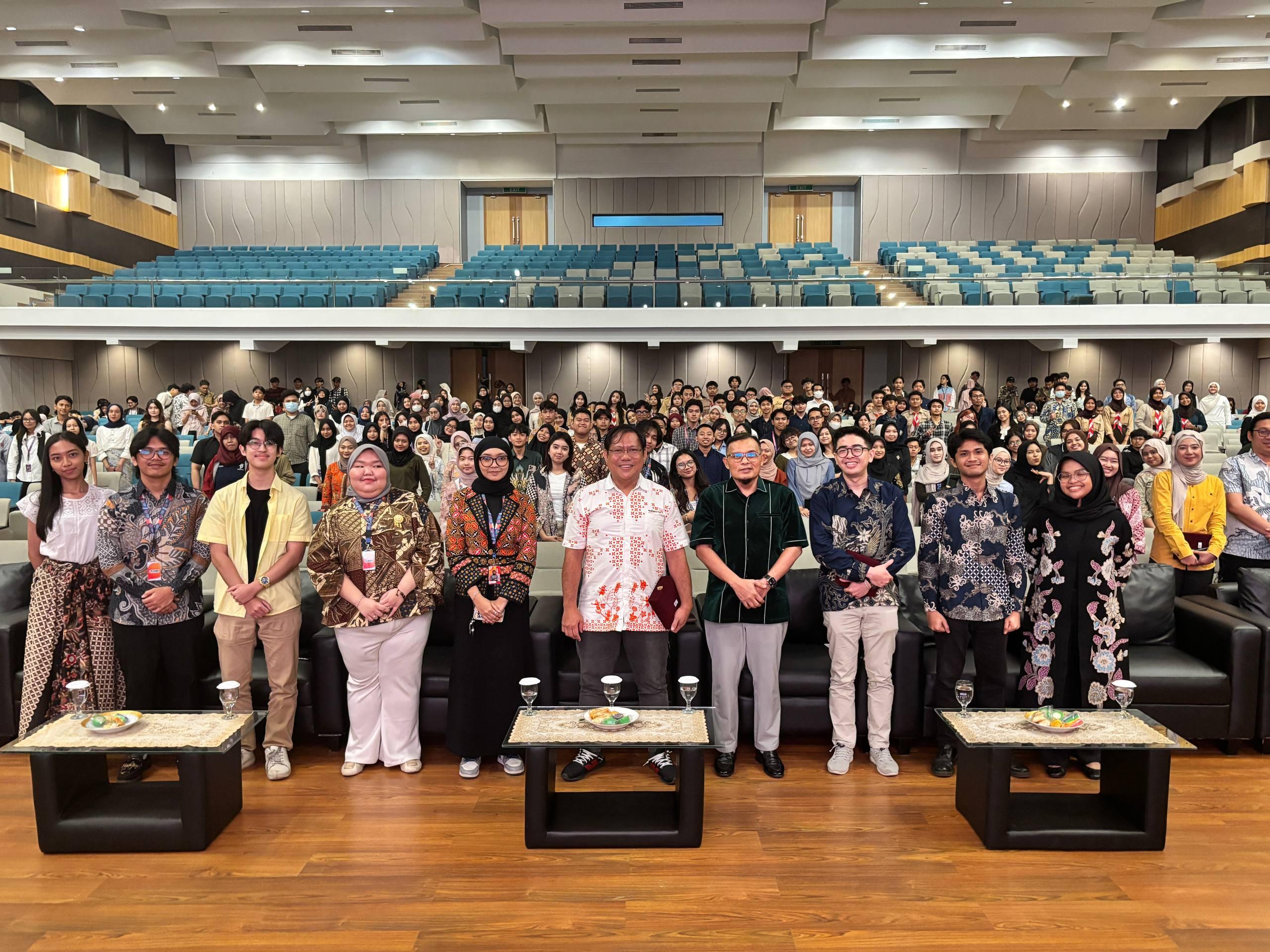
Harita Nickel once again participated in the Grand Summit UI SDGs 2025, the closing event of the UI SDGs Summit series organized by the Student Executive Board of the University of Indonesia. In this forum, Harita Nickel's Executive Vice President for Environmental Affairs, Iwan Syahroni, explained the company's approach to implementing responsible integrated nickel mining and processing practices.
Previously, Harita Nickel also contributed technical expertise to a workshop session for an essay competition themed "Zero Waste for a Sustainable Future." This involvement reflects the company's commitment to sharing scientific perspectives on environmental issues with the younger generation.
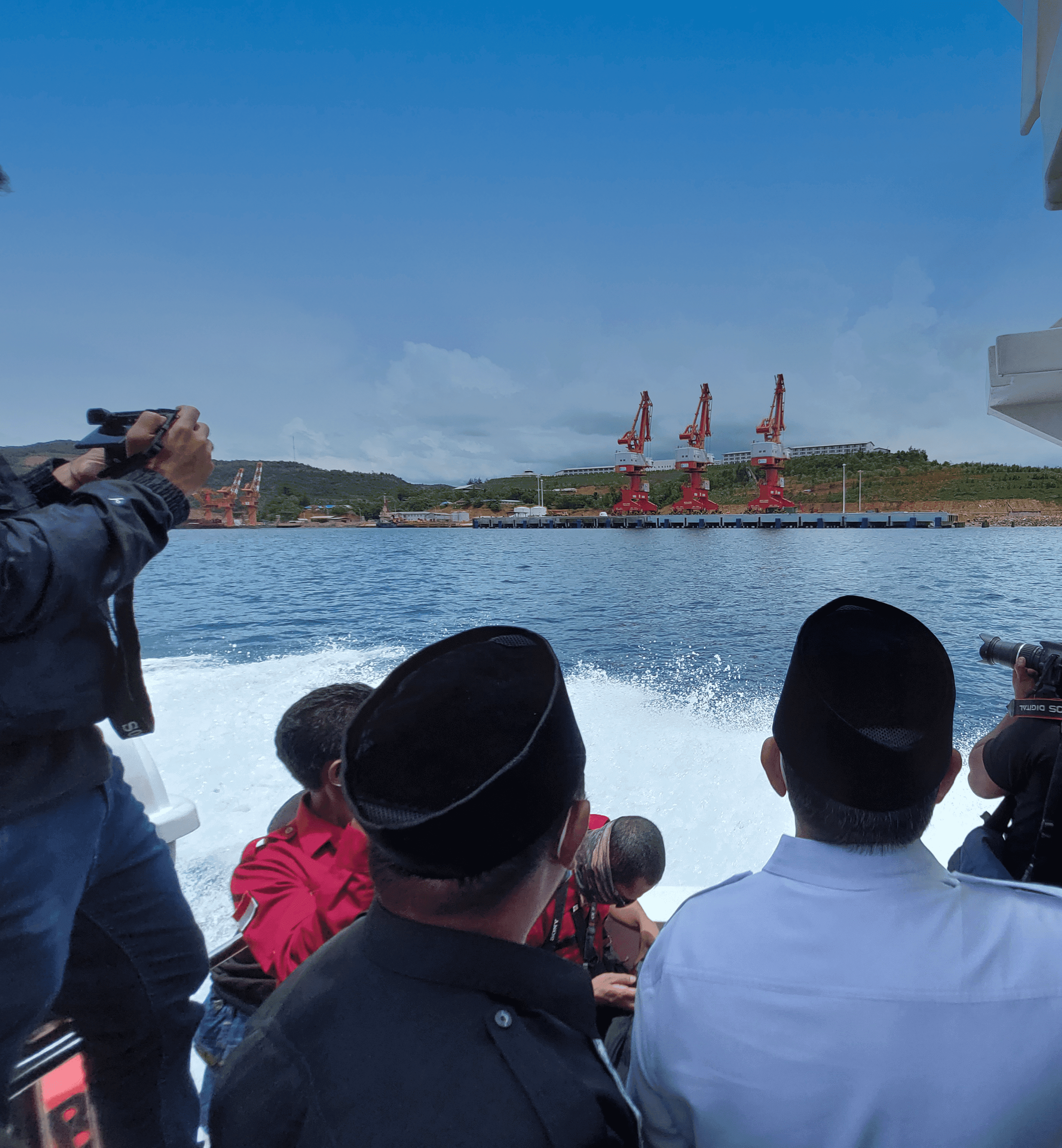
In his presentation, Iwan provided a comprehensive overview of Harita Nickel's operations on Obi Island, which are based on the principles of responsible mining. "Harita Nickel is committed to integrating environmental management, energy efficiency, occupational safety, and social responsibility into our entire nickel mining and processing value chain," he said.
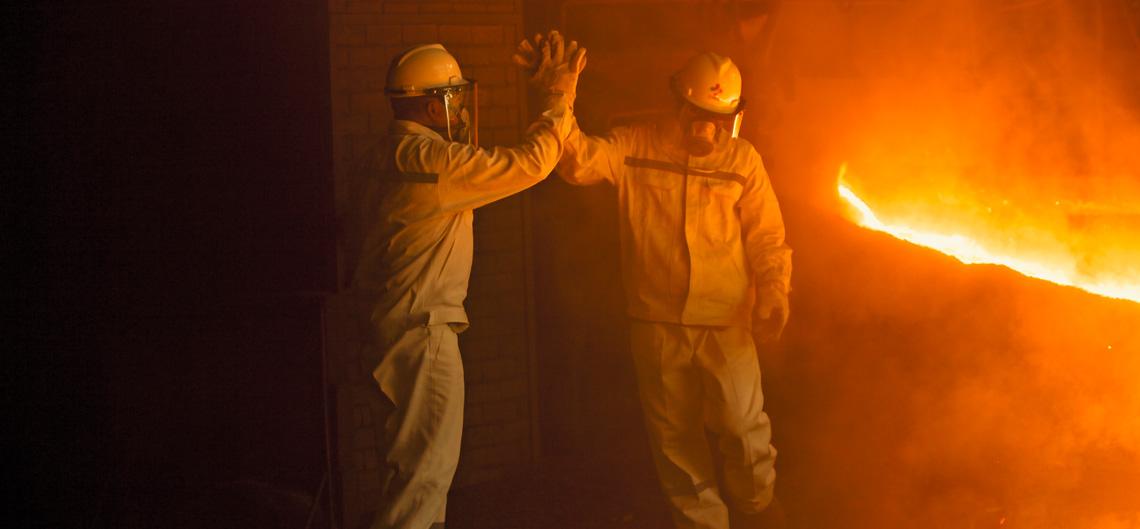
Iwan discussed Harita Nickel's integrated operational process on Obi Island, starting from ferronickel processing using Rotary Kiln Electric Furnace (RKEF) technology to Mixed Hydroxide Precipitate (MHP) processing using High Pressure Acid Leaching (HPAL). This explanation provides context on the role of integrated operations in supporting the stainless steel and electric vehicle battery supply chains, as well as driving the global energy transition agenda.
Innovation in byproducts management
The main highlight of this session was the company's strategy in managing processing byproducts so that they can be reused. Iwan explained that Harita Nickel processes nickel slag from the RKEF smelter process into value-added materials.
"We utilize nickel slag for various purposes, from making reef cubes for coral reef growth media and construction materials to soil conditioners for post-mining reclamation," he added.
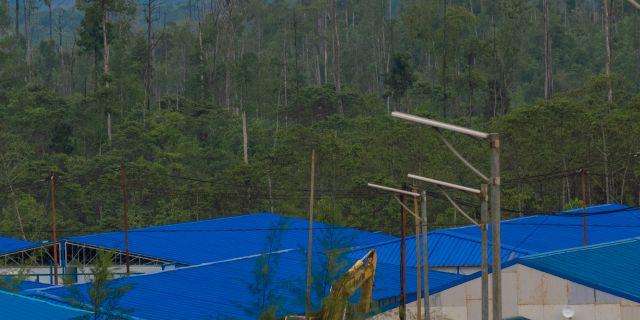
In addition, byproducts from the HPAL refinery process are managed through the Dry Stack Tailing Facility (DSTF). This facility manages byproducts in the form of dry cake (solid/dry), rather than slurry (liquid), which are then placed in a special placement area that is safe and can be rehabilitated back into green land.
Closing the session, Iwan emphasized the land rehabilitation and biodiversity conservation strategies carried out through scientific approaches and academic collaboration. Harita Nickel's participation in this forum is expected to shape an objective public perception that Indonesia's nickel industry can be managed transparently, based on science, and contribute positively to national and global development.