
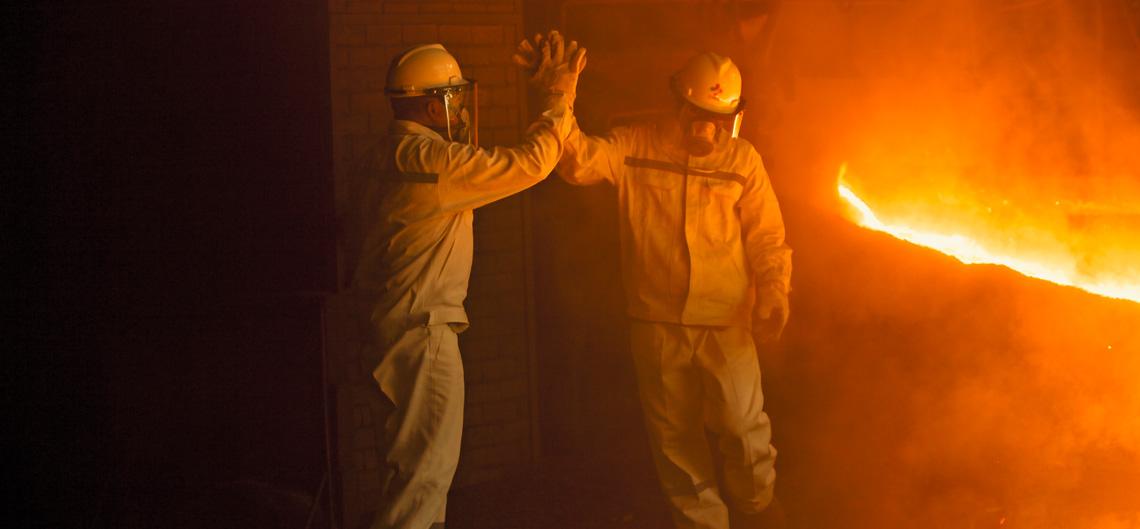
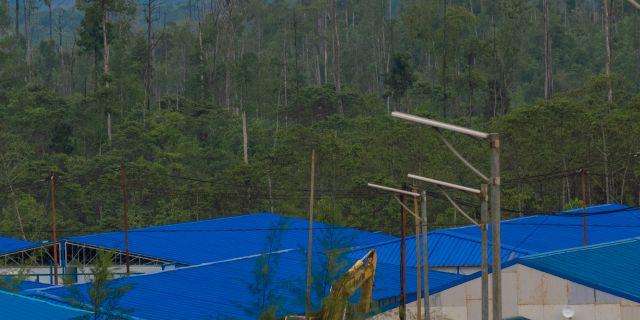
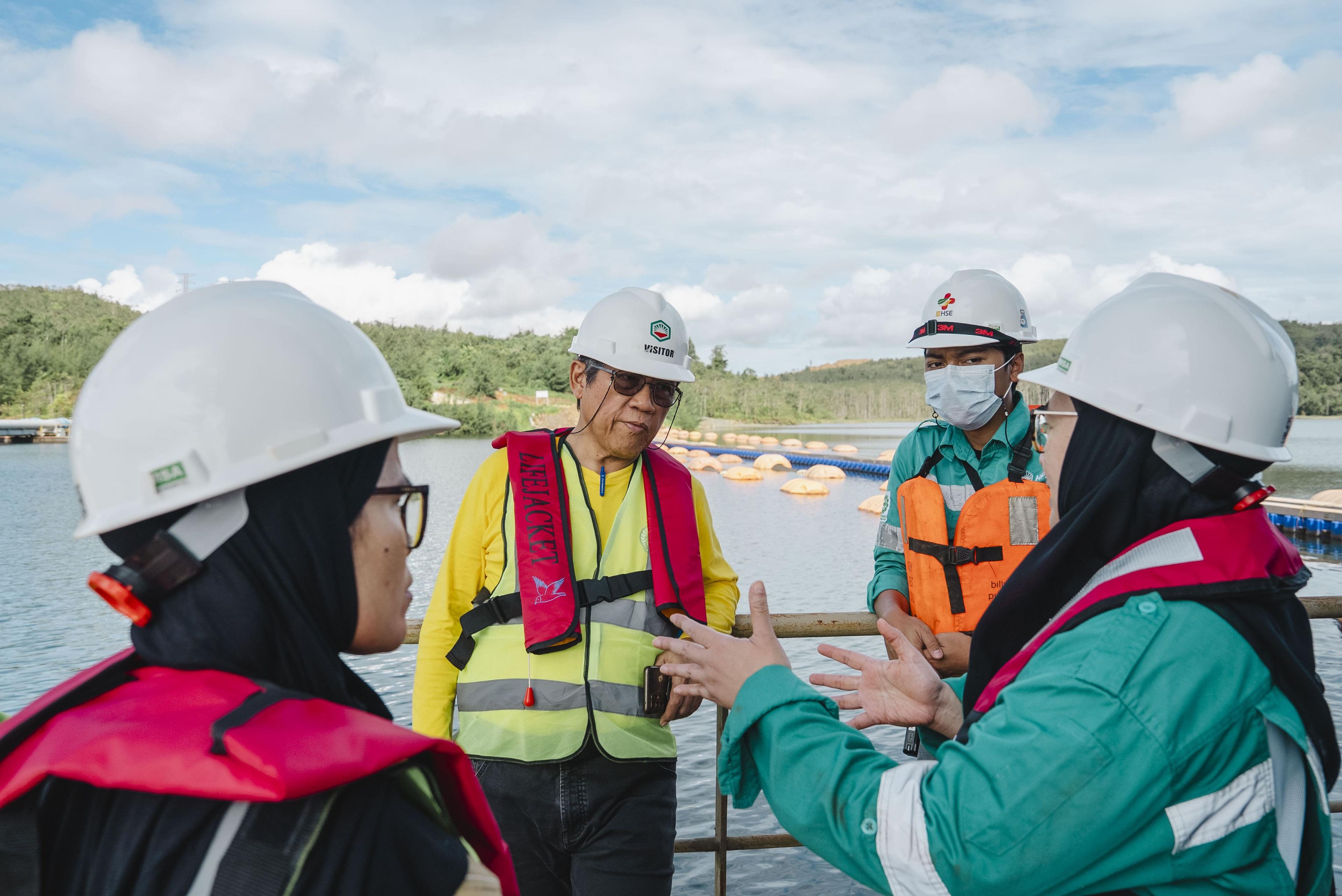
Amid the growing momentum of Indonesia’s nickel downstream industry, Harita Nickel on Obi Island, South Halmahera, demonstrates that industrial progress can go hand in hand with environmental care. For Dr. Tri Edhi Budhi Soesilo, M.Sc., Academician of the School of Environmental Science at Universitas Indonesia—who has visited Harita Nickel’s operations several times—this commitment is not mere rhetoric but a reality observed in the field.
“I see harmony between the upstream and downstream sectors, integrated seamlessly. From water to air management, everything is designed comprehensively and interconnected,” he said.
During his visit, Dr. Budhi highlighted four environmental innovations that, in his view, deserve to be models for the mining industry in Indonesia:
1. DSTF: A Tailings Management Innovation Worth Patenting
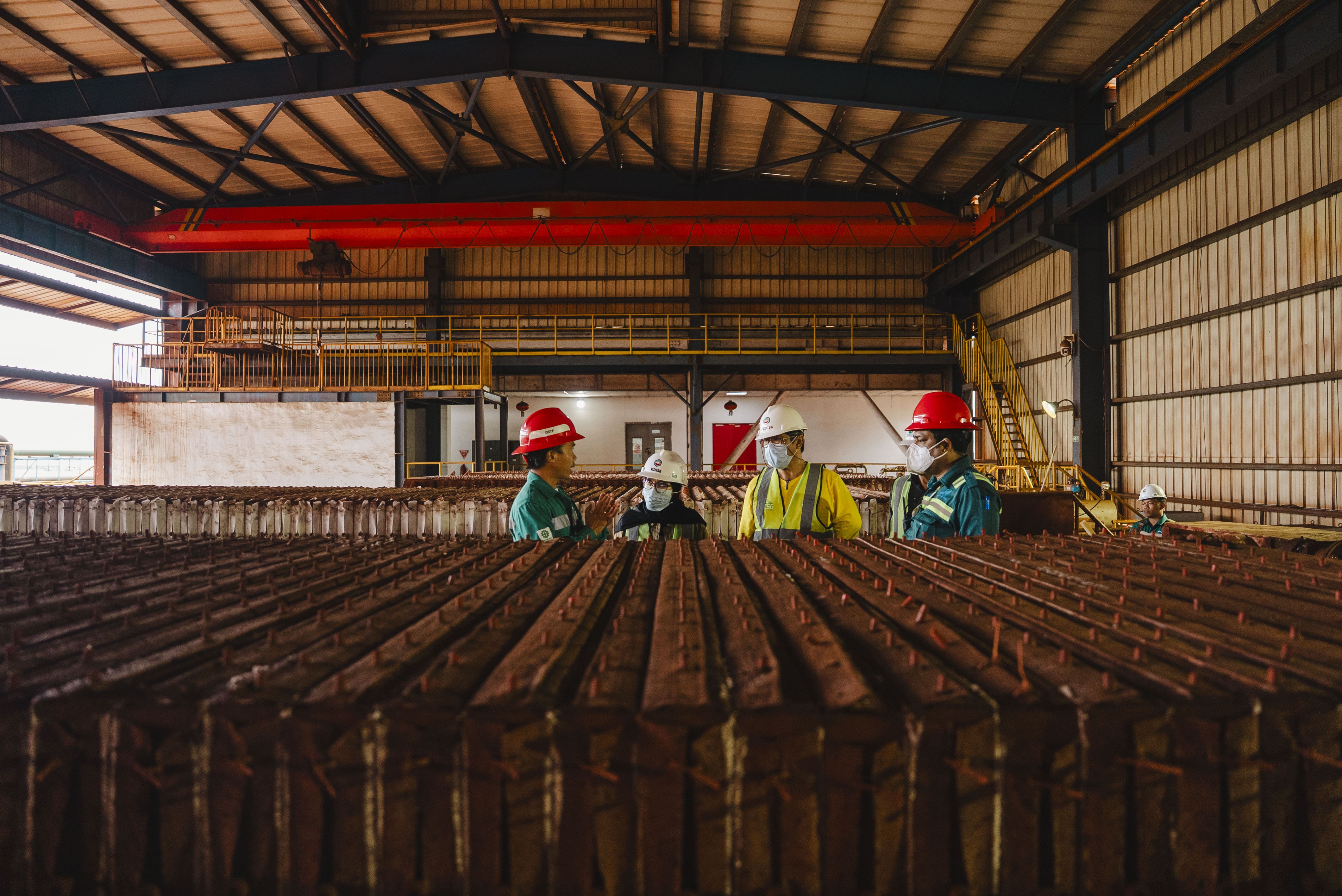
One of Harita Nickel’s major breakthroughs is the Dry Stack Tailing Facility (DSTF), a technology that manages Nickel Ore Processing Residue (SHP) by reducing its water content until it becomes solid. This method minimizes the risk of water contamination and enables wider reuse of materials for land reclamation.
“DSTF deserves to be patented. It’s not only technically sound but also demonstrates a strong commitment to sustainability,” said Dr. Budhi.
2. Research-Based Reclamation: Turning Slag into Fertile Planting Media
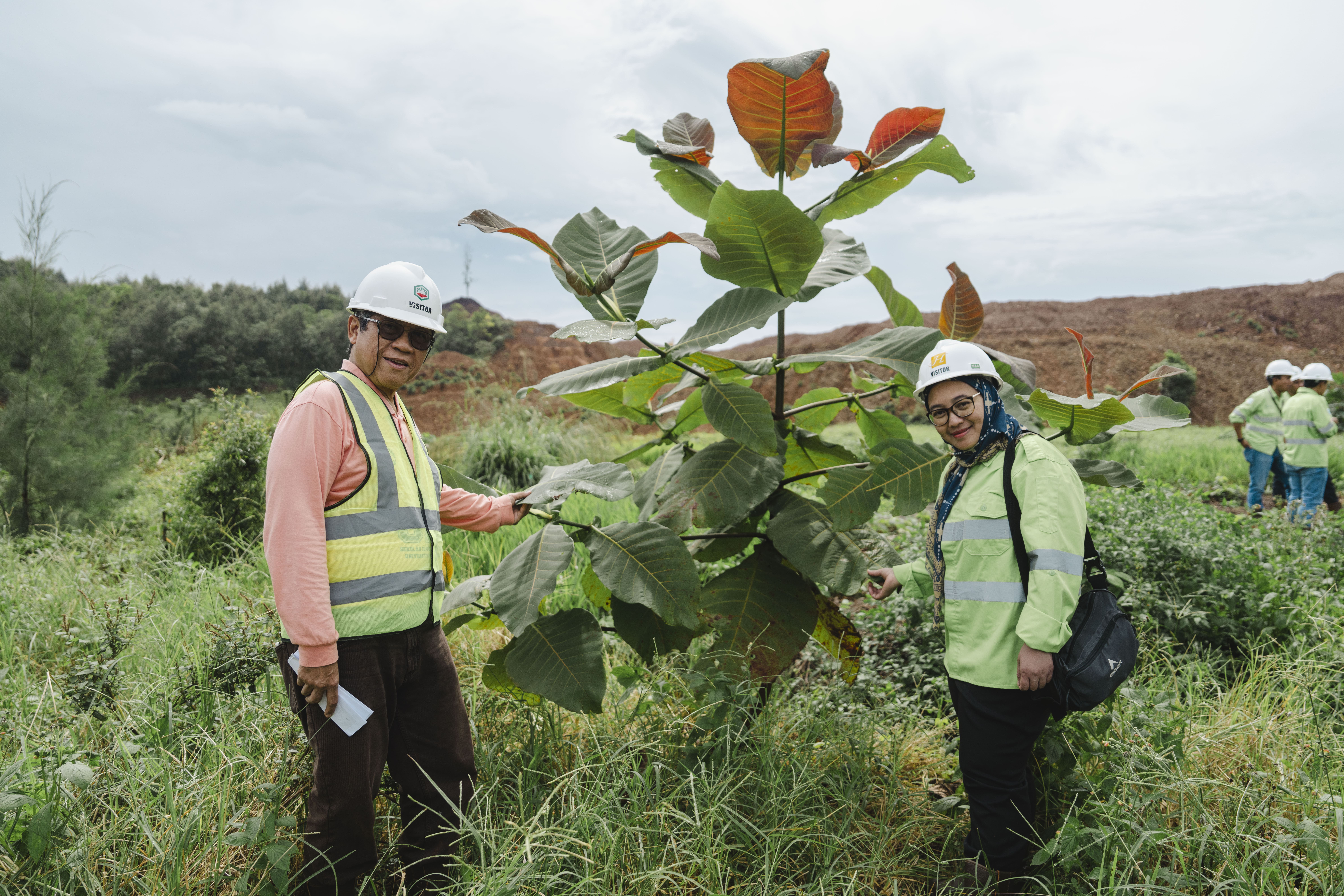
Harita Nickel has made significant strides in post-mining land rehabilitation. Going beyond administrative requirements, the company’s environmental team conducts experiments to find the most effective planting media composition.
Trials involve mixing overburden soil with nickel slag in various ratios to enhance the fertility of reclaimed land.
“This approach shows a willingness to learn and innovate. It’s not just a formal reclamation effort but an ongoing scientific process,” Dr. Budhi noted.
3. Protecting Kawasi Springs and Lake Karo: A Rapid Response System for Sustaining Life
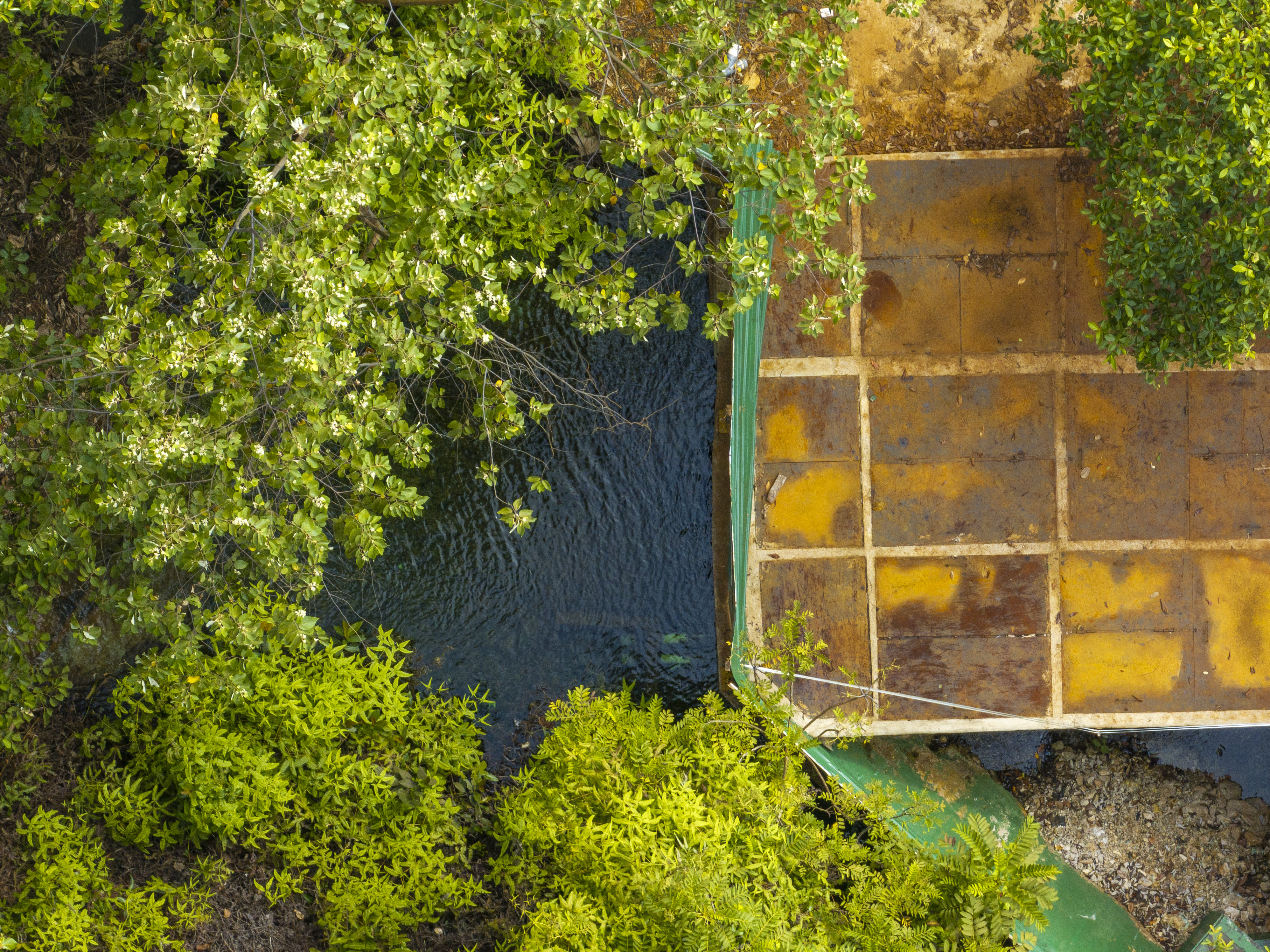
Water is a central focus in Harita Nickel’s environmental management. Every drop from mining areas undergoes treatment before being discharged back into the environment.
Monitoring at community water sources such as Kawasi Springs and Lake Karo consistently shows good and well-maintained water quality.
“I witnessed a very effective quick-response mechanism. Once a potential issue arises, all departments immediately coordinate to ensure the community isn’t affected. This is real accountability,” he emphasized.
4. 24-Hour Clean Air: Real-Time Emission Monitoring
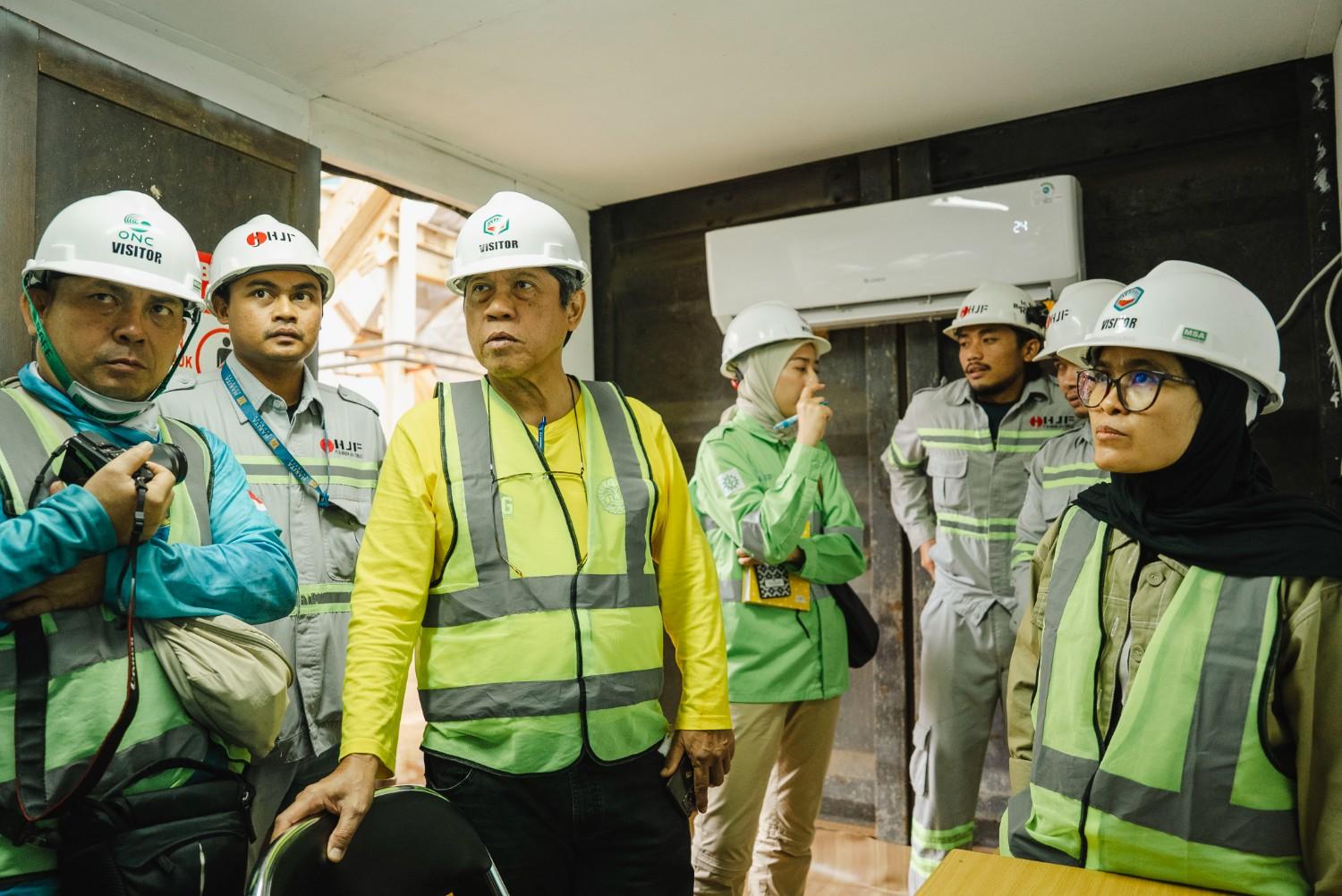
Beyond water and soil, air quality is also strictly monitored. Harita Nickel uses Electrostatic Precipitator (ESP) and Flue Gas Desulfurization (FGD) systems to reduce emissions from plant operations.
All air quality parameters are monitored in real time, 24 hours a day, with an automatic alarm system that activates if thresholds are exceeded.
“Emission control of this level is rarely seen in industrial operations. It reflects genuine corporate responsibility toward the environment and society,” said Dr. Budhi.
For Dr. Budhi, sustainability is not just about outcomes but about consistency in process. Routine documentation, cross-departmental collaboration, and a readiness to continually improve form the foundation of a responsible industry.
He concluded with a thoughtful reflection: “Nothing is ever perfect, but what I see here is sincerity. And from sincerity comes sustainable innovation.”
The harmony between industrial downstream development and environmental preservation, as reflected in Harita Nickel’s operations on Obi Island, stands as proof that the future of Indonesia’s nickel industry can—and should—be built upon the foundation of ecological responsibility and continuous innovation.