
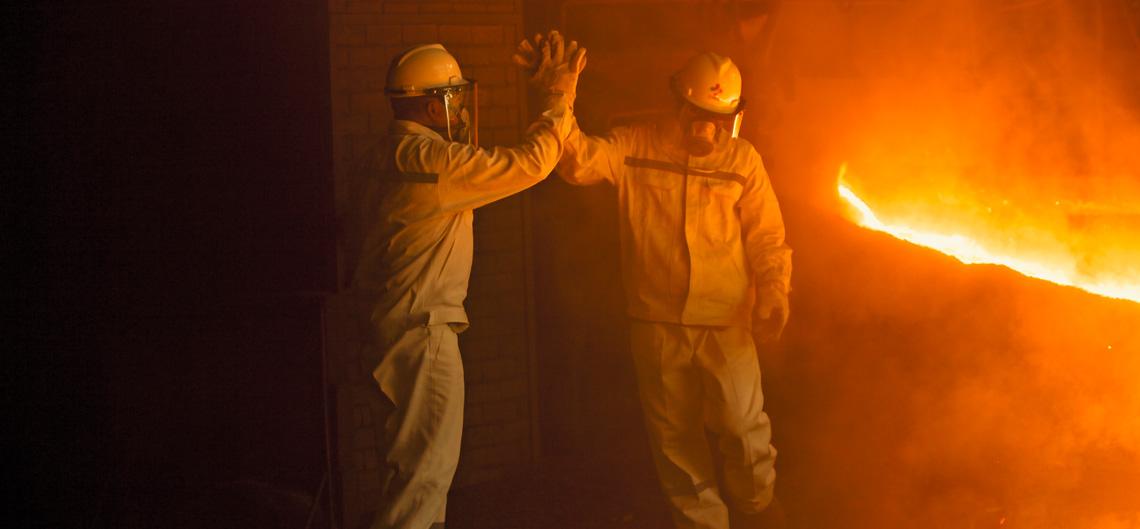
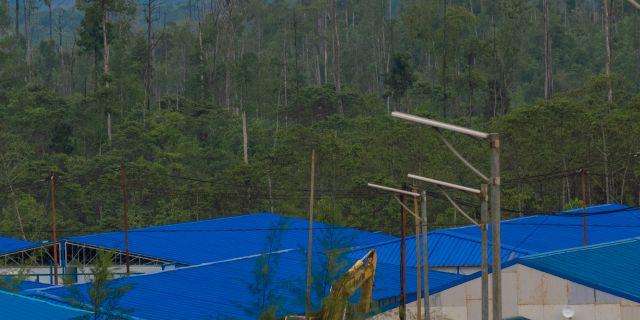
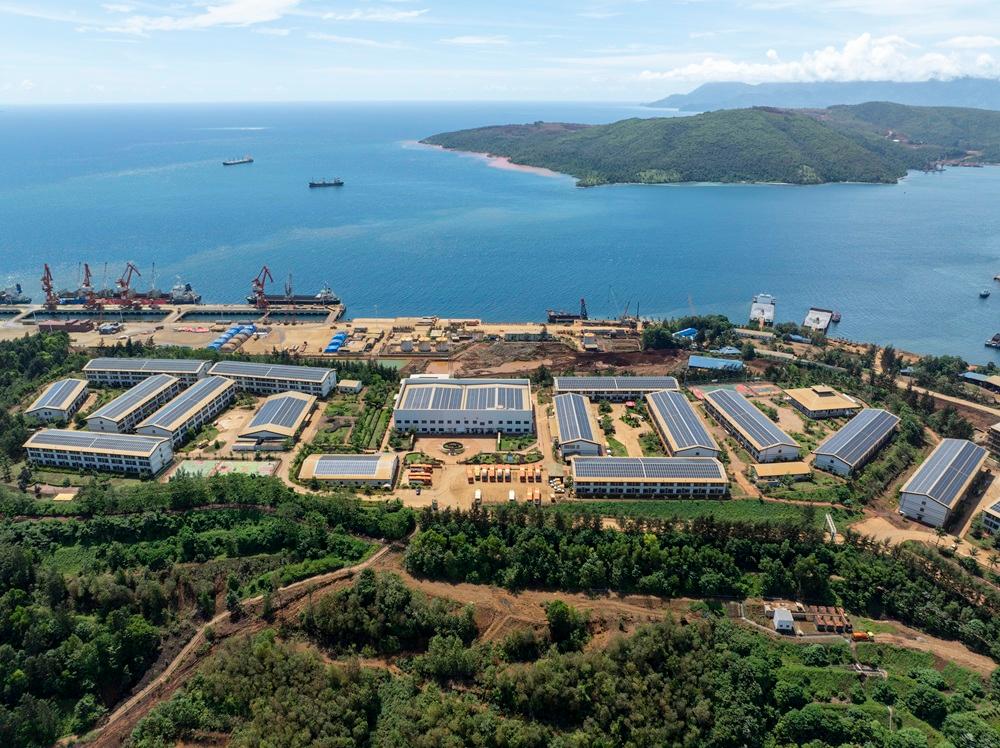
Indonesia’s nickel industry has undergone a major transformation. Once reliant on raw ore exports, the country is now among the world’s largest producers of processed nickel, supported by an integrated value chain spanning mining and downstream processing. The shift has been driven by rising global demand for nickel as a critical commodity in the energy transition.
Amid these developments, global scrutiny is no longer focused solely on production volumes, but also on how nickel is produced and how traceable its supply chain is. Buyers, regulators, and investors increasingly view responsible mining practices as a key benchmark in the global minerals trade.
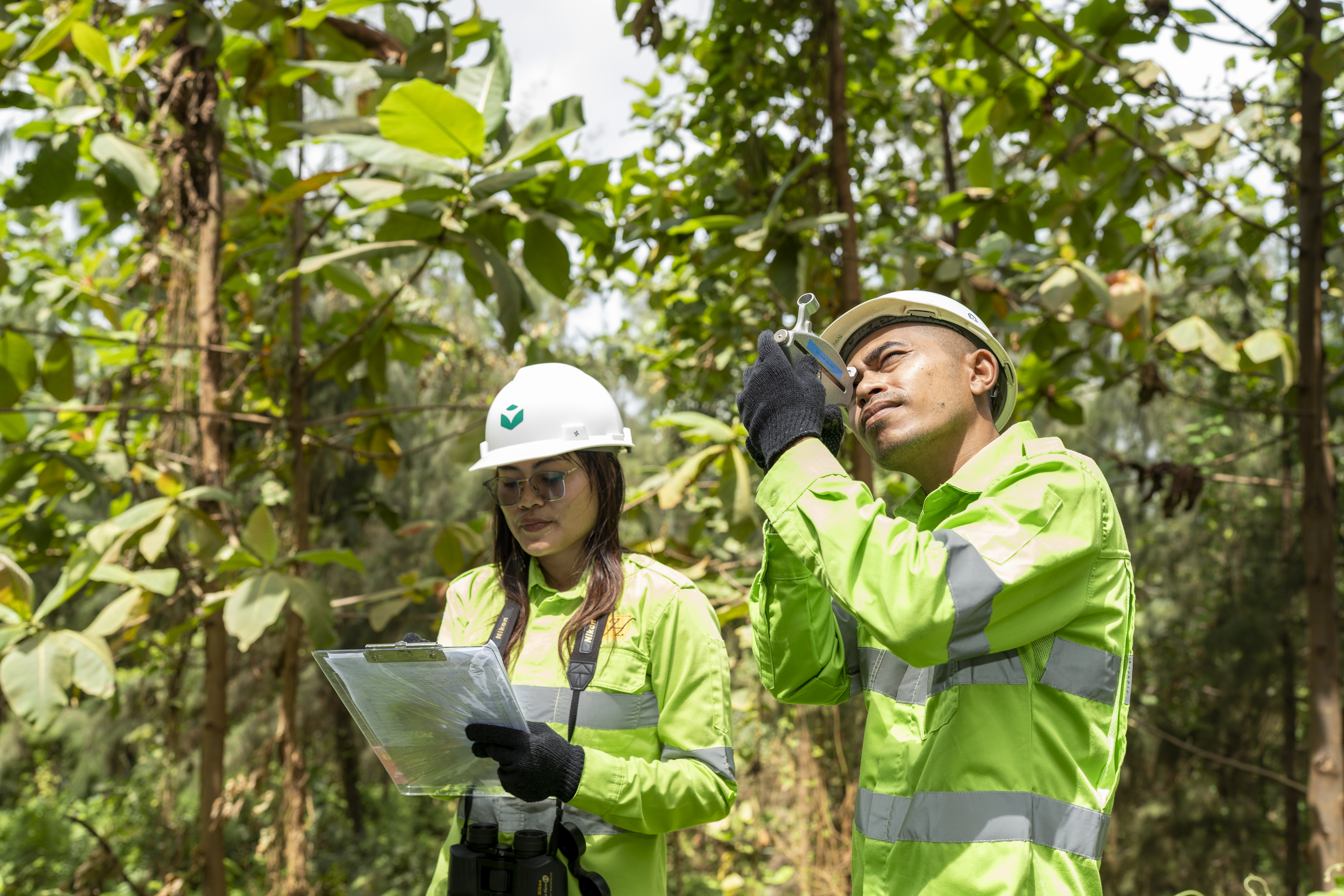
In response to these evolving expectations, Harita Nickel is set to undertake the Responsible Minerals Assurance Process Plus (RMAP+) audit in June 2026. The audit follows the Responsible Minerals Assurance Process (RMAP) assessment previously completed by the company.
Unlike the earlier assessment, which focused primarily on conflict-free minerals, RMAP+ covers a broader range of environmental, social, and governance (ESG) criteria.
“The RMAP assessment we previously completed ensured that the minerals we use do not originate from conflict-affected areas. Through the RMAP+ audit, we aim to demonstrate that our entire production process meets higher ESG standards,” said Eryawan Yudha Taruna, Sustainability Manager at Harita Nickel.
Through the audit process, Harita Nickel is reinforcing its commitment to responsible nickel mining and processing practices. The RMAP+ assessment also forms part of the company’s efforts to address increasingly stringent global market expectations, where ESG performance has become a fundamental requirement in mineral trade.

Countries and regions across the world are tightening regulations on mineral supply chains. The European Union, through the EU Battery Regulation and the Corporate Sustainability Due Diligence Directive (CSDDD), is pushing companies to demonstrate responsible and traceable supply chains. Meanwhile, China has begun implementing a Digital ID system for electric vehicle batteries, requiring battery materials to be traceable back to their origin.
“The global market no longer asks merely whether nickel ore originates from conflict-affected areas, but also whether the entire nickel ore supply chain upholds strong and transparent ESG standards. Through this audit, we aim to ensure that Harita Nickel’s supply chain system meets the expectations of international partners and regulators,” Eryawan said.
Harita Nickel’s commitment to undertaking the RMAP+ audit makes it the first nickel mining and processing company in Asia to take this step. The initiative reflects the company’s broader effort to move beyond compliance while strengthening transparency and traceability across its supply chain, from mining operations to processed products.