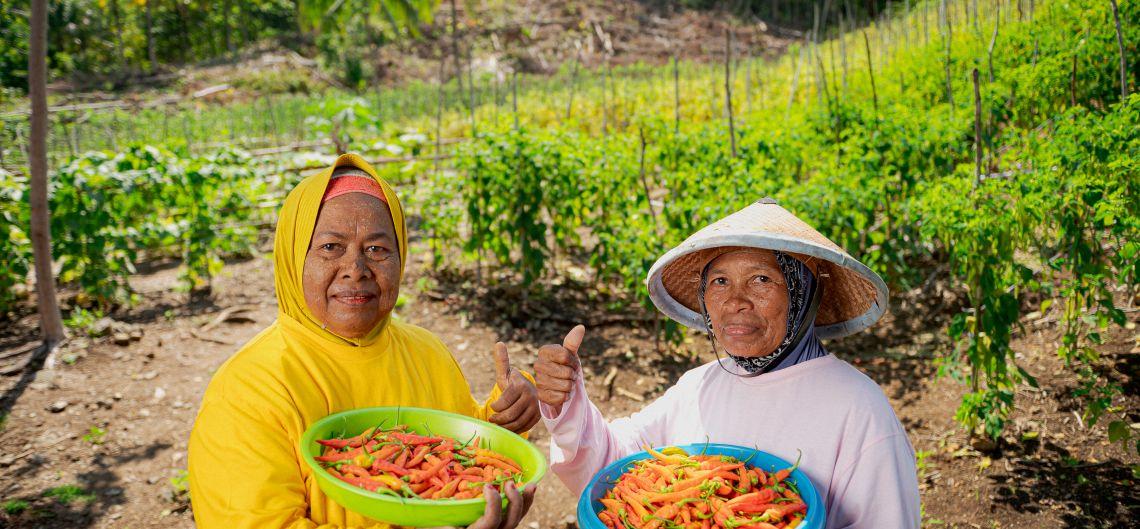
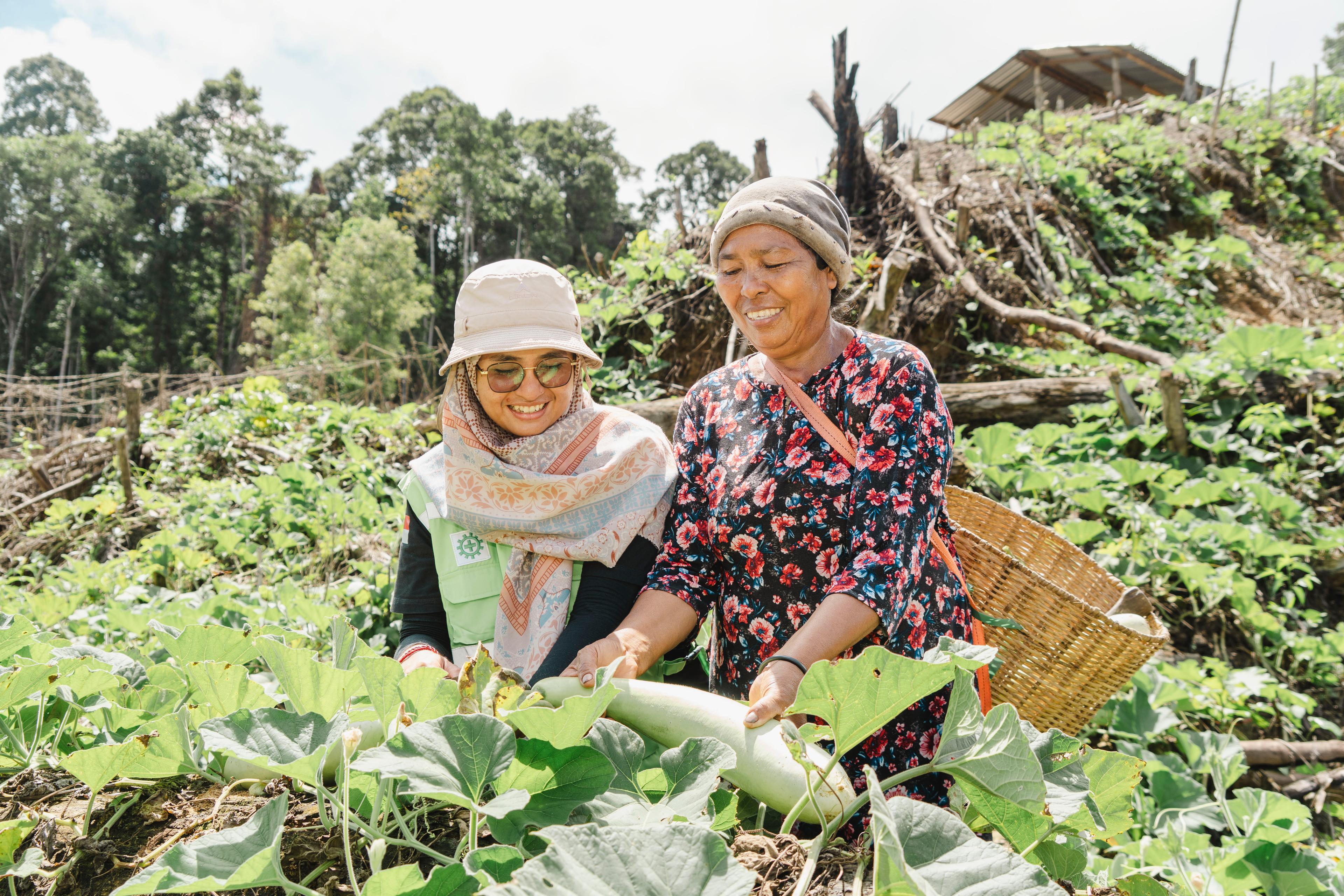
Behind the rolling hills of Soligi Village on Obi Island, South Halmahera, rows of vegetables now flourish across neatly cultivated garden beds. Water spinach, chili peppers, long beans, and cucumbers thrive on land that was once farmed only on a small and limited scale.
On that afternoon, dozens of women could be seen working in the garden. Some were preparing the soil, while others examined their crops and discussed pest control and upcoming harvests. Just a few years ago, many of them were unfamiliar with basic horticultural cultivation practices, making the transformation all the more remarkable.
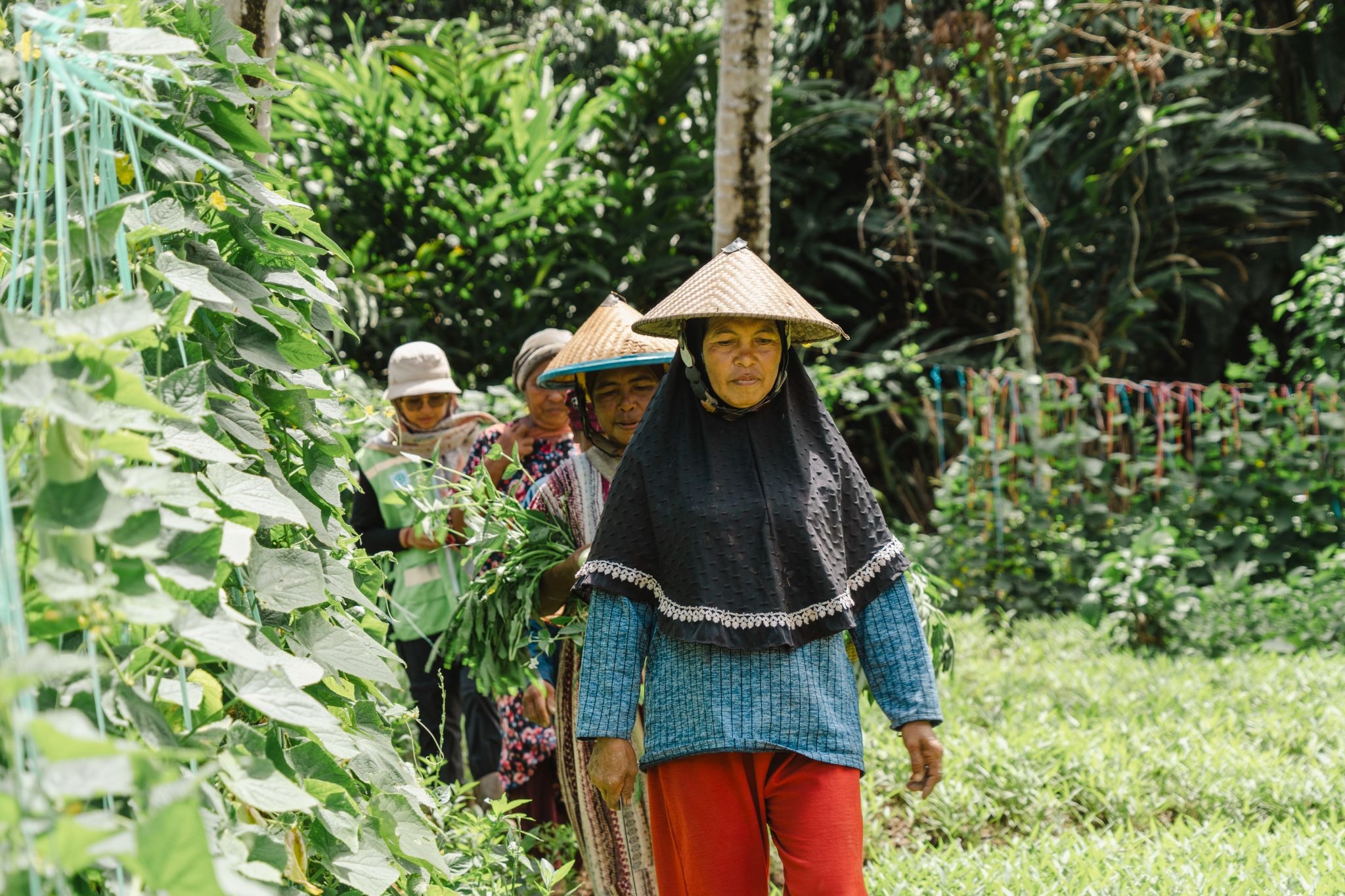
Today, those gardens have become a source of tangible benefits for the women of the Women Farmers Groups (KWT) in Soligi and Kawasi villages. The vegetables they cultivate are regularly supplied to the company and local markets, generating tens of millions of rupiah in revenue each month.
For Jahariya, head of the Soligi Women Farmers Group, the transformation has been significant. What began as a small community initiative has grown into a productive farming enterprise. Today, the group’s 19 members collectively manage four horticultural plots, cultivating a variety of crops that contribute to both household incomes and the local economy.
Today, the gardens have become a source of tangible benefits for members of the Women Farmers Groups (KWT) in Soligi and Kawasi villages. The vegetables they cultivate are regularly supplied to the company and local markets, generating tens of millions of rupiah in monthly revenue.
Jahariya, head of the Soligi Women Farmers Group, said the group’s 19 members now manage four horticultural farming plots.
“We grow vegetables, chili peppers, and long beans across four locations. Fresh produce is delivered to the company twice a week, generating around Rp30 million in revenue each month,” she said.
For Jahariya, the achievement represents more than an additional source of income. Through these farming activities, members of the group have gained greater confidence and are playing a more active role in supporting their families’ economic well-being.
Agriculture is not new to Obi Island. For generations, communities in Soligi and Kawasi villages have relied on nutmeg, clove, and coconut plantations as key sources of livelihood. However, farming practices have largely remained traditional, with knowledge passed down through generations and cultivation methods often limited in scope, including shifting farming practices and basic agricultural techniques.
Horticultural crops were also relatively unfamiliar to many residents. Where such crops were cultivated, farming was often carried out without structured planting schedules, seedling management, or adequate pest control practices.
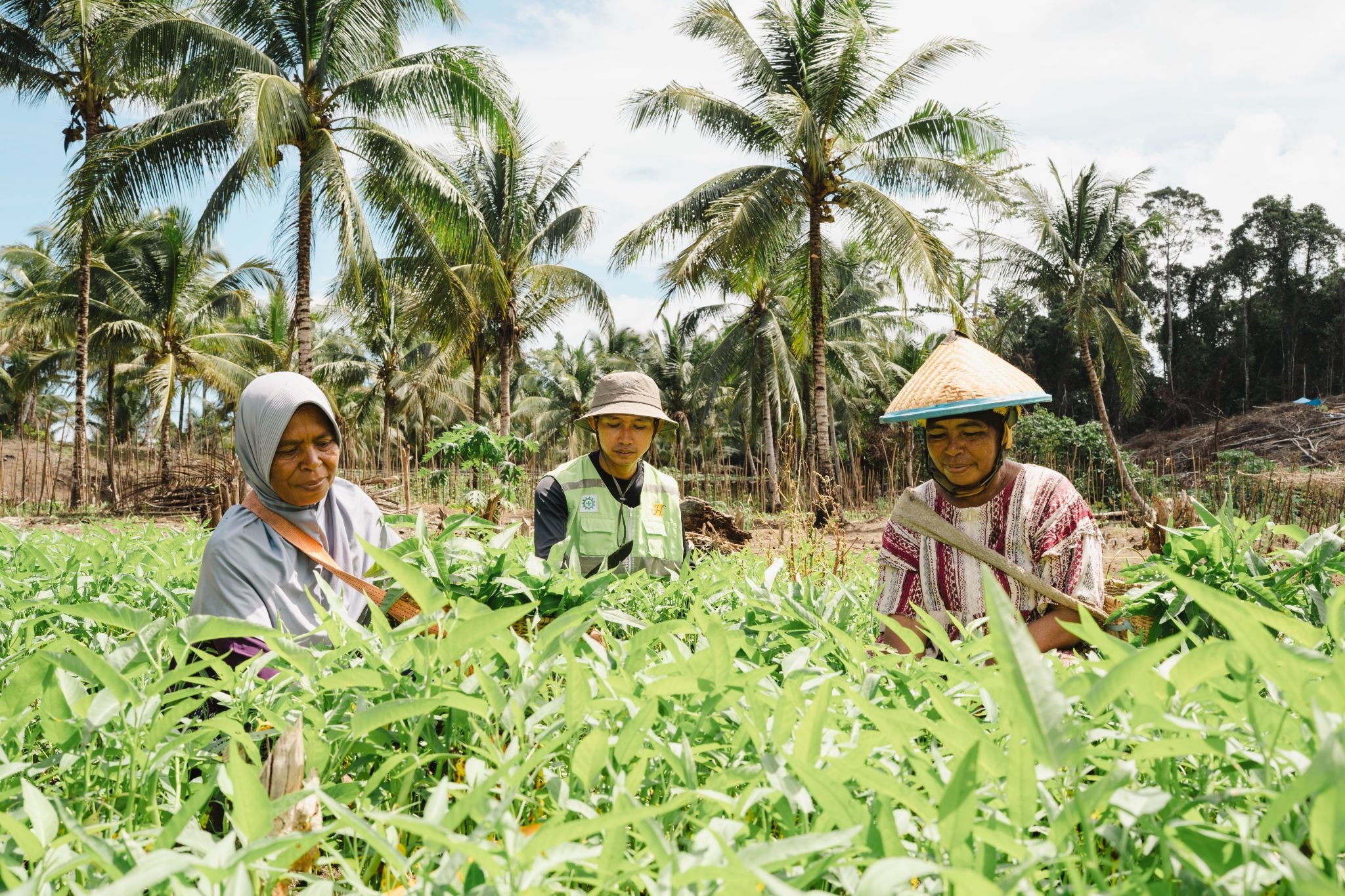
Recognizing these challenges, Harita Nickel launched its Field School program to provide guidance and support to local communities, particularly the Women Farmers Groups (KWT) in Soligi and Kawasi villages.
The initiative extends beyond technical agricultural training. It adopts a value-based approach that begins with understanding the community’s needs, especially those of women seeking opportunities to help improve their families’ livelihoods. Through this participatory approach, the program aims to strengthen both farming skills and community resilience.
“All members of the farming groups here are women. Most men work for the company or earn a living as fishermen, so the women wanted to contribute to their household income through agriculture,” said Albertus Darukumara, Community Development Supervisor at Harita Nickel.
In the early stages, the mentoring process was not without challenges. One of the biggest obstacles was the expectation of quick results, while horticultural farming requires patience, consistency, and a gradual learning process.
To address this, the facilitators adopted a hands-on approach. Following introductory training sessions, group members were encouraged to learn directly in the field, gaining practical experience in preparing planting beds, raising seedlings, caring for crops, and identifying signs of pest infestations. Through this experiential learning process, participants gradually built the skills and confidence needed to manage their gardens independently.
The approach gradually began to bear fruit.
Today, members of the Women Farmers Groups (KWT) in Soligi and Kawasi are able to cultivate a wide range of horticultural crops, including water spinach, spinach, bitter melon, eggplant, long beans, and chili peppers, with steadily improving quality. They have also developed a better understanding of the importance of maintaining product quality and ensuring a consistent supply to sustain consumer trust.
Thofiya, Chair of the Kawasi Women Farmers Group, said the farming program has brought tangible benefits to her family.
"We are grateful to the company because the proceeds from our first and second harvests in Akelamo enabled us to support our grandchild’s education through high school in Bacan," she said.
The transformation has also been felt across the wider community. Abu Jaya, a community leader and village official in Soligi, said that group members have not only improved their farming skills but have also begun to manage agricultural activities collectively and more effectively.
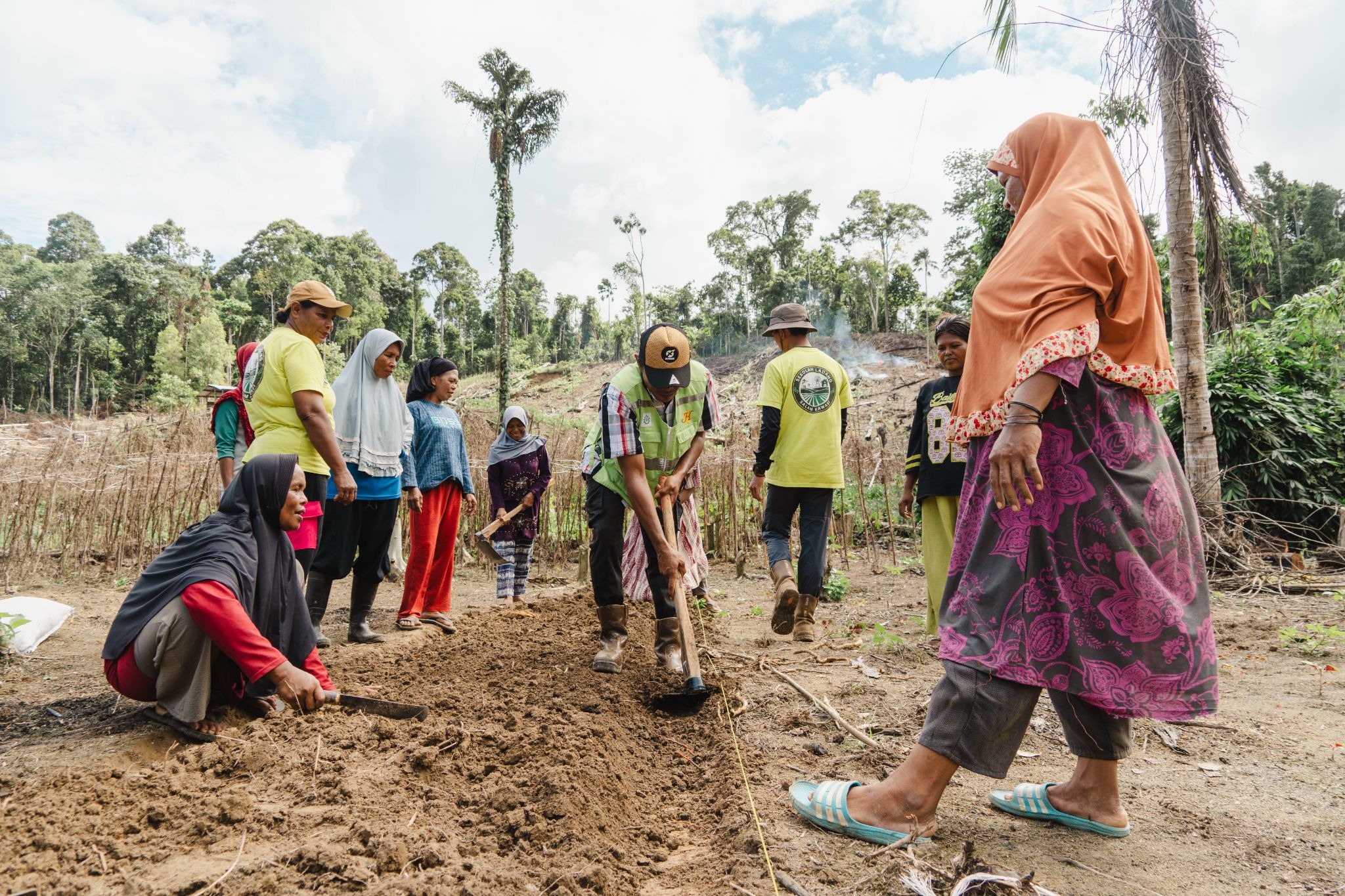
For Harita Nickel, the field school program goes beyond agricultural training. It is designed to foster community self-reliance, particularly among women, by equipping them with the knowledge and skills needed to develop sustainable farming practices independently and share their experience with others in their villages.
Across the hillsides of Soligi and Kawasi, now dotted with thriving horticultural crops, the impact is becoming increasingly visible. The change has emerged gradually but meaningfully. Through the dedication of local women, land that was once cultivated on a limited scale has evolved into a new source of livelihood, helping to strengthen household incomes and create opportunities for the future.