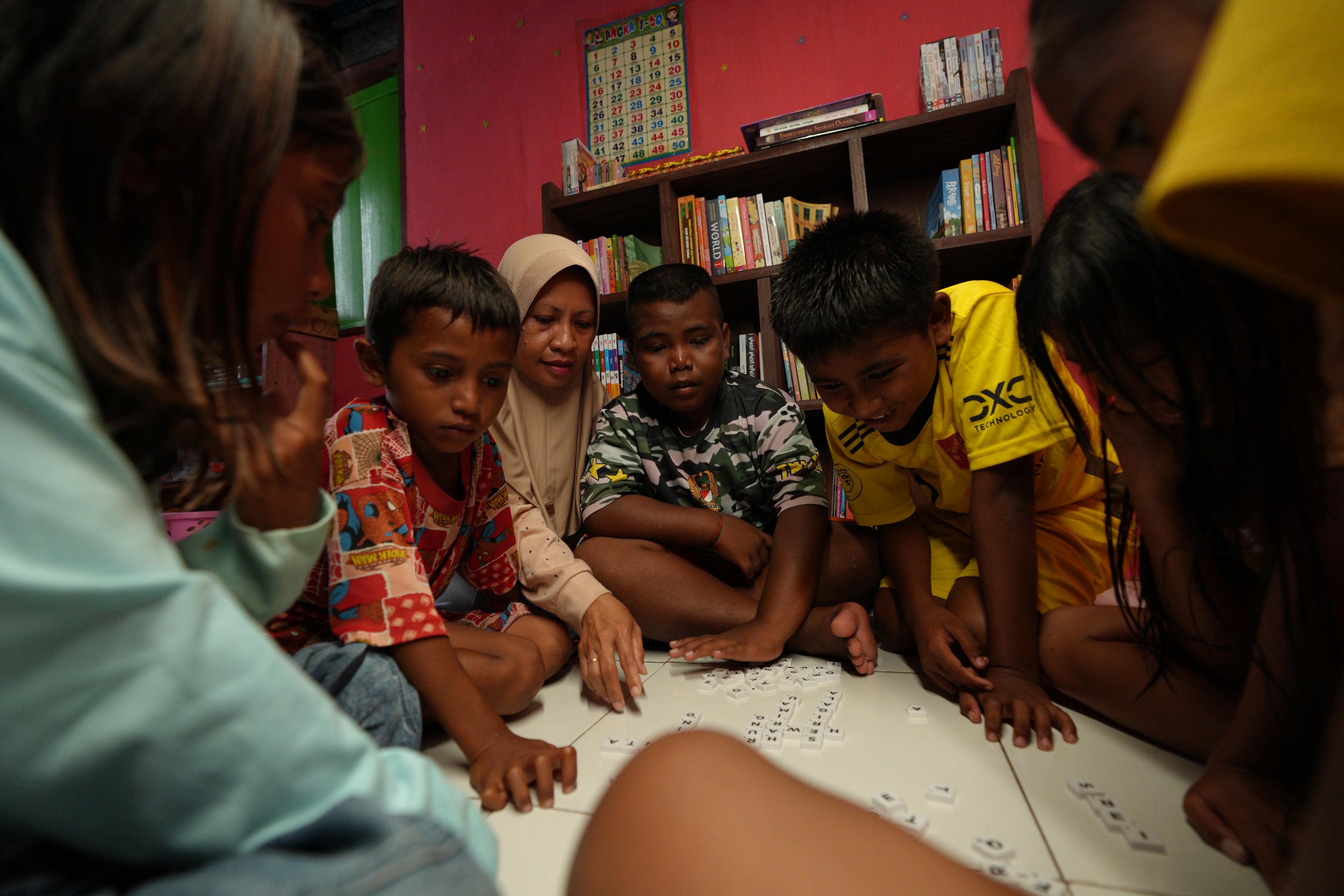
On the southern coast of Obi Island, South Halmahera, afternoons now paint a different picture. After school hours, children gather at a modest community learning house, where laughter echoes through reading sessions and play activities, reflecting a new chapter for education in this remote region.
The learning houses established across South Obi have evolved beyond literacy spaces. They now serve as safe and inclusive environments where hope is nurtured, while also becoming community gathering points that help strengthen social cohesion among residents.
The initiative continues to expand. Marking Indonesia’s National Education Day on May 2nd, 2026, Harita Nickel inaugurated the Nyinga Moi Learning House in Fluk Village, South Obi District. The facility adds to two previously established learning houses in Gambaru and Oci Maloleo villages, further strengthening community-based educational access in the region.
The name Nyinga Moi, meaning “One Heart,” embodies the spirit of collaboration between Harita Nickel, the village government, and the local community. Much like the Simore Learning House in Gambaru, the facility was designed as an inclusive and child-friendly space, promoting an enjoyable and engaging learning environment for children.
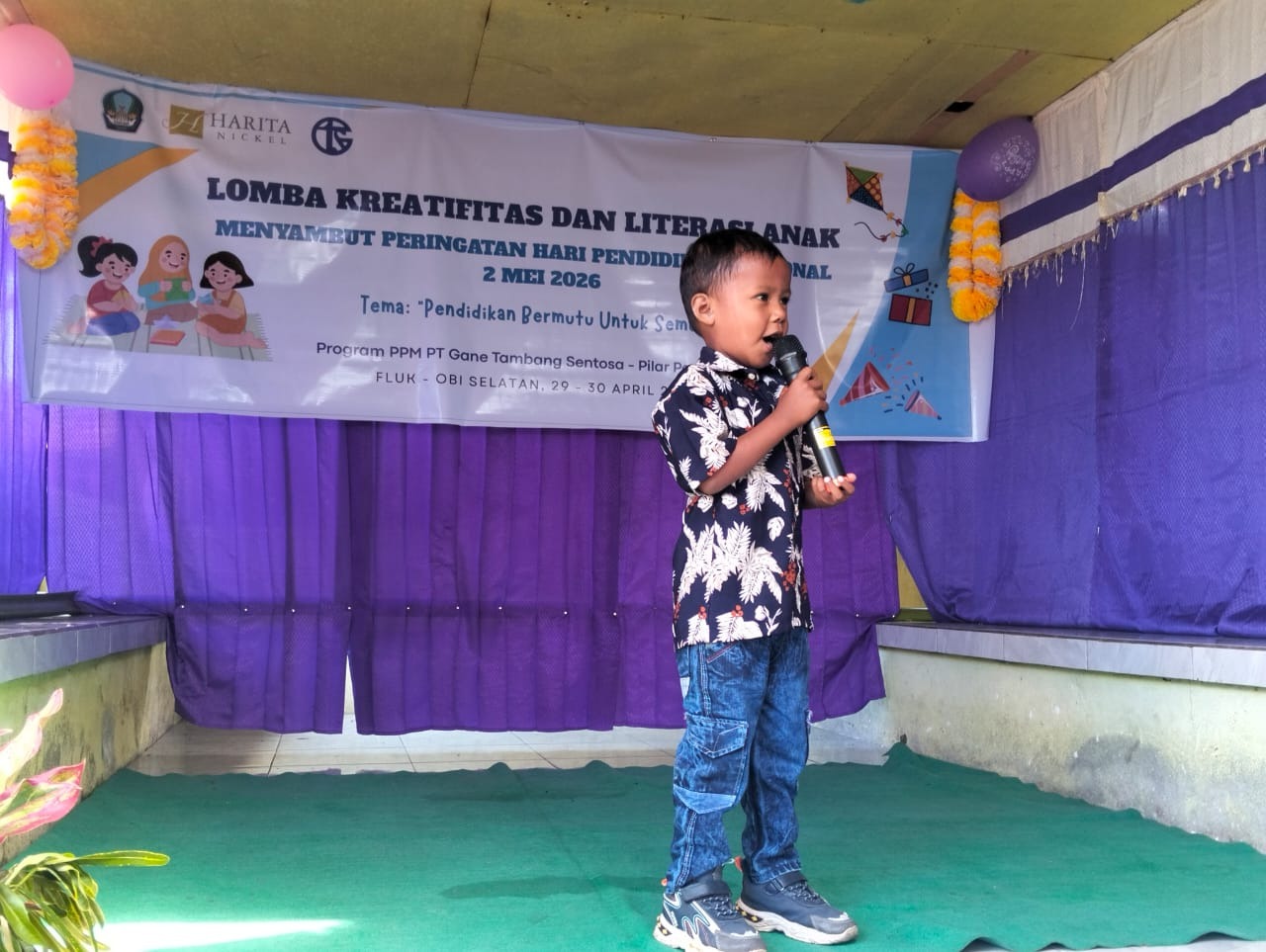
For local residents, the presence of the learning house has helped address challenges faced by parents in the community. Nadia Abdullah, a parent from Fluk Village, expressed concern over children spending too much time on mobile devices and gadgets.
“Nowadays, children spend much of their time on mobile phones, which often affects their focus on learning. Through the presence of this learning house, we hope they can become more engaged in their studies and participate in more positive and meaningful activities,” she said.
In Gambaru Village, the Simore Learning House, which has been active since 2024, has become an integral part of community life. Children gather to learn and read, while parents, particularly mothers, come together to share stories and experiences. Through these simple interactions, a sense of social support has grown, strengthening optimism for the children’s future.
Syaiful Bahry, a psychology lecturer at Universitas Muhammadiyah Maluku Utara and Chair of the Himpunan Psikologi Indonesia (HIMPSI) Maluku Utara, views the phenomenon as extending beyond the function of formal education.
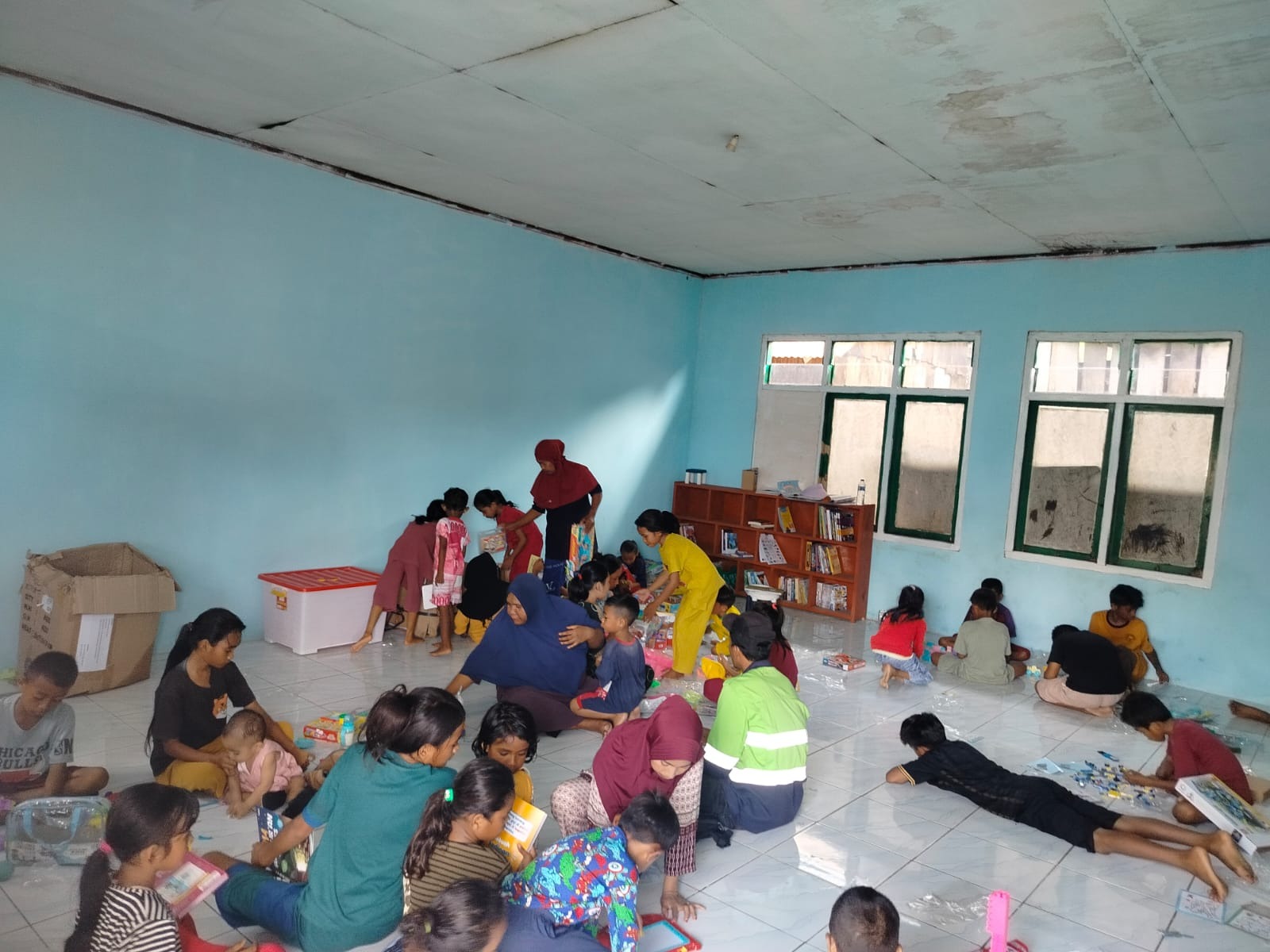
“The presence of communal public spaces such as learning houses can help reduce stress, strengthen social relationships, and foster parents’ hopes for their children’s future,” he said.
He emphasized that hope is a vital component of psychological well-being. According to him, the presence of learning houses sends a positive message that children in remote communities have greater opportunities for a brighter future.
The learning approach implemented at the facilities is also tailored to the developmental needs of early-age children. Centered on a fun learning concept, the program encourages children to learn through play in a supportive and pressure-free environment.
“Psychologically, a comfortable learning environment enhances children’s cognitive abilities and strengthens memory retention. Children are able to learn without fear of making mistakes, and this is essential in building self-confidence,” Syaiful said.
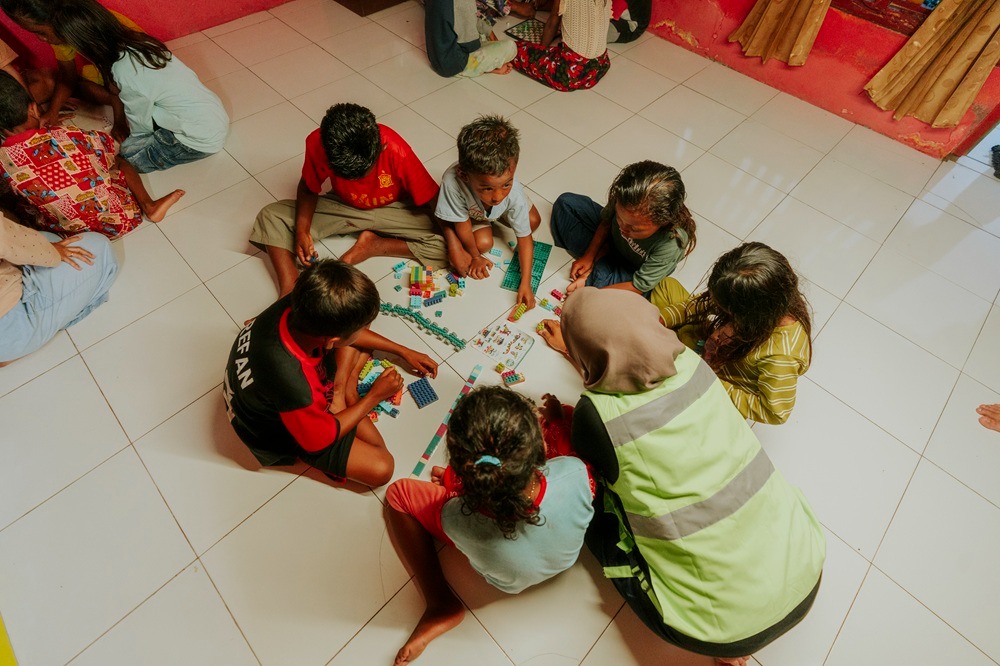
The learning methods employed also emphasize a supportive and inclusive approach. Instead of being compared with one another, children are encouraged to develop according to their own abilities and pace. Activities such as storytelling and story retelling not only help strengthen language comprehension, but also support children’s emotional development, from recognizing happiness to building empathy.
The volunteers play an integral role in sustaining the initiative. In addition to developing the facilities, Harita Nickel also provides volunteers with basic mentoring and child engagement skills.
“Volunteers are not simply teaching children how to read, but also becoming trusted figures who help children feel valued and emotionally secure,” he said.
At the same time, the company reaffirmed its commitment to supporting the development of local human capital through education-driven initiatives.
Latif Supriadi, Executive Vice President External Relations at Harita Nickel, said the development of the learning houses forms part of the company’s Community Development and Empowerment Program (PPM), which aims to broaden access to quality education across Obi Island.
“Beyond establishing learning houses, we also provide incentives for assistant teachers, educational facility support, and scholarships for university students from Obi Island,” he said.
He added that strengthening the education sector is a key foundation for promoting community self-reliance and supporting sustainable long-term development.
Keeping the Learning Houses Sustainable
Behind the positive impact, the next challenge lies in ensuring long-term sustainability. Syaiful emphasized the importance of building emotional attachment so the learning houses do not become merely short-term programs.
“Children need to feel a sense of ownership. Simple activities such as organizing the space or taking care of books can help nurture responsibility,” he said.
He also highlighted the importance of parental involvement, including through parenting and knowledge-sharing activities. In this way, the learning process does not stop at the learning house, but continues into everyday life at home.
Strengthening Collaboration to Advance Education in North Maluku
The development of learning houses in South Obi reflects a collaborative effort between Harita Nickel, the village government, and local educational institutions. Since its establishment, the Simore Learning House has reached more than 100 children, helping to improve their reading confidence and learning motivation.
The presence of the learning house in Oci Maloleo, alongside the inauguration of Nyinga Moi in Fluk, has further expanded the reach and impact of the initiative across the region.
Mulyadi Tutupoho, Head of the Dinas Kearsipan dan Perpustakaan (Disarpus) North Maluku, welcomed the initiative as part of broader efforts to expand access to education in remote communities.
“This initiative provides meaningful support to the government’s mission of advancing education, particularly for children living in the village,” he said.
He also expressed hope that similar efforts would inspire greater participation from other industry players, strengthening collaboration in building a more inclusive education ecosystem across North Maluku.
On Obi Island, the learning houses may appear modest in form. Yet within these small spaces, larger hopes are being nurtured, and hopes for a future where children now have greater opportunities and more reasons to dream.