
Indonesia is already a major player in the global nickel industry. Home to the world’s largest nickel reserves, Indonesia plays a crucial role in the global supply chain for electric vehicles (EVs). One company at the forefront of nickel downstreaming is Harita Nickel, which operates on Obi Island, North Maluku.
Harita Nickel not only mines nickel but also processes it into several value-added products needed by the alternative energies industry, particularly EV batteries. These processed products include Mixed Hydroxide Precipitate (MHP), nickel sulfate, cobalt sulfate, and electrolytic cobalt.
Curious about the uses of these products and their respective roles in the EV battery industry? Check out the full explanation below!
Mixed Hydroxide Precipitate (MHP)
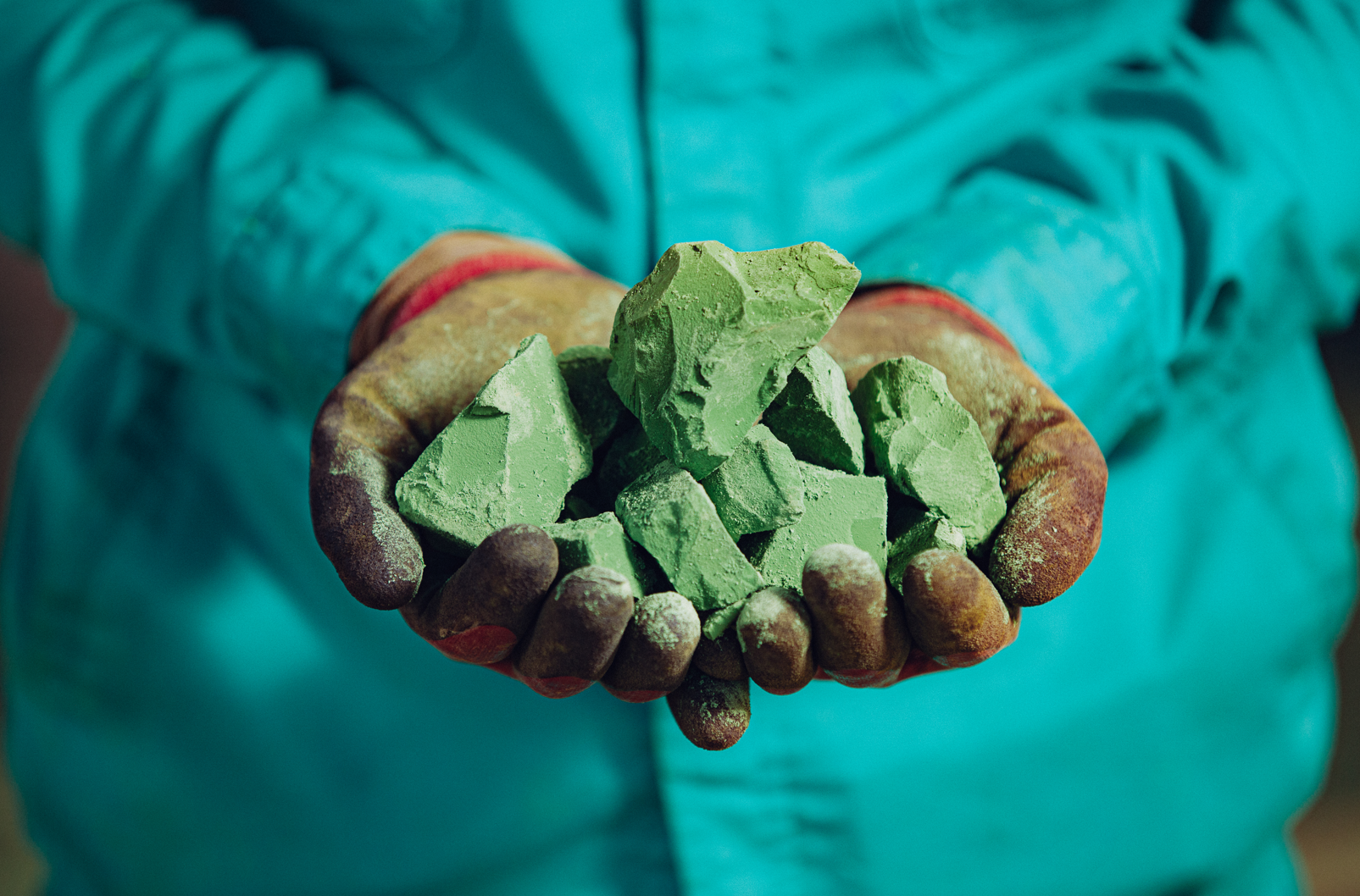
Mixed Hydroxide Precipitate (MHP) is an intermediate product produced from the processing of laterite nickel ore. The primary components of MHP are nickel and cobalt, which can then be further processed into downstream products with higher economic value.
MHP plays a crucial role as the primary raw material for producing nickel sulfate and cobalt sulfate, two key materials for electric vehicle batteries. Utilizing its MHP production facility, Harita Nickel has successfully positioned Obi Island as one of Indonesia's strategic nickel downstreaming hubs.
Nickel Sulfate
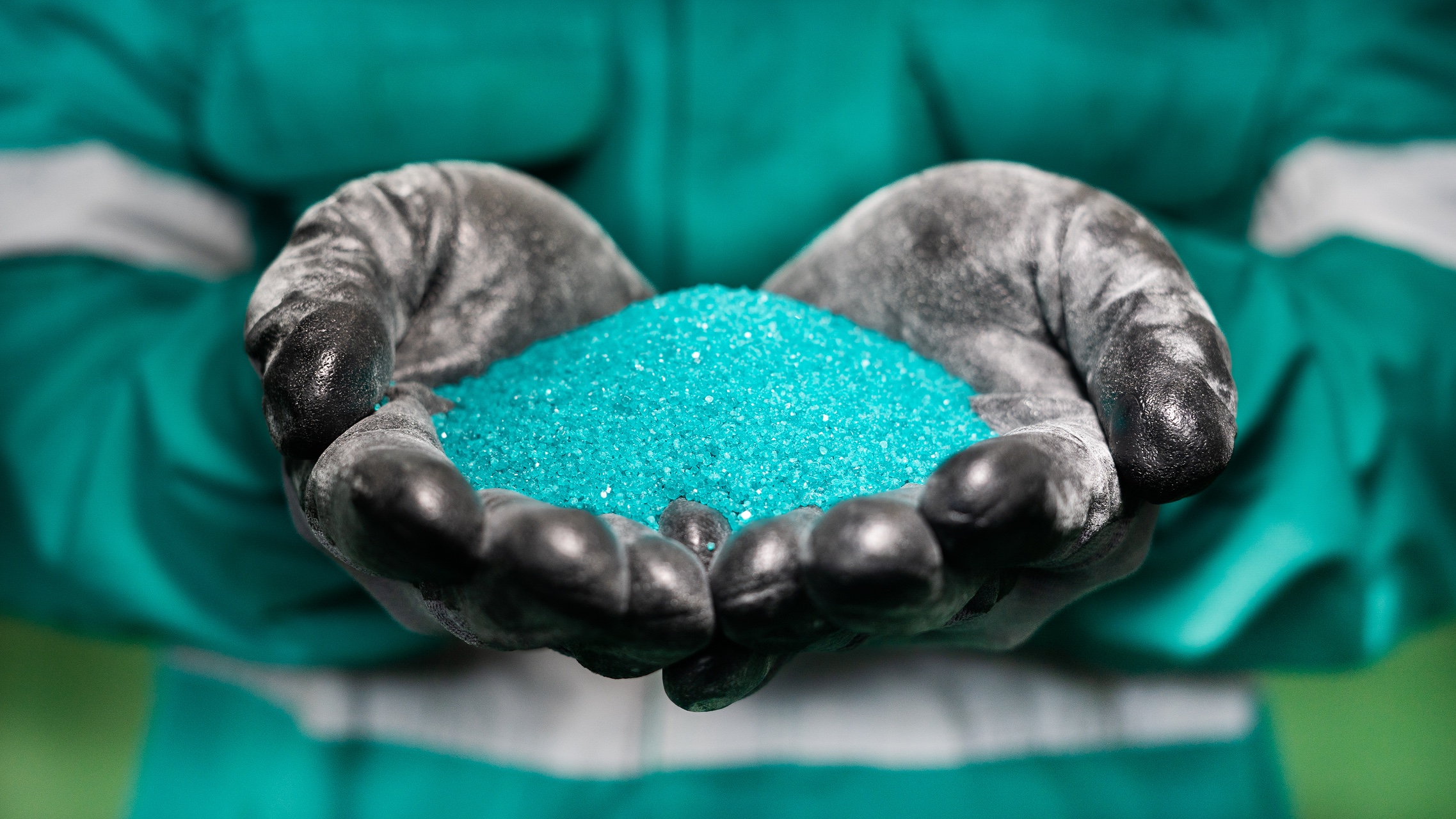
Nickel sulfate is a critical component in the manufacture of lithium-ion battery cathodes, which are used in electric vehicles. This product is increasingly sought after, due to global trends toward green energy and the ongoing transition away from fossil fuel-based vehicles to their electric counterparts.
Harita Nickel produces nickel sulfate to international standards, enabling the company to supply the global battery industry. This makes Indonesia more than just a supplier of raw materials, but also a producer of high-value-added processed materials.
Cobalt Sulfate
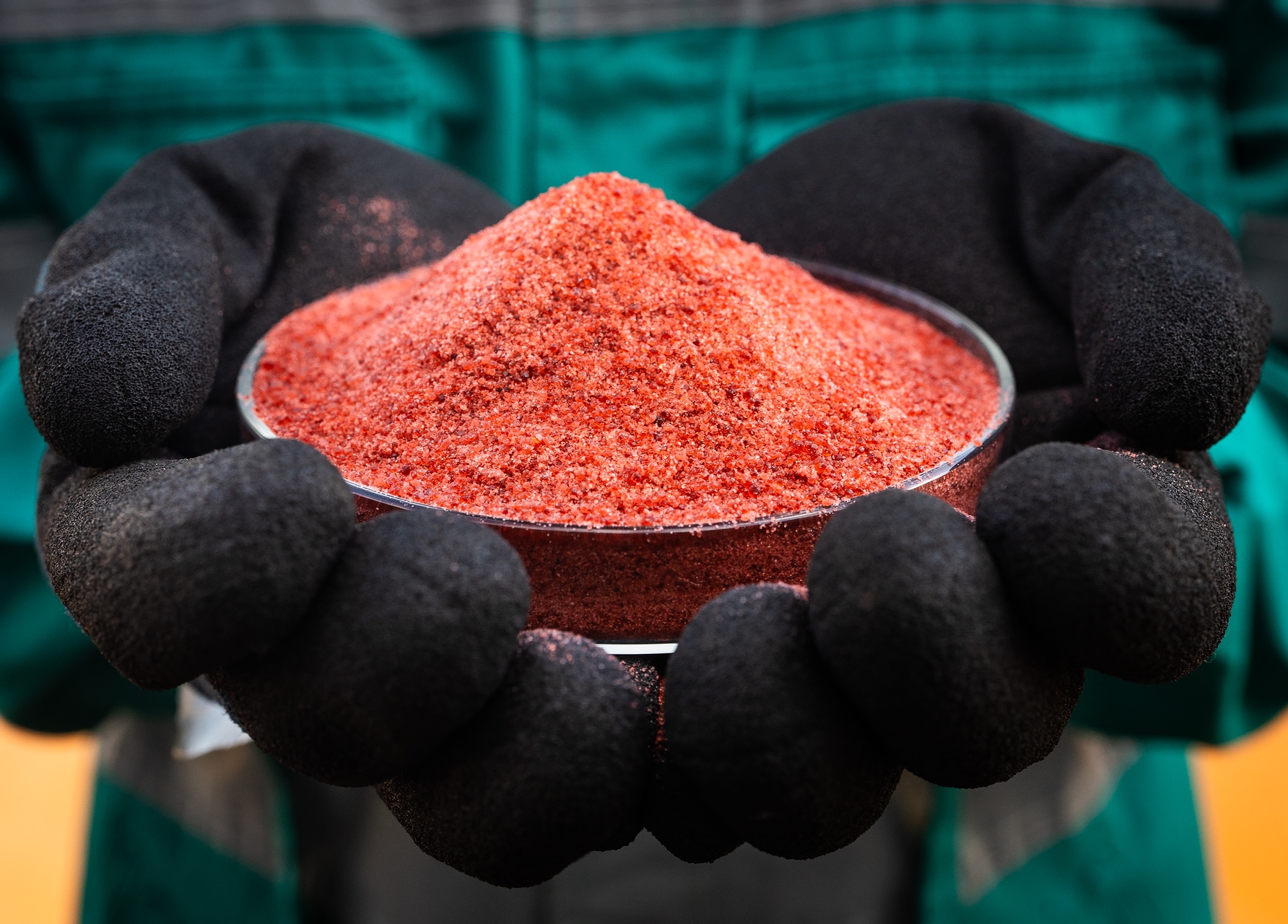
Besides nickel, cobalt also plays a crucial role in EV batteries. Cobalt sulfate is used to increase battery energy density, stability, and longevity. In the global supply chain, cobalt is often referred to as a critical mineral, and its presence is crucial to the quality of electric vehicle batteries.
Harita Nickel produces cobalt sulfate from further processed MHP. This product diversifies Harita Nickel's downstream portfolio and strengthens Indonesia's position in the global EV battery industry.
Electrolytic Cobalt
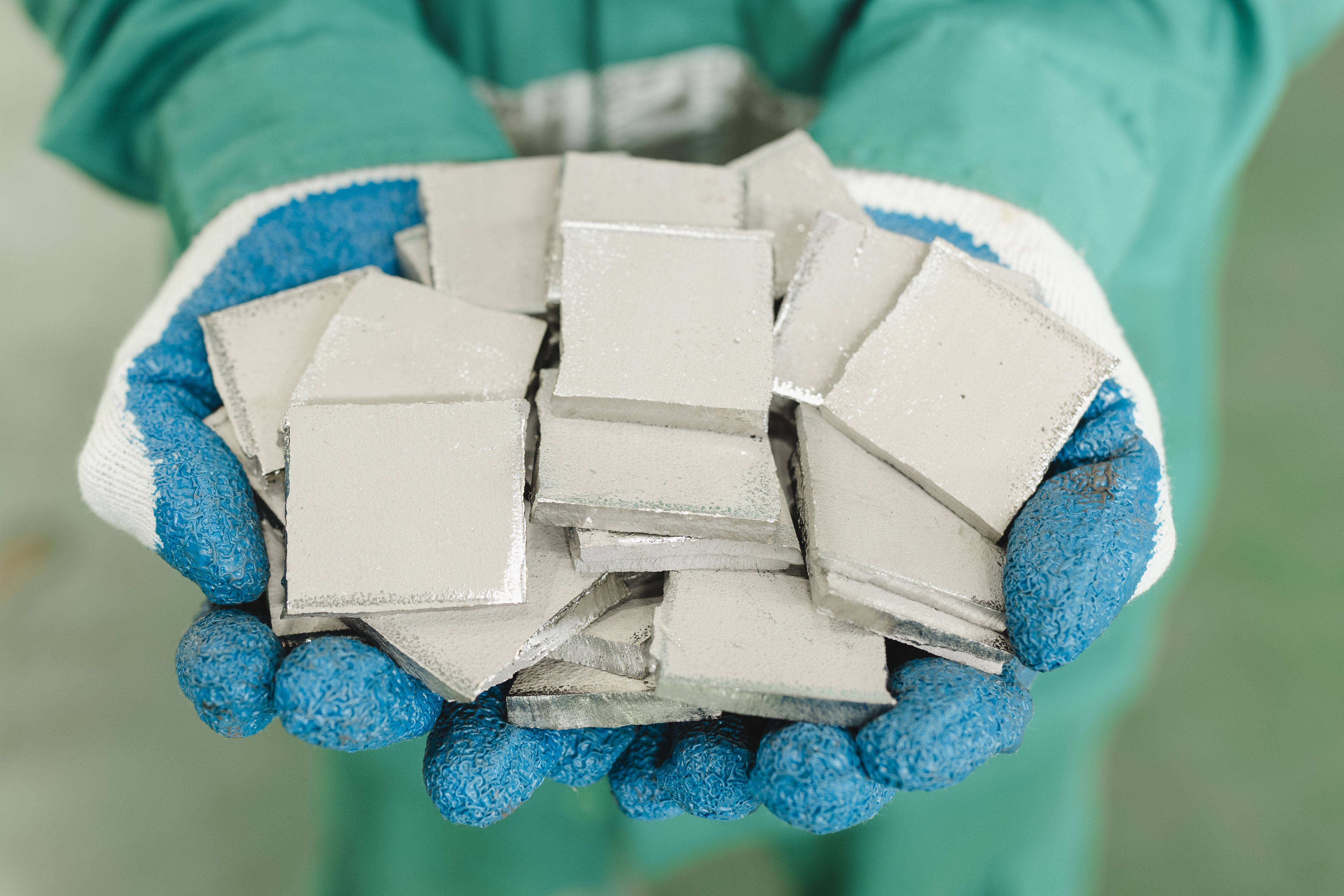
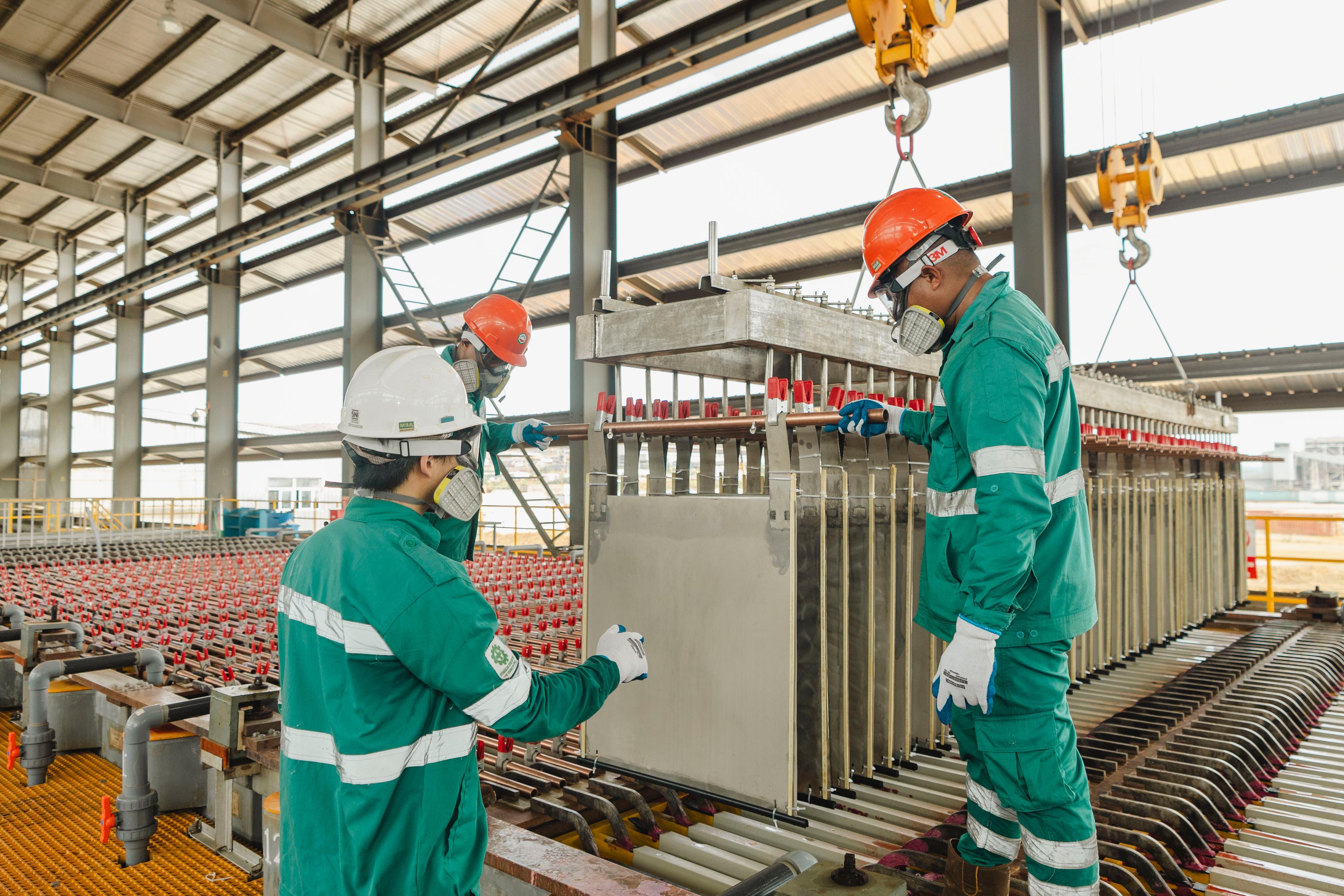
Besides sulfate, cobalt can also be produced through Electrowinning technology, which produces pure cobalt metal. This product has various applications, including as a raw material for the battery and electronics industries, as well as for specialty materials requiring high-quality cobalt.
Electrolytic cobalt is a pure form of cobalt metal produced through an electrowinning process, or electrochemical precipitation. This process involves using an electric current to separate cobalt from a cobalt-rich electrolyte solution. The resulting cobalt metal has a purity of up to 99.98%, and is widely used in modern technology development, including as the raw materials for rechargeable (lithium-ion) batteries; specialty steels, such as superalloys for turbines, magnets, and aircraft engines; and as catalysts in the chemical industry.
Nickel’s journey from the mine to its role as a key component in EV batteries is clear evidence of the importance of industrial downstreaming. Harita Nickel, through its processed products such as MHP, nickel sulfate, cobalt sulfate, and electrolytic cobalt, has played a significant role in supporting the global energy transition towards a greener future.
With high-value-added processing conducted on Obi Island, Harita Nickel not only contributes to the national economy but also strengthens Indonesia's position as a major player in the global electric vehicle supply chain.