_38.jpg&w=3840&q=75)
The future often begins with a small step: the courage to learn something new. On Obi Island, those steps are reflected in the determination of dozens of young people who have chosen to prepare themselves for a changing world. As industries become increasingly modern and technology-driven, the demand for skilled, adaptable, and competitive talent continues to grow.
In response to this growing demand, Harita Nickel has launched the fourth batch of its PELITA Vocational Program (Youth Skills and Competency Development), focusing on Overhead Crane Operator training. The program is designed to expand access to competency development opportunities while preparing Obi Island’s younger generation to take an active role in the future industrial ecosystem.
Over the course of four months, participants embarked on a comprehensive learning journey that combined classroom instruction, hands-on field practice, and competency assessments. The program provided an opportunity to strengthen technical skills, cultivate discipline, and build readiness for an increasingly dynamic and evolving workplace.
Their dedication ultimately led to a significant achievement. A total of 40 participants successfully earned an Operational License Certificate (SIO), verified by Indonesia’s Ministry of Manpower and the National Professional Certification Agency (BNSP). During the PELITA Batch IV Graduation Ceremony held on Friday, June 26, 2026, the graduates officially received their Class II Overhead Crane Operator SIO, a professional license authorizing them to operate lifting cranes with capacities ranging from 25 to 100 tons in accordance with established competency and occupational safety standards.
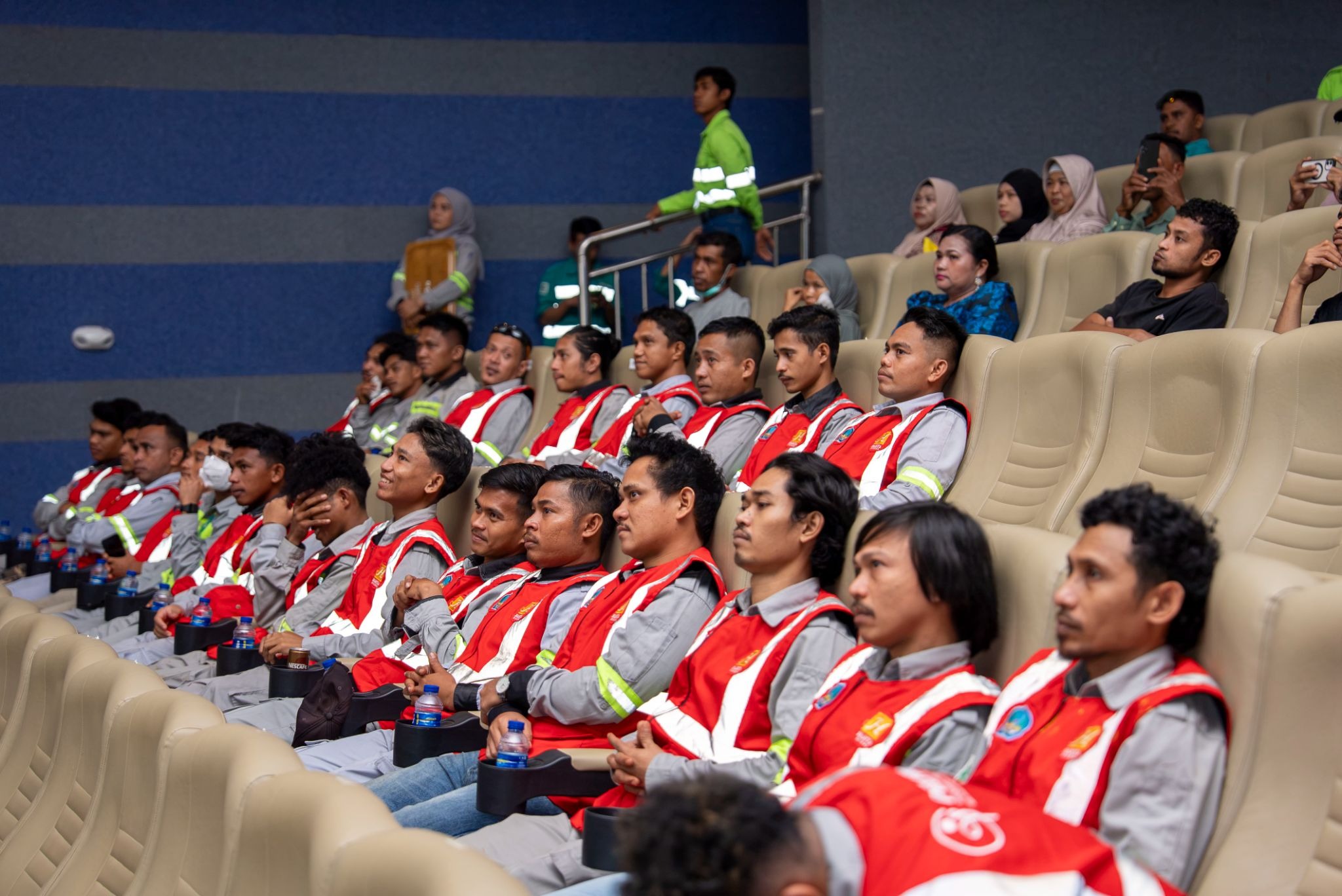
For Harita Nickel, the achievement represents far more than a graduation ceremony or a professional certification. It reflects a long-term commitment to developing local talent and strengthening the human capital needed to support sustainable industrial growth. Through the PELITA Program, the company continues to invest in the potential of Obi Island’s young generation, equipping them with the skills and competencies required to adapt, grow, and seize opportunities in an increasingly dynamic industrial landscape.
Deputy Head of Technical Support at Harita Nickel, Agung Aribowo, emphasized that the company’s commitment extends beyond building an integrated industrial ecosystem. Equally important is its ongoing effort to enhance the quality of human capital, particularly among local communities on Obi Island.
“Opportunities to improve the quality of human resources on Obi Island must continue to be expanded, so that the island’s young men and women can keep developing their potential and contribute positively to the place we all call home,” said Agung.
The impact of the program is best reflected in the experiences of its participants. One of them is La Bae La Jafar, a young man from Manatahan Village who sees PELITA as the beginning of a new chapter toward a brighter future.
“Alhamdulillah, this is a journey I am truly grateful for. I used to work as a crew member, and now I feel proud to have developed my potential and advanced my career,” he said.
For Bae, the program offered more than just technical training. Beyond the operational skills he gained, he learned that discipline, responsibility, and a commitment to continuous improvement are essential foundations for navigating future challenges and opportunities. These values, he believes, are just as important as professional competencies in shaping individuals who are resilient, dedicated, and capable of making meaningful contributions in the workplace.
A similar perspective was shared by Dr. Daud Djubaedi, Head of the South Halmahera Manpower and Transmigration Office, who emphasized the importance of continuous self-development in preparing young people to navigate an ever-changing world. According to him, opportunities to build skills and competencies should be embraced as valuable investments for the future.
“More important than the certificate itself are discipline, attitude, and the consistent application of safety culture principles in the workplace,” said Daud.
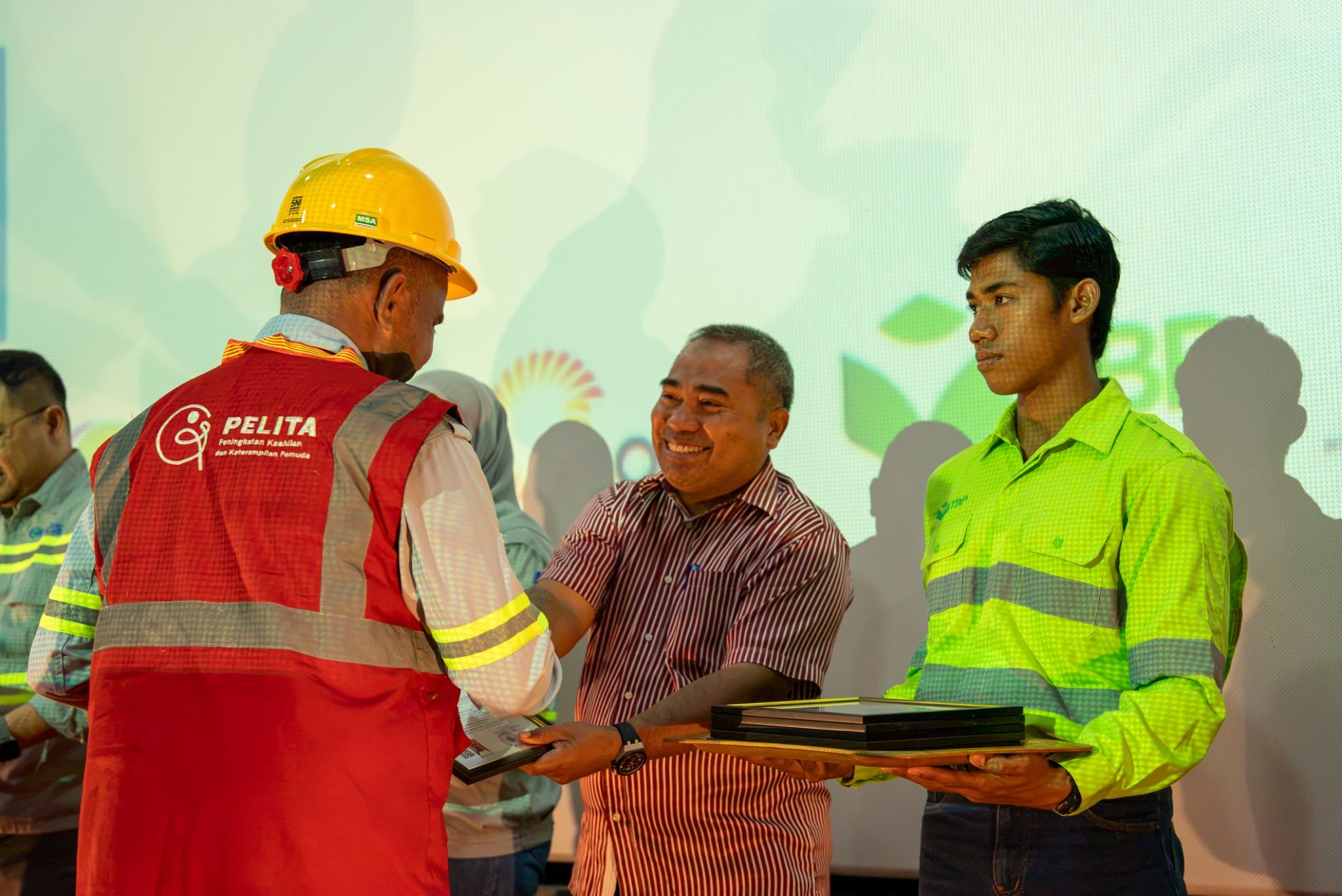
The SIO certificates, certified by Indonesia’s Ministry of Manpower and the National Professional Certification Agency (BNSP), were officially presented by the Head of the South Halmahera Manpower and Transmigration Office.
He also expressed appreciation for Harita Nickel’s PELITA Program, noting that it has created meaningful opportunities for local communities to enhance their competencies while contributing to the development of regional human capital.
“Human development programs like this represent a tangible source of hope for local communities. They should be sustained and further expanded so that more people have the opportunity to develop their skills and unlock their potential,” he added.
The conclusion of PELITA Batch IV marks not the end of a journey, but the beginning of a new chapter. Every skill acquired, every experience gained, and every value instilled throughout the program serves as a foundation for Obi Island’s young generation to grow alongside the changes shaping the future.
Through PELITA, Harita Nickel believes that sustainable development is driven not only by investment and technology, but also by people—individuals who are willing to learn, adapt, and take an active role in an evolving world. By investing in local talent today, the company aims to help build a future where communities are empowered to seize opportunities and contribute to long-term progress.