

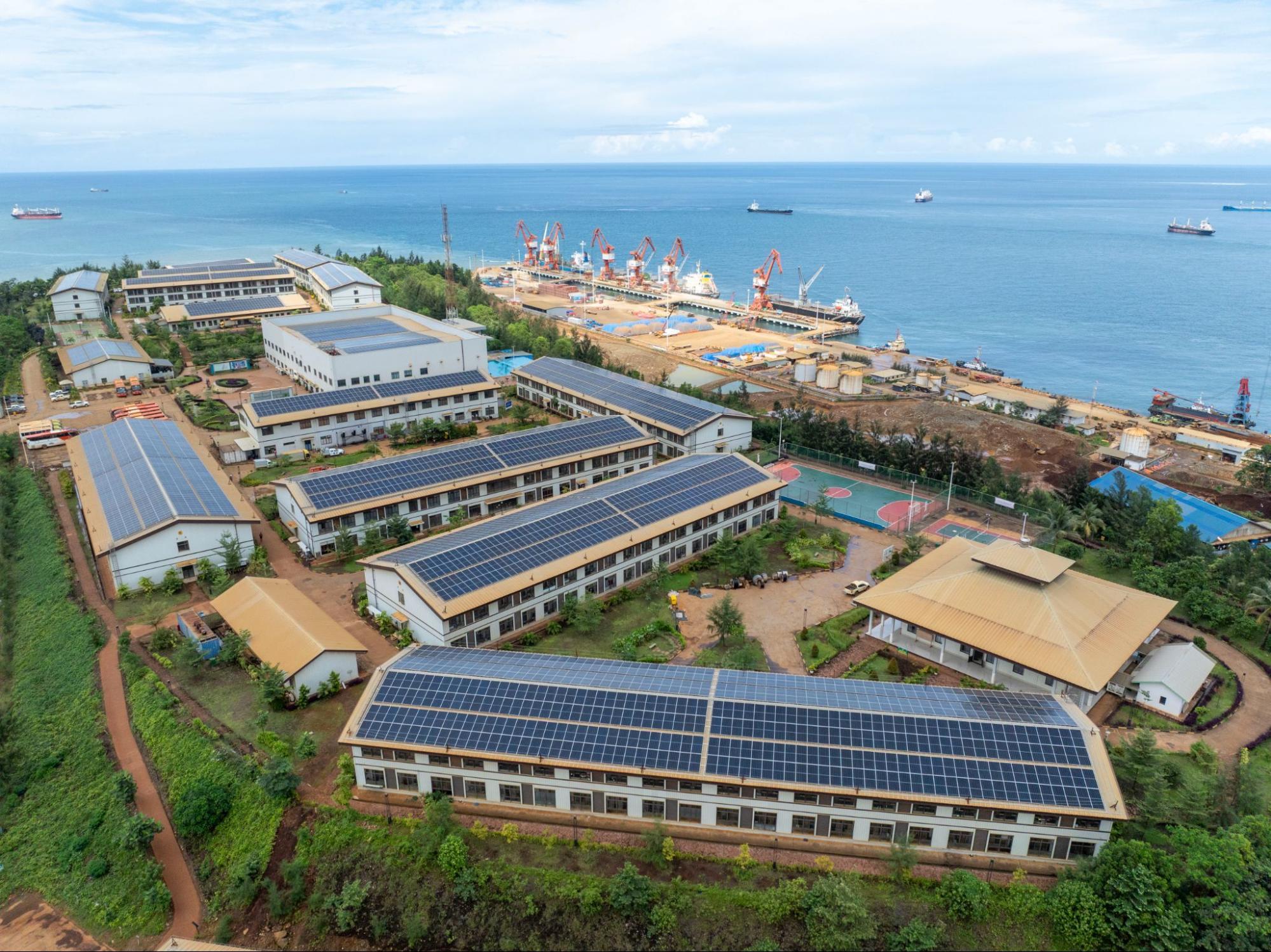
Harita Nickel is advancing its commitment to renewable energy, with one of its key initiatives being the construction of a rooftop solar power plant (PLTS) on its office facilities and employee accommodations.
Low-emission energy is no longer a choice but a necessity. The world demands concrete steps to reduce carbon emissions, and Indonesia has affirmed its commitment to achieving net-zero emissions by 2060 or sooner. The industrial sector, including nickel mining and processing, plays a crucial role in this achievement.
Harita Nickel recognizes this responsibility. As an integrated mining and downstream processing company on Obi Island, Harita Nickel sees its role as extending beyond just the production process. Besides its use in stainless steel, the nickel produced here is an essential raw material for electric vehicle batteries, which are the backbone of the future's clean energy.
The energy demand for nickel mining and processing operations is substantial, and historically, it has been largely dependent on coal.
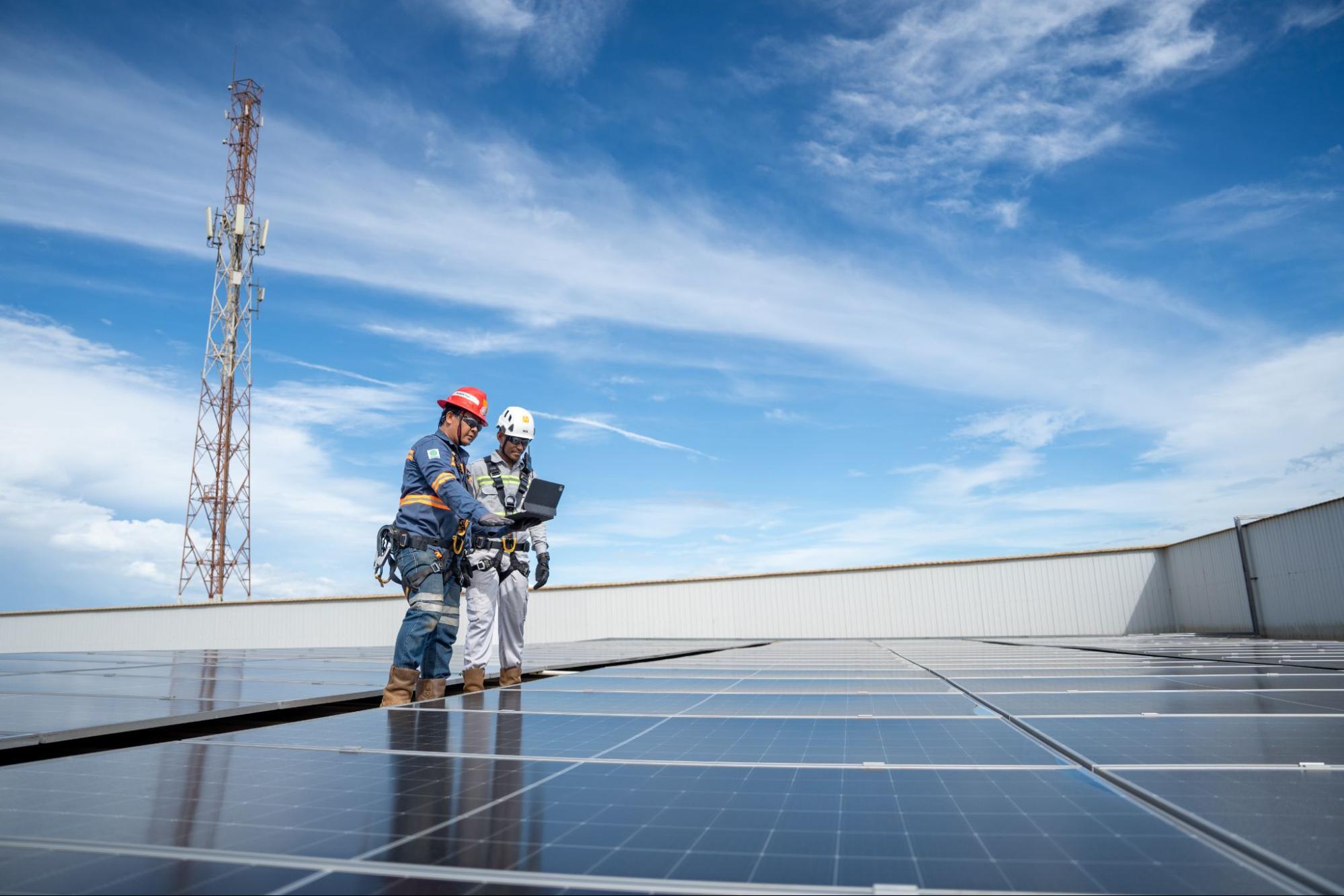
To address this challenge, Harita Nickel has begun developing several solar power plants (PLTS) across various facilities, including at employee dormitories (pilot project, soon to be operational), at the facilities of PT Halmahera Persada Lygend (HPL), PT Obi Nickel Cobalt (ONC), and at the Nickel Sulfate plant, as well as in the HJF area (currently under construction, with the largest capacity in the first phase).
"The utilization of PLTS in the Obi Industrial Area (KIO) is a tangible step to accelerate the energy transition in the mining sector. Besides supporting operational efficiency, this initiative is also in line with global renewable energy trends and our national net-zero emission target," said Amiruddin, Deputy Department Head of Technical Support at PT Obi Sinar Timur (OST), the energy operator in KIO.
Although still in the early stages, the use of these solar panels is expected to have a significant impact by reducing the company's dependence on fossil fuels and simultaneously creating opportunities for future energy efficiency. Harita Nickel aims to gradually achieve an installed capacity of up to 300 MWp.
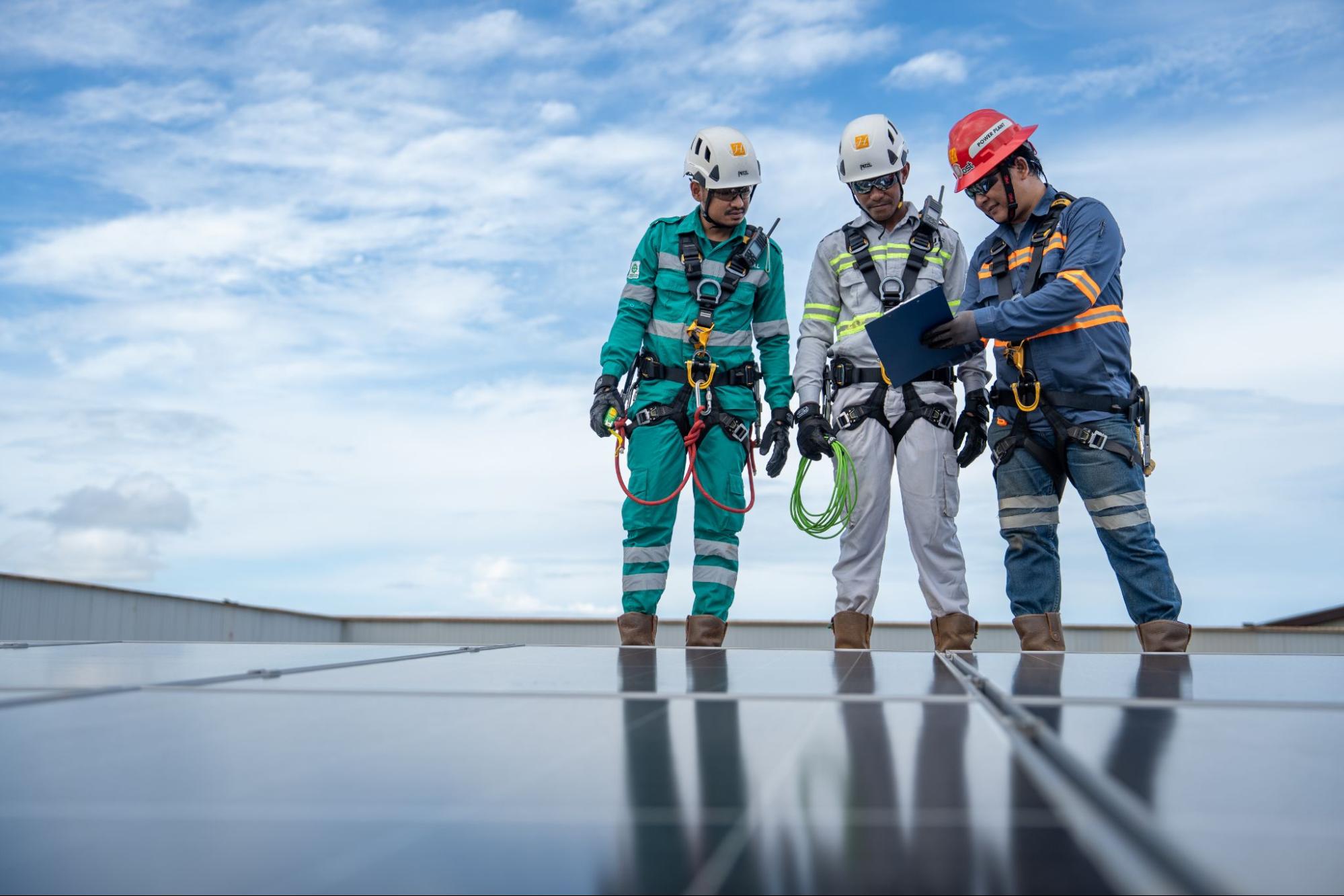
Tonny Gultom, Director of Health, Safety & Environment (HSE) at Harita Nickel, explained that the development of solar power plants (PLTS) requires a significant investment.
"This investment is certainly not cheap, but it is crucial for low-emission operations," Tonny emphasized.
All of these initiatives are part of Harita Nickel's decarbonization roadmap. The company seeks to demonstrate that business growth and sustainability can go hand-in-hand. For Harita Nickel, the use of PLTS on Obi is not merely a technical step but a strategic foundation for a low-carbon future for the Indonesian nickel industry.