
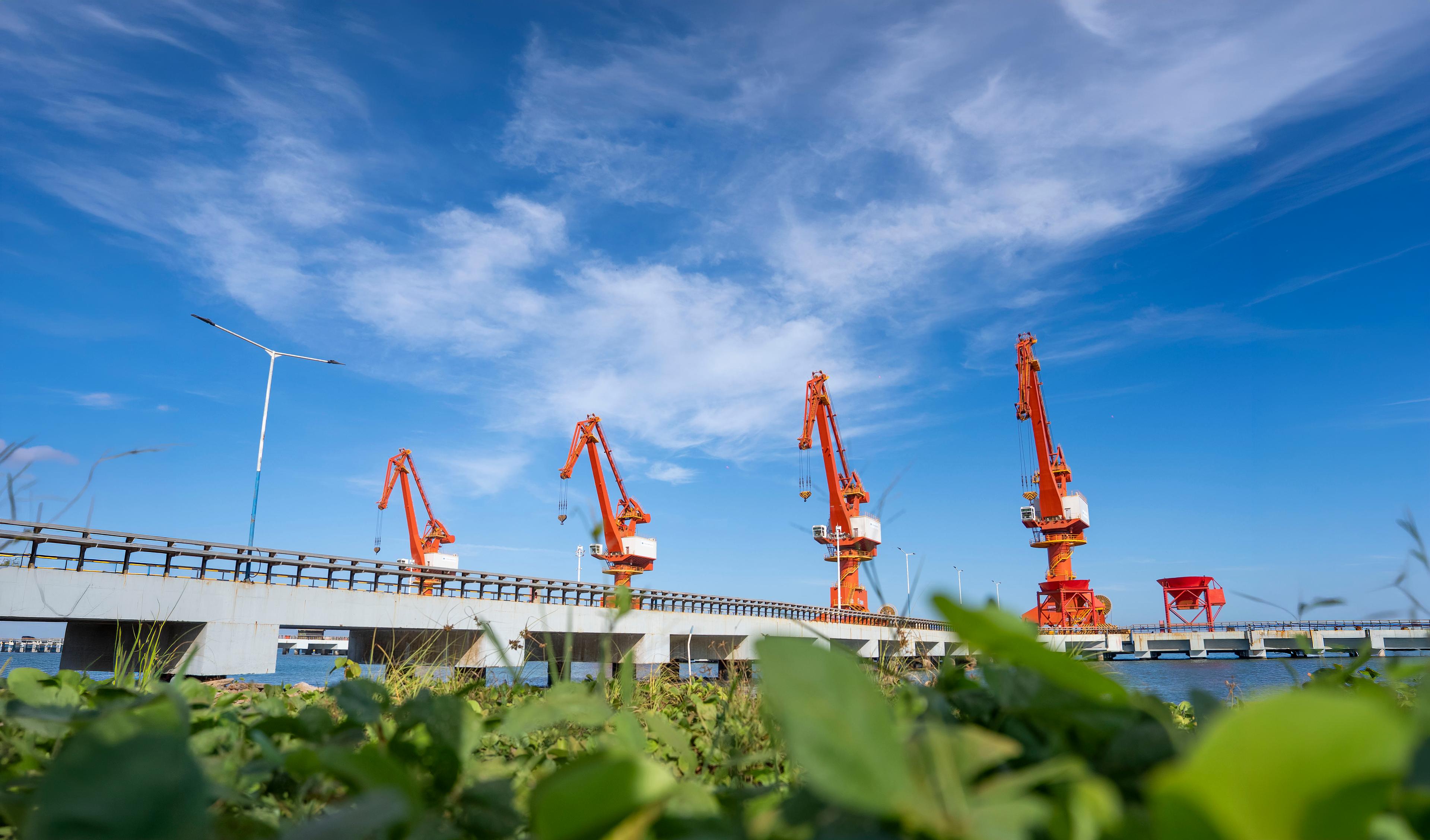
Lifting equipment is used to support a range of tasks at Harita Nickel, from lifting to moving materials. As these tasks involve heavy loads, lifting operations carry risks that need to be controlled. Consequently, the management and operation of lifting equipment form a key part of the Critical Safety Compliance Protocol (CSCP) framework.
Incidents such as overloading, substandard equipment, and miscommunication can give rise to safety risks. To manage these risks, every Harita employee involved in lifting operations must pay attention to the six CSCP safety aspects, ranging from pre-work preparations to post-work assessments.
Before work commences, ensure that the work is carried out by competent personnel. Lifting equipment operators must hold the relevant certification and an Operating Licence (SIO). Lifting operations must also involve personnel with the appropriate qualifications, such as riggers and rigging inspectors.
It is also essential to ensure that all necessary documentation is in place. Standard Operating Procedures (SOPs) for operations and the inspection and maintenance of equipment must be available and communicated to all parties. Every task must also be accompanied by a Work Permit, a Job Safety Analysis (JSA), and a Lifting Plan to serve as a basis to ensure the work is carried out safely.
Whilst work is in progress, hazard and risk management is crucial. The load must always be calculated, taking into account the equipment’s lifting capacity, the lifting configuration, the personnel involved, and on-site conditions such as the safety radius, obstacles such as power cables, and the conditions at the lifting site. Communication between the operator and the lifting team must also utilise appropriate methods, such as radio communication or standardised hand signals.
Another point to bear in mind is the load-bearing capacity of lifting equipment. Every piece of equipment and component, such as slings and shackles, has a safe working load (SWL) which sets the safe limit for its use. During the lifting process, the work area must also be controlled and access restricted to unauthorised persons.
Equipment’s condition must always be verified through checks, inspections, testing and certification in accordance with the relevant regulations. Lifting aids such as slings and shackles must also be checked before use. Equipment that is damaged or unfit for use must be marked ‘Out of Service’ and must not be used until it has been declared safe by authorised personnel.
Safety during lifting operations is not solely the responsibility of the team on site. Critical aspects such as conditions in the vicinity of the work area must also be considered. This includes ensuring that hazardous areas are clearly marked and that information regarding the hazards is communicated to those who may be affected.
For certain types of work, such as the removal of hazardous waste or work carried out near the boundaries of the operational area, consent from the affected parties must also be secured before the work commences.
Once the work has been completed, safety practices must be evaluated through regular management reviews. This includes the competence and operators’ operating licenses, as well as the results of equipment inspections and tests. Compliance with lifting equipment management regulations is also audited and assessed periodically to ensure that safety standards continue to be upheld.
Safety when working with lifting equipment depends on many factors. Good planning, competent personnel, suitable equipment, clear communication, and adherence to procedures are crucial to ensuring safety at work.
By implementing every aspect of safety, we can help ensure that work proceeds smoothly and safely, so that every Harita employee can return home safely.
Understand the risks. Control the hazards. Stop work if it is unsafe.