In carrying out its operations, managing social and environmental aspects requires the involvement of various functions across the company. Each department brings a different role and perspective, yet their responsibilities are interconnected, particularly when addressing issues involving communities and stakeholders around operational areas.
For this reason, a shared understanding across departments is essential. Open communication, the ability to understand community perspectives, and effective coordination can help each team identify and respond to issues more appropriately.
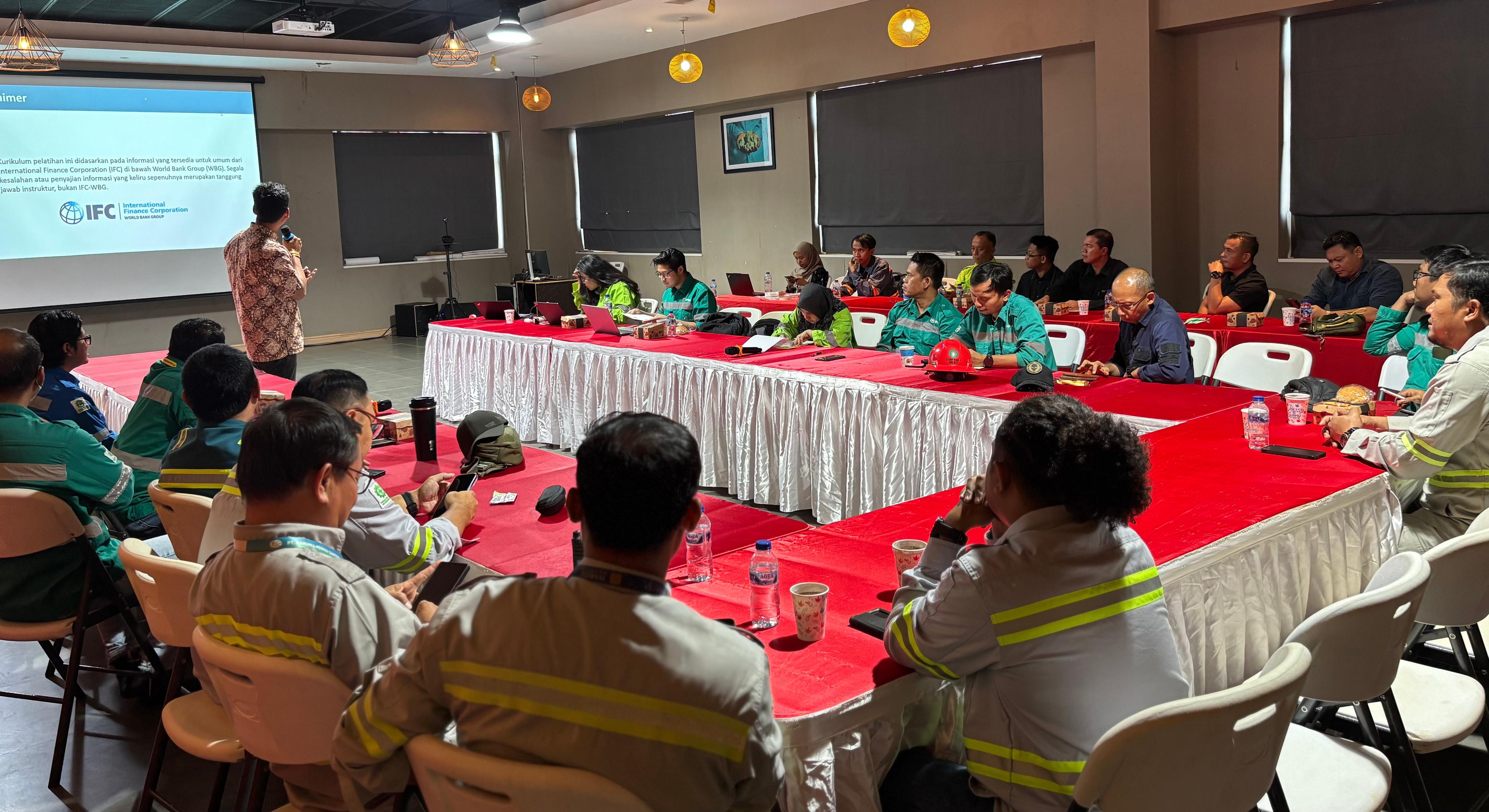
To support this effort, Harita Nickel’s Sustainability Team, in collaboration with Daemeter Consulting, conducted a series of internal capacity-building sessions from May to September 2026. The program was designed to strengthen Harita employees’ understanding and capabilities in managing social and environmental issues, particularly in engaging with communities and stakeholders.
“Throughout 2026, we conducted seven Internal Capacity Building sessions, each covering a different but interconnected topic. We hope participants gained a broader understanding of these subjects and how the material relates to their respective roles and responsibilities,” said Klaus Oberbauer, Sustainability Manager at Harita Nickel.
The seven sessions covered various international standards and practices, including the IFC Performance Standards and IRMA Standard, social conflict resolution, biodiversity conservation, and human rights impact assessment and due diligence. Other topics included corporate relations, corporate philanthropy, corporate social responsibility (CSR), and Creating Shared Value (CSV).
The sessions used an interactive learning approach that combined presentations, discussions, case studies, and examples based on operational contexts. This approach helped participants connect the concepts they learned with situations they might encounter in their daily work, including understanding social issues, communicating technical information in accessible language, and considering stakeholder perspectives.
The program involved more than 70 participants from various internal functions, including Environment, Occupational Health and Safety (OHS), Security, External Relations, Human Resources and General Affairs (HRGA), Sustainability, and Production. This cross-functional participation provided opportunities for employees to exchange perspectives, better understand other departments’ roles, and strengthen coordination in addressing social and environmental issues.
“With a more aligned understanding, we can coordinate more effectively, communicate information consistently, and consider different perspectives before taking action. This learning can serve as a foundation for each team in carrying out its day-to-day responsibilities,” Klaus added.
Strengthening internal capacity is not only about understanding standards and concepts, but also about building a more integrated way of working. Through learning and cross-functional collaboration, Harita employees can be better prepared to foster open and constructive communication with communities.
Meaningful community engagement begins with internal readiness to understand, listen, and work together.