
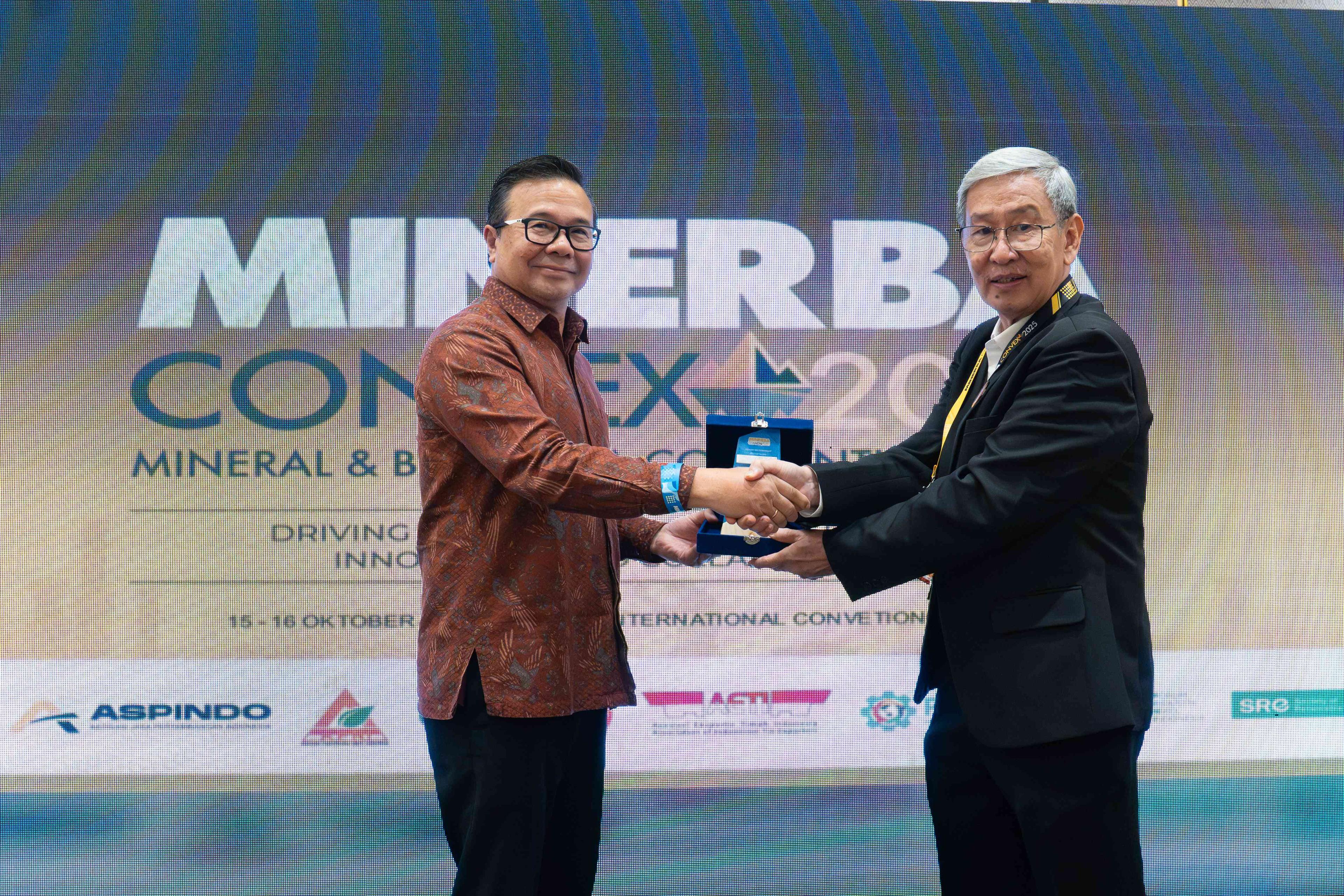
Amidst the push for national nickel downstreaming, Harita Nickel emphasized that the success of the industry is not only measured by production capacity, but also the environmental responsibility and safety that goes beyond compliance. This message was the company's main emphasis when participating in Minerba Convex 2025, which was held at the Jakarta Convention Center (JCC) on October 15-16, 2025.
Through a panel discussion themed “Applying Sustainability Best Practices in Nickel Downstream Development: The HSE Perspective of Harita Nickel,” Harita Nickel’s HSE director, Tonny Gultom, conveyed the importance of implementing Health, Safety, and Environment (HSE) practices that go beyond compliance. The implementation of safety and environmental standards must extend beyond mere compliance with national regulations, enabling management to be more integrated and aligned with the demands of the global market.
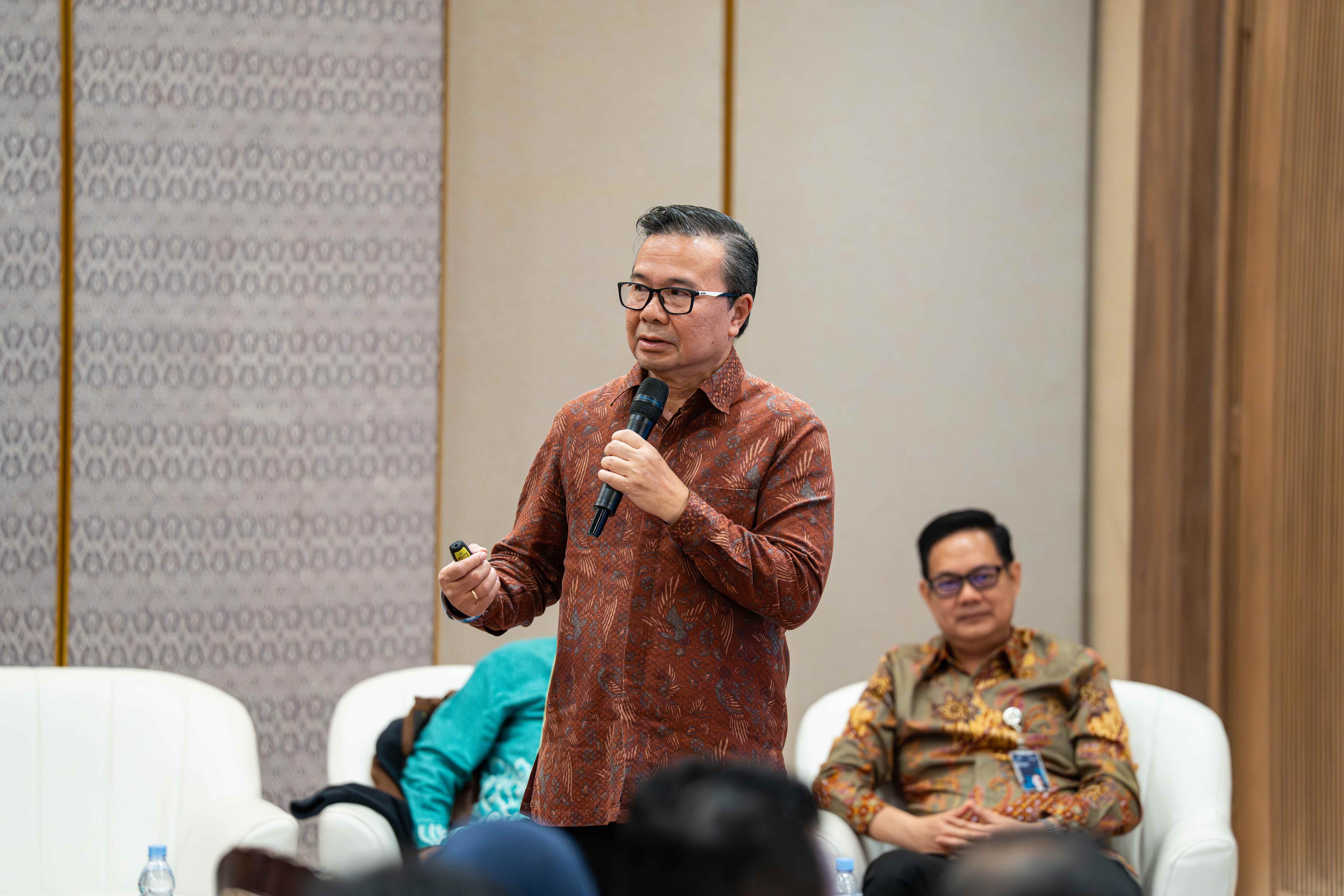
Harita Nickel’s HSE Director, Tonny Gultom, highlights the importance of implementing Health, Safety, and Environmental (HSE) practices that go beyond compliance during a panel discussion at Minerba Convex 2025, held at the Jakarta Convention Center.
“Beyond compliance is not just a matter of following the rules. We cannot just stop at the limit of national regulations, as more than 62% of the world's nickel market originates from Indonesia. Environmental management must be carried out as a whole, from the construction of drainage systems for water regulation, the use of slag as a building material, to biodiversity studies around the operational area,” said Tonny Gultom.
According to him, Indonesia’s strategic position as the world’s leading nickel supplier requires more advanced mining and processing practices so that Indonesia’s downstream products can be accepted by international markets that are increasingly selective about sustainability aspects.
In his presentation, Tonny explained that Harita Nickel has a sustainability framework based on three main pillars: climate change, good governance, and human rights. This framework forms the basis for the implementation of an integrated HSE system across all of the company’s operations, from mining to smelters and refineries.
“Talking about the sustainability framework, to achieve sustainability, there are several standards that must be met before moving forward. At Harita Nickel, this is realized through an integrated system between HSE and operations, combining SMKP for mining, SMK3 for smelters and refineries, as well as international standards such as ISO 14001, ISO 45001, and global initiatives such as GRI, RMI, and IRMA,” He explained.
Through the implementation of an integrated system, Harita Nickel ensures that health, occupational safety, and environmental management aspects are in line with the production operations. These practices, which exceed compliance requirements, are not only an obligation but also a manifestation of the company’s responsibility to support the transformation of Indonesia’s nickel industry towards sustainable and world-class downstreaming.
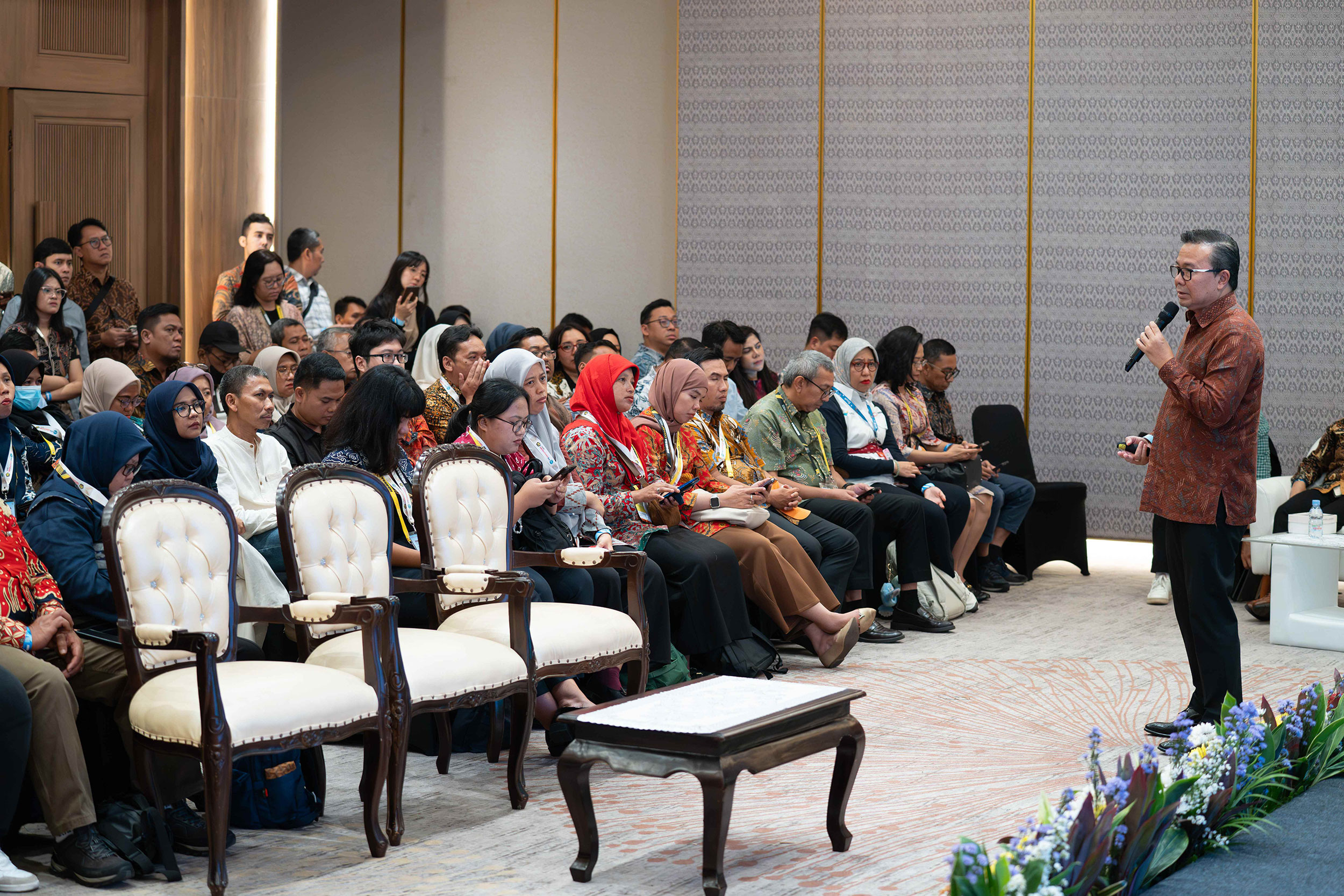
During his presentation at Minerba Convex 2025, Tonny Gultom emphasized that the sustainability of the nickel industry must be driven by the implementation of an integrated HSE framework aligned with both national regulations and global market expectations.
Tonny then concluded his session by inviting all stakeholders in the mining industry to strengthen collaboration towards the implementation of more consistent global standards.
“The hope is that the regulations in Indonesia will increasingly align with international standards so that their implementations can be more integrated in the field. This is both a challenge and an opportunity for us to continuously improve mining industry management quality and strengthen Indonesia’s position in the global supply chain,” he concluded.